

Sharpen meat grinder blades by filing, honing, and testing until edges cut cleanly and smoothly.
I’ve sharpened dozens of grinder blades for home kitchens and small shops. I’ll walk you through clear, safe steps on how to sharpen meat grinder blades, what tools to use, and how to test results. This guide blends hands-on tips, mistakes I’ve made, and proven methods so you can sharpen with confidence.
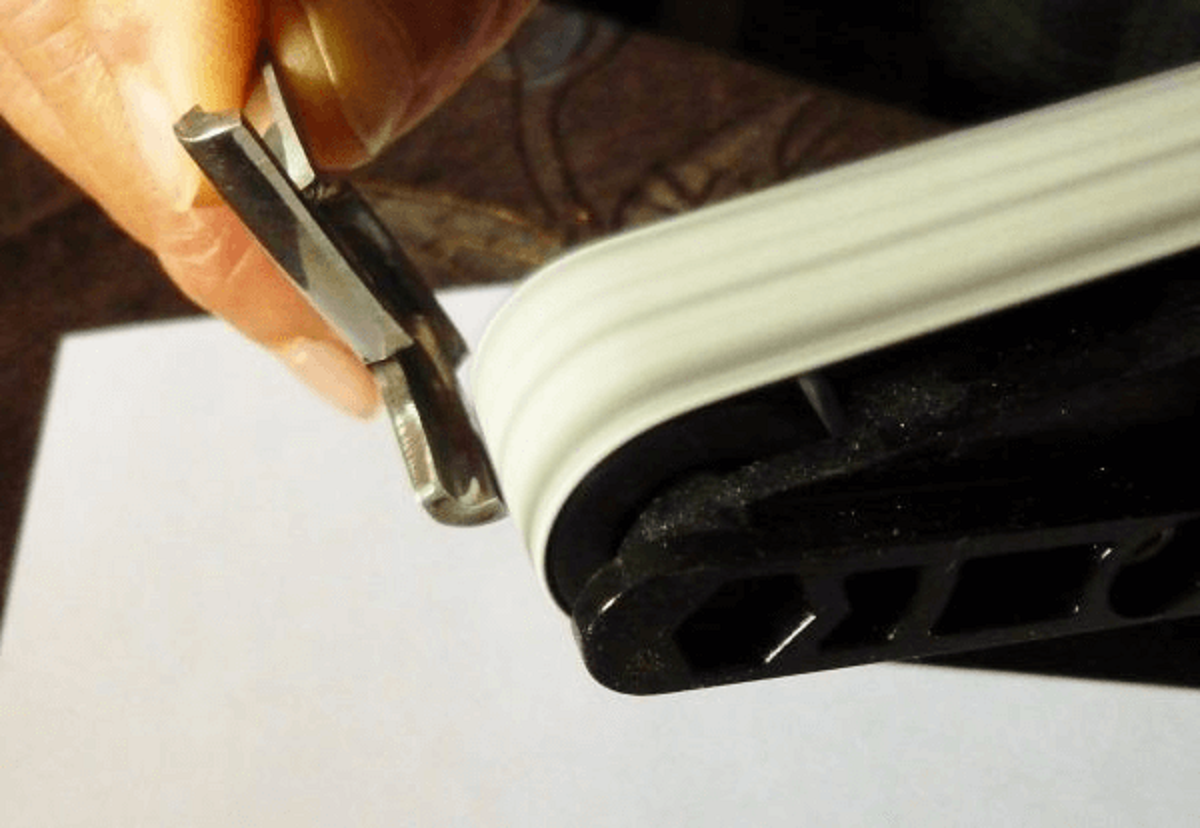
Why sharpening matters
A sharp blade cuts clean meat. Dull blades tear tissue and heat the meat. Learning how to sharpen meat grinder blades saves money and improves texture and flavor. Sharpening keeps your grinder working longer and makes food prep faster.

Source: youtube.com
Tools and materials you’ll need
Choose the right tools before you begin. Below are what I use and recommend.
- Bench grinder or sharpening stone with coarse and fine surfaces Use for faster reshaping and honing.
- Diamond file or flat mill file Good for small nicks and fine edges.
- Honing rod or ceramic stone Polishes and deburrs the edge.
- Marker or chalk Marks worn areas to guide sharpening.
- Protective gloves and eye protection Safety first when you grind metal.
- Degreaser, mild soap, and cloth Clean parts before and after sharpening.
- Calipers or ruler Check thickness and flatness if needed.
How to sharpen meat grinder blades depends on the blade size and material. Stainless and high-carbon steels need slightly different handling, but the tools above cover most jobs.

Source: amazon.com
Step-by-step: How to sharpen meat grinder blades
Follow these steps for consistent results. Read all steps first. Work slowly. Keep parts cool.
- Disassemble and clean
- Remove blade and plate from the grinder. Wash to remove fat and grit. Dry completely to prevent rust.
- Inspect the blade
- Look for nicks, chips, or uneven edges. Mark low spots with a marker. This helps when you reshape.
- Flatten and align if needed
- Lay the blade on a flat stone. Lightly rub each face to remove warps. A warped blade won’t grind well.
- Reshape with a file or grinder
- If the edge is blunt or nicked, use a coarse file or bench grinder. Keep the original angle. Move the file in one direction away from the cutting edge. Do small passes.
- Hone to a fine edge
- Use a fine stone or diamond hone. Stroke the edge at the same angle 10–20 times per side. Keep strokes even.
- Deburr and polish
- Run a ceramic rod or fine stone along the blade to remove burrs. Wipe clean.
- Check the fit
- Reassemble the blade onto the grinder shaft and place the plate. The blade should sit square and spin freely.
- Test cut
- Use a small amount of cold, cubed meat. Grind slowly and listen. The grind should be clean, not mashed.
- Repeat if necessary
- If the grind is still rough, repeat honing. Fine adjustments often beat heavy grinding.
Tips from experience:
- Keep the original factory bevel. Most grinder blades use a small bevel between 15–25 degrees.
- Use light pressure when honing. Overheating removes temper from the steel.
- When using a bench grinder, cool the metal frequently in water to avoid heat damage.
Source: youtube.com
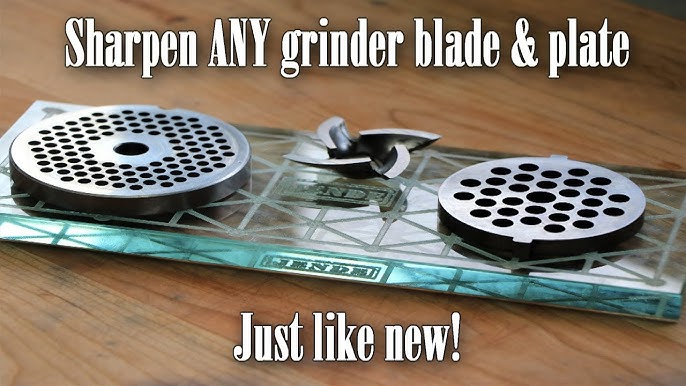
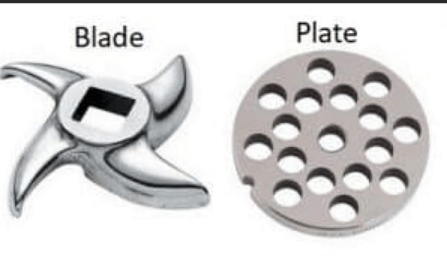
Sharpening different blade types and plates
Not all blades are the same. Know your blade type before you sharpen.
- Stainless steel blades Tend to resist rust. They can be harder to reshape but take a fine polish well.
- High-carbon blades Sharpen easily but can rust. Wipe and oil lightly after sharpening.
- Single-radius vs. double-edged blades Match the original bevel shape. Double-edged blades need equal attention on both faces.
- Plates Most grinder plates don’t need edge sharpening. If a plate hole is burred, use a small round file to clean the rim. Replace plates with deep wear.
How to sharpen meat grinder blades can vary with material. Adjust grit and pressure for steel hardness. When in doubt, use a finer stone and go slow.
Source: vevor.com
Maintenance, testing, and storage
After sharpening, care extends blade life. Good habits pay off.
- Clean after each use Remove meat debris and fat. Dry fully.
- Light oil layer for storage A food-safe oil prevents rust on carbon steel.
- Regular hone Hone the blade after every few uses. This keeps a keen edge and reduces major sharpening needs.
- Test by sight and sound A sharp blade cuts clean and grinds without loud chatter. The meat should flow smoothly.
- Replace when worn If you can’t restore the edge without heavy grinding, buy a new blade.
I test blades by grinding a cold test batch. If the grind is consistent and the meat doesn’t smear, sharpening was a success.

Source: youtube.com
Common mistakes and troubleshooting
Watch out for these common errors I faced when learning how to sharpen meat grinder blades.
- Overheating the edge This can remove the blade’s temper. Cool often when grinding.
- Changing the bevel angle Small angle shifts ruin fit and cutting performance.
- Skipping cleaning Hardened fat or debris hides nicks and reduces sharpening efficiency.
- Not balancing An unbalanced blade or plate causes vibration and poor cuts.
- Using the wrong grit Too coarse a grit leaves rough edges; too fine may not remove deep nicks.
If your blade still tears meat, check flatness and plate fit. A perfectly sharp blade on a warped plate will not perform well.

Source: cityfoodequipment.com
Safety tips
Safety keeps the job simple and quick. Follow these basic rules.
- Wear cut-resistant gloves when handling edges.
- Use eye protection near grinders or files.
- Secure the blade and tools before grinding.
- Work slowly and keep hands away from the cutting edge.
- Unplug electric grinders before removing blades.
Safety matters every time you sharpen. I learned this the hard way and now never skip gloves and goggles.
Source: youtube.com
Frequently Asked Questions of How to sharpen meat grinder blades
How often should I sharpen my meat grinder blades?
Sharpen blades when grinding feels slower or meat looks torn. For home use, hone every 5–10 uses and do a full sharpen every few months.
Can I use a bench grinder for meat grinder blades?
Yes, a bench grinder works for reshaping. Use light passes and cool the blade frequently to avoid overheating.
Will sharpening remove metal and shorten blade life?
Sharpening removes a tiny amount of metal. Proper honing extends usable life more than it shortens it because it prevents heavy regrinding.
Can I sharpen grinder plates the same way as blades?
Plates need different care. Use a small round file to remove burrs, but replace plates with deep wear rather than attempting heavy reshaping.
Is it safe to sharpen stainless steel blades at home?
Yes, with the right tools and caution it’s safe. Use protective gear, cool the metal regularly, and preserve the bevel.
What angle should I use when sharpening a grinder blade?
Match the factory bevel, usually 15–25 degrees. Keep the same angle on both sides for even cutting.
How do I know if a blade is beyond repair?
If a blade needs heavy grinding to restore the edge or if it is warped beyond flattening, replacement is better and safer.
Conclusion
Sharpening meat grinder blades is a small skill that yields big rewards. Keep the right tools, follow safe steps, and stick to regular maintenance. Try the step-by-step routine here, and you’ll get cleaner grinds, better texture, and longer blade life. If this guide helped, subscribe for more kitchen tool tips or leave a comment about your sharpening wins or questions.


1 Comment
Pingback: How To Grind Bones Without A Grinder: Easy DIY Methods | Cooking Gear Lab