

Gas ovens use open flame while electric ovens use heating elements and offer steadier temperature control.
I’ve tested and repaired both gas and electric ovens for years, so I’ll walk you through the real differences and practical trade-offs. This guide explains what is the difference between a gas oven and an electric oven? in plain terms, shows how each one performs, and helps you choose the right oven for your home and cooking style.
How gas and electric ovens work
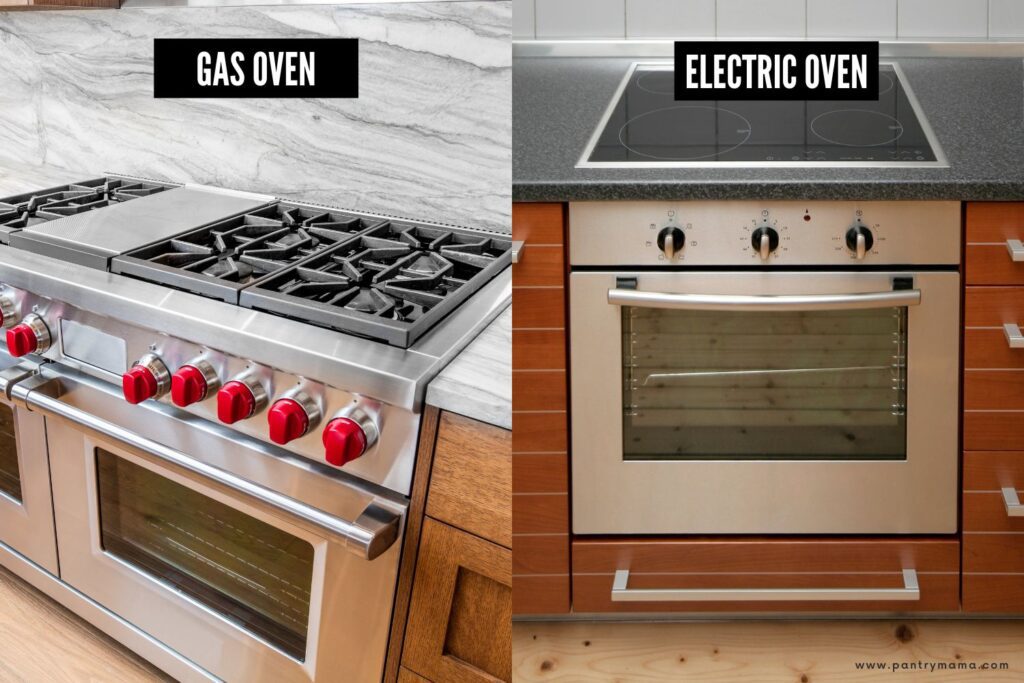
Gas ovens use a burner and flame at the bottom. The flame heats air and the oven walls. A thermostat cycles the gas on and off to hold temperature.
Electric ovens use metal heating elements. Elements heat by electricity and transfer heat through the air and metal. Many electric ovens add a fan for convection.
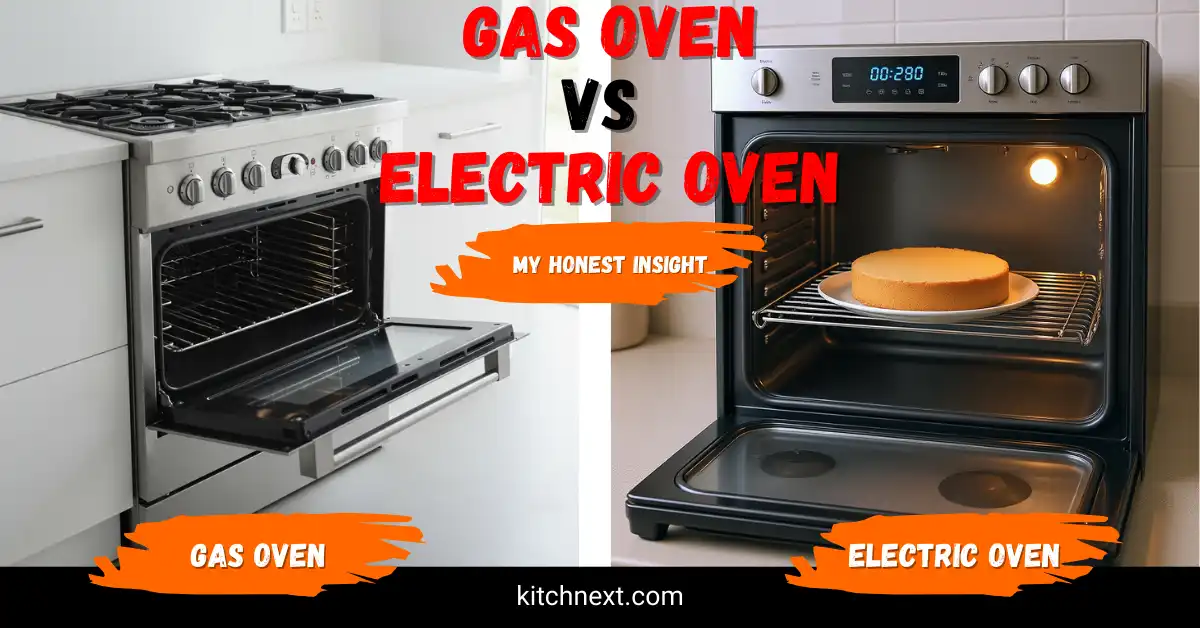
What is the difference between a gas oven and an electric oven? The main one is the heat source: flame versus element. That difference shapes baking, broiling, and temperature stability.

Key differences at a glance
- Heat source: Gas uses natural gas or propane; electric uses resistive elements.
- Temperature control: Electric ovens typically hold temperature more steadily.
- Moisture: Gas ovens create more humidity during cooking.
- Preheat time: Gas often heats faster to temperature; electric may take longer.
- Broiling: Gas broilers give direct flame; electric broilers use high heat elements.
- Energy cost: Local fuel prices affect running cost; sometimes gas is cheaper.
- Installation: Gas requires a line and venting; electric may need a high-voltage circuit.
If you ask "what is the difference between a gas oven and an electric oven?" think source, control, moisture, and installation needs. Each matters for how food cooks and how you use the stove.
Cooking performance and bake quality
Temperature stability and heat distribution matter most for baking.
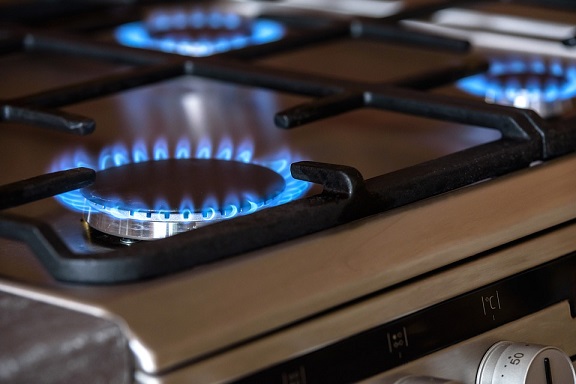
- Electric ovens usually give more even, dry heat. That helps cookies, cakes, and items needing steady browning.
- Gas ovens can run hotter near the flame and cooler in upper racks. This can help roast meats where moisture helps.
- Convection electric ovens with a fan offer the most even results for multi-rack baking.
PAA-style questions
- Does a gas oven produce better flavor? Gas ovens add moisture that can help roasted dishes, but flavor mainly comes from ingredients and technique.
- Which oven browns food faster? Electric ovens with top-element broil or convection brown evenly; gas flames brown quickly in spots.
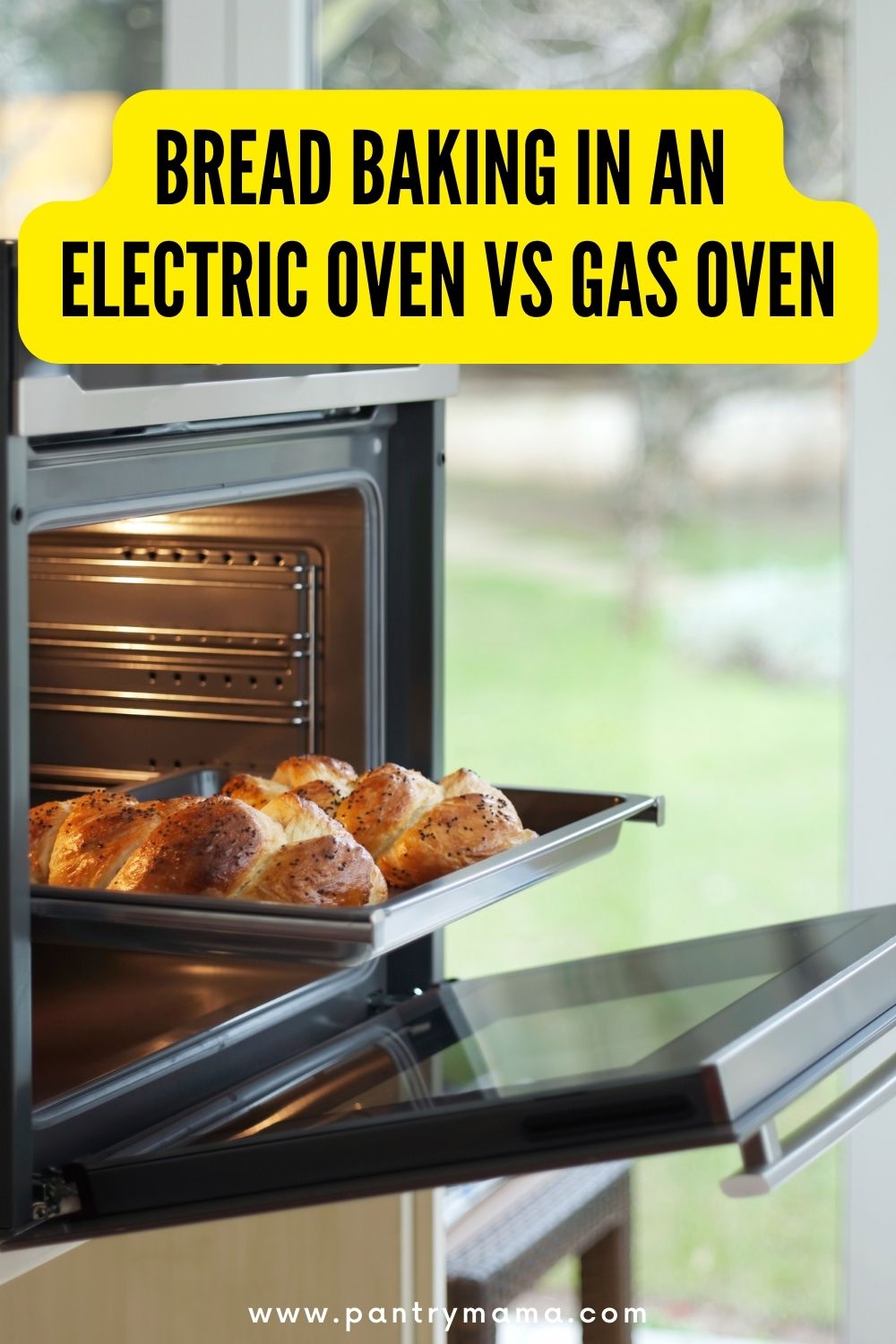
- Is one oven better for bread? Many bakers prefer electric convection for consistent crust and even rise.
Understanding what is the difference between a gas oven and an electric oven? helps you match the oven to the food you cook most.
Energy use, operating cost, and efficiency
Energy facts are local. Prices for gas and electricity vary by region.
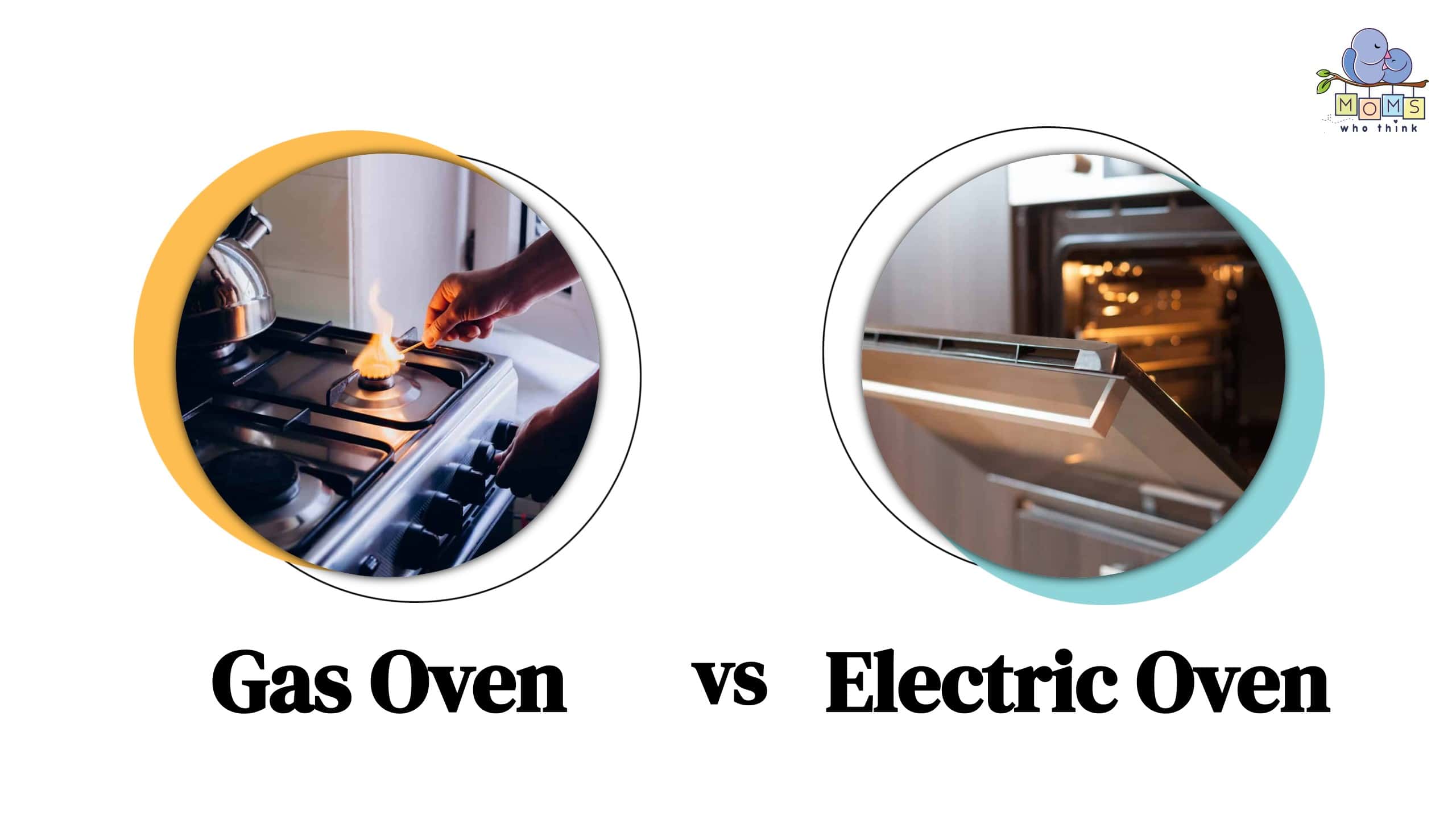
- Efficiency: Electric ovens convert almost all electricity to heat. Gas loses some heat up the flue or through ventilation.
- Cost: If natural gas is cheap where you live, gas may cost less per use. If electricity is inexpensive or you use induction cooktops, electric ovens can be economical.
- Heat-up time: Gas often reaches set temperature faster. Electric keeps steady heat longer after cycles.
Track your local energy rates and average oven use. That tells you whether gas or electric is cheaper over a year. Remember to factor in potential installation costs.

Safety, installation, and maintenance
Safety differs by type.
- Gas ovens need proper ventilation, leak checks, and a working ignition system. Carbon monoxide risk rises with poor ventilation.
- Electric ovens avoid combustion risks but require safe wiring and correct amperage. Faulty wiring can cause fires.
- Maintenance: Gas parts like burners may need cleaning and occasional re-ignition repair. Electric elements and sensors can fail and are generally easy to replace.
When deciding what is the difference between a gas oven and an electric oven?, weigh gas safety checks versus electric electrical requirements. Both are safe when installed and maintained properly.

Environmental impact and emissions
- Gas ovens burn fossil fuel on-site, producing CO2 and some combustion byproducts.
- Electric ovens’ carbon footprint depends on how electricity is made. Renewables reduce electric ovens’ impact.
- Long-term thinking: As grids get greener, electric ovens become cleaner in lifecycle emissions.
If you want lower local emissions now, look at energy source and efficiency rather than just oven type.
How to choose: which is right for you?
Ask simple questions to decide.
- What do you cook most? Bakers often pick electric; roast lovers may like gas.
- Is installation easy? If you don’t have a gas line, electric avoids new piping.
- What are local energy prices? Run cost matters if you cook a lot.
- Do you rent? Electric can be easier for landlords and tenants.
What is the difference between a gas oven and an electric oven? It’s about trade-offs. Choose the oven that matches your food, budget, and home setup.
Personal experience and practical tips
I’ve baked hundreds of loaves in electric convection ovens. I’ve also roasted turkeys in gas ovens for deeper steam and juicy meat. Here are tips I learned:
- For gas ovens, use an oven thermometer. Temperatures can vary by rack.
- For electric ovens, preheat well. The element needs time to stabilize.
- Use pans that match your goal. Shiny pans for even baking, dark pans for faster browning.
- Clean burners and element surfaces regularly. It helps even heat and safety.
Mistakes to avoid: Don’t assume the same temp and time work for both ovens. Test, adjust, and keep notes.
Frequently Asked Questions of What is the difference between a gas oven and an electric oven?
What cooks faster, a gas oven or an electric oven?
Gas ovens usually reach the set temperature faster. Electric ovens often hold heat more steadily for long bakes.
Which oven gives better baking results?
Electric convection ovens tend to give the most even and predictable baking results for cakes and cookies.
Are gas ovens more expensive to run?
Not always. Running cost depends on local gas and electricity prices and how often you cook.
Is one type safer than the other?
Both are safe when installed and maintained correctly. Gas needs ventilation and leak checks; electric needs proper wiring.
Can I switch from gas to electric easily?
Switching may require installing a gas line or upgrading electrical service. Costs vary, so get a pro estimate.
Conclusion
Knowing what is the difference between a gas oven and an electric oven? helps you pick the oven that fits your food, budget, and home. Gas gives moist heat and quick heat-up. Electric gives steady, even heat and precise control. Try simple tests in any new oven. Bake a favorite recipe and adjust time or temperature until results match your taste. If this helped, leave a comment with what you cook most, or subscribe for more practical kitchen guides.

