

A summer sausage is a cured, smoked sausage meant to be shelf-stable and enjoyed cold.
I’ve worked with cured meats and tasted dozens of regional sausages, so I can tell you exactly what a summer sausage is, how it’s made, and why it remains a pantry and picnic favorite. This article breaks down origins, ingredients, safety, serving tips, and real-world advice from my experience to help you choose, serve, or even make your own summer sausage with confidence.

What Is a Summer Sausage?
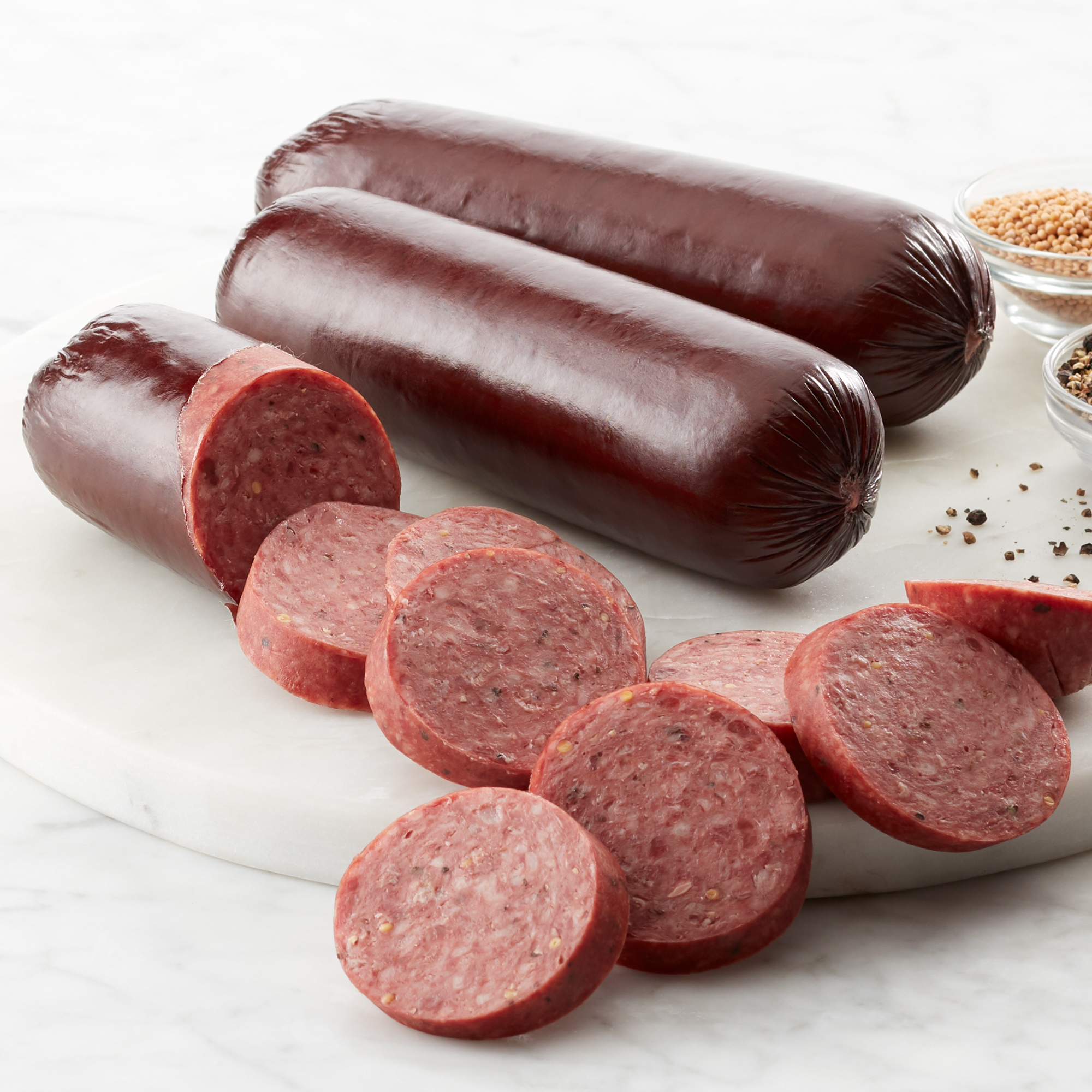
A summer sausage is a cured, semi-dry sausage that stays safe to eat without refrigeration for a time. It often mixes beef and pork, uses salt and curing agents, and is smoked or air-dried to develop flavor and shelf life. The term "summer" reflects its historical use as a preserved meat to eat during warmer months when fresh meat would spoil.
What Is A Summer Sausage as a product
- It is a preserved meat product designed for delayed spoilage.
- It is typically seasoned with spices like garlic, mustard seed, and black pepper.
- It can be eaten sliced on sandwiches, charcuterie boards, or as a snack.
Personal note: I’ve stored commercially made summer sausage in my pantry during warm months while camping. It remained safe until opened. After opening, refrigeration is best to preserve taste and texture.
History and Origins
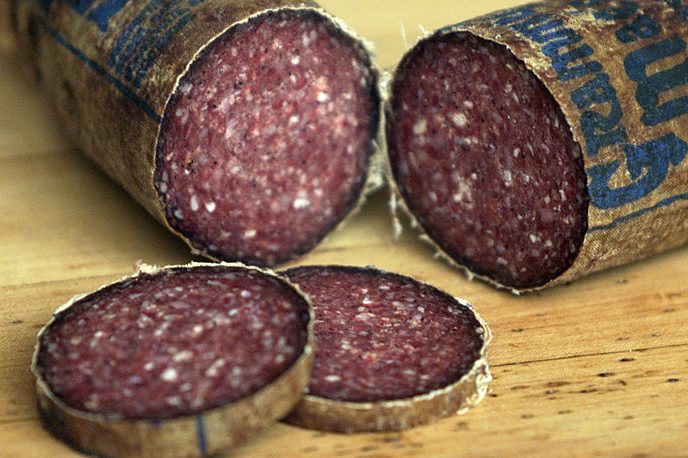
Summer sausage traces back to European traditions of curing and smoking meat. German and Eastern European immigrants brought similar sausages to America. The technique allowed families to preserve meat harvested in cooler seasons for use later, especially during summer months when refrigeration was not available.
Why the name matters
- Early producers labeled cured sausages for summer because they kept longer.
- The method combined salt curing, fermentation, and smoking to slow spoilage.
- The result was a flavorful, portable protein source for work or travel.
Experience insight: Talking with deli owners, I learned regional recipes vary. Midwestern versions tend to be milder and sweet, while German-style ones keep stronger spice notes.
How It’s Made
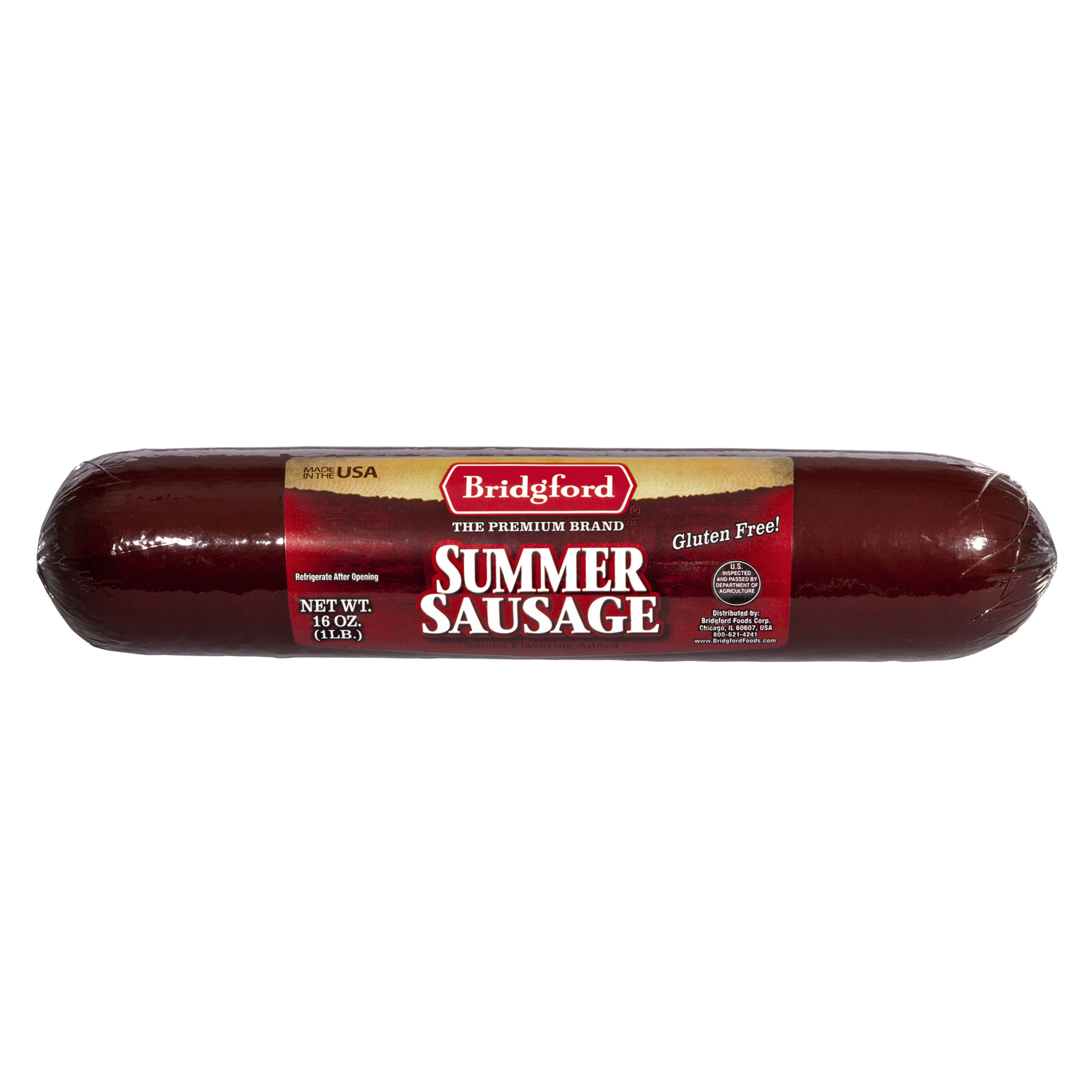
The process blends meat, cure, spice, and time. Commercial and home methods differ in scale but follow core steps.
Key steps
- Grinding and mixing meat with salt, sugar, nitrite-based cure, and spices.
- Stuffing the mix into casings.
- Fermenting to lower pH for safety in some recipes.
- Smoking or drying to reduce moisture and add flavor.
- Packaging for sale or storage.
Safety notes
- Nitrite cures help prevent botulism and ensure color stability.
- Proper fermentation and smoking reduce water activity to limit bacterial growth.
- Commercial summer sausage follows strict food-safety protocols; home curing requires careful temperature and time control.
PAA-style question: How long does summer sausage last unopened?
Unopened, commercially sealed summer sausage can last weeks to months at cool room temperature. Once opened, refrigerate and use within 2 to 3 weeks for best quality.

Types and Varieties
Summer sausage comes in many styles. Knowing the differences helps you pick the right one for your meal.
Common varieties
- Beef-and-pork blends: Most common in the U.S. Balanced flavor and texture.
- All-beef: For a beef-forward taste and firmer bite.
- Turkey or chicken versions: Lower fat and lighter flavor.
- Spiced styles: Pepper, garlic, mustard seed, or wine-soaked styles.
Regional variants
* German-style salami: Tangier, often with a firmer bite.
- American summer sausage: Slightly sweeter, often milder spices.
Personal tip: For a picnic, I choose a medium-fat beef-pork blend. It slices clean and pairs well with cheese.

Nutrition and Food Safety
Summer sausage offers protein and flavor, but be mindful of sodium and fat.
Nutritional overview
- High in protein per serving.
- Often high in sodium due to curing salts.
- Fat content varies with meat blend; pork gives more richness.
Safety guidance
- Check labels for nitrite levels and sodium content.
- Refrigerate after opening to slow spoilage.
- Avoid feeding high-salt sausage to young infants, people on low-sodium diets, or those with certain health conditions.
Practical caution: I once underestimated sodium in a deli platter and felt bloated afterward. Now I read labels and offer low-sodium options to guests.
:max_bytes(150000):strip_icc()/GettyImages-474084080-bcce6240b46f4bd6837eda803b594114.jpg)
How to Serve and Store
Serving summer sausage well draws out its best flavor. Storing it right preserves safety and texture.
Serving tips
- Slice thin for sandwiches or thick for rustic boards.
- Pair with sharp or creamy cheeses, pickles, mustard, and crusty bread.
- Warm slightly by resting slices at room temperature for 20 minutes to enhance aroma.
Storage guidelines
- Store unopened at cool room temperature if label allows, but cool storage extends life.
- Refrigerate after opening and use within 2 to 3 weeks.
- Freeze for long-term storage; thaw in fridge and use within a few days.
Practical serving idea: I like a simple platter—summer sausage, aged cheddar, cornichons, and dark bread. It’s easy and crowd-pleasing.

Making Summer Sausage at Home — What You Need to Know
Home-cured summer sausage can be rewarding but needs care. Follow tested recipes and safety steps.
Essentials for home curing
- Accurate scale for salt and cure.
- pH strips if fermenting.
- Proper smoking setup or reliable oven method.
- Food-grade casings and thermometer.
Common mistakes to avoid
- Under-curing or skipping cure salts.
- Improper temperature control during fermentation or smoking.
- Rushing drying time; moisture invites spoilage.
Experience tip: My first batch lacked a tang because I skipped fermentation. Fermenting adds flavor and safety, so don’t skip it.
Flavor Pairings and Uses
Summer sausage is versatile. It works beyond snack boards.
Pairings
- Hard cheeses like cheddar or gouda.
- Mustards and chutneys for contrast.
- Nuts and dried fruits for texture balance.
- Rye or sourdough bread for sandwiches.
Creative uses
- Dice into salads for smoky protein.
- Melt into beans or stews for depth.
- Use in picnic boxes, tailgate platters, or hiking snacks.
Practical serving advice: When packing a picnic, include a small cooler for opened sausage and keep it shaded. That keeps flavor and safety intact.
Frequently Asked Questions of What Is A Summer Sausage
What is summer sausage made from?
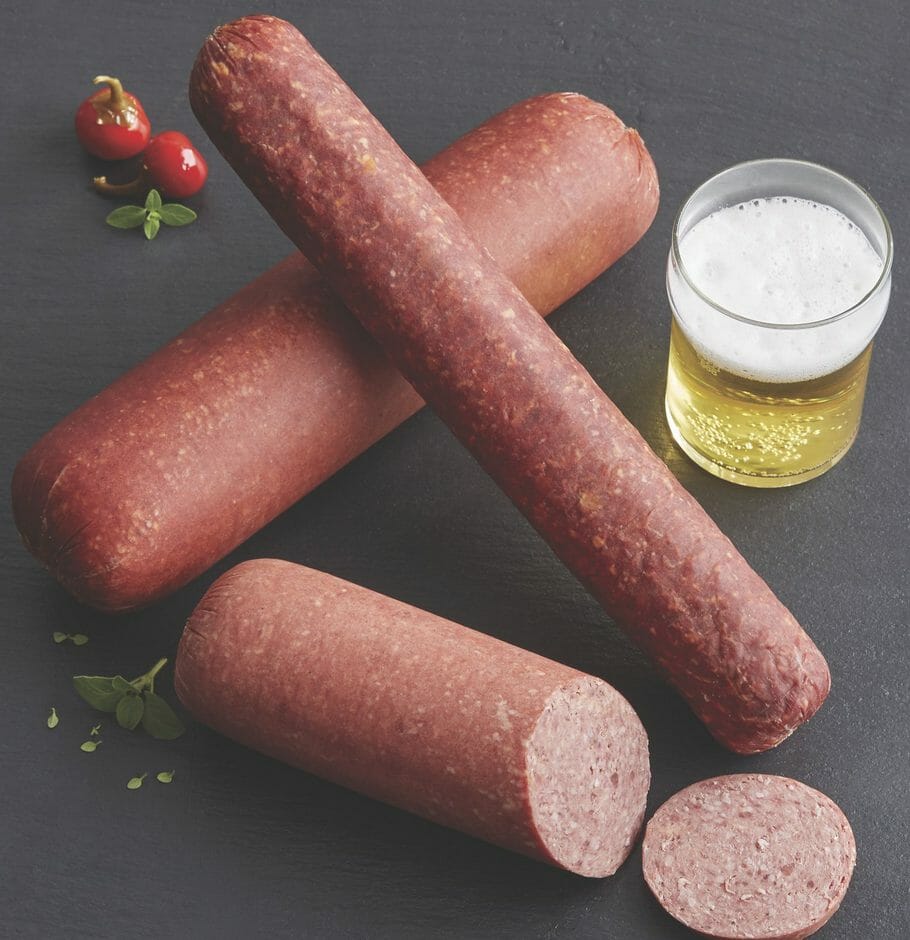
Summer sausage is typically made from ground beef, pork, or a mix, combined with salt, sugar, curing agents, and spices. It is then stuffed into casings and smoked or dried.
Can you eat summer sausage without cooking it?
Yes. Summer sausage is cured and smoked, making it ready to eat cold or slightly warmed. Follow storage and handling rules to ensure safety.
How long does summer sausage last after opening?
After opening, summer sausage should be refrigerated and eaten within 2 to 3 weeks for best quality. Freezing extends storage if you don’t plan to finish it.
Is summer sausage safe for children?
It can be safe, but watch sodium and nitrite content and avoid serving to very young infants. Choose low-sodium or all-beef options if you’re concerned.
Can I make summer sausage without nitrites?
You can make fresh-style sausages without nitrites, but nitrites help prevent botulism and maintain color in cured sausages. Follow tested recipes and safety guidance if skipping nitrites.
How should I slice summer sausage for a charcuterie board?
Slice against the grain for tenderness and offer thin and thick slices for variety. Provide spreads and crackers for easy pairing.
Conclusion
Summer sausage blends preservation, flavor, and convenience. Whether you buy a classic beef-and-pork link or try making a batch at home, understanding what is a summer sausage helps you pick safer, tastier options and serve them with confidence. Try a small sample of different styles, note the flavors you like, and experiment with pairings at your next gathering. If you enjoyed this guide, leave a comment about your favorite summer sausage style or subscribe for more tips on cured meats and easy charcuterie ideas.

