

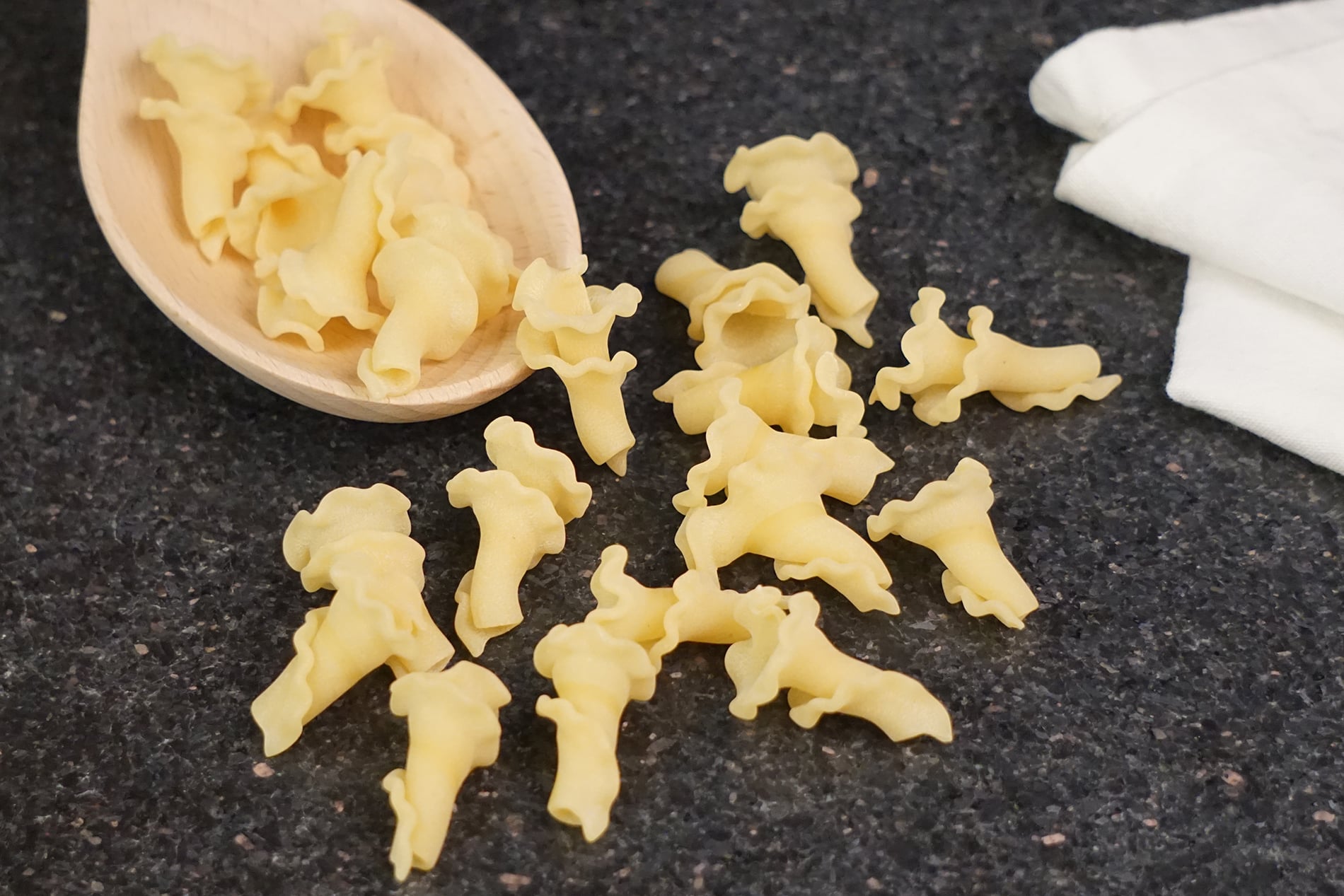
Gigli pasta is a short, fluted, flower-shaped Italian pasta that holds chunky sauces well.
I’ve cooked and tested gigli pasta in home kitchens and professional settings for years, so I can confidently guide you through what gigli pasta is, where it comes from, and how to use it. This article breaks down its shape, texture, best sauces, cooking tips, nutrition notes, storage advice, and recipe ideas so you can cook gigli pasta well the first time.
What gigli pasta is: definition and key features
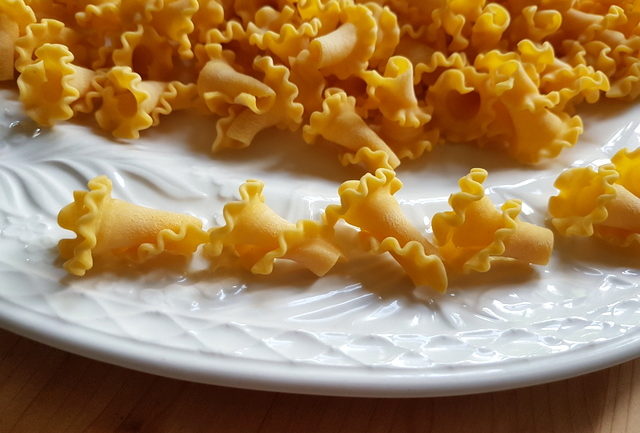
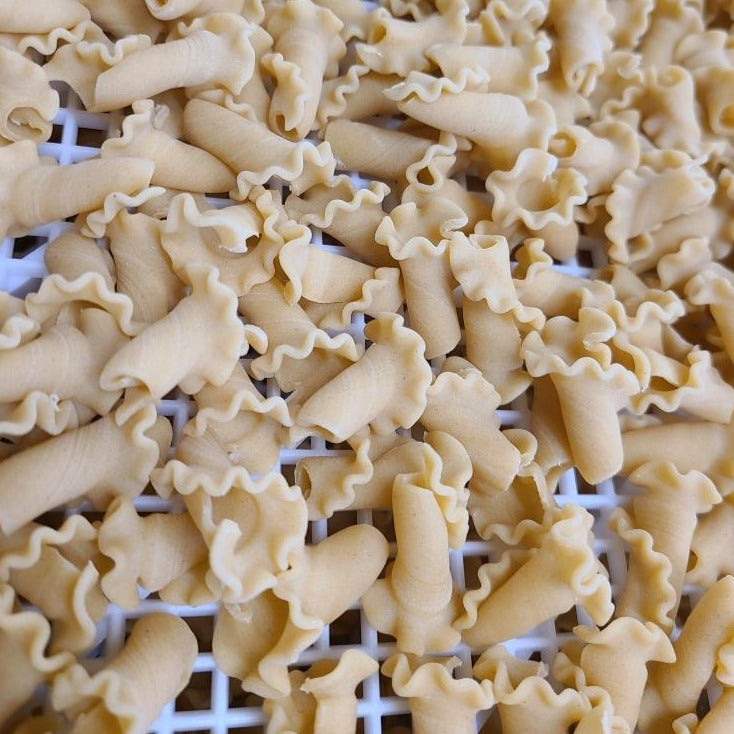
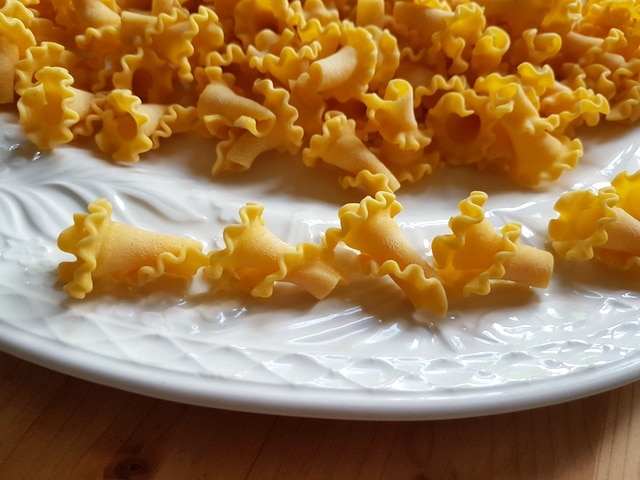
Gigli pasta is a small to medium pasta with ruffled edges and a tapered bell shape. The name comes from the Italian word for lilies, which describes its flower-like silhouette. Its ridges and hollow center trap sauces and bits of vegetables or meat. Gigli pasta is typically made from durum wheat semolina and water, though whole wheat and egg versions exist.

Origin and history
Gigli pasta has roots in central Italy, where shaped pastas were developed to pair with local sauces. Artisans shaped dough by hand or with wooden tools to create the ruffled petals. Over time, factories reproduced the shape with bronze dies to preserve texture and roughness. Today it’s popular across Italy and in many international kitchens because it pairs well with chunky, textured sauces.
Shape, texture, and why it works with sauces
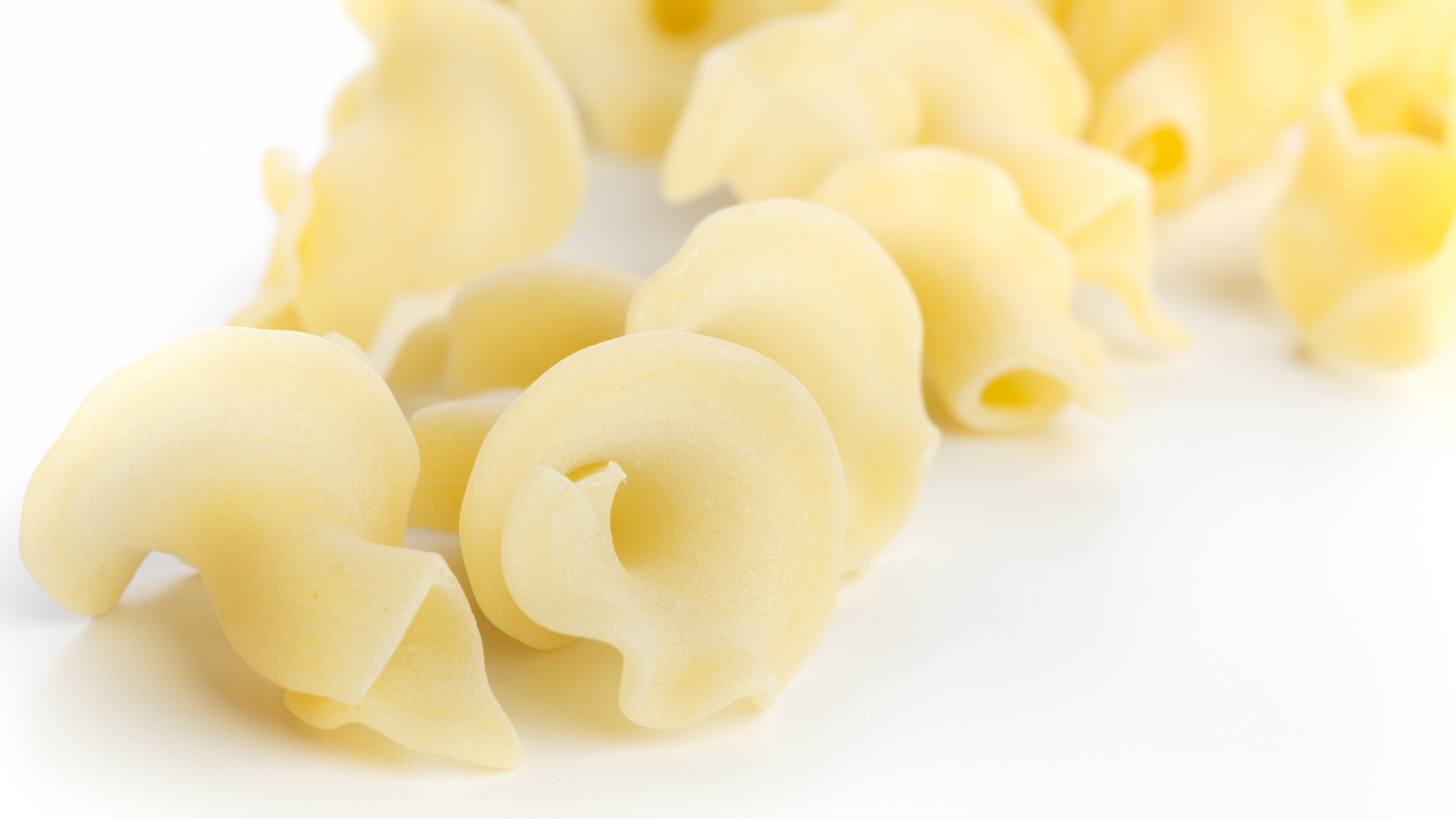
Gigli’s ruffles and hollow center give it texture that clings to sauce. The rough surface from bronze-cut methods helps sauce adhere. The shape creates pockets that hold small ingredients like peas, chopped mushrooms, or sausage. Because gigli pasta is not flat, it brings mouthfeel and visual interest to a plate.
How to cook gigli pasta: step-by-step
- Bring a large pot of water to a rolling boil. Add a generous pinch of salt once boiling.
- Add gigli pasta and stir gently to avoid sticking. Follow package time, usually 8–12 minutes, checking for al dente texture.
- Reserve a cup of pasta water before draining. Use that starchy water to loosen sauces.
- Finish cooking pasta in the pan with sauce for 1–2 minutes to marry flavor.
I learned early to always reserve pasta water. It saves many sauces from being too thick and helps them cling to gigli pasta.
Best sauces and pairings
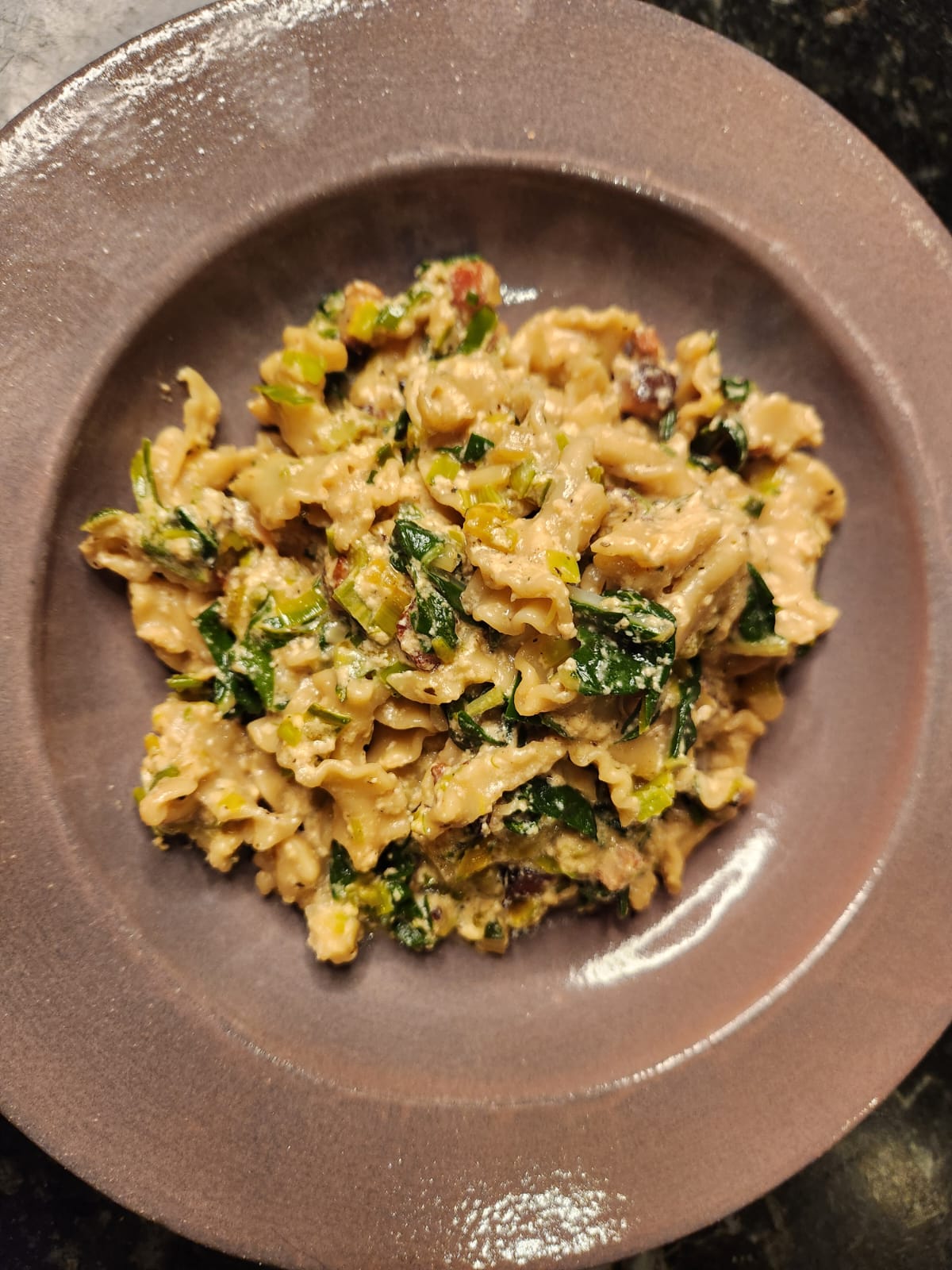
Gigli pasta shines with sauces that have texture and small ingredients. Try these pairings:
- Tomato and burrata sauce with basil and olive oil for freshness.
- Creamy mushroom sauce with garlic, thyme, and chopped parsley.
- Sausage ragù with small vegetable dices that nestle in the ruffles.
- Pesto with diced roasted tomatoes and toasted pine nuts for contrast.
- Lemon cream with peas and parmesan for a bright, spring dish.
These pairings use the pasta’s shape to carry flavor in each bite. I often pair gigli pasta with roasted vegetables on weeknights. It makes simple meals feel elevated.
Simple gigli pasta recipes to try
-
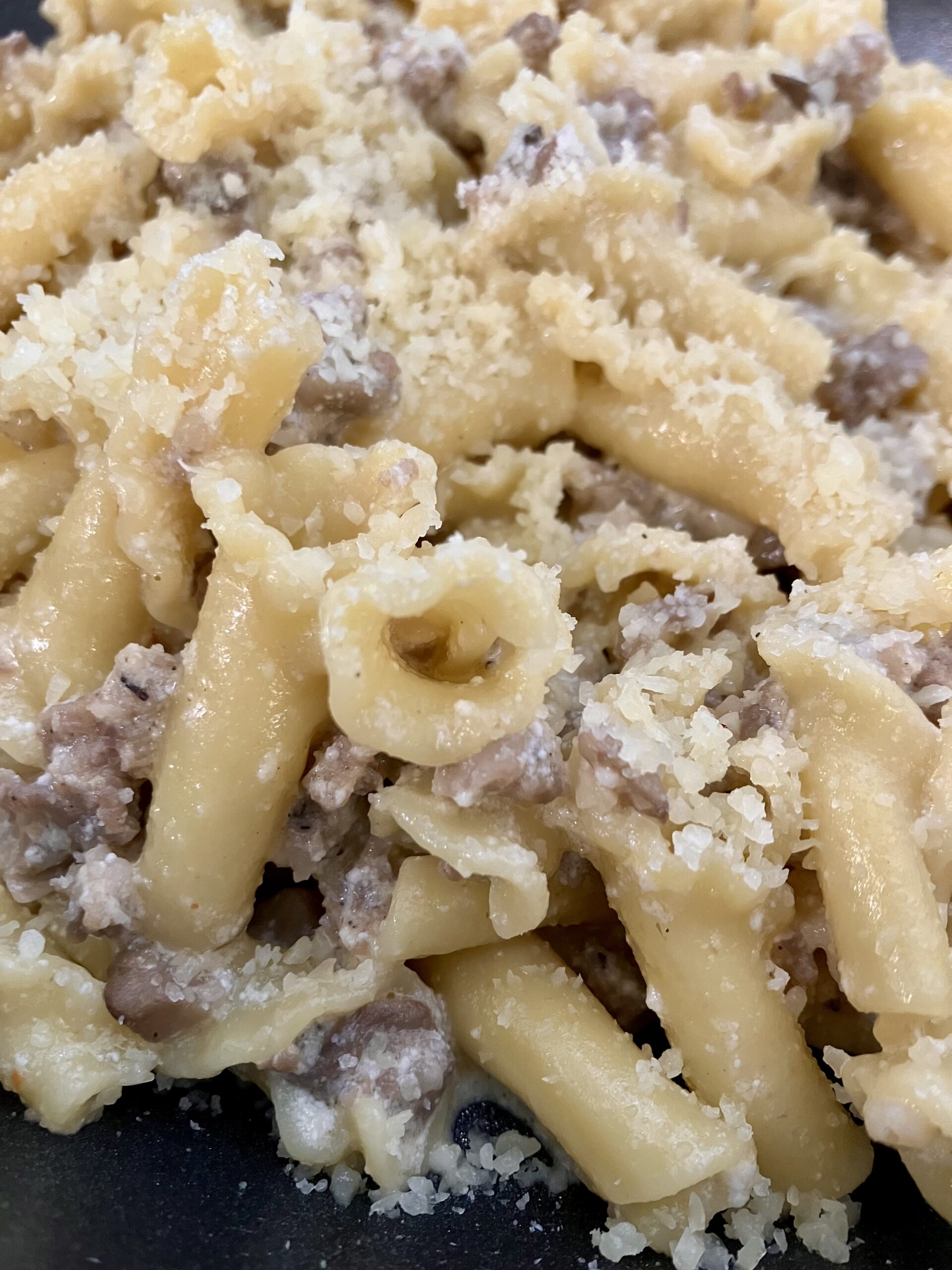
Gigli with mushrooms and cream
- Sauté mushrooms and garlic. Add cream and parmesan. Toss in cooked gigli pasta and a splash of reserved pasta water.
-
Gigli with spicy sausage ragù
- Brown sausage, add onion and tomato, simmer. Mix in pasta and finish with parsley.
-
Spring gigli salad
- Chill cooked gigli pasta. Toss with blanched asparagus, peas, lemon vinaigrette, and feta.
Each recipe uses short steps. That keeps prep easy and highlights the pasta.
Nutrition and dietary considerations
Gigli pasta made from durum semolina is high in carbohydrates and provides protein and some fiber. Whole wheat versions increase fiber and micronutrients. Egg-based gigli pasta adds richness and protein but increases calories. For gluten-free diets, use legumes-based or rice-based shaped pastas that mimic gigli form.
Buying, storing, and substitutes
When buying gigli pasta, look for bronze-cut varieties for better texture. Dried gigli stores well in a cool, dry place for up to two years unopened. Once opened, keep it in an airtight container to preserve texture. If you can’t find gigli, good substitutes include campanelle, rotini, or small shells, which similarly trap sauce.
Common cooking mistakes and practical tips
- Overcooking: Avoid mushy pasta by testing for al dente two minutes before package time.
- Skipping salt: Salted water seasons the pasta internally and improves flavor.
- Not saving pasta water: The starchy water helps bind sauce to gigli pasta.
- Overcrowding the pot: Use enough water so pasta cooks evenly.
From my experience, stirring gently in the first minute prevents clumping. Use a wide pan when finishing pasta with sauce to mix evenly.
When to use gigli pasta in menus
Gigli pasta fits many settings, from casual weeknight dinners to restaurant specials. Use it when you want a pasta that looks attractive and pairs well with textured sauces. It’s great in seasonal dishes that include roasted vegetables, small seafood pieces, or hearty ragùs. Gigli works equally well warm or in chilled pasta salads.
Sustainability and ingredient sourcing
Choose pasta made with durum wheat from reputable mills for consistent quality. Some producers source local grain for fresher flavor and lower transport impact. Look for packaging with clear ingredient lists if you have dietary concerns. Small producers often use traditional bronze dies to achieve better texture and a more authentic bite.
Personal experience and lessons learned
I first tried gigli pasta in a trattoria where the chef tossed it with braised fennel and pork. That taught me how shape affects flavor delivery. Over the years I tested many brands and found bronze-cut gigli tends to hold sauce best. My practical tips are to always taste during cooking, reserve pasta water, and finish pasta in the pan for best results.
Frequently Asked Questions of What is Gigli Pasta
What does gigli pasta look like?
Gigli pasta resembles a small bell or flower with ruffled edges and a hollow center. The shape is often compared to a lily, which inspires its name.
How long should I cook gigli pasta?
Cook time varies by brand, but most dried gigli pasta takes 8–12 minutes for al dente. Start checking two minutes before the lower end of the range.
Can gigli pasta be used in cold salads?
Yes, gigli pasta works well in cold salads because its shape holds dressing and small ingredients. Rinse and toss with vinaigrette to keep it from sticking.
Is gigli pasta gluten-free?
Traditional gigli pasta is made from durum wheat and is not gluten-free. Look for legume-based or rice-based shaped pastas labeled gluten-free as substitutes.
What sauces are best for gigli pasta?
Chunky sauces, ragùs, and textured cream sauces work best because the ruffles trap bits and sauce. Pesto and vegetable-based dressings also pair nicely.
Conclusion
Gigli pasta is a versatile, flower-shaped pasta that adds texture and charm to many dishes. Use it with chunky sauces, finish it in the pan with reserved pasta water, and prefer bronze-cut varieties for the best bite. Try a simple mushroom cream or sausage ragù to experience how gigli pasta elevates familiar flavors.
Give gigli pasta a test this week: pick one recipe, follow the cooking tips, and notice the difference the shape makes. If you enjoyed this guide, leave a comment with your favorite gigli pairing or subscribe for more practical pasta tips.

