

Yes — many frying pans are oven-safe, but check the material and handle limits first.
I’ve used and tested dozens of pans in ovens, and I can walk you through when and how to do it safely. This article answers the core question — Can You Put a Frying Pan In The Oven? — and digs into materials, max temperatures, safety tips, recipes that benefit from oven finishing, and what to avoid. Read on for clear rules, quick checks, and real-world tips you can use tonight.

How to Know If Your Frying Pan Is Oven-Safe
Can You Put a Frying Pan In The Oven? The short test is to check the pan and its handle. Look for a stamped oven-safe symbol, a manual, or a metal handle without plastic or rubber. Manufacturers often mark pans with maximum temperatures and oven-safe notes.
If you don’t have a manual, inspect materials. Metal handles and solid cast iron are almost always safe at high heat. Pans with glued-on wood, plastic, or decorative coatings often are not oven-safe. When in doubt, treat the pan as not oven-safe to avoid damage or a fire risk.

Materials and Max Oven Temperatures
Can You Put a Frying Pan In The Oven? The answer depends on the pan material and coating. Below are common types and typical safe ranges.
- Cast iron: Safe to 500°F or more. Seasoned and enameled cast iron handles are metal and handle high heat.
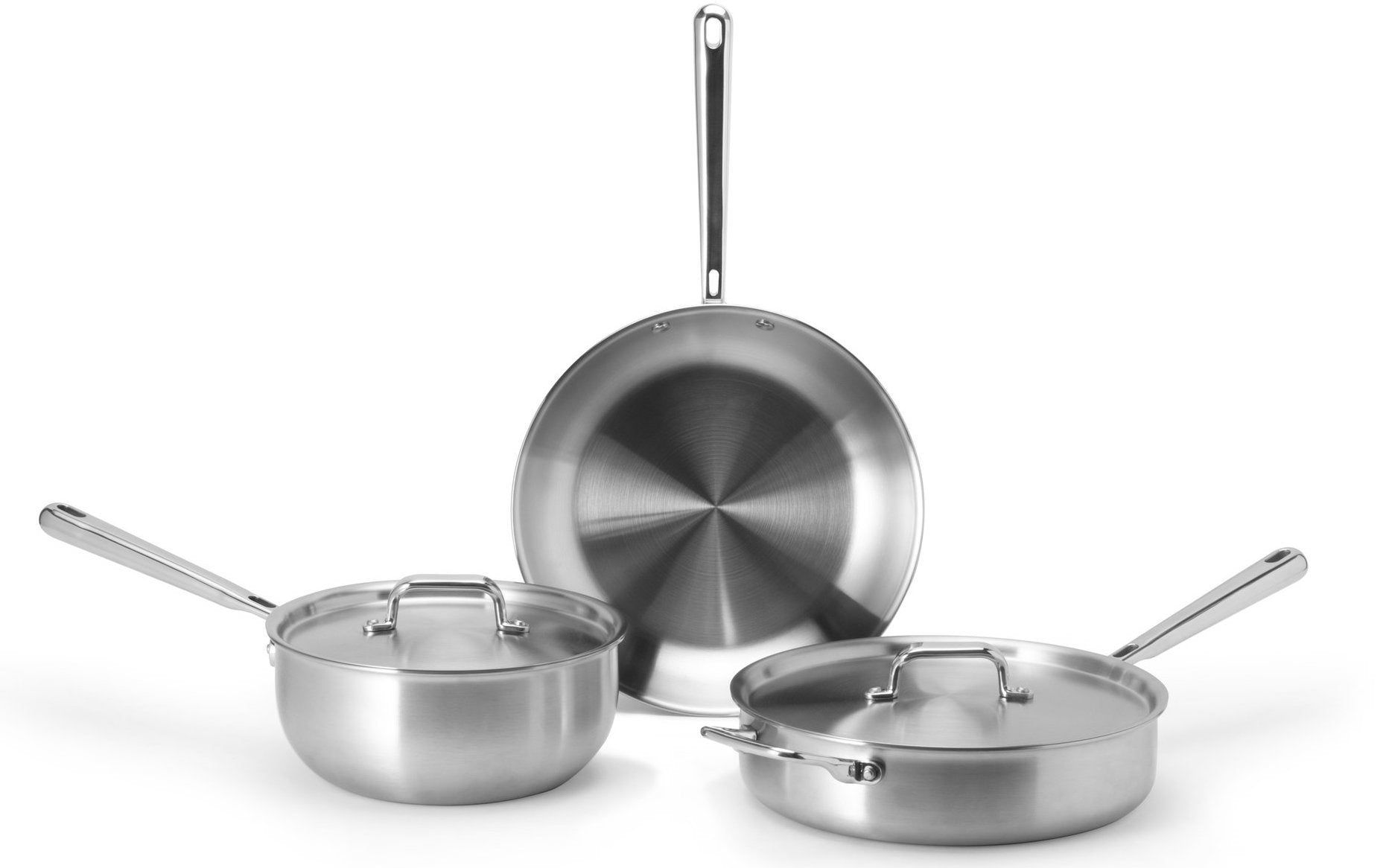
- Stainless steel: Usually safe to 500°F. Watch for riveted handles that include plastic or silicone pieces.
- Hard-anodized aluminum: Often oven-safe to about 400°F to 500°F, depending on coating. Check the maker’s guide.
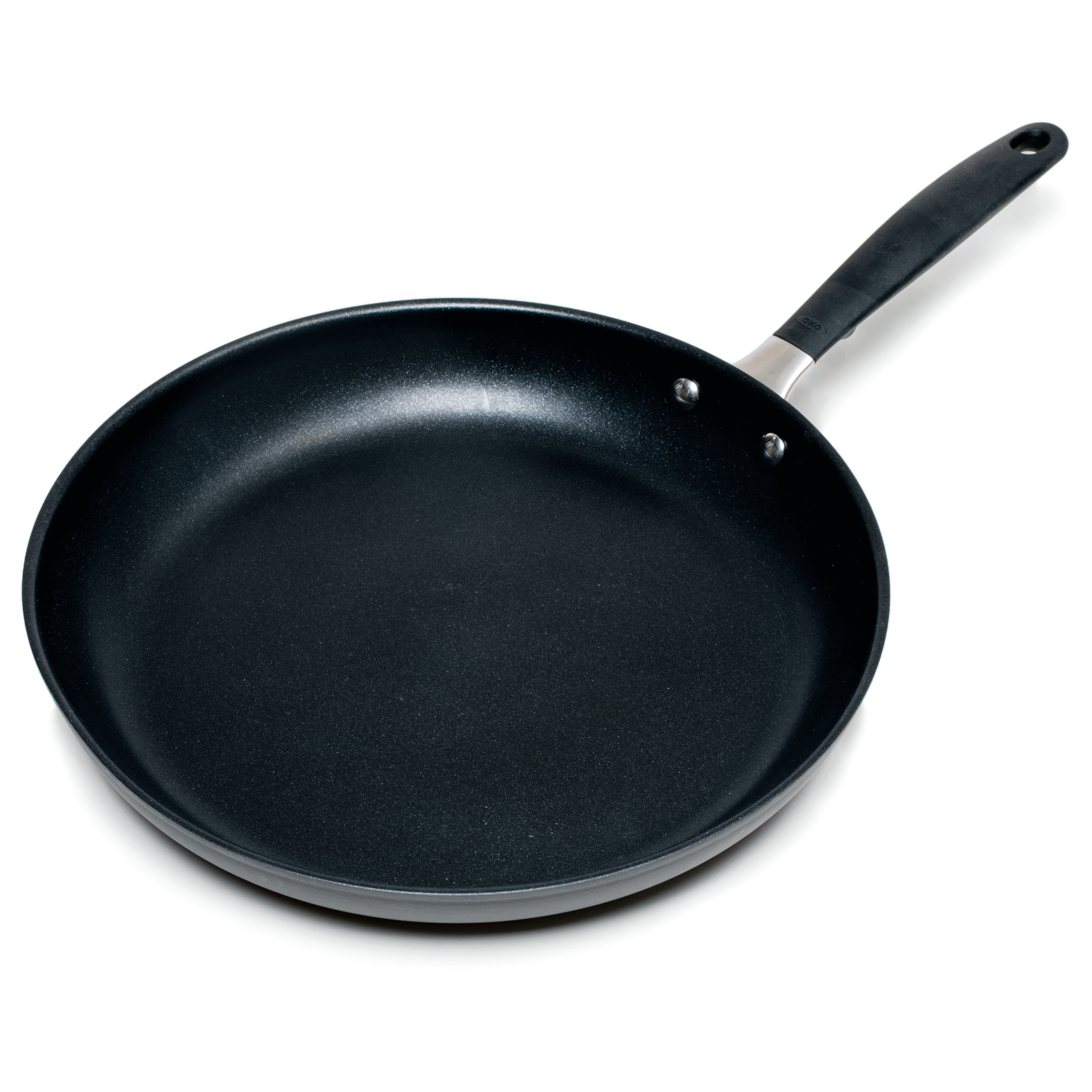
- Nonstick (PTFE/Teflon): Usually safe to 350°F to 450°F. High heat can break down the coating and produce fumes.
- Ceramic-coated pans: Varies widely. Many are safe to 350°F to 450°F, but check the label.
- Copper pans: Metal handles and bodies can be oven-safe, but check for liners and handle material.
- Pans with wood or plastic handles: Typically not oven-safe unless specified as oven-proof up to a certain temp.
Always check the pan’s documentation when possible. If there is no documentation, prefer metal and treat coated or handled pans with caution.
Risks and What Can Go Wrong
Can You Put a Frying Pan In The Oven? Yes, but there are risks if you get it wrong. Nonstick coatings can break down at very high heat and release fumes. Handles made from plastic or wood may melt or catch fire. Sudden temperature changes can crack enamel or warp thin metals.
Other issues to watch for include loose rivets and glued components failing inside the oven, warping that ruins the cooking surface, and smoke from leftover oil. Use common sense and avoid pushing a pan beyond its likely limits.

How to Prepare a Frying Pan for the Oven
Can You Put a Frying Pan In The Oven? Preparation keeps your pan safe and your food better. Follow these simple steps before you transfer a pan into the oven.
- Check the handle. Make sure it’s metal or oven-safe silicone.
- Clean out excess oil. Pooled oil can smoke at high oven temps.
- Preheat the oven with the pan inside if a gentle temperature change is needed for cast iron.
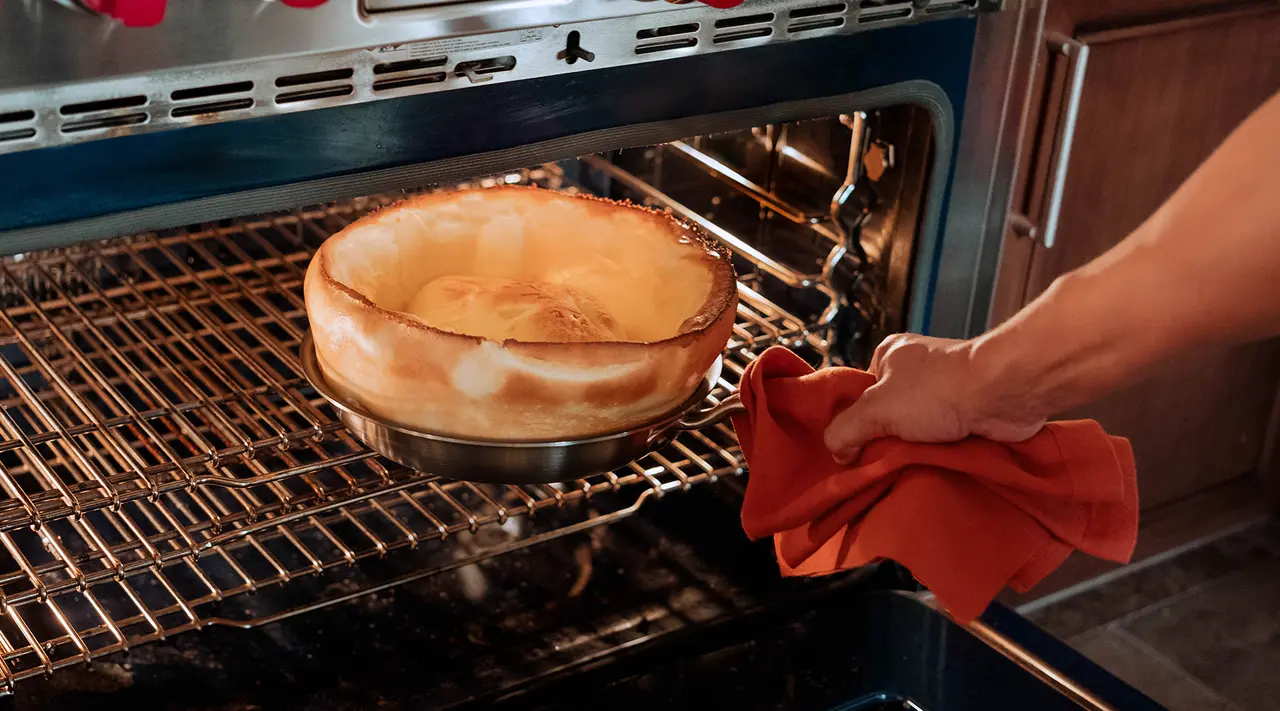
- Use an oven mitt or handle cover rated for the pan’s expected heat.
- Avoid placing a cold pan into a very hot oven to prevent thermal shock when using enamelware.
If you need to change cookware mid-cook, move food carefully to an oven-safe dish rather than risk a suspect pan.
My Personal Experience and Tips
Can You Put a Frying Pan In The Oven? From years of home cooking and testing, here are lessons I learned the hard way. I once finished a steak in a cast iron pan at 500°F and got a perfect crust. I also accidentally ruined a pan by putting a plastic-handled stainless pan into a hot oven. That pan’s handle warped and the finish blistered.
Tips I trust from hands-on use:
- Use cast iron for high-heat oven finishing. It holds heat and gives a consistent sear.
- Reserve nonstick pans for low- to mid-temperature baking. Don’t use them for broiling.
- If you test a new pan, try a short run at a moderate temperature first. Inspect after cooling.
- Keep an inexpensive oven-safe trivet or pan lid handy for moving hot pans out of the oven.
These small habits save time and avoid replacing cookware.
Recipes That Benefit from Oven Use
Can You Put a Frying Pan In The Oven? Many recipes become better when you start on the stovetop and finish in the oven. Try these examples.
- Steak or pork chops: Sear on the stove, finish at high oven heat for even doneness.
- Frittatas and crustless quiches: Saute ingredients on the stove, then slide the skillet into the oven to set.
- Pan-roasted chicken thighs: Brown skin, then roast to finish cooking and crisp the skin.
- One-pan pizzas and flatbreads: Start in a hot pan and finish to melt cheese and crisp edges.
- Vegetables with a sauce: Sear then roast to concentrate flavor and caramelize.
For most of these, a cast iron or oven-proof stainless pan is ideal. Nonstick pans can work for low-heat finishes, but they won’t give a crisp crust like cast iron.
Quick practical answers you may be looking for
Can You Put a Frying Pan In The Oven? Often yes, if the pan is oven-safe. Here are short, direct answers to common quick questions.
Will nonstick pans survive the oven? Nonstick pans can survive moderate oven temps, but avoid very high heat to protect the coating.
Can you broil with a frying pan? Broiling is harsh. Use a pan rated for broil temps, prefer metal and avoid nonstick.
Is it safe to put a pan with a silicone handle in the oven? Many silicone handles are oven-safe up to 400°F; always check the manufacturer’s limit.

Frequently Asked Questions of Can You Put a Frying Pan In The Oven?
Will putting my nonstick frying pan in the oven ruin it?
Nonstick pans are often safe at low to medium oven temperatures, but high heat can degrade the coating. Check the pan’s temperature rating and avoid broil-level heat unless the maker confirms safety.
How hot can cast iron frying pans go in the oven?
Cast iron can handle extremely high temperatures, commonly 500°F and higher, making it great for searing and oven finishing. Enameled cast iron also tolerates high heat but check the manufacturer for exact limits.
Can the handle on my frying pan melt in the oven?
Yes, handles made of plastic, wood, or glued materials can melt or catch fire if exposed to high oven temperatures. Only use pans with metal or explicitly oven-safe handles.
Is stainless steel frying pan safe for oven roasting?
Most stainless steel pans are oven-safe up to around 500°F, especially if they have metal handles and no glued parts. Verify with the product guide when possible.
What should I do if my pan smokes or the coating peels in the oven?
Turn off the oven, open windows, and remove the pan carefully with heavy mitts. If the coating peels, discard or recycle the pan and avoid using it for food.
Conclusion
You can put a frying pan in the oven in many cases, but it depends on the pan’s material, handle, and coating. Cast iron and metal-handle stainless pans are your safest choices for high-heat oven cooking. Nonstick and decorative pans need more care and lower temperatures. Start by checking the pan, plan your temperature, and use safe habits like oven mitts and gradual heating.
Takeaway: Know your pan, respect its limits, and use the right tool for your recipe. Try finishing a seared steak or a frittata this week with an oven-proof pan, and leave a comment about how it turned out or any pan questions you have.

