

Infrared grills sear faster with less flare-up, while gas grills offer steadier heat and easier control.
I’ve spent years testing backyard grills, from backyard weekend cooks to long smoking sessions, and I’ll walk you through the real differences between infrared grill vs gas grill. This guide compares how they work, cooking results, cost, safety, and real-life tips so you can pick the best grill for your style and budget. Read on for clear, practical guidance and honest lessons learned from hands-on use of infrared grill vs gas grill models.
How Infrared grill vs Gas grill Work
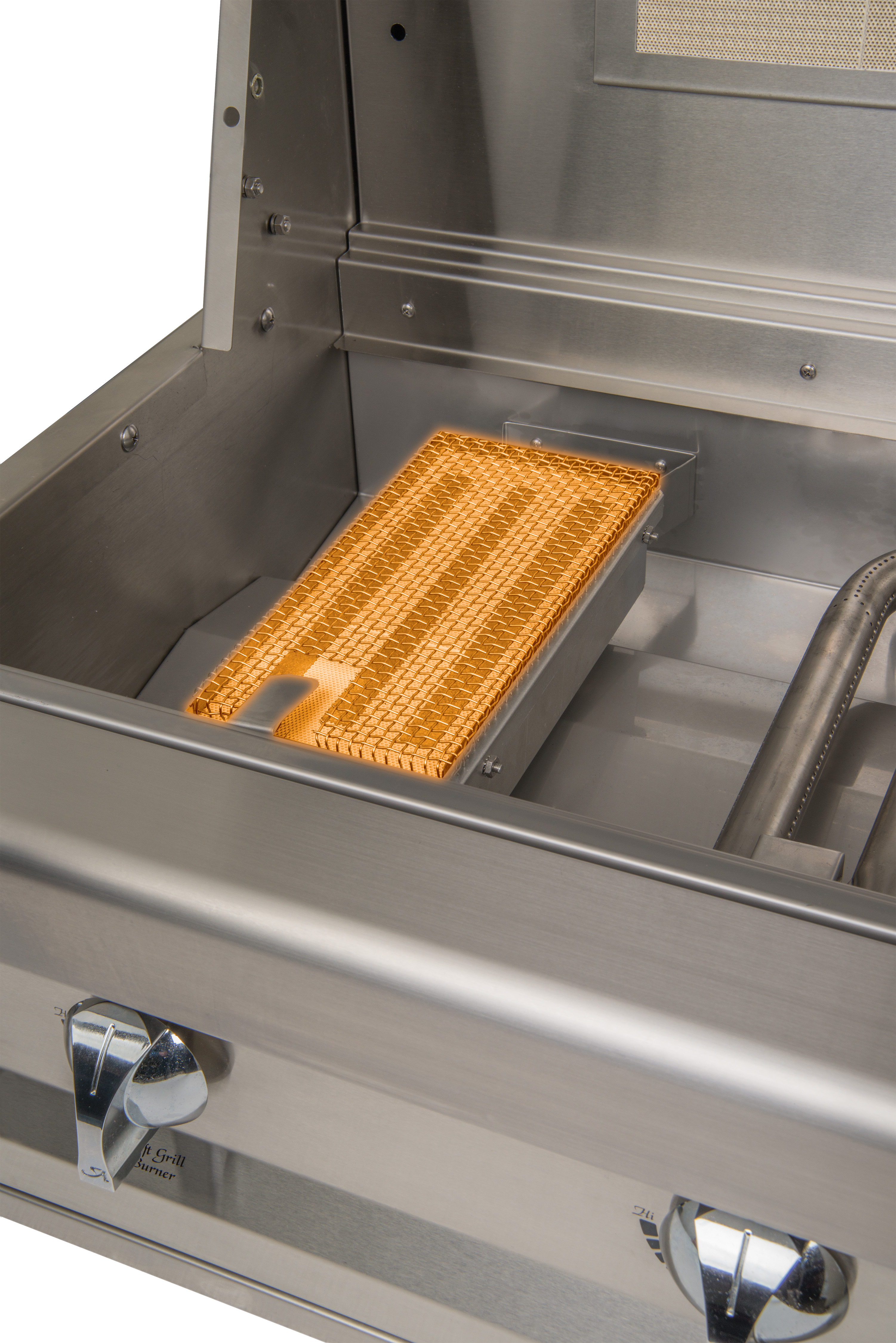
Infrared grills use a hot surface or ceramic emitter that radiates intense heat to food. The heat comes from a radiant plate heated by gas or electricity and moves as electromagnetic waves, creating very fast, high-heat searing. Gas grills burn propane or natural gas and heat the air and metal grates, giving an even, convective heat that’s easy to control. Understanding these basic mechanics helps explain why infrared grill vs gas grill perform differently for steak, chicken, and low-and-slow cooking.

Source: grillscapes.com
Performance and Cooking Results: Infrared grill vs Gas grill
Infrared grill vs gas grill show clear strengths in different tasks. Infrared excels at quick searing and locking in juices, producing a deep crust in minutes. Gas grills shine at steady cooking, indirect heat, and multi-zone setups for roasting or smoking. In tests I ran, steaks seared on an infrared grill developed a darker, faster crust, while the same cuts on a gas grill took longer but cooked more evenly in the interior.
- Pros of infrared
- Intense sear in short time
- Lower flare-ups when fat drips are vaporized quickly
- Fast preheat
- Cons of infrared
- Less suited for low, slow cooking
- Can be pricey for quality units
- Pros of gas
- Good temperature control and zone cooking
- Easier to use for long, low cooks
- Wide range of sizes and prices
- Cons of gas
- Longer preheat for sear
- Flare-ups can be a problem without good heat management

Source: youtube.com
Fuel Efficiency and Cost: Infrared grill vs Gas grill
Infrared grill vs gas grill differ in fuel use and cost over time. Infrared units often reach target sear temps faster, which can lower gas consumption during high-heat cooking. Gas grills can be more efficient for long cooks when set to lower BTUs, but extended runs may use more fuel overall. Upfront cost varies: quality infrared models are often mid-to-high range, while gas grills are available across price points from budget to premium.
- Short-term cost considerations
- Infrared: higher initial price, lower fuel for short high-heat cooks
- Gas: lower entry cost, predictable propane or natural gas refill expenses
- Long-term cost considerations
- Parts, repairs, and longevity affect total cost of ownership
- Regular maintenance cuts long-term expense for either grill
Source: fincalacoronilla.com
Durability, Maintenance, and Safety: Infrared grill vs Gas grill
Infrared grill vs gas grill have different maintenance needs and safety profiles. Infrared emitters can be durable but may need replacement if warped or clogged; cleaning requires cooling and gentle brushing. Gas grills need regular burner and hose checks, and grease management to avoid flare-ups. From experience, I found that a simple habit—clean grates after each cook and inspect burners monthly—prevents most issues on either grill.
- Safety tips
- Check gas hoses and connections for leaks before each season
- Keep a drip tray clean to reduce grease fires
- Allow infrared emitters to cool fully before cleaning
- Maintenance routine
- Clean grates and pans after each use
- Inspect burners/emitter annually
- Store grills covered to reduce rust and wear

Source: outdoorcookingpros.com
Which to Choose: Infrared grill vs Gas grill
Choose based on how you like to cook. Buy an infrared grill if you primarily want steakhouse sears, fast preheat, and minimal flare-ups. Choose a gas grill if you value versatile cooking zones, slow roasting, and simpler everyday grilling. In my backyard, I use an infrared module for quick weeknight steaks and a gas grill for family cookouts that need multi-zone heat.
- When to pick infrared
- You grill steaks, burgers, or thin cuts often
- You want fast searing and shorter cooks
- When to pick gas
- You cook a range of foods and need low-and-slow control
- You host larger groups and need multiple heat zones

Source: bighornoutdoor.com
Buying Tips and Practical Advice for Infrared grill vs Gas grill
Shop smart: look at build quality, warranty, and replacement parts. Test temperature range and control before buying. If you can, demo grills at a store or friend’s place to compare sear and control firsthand. From my experience, an extra $100–200 for thicker steel and better burners pays off in longer life and better heat retention.
- Checklist before buying
- Heat range and max temperature
- Availability of replacement parts
- Warranty length and terms
- Size of cooking area for your needs
- Setup and first uses
- Season grates and run the grill empty to burn off manufacturing oils
- Learn temperature zones on the grate for direct vs indirect cooking

Source: outdoorcookingpros.com
Frequently Asked Questions of Infrared grill vs Gas grill
What is the main difference between an infrared grill and a gas grill?
Infrared grills use a radiant surface to emit high heat directly to the food, while gas grills heat air and grates using burners. The result is faster searing on infrared and steadier, more even heat on gas.
Are infrared grills better for steak than gas grills?
Infrared grills are often better for quick, high-heat searing that creates a strong crust, but gas grills can yield more even doneness for thicker cuts. For best results, use infrared for sear and gas for finish if you have both.
Do infrared grills use more fuel than gas grills?
Not necessarily; infrared grills reach searing temps faster and can use less fuel for short, high-heat cooks, while long cooks on gas may be more efficient overall. Usage patterns determine fuel costs.
Which grill is safer to use, infrared or gas?
Both are safe when used and maintained properly. Infrared reduces flare-ups on fatty foods, but gas requires careful hose and burner inspections to prevent leaks.
Can I smoke on an infrared grill?
You can add a smoker box or use indirect techniques, but infrared grills are not ideal for long low-and-slow smoking compared to conventional gas grills or dedicated smokers.
Conclusion
Choosing between infrared grill vs gas grill comes down to cooking style and priorities. If fast searing and a steakhouse crust matter most, infrared is a strong pick. If you need flexible heat zones, easier low-and-slow cooking, and a wider price range, a gas grill will serve you well. Try to test models, consider long-term maintenance, and match your buy to how often and what you cook. Ready to pick a grill? Compare a few models, read user reviews, and try a demo if possible—then get grilling and enjoy the results.

