

Liquid smoke is a concentrated liquid made by condensing smoke from burning wood.
I have spent years cooking, testing flavors, and explaining food science to home cooks and chefs. This article answers What is Liquid Smoke in clear, practical terms, explains how it’s made, covers safety and uses, and gives tips you can use today. Read on to learn when to use liquid smoke, how to dose it, and what to watch for when buying and storing it.

What is Liquid Smoke?
Liquid smoke is a flavoring made by capturing the smoke from burning wood and condensing it into a liquid. The condensed smoke contains the aromatic compounds that give wood-smoked foods their smell and taste.
A short history shows that liquid smoke was developed to create smoke flavor without a smoker. It helps home cooks and food makers add smokiness quickly and consistently. Knowing what is liquid smoke helps you choose how and when to use it in recipes and when to prefer real smoking instead.
:max_bytes(150000):strip_icc()/liquid-smoke-overview-335486-hero-01-12847733341544ed916a79f9155ceb62.jpg)
How Liquid Smoke Is Made
Liquid smoke production starts with burning hardwoods like hickory, mesquite, or apple. The smoke is routed through a condenser where it cools and turns into liquid.
This liquid is filtered to remove creosotes and unwanted particles and then sometimes diluted with water or vinegar. Commercial makers test the final product for safety and consistency to ensure the flavor compounds are at appropriate levels.
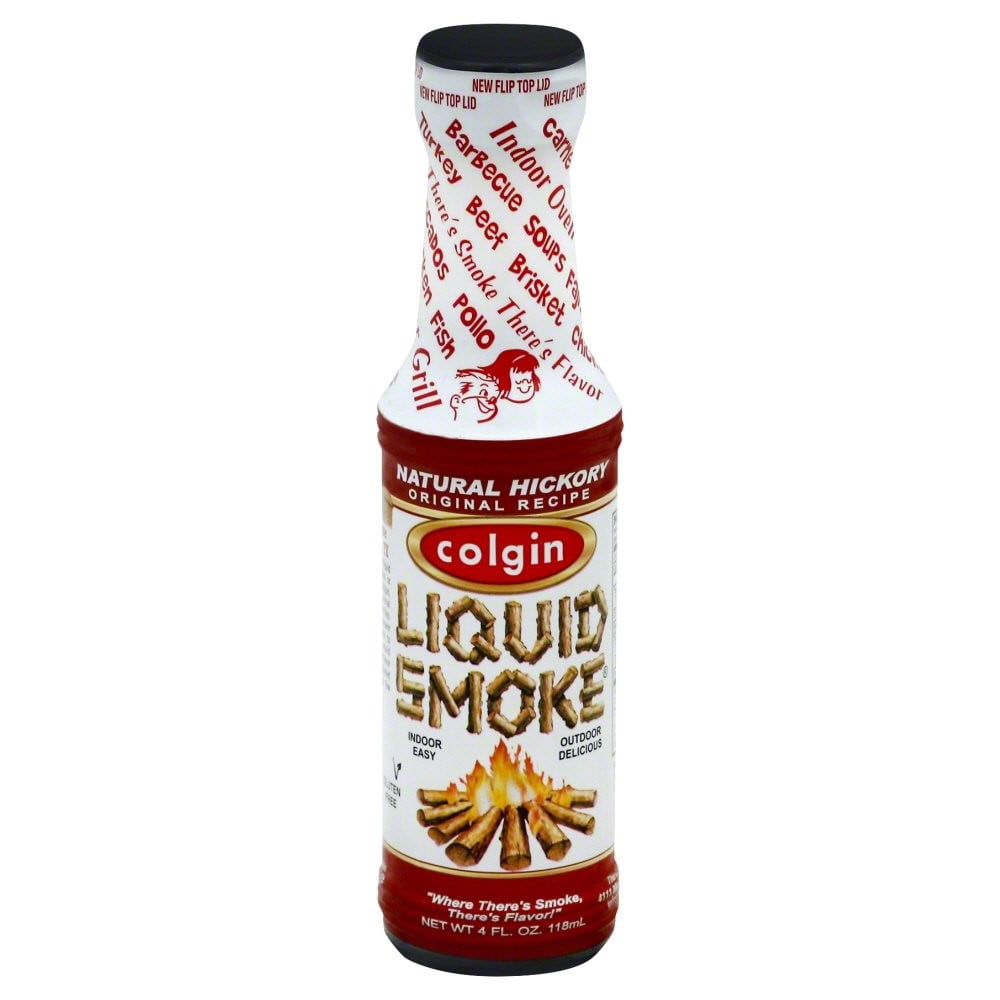
Types and Ingredients
Liquid smoke comes in several forms. Some are pure smoke condensates, while others mix smoke with water, vinegar, or salt for different flavor profiles.
Common ingredients include
- Wood smoke condensate
- Water or vinegar
- Natural or artificial flavorings in some brands
- Small amounts of preservatives in certain commercial products
When comparing brands, look at the ingredient list to understand concentration and added salts or sugars.

Culinary Uses and Flavor
Liquid smoke adds smoky aroma and taste to foods without long smoking times. It’s ideal for sauces, marinades, soups, barbecue rubs, and vegetarian dishes that need a smoky hit.
Use sparingly because it’s concentrated. A few drops can replace hours in a smoker. It blends well with tomato-based sauces, baked beans, and plant-based proteins to mimic grilled or smoked notes.
:max_bytes(150000):strip_icc()/liquid-smoke-1-17de0634374741f198a68c7f6d040c52.png)
Safety, Health, and Regulations
Liquid smoke is regulated as a food ingredient and is generally recognized as safe when used in small amounts. Tests show that properly produced liquid smoke has far lower levels of harmful compounds than direct smoking of food.
Still, avoid overuse and choose reputable brands that filter and test their products. If you have specific health concerns, consult a health professional about smoke-derived compounds in your diet.
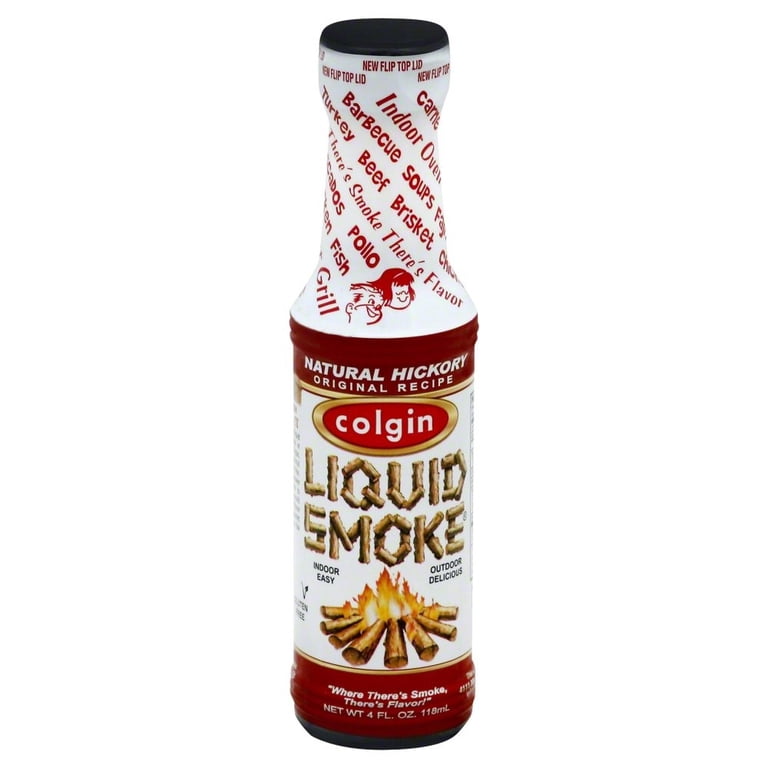
How to Use Liquid Smoke: Tips and Dosage
Start with very small amounts. Try 2–3 drops for a cup of sauce and taste before adding more.
Mix liquid smoke into marinades, sauces, or finishing glazes instead of applying it directly to raw meat. For vegetarian cooking, add it to beans or tofu to simulate a smoked flavor. Always stir and let the mixture rest a few minutes so flavors meld.

Substitutes and Alternatives
If you prefer not to use liquid smoke, you can try several alternatives.
Options include
- Using smoked paprika or chipotle powder for a smoky note
- Cold smoking with a smoking gun for small batches
- Real smoking over wood for authentic depth
Each alternative gives different results, so choose based on time, tools, and desired flavor intensity.
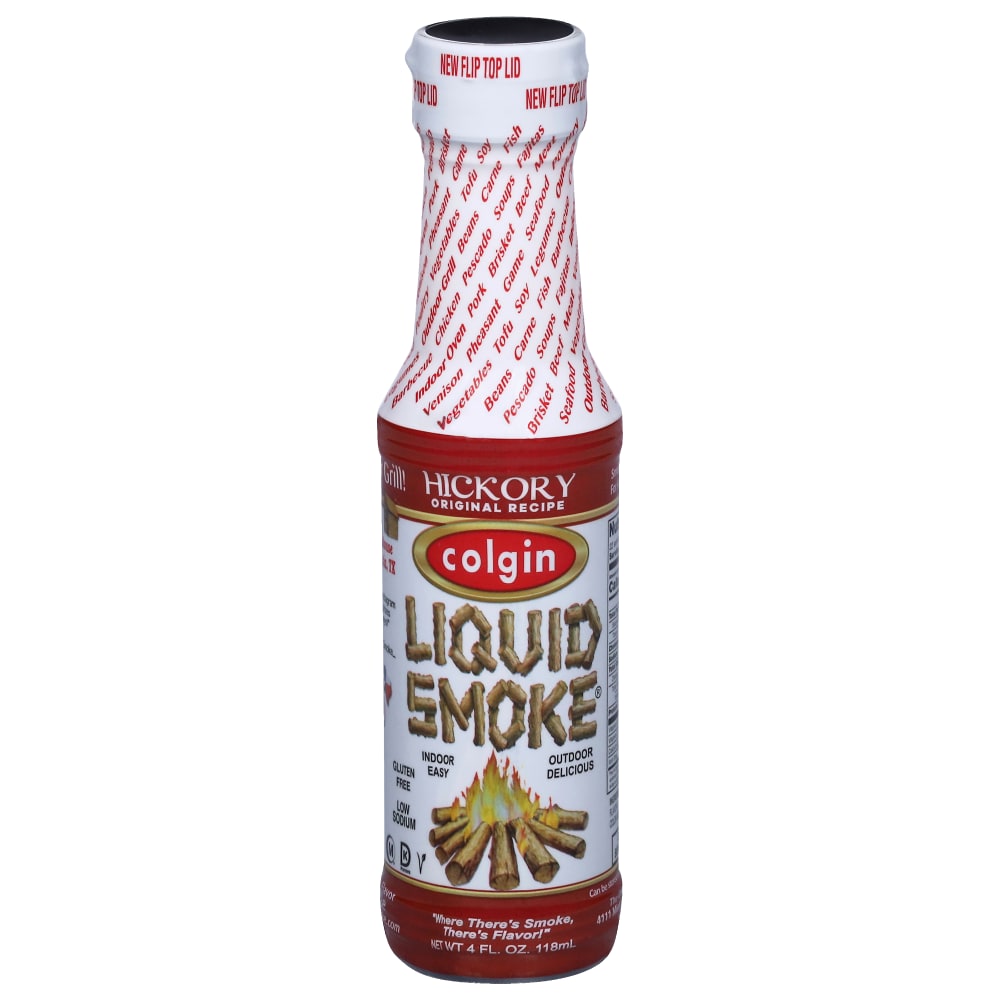
Buying, Storing, and Shelf Life
Buy liquid smoke from trusted brands and check the label for added ingredients and salt content. Bottles are usually shelf-stable until opened.
After opening, store liquid smoke in a cool, dark place or refrigerate for longer freshness. Expect a shelf life of many months to a few years depending on formulation and storage conditions.
:max_bytes(150000):strip_icc()/liquid-smoke-overview-335486-f4655ad67ba84dc698be37bab2551f82.png)
Personal Experience and Practical Tips
I used liquid smoke for years when I lacked a smoker. A little goes a long way, and I learned to add it late in the cooking process for the best aroma. Once, I added too much to a barbecue sauce and had to dilute it with more tomatoes and a touch of sugar — a mistake that taught me to always taste as I go.
Tips I use often
- Start with a drop or two and build up slowly.
- Combine liquid smoke with acid like vinegar or lemon to balance flavors.
- Label bottles with the brand and date opened to track freshness.
Frequently Asked Questions of What is Liquid Smoke
What is Liquid Smoke made from?
Liquid smoke is made by condensing the smoke from burning hardwoods. The smoke is captured, cooled, and filtered to create a liquid flavor concentrate.
Is liquid smoke safe to eat?
Yes, when used in small amounts it is generally recognized as safe. Reputable manufacturers filter and test for harmful compounds.
Can liquid smoke replace traditional smoking?
Liquid smoke can mimic smoke flavor but cannot replace the texture and layered complexity of true smoking. It’s a fast and convenient alternative.
How much liquid smoke should I use?
Use it sparingly. Start with a few drops for a cup of sauce and taste before adding more to avoid overpowering the dish.
Does liquid smoke contain carcinogens?
Properly processed liquid smoke has much lower levels of harmful compounds than direct smoking. Manufacturers test products to meet food safety standards.
Can I use liquid smoke in vegetarian dishes?
Yes. It is an excellent way to add smoky flavor to beans, tofu, tempeh, and vegetables without meat.
Will liquid smoke make my food taste artificial?
If overused or if the brand uses artificial flavors, it can taste artificial. Choose pure smoke condensates and use small amounts to maintain a natural flavor.
Conclusion
Knowing What is Liquid Smoke lets you use it wisely to add depth and smoky aroma without a smoker. It’s a practical tool for quick flavor, but it works best when used carefully and combined with balanced ingredients. Try a few drops, taste often, and tweak recipes to your preference. If you found this useful, try a small experiment in your next meal, leave a comment with your results, or subscribe for more practical cooking tips.

