

Uneven oven cooking usually comes from hot spots, bad calibration, poor airflow, or worn parts.
I’ve worked on ovens and tested home cooks’ appliances for years, so I know why your oven cooking food unevenly happens and how to fix it. This article explains causes, quick tests, practical fixes, and when to call a pro, so you can stop guessing and start getting even bakes and roasts.

Why ovens cook unevenly: common causes
Many things can make your oven cooker unevenly. Most issues fall into these groups.
- Hot spots in the oven cavity from a faulty heating element or uneven heat distribution. These create areas that run hotter or cooler than the set temperature.
- Bad thermostat or thermostat calibration problems that cause the oven to run hotter or cooler than the dial says. That makes one side cook faster.
- Poor airflow because of blocked vents, crowded racks, or using the wrong pan shapes. Air needs to move to carry heat evenly.
- Worn or damaged parts such as a failing igniter, broken fan (in convection ovens), or a torn door gasket that leaks heat.
- Wrong rack position or not preheating. Placing food too close to the element or baking without preheating frequently causes uneven results.
I’ve seen home ovens with a 50°F variance top to bottom. Fixing the cause often turns uneven cooking into reliable results.
How to test and diagnose: easy checks you can do today
Testing is simple and low cost. Do these checks before spending money on repairs.
- Use an oven thermometer. Place it center-front, center-back, left, and right. Run at 350°F for 15 minutes and compare readings.
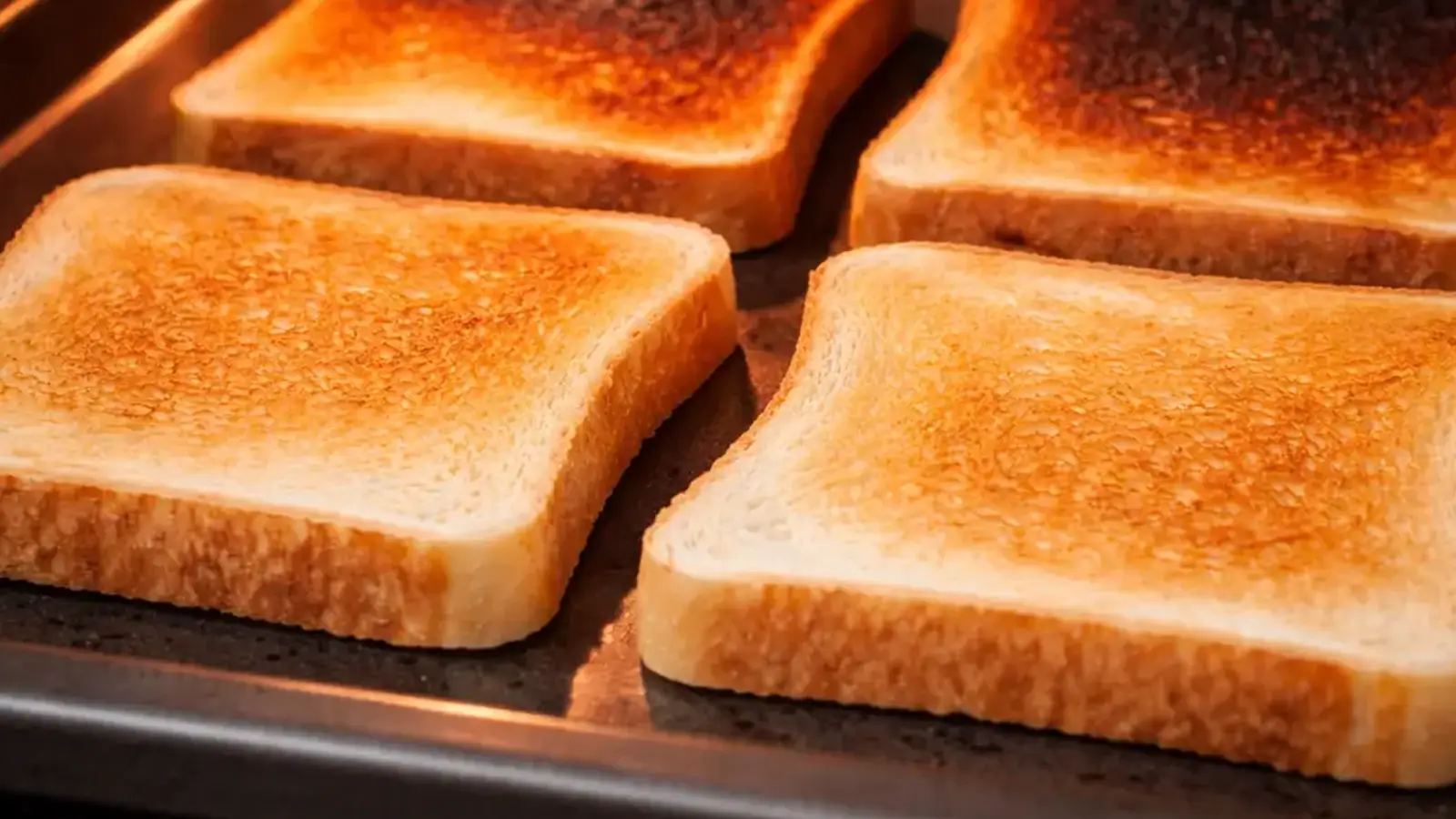
- The foil test. Lay a piece of aluminum foil on the center rack and roast slices of bread on each side. Look for rapid browning differences to spot hot spots.
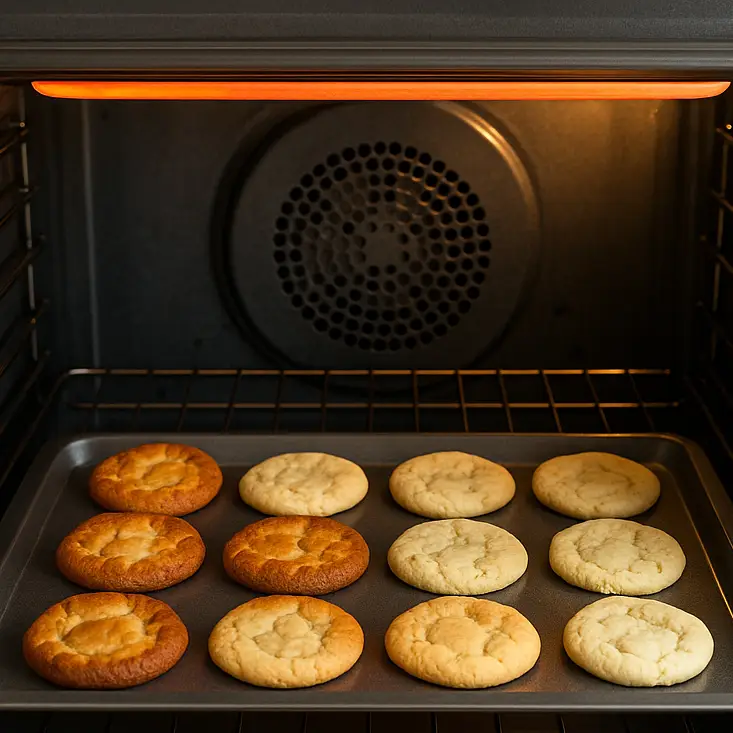
- Use multiple cookie sheets. Bake identical cookies on different racks at the same time. Compare browning and texture.
- Visual inspection. Look for black spots or blisters on the heating element, a ragged door seal, or a noisy fan.
- Check for error codes. Modern ovens show codes when parts fail. Consult your manual for basic troubleshooting.
These simple checks will tell you whether the problem is airflow, temperature control, or a failing part. If your oven cooking food unevenly shows a clear pattern, you’ll know the next step.
PAA-style quick questions inside diagnostic section
What does an oven thermometer tell me?
An oven thermometer shows actual cavity temperature. It reveals differences from your set temperature and highlights hot or cold zones.
How long should I preheat to avoid uneven cooking?
Preheat at least 15 to 20 minutes for most ovens. Give time for both the element and the cavity to stabilize before placing food in.
Practical fixes: quick wins and longer fixes
Match the fix to the cause you found. Start with low-cost steps before replacing parts.
- Reposition racks. Place the rack in the center for most baking, and avoid placing pans too close to the top or bottom element.
- Rotate pans. Rotate and swap pans between racks halfway through baking to reduce the effect of hot spots.
- Use an oven thermometer and adjust temperature. If your oven reads consistently high or low, lower or raise the set temp by 10–25°F as needed.
- Improve airflow. Avoid overcrowding. Use low-sided trays and leave gaps around pans for air to circulate.
- Swap bakeware. Dark, thin pans brown faster. Use light-colored, heavy pans for more even baking.
- Use a baking stone or sheet pan as a heat diffuser. A preheated stone evens heat and smooths temperature swings.
- Clean the oven. Built-up grease and debris block heat and change airflow patterns.
- Replace door gasket. A tight seal keeps heat inside and prevents hot or cool spots near gaps.
- Repair or replace parts. Replace a broken fan in a convection oven, a faulty heating element, or a weak igniter to restore even heat.
If you need to change complex parts or don’t feel confident, calling a technician is the safe option. Small fixes often prevent bigger failures later.

When to call a professional
Sometimes the fix is more than a home job. Call a pro if you notice these signs.
- Large, persistent temperature swings on an oven thermometer despite calibration attempts.
- Visible damage to elements or electrical components, or burning smell when the oven runs.
- Repeated error codes or the oven fails to reach set temperatures.
- No airflow in a convection oven or loud grinding noise from the fan.
A certified technician can test electronic controls, replace sealed burners, and safely service gas ignition systems. Professional repair may cost more up front but can save money long term by extending oven life.

Oven maintenance to prevent uneven cooking
Regular care keeps ovens running evenly for years. These habits pay off.
- Clean regularly. Wipe spills and deep clean the cavity a few times a year to keep airflow steady.
- Check and replace seals annually if worn. A good gasket prevents heat loss and uneven cooking.
- Calibrate the thermostat. Many ovens allow simple temperature calibration via settings or oven control panel.
- Test with a thermometer seasonally. Periodic checks find drift before it ruins baking.
- Avoid foil covering vents. Foil can block airflow and cause hotspots if placed improperly.
- Use the right cookware. Opt for pans recommended for baking for best heat transfer.
- Level the oven. If your oven or range tilts, heat and liquids can pool and cook unevenly.
I learned these rules the hard way after a ruined birthday cake. A clean cavity and a fresh gasket fixed the issue without part replacement.
Common myths and mistakes
Myths spread fast, but some advice makes uneven cooking worse. Know the facts.
- Myth: Higher temperature fixes uneven cooking. Truth: Higher temps can burn edges while leaving the center raw and worsen hot spots.
- Myth: Foil on the bottom protects the oven. Truth: Foil can block heat flow and change the oven’s designed air patterns.
- Mistake: Using only one thermometer. Truth: One thermometer checks overall temp, but multiple spots find hot zones.
- Mistake: Ignoring preheat. Truth: Not preheating often causes inconsistent rise and browning.
- Myth: Convection always solves problems. Truth: Convection helps airflow, but if the fan is broken or air is blocked, it won’t help.
Addressing root causes is always better than applying quick tricks.

Frequently Asked Questions of Why is my oven cooking food unevenly?
Why is my oven cooking food unevenly on one side?
One side running hotter usually means a faulty heating element, blocked vent, or uneven airflow. Check the element and move a thermometer to the hotter side to confirm.
Can oven racks cause uneven baking?
Yes. Rack placement affects proximity to heating elements and airflow. Use the center rack for most baking and rotate pans when needed.
Will cleaning my oven make a difference?
Cleaning removes grease and carbon build-up that block airflow and absorb heat. Regular cleaning often improves temperature consistency and reduces hotspots.
Does using foil affect even cooking?
Foil can block vents and change how air moves inside the oven, which causes uneven heat. Use foil carefully and avoid covering vents or the entire rack.
How do I fix a convection oven that cooks unevenly?
Start by inspecting the fan and motor, then ensure vents are clear and the fan blades spin freely. If the fan is damaged or noisy, have it repaired or replaced.
How often should I calibrate my oven?
Calibrate if you notice consistent temperature drift, or test with a thermometer every few months. Small calibrations keep baking predictable and even.
Conclusion
Uneven cooking usually points to hot spots, poor airflow, thermostat issues, or worn parts — and most of these issues are testable and fixable. Start with simple tests: oven thermometers, rotating pans, and cleaning. Use the fixes listed here to improve results, and call a pro for broken elements, fans, or ignition issues.
Take action today: test your oven with a thermometer, try the foil or bread test, and apply one simple fix. If this helped, leave a comment about your oven’s results, subscribe for more appliance tips, or share this guide with a friend who bakes.

