

Clean your oven at least every 3 months for regular use; spot-clean spills right away.
I’ve cleaned ovens for years at home and advised friends and clients on safe, simple methods. This guide answers How often should I clean my oven? with clear rules, step-by-step methods, and hands-on tips so you can keep food tasting great, reduce smoke, and extend your oven’s life. Read on for a practical schedule, safety notes, and quick fixes you can use today.
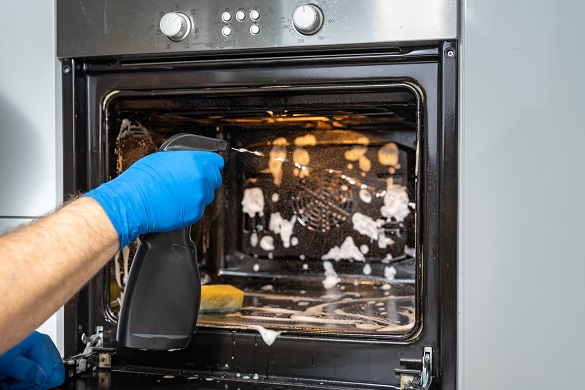
Why regular oven cleaning matters
A clean oven cooks more evenly. It also uses less energy and smells better. Built-up grease can smoke and change the flavor of food. Heavy grime can even affect oven sensors and lead to poor performance.
Cleaning prevents fire hazards. Grease and food bits can ignite at high heat. Regular cleaning protects your home and reduces repair needs. I once ignored a small spill and later faced heavy smoke and a costly repair. A little care then would have saved time and money.
:max_bytes(150000):strip_icc()/RealSimple_how-to-clean-an-oven_Hero-1_preview-083925dfbc534fec9c2882b9f7f6600e.jpg)
Source: realsimple.com
How often should I clean my oven?
How often should I clean my oven? The honest answer depends on use and type. Use the guidelines below to match your routine.
- Light use (baking a few times a month)
- Clean thoroughly every 3 to 6 months.
- Spot-clean spills immediately.
- Moderate use (weekly cooking or baking)
- Clean every 1 to 3 months.
- Do a quick wipe after each use when needed.
- Heavy use (daily cooking, roasting, greasy foods)
- Clean every month.
- Deep clean or run self-clean more often if buildup forms.
- After big spills or splatters
- Clean right away once the oven cools.
- Self-cleaning ovens
- Run the self-clean cycle 2 to 4 times a year depending on use.
- Professional deep clean
- Consider annually for heavy use or if you notice persistent issues.
How often should I clean my oven? Stick to this schedule and always address spills quickly. Small messes are easy to remove and prevent bigger jobs.
:max_bytes(150000):strip_icc()/RealSimple_how-to-clean-an-oven_STEP_03_preview-2920b0b52d6d49e29e467837e3266178.jpg)
Source: realsimple.com
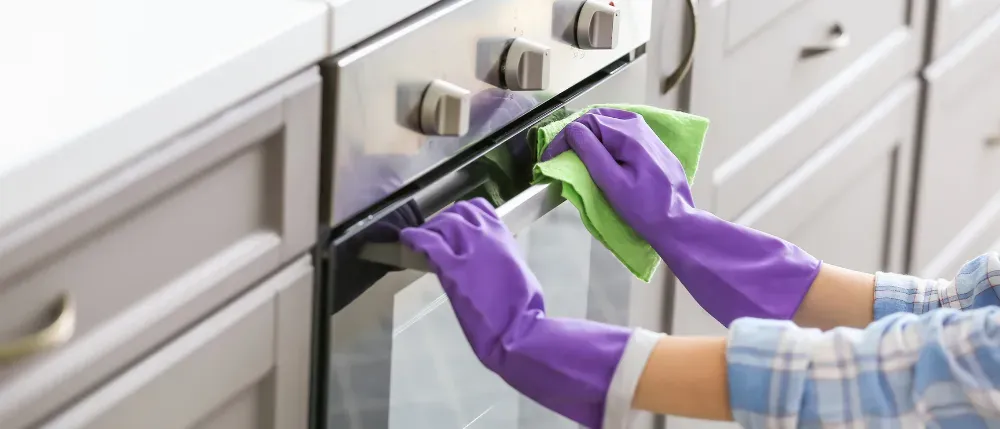
Signs your oven needs cleaning
Watch for clear signs so you don’t wait too long.
- Smoke or strong odors when heating
- These are classic signals of grease burning inside the oven.
- Visible grease, carbon, or food residue
- These reduce heat transfer and cause uneven baking.
- Uneven cooking or hot spots
- Buildup on racks and walls can alter heat patterns.
- A popping or sizzling sound when preheating
- That often means debris is burning off.
- Poor door seal or difficulty opening
- Buildup around seals can prevent proper closure.
Source: queencityonline.com
How do I know if my oven needs cleaning?
If you smell burning, see smoke, or notice food is cooking unevenly, it’s time to clean. A quick visual check after cooling often reveals grime and stuck-on food.
Will a dirty oven affect cooking times?
Yes. Grease and carbon can alter heat distribution. Expect longer preheating and uneven baking when the oven is dirty.
Safe cleaning methods and step-by-step guides
Pick the method that fits your oven type and comfort level.
Manual natural cleaning (baking soda and vinegar)
- Remove racks and loose debris.
- Make a paste with baking soda and water.
- Spread paste on oven interior and let sit 12 to 24 hours.
- Wipe out paste, spray vinegar to remove residue, and dry.
- Clean racks separately with hot, soapy water or in the dishwasher.
Commercial oven cleaners
- Use in a well-ventilated area and wear gloves.
- Follow product instructions exactly.
- Rinse thoroughly and ventilate the kitchen after use.
Self-clean cycle
- Remove racks if manufacturer advises.
- Wipe large spills first.
- Run the cycle and let the oven cool fully.
- Wipe out ash with a damp cloth.
Steam clean (if available)
- Add water per your oven’s instructions.
- Run steam-clean cycle for quick softening of grime.
- Wipe with a sponge once cool.
Safety tips
- Always let the oven cool before cleaning.
- Avoid abrasive tools that damage coatings.
- Check the user manual for model-specific guidance.

Source: youtube.com
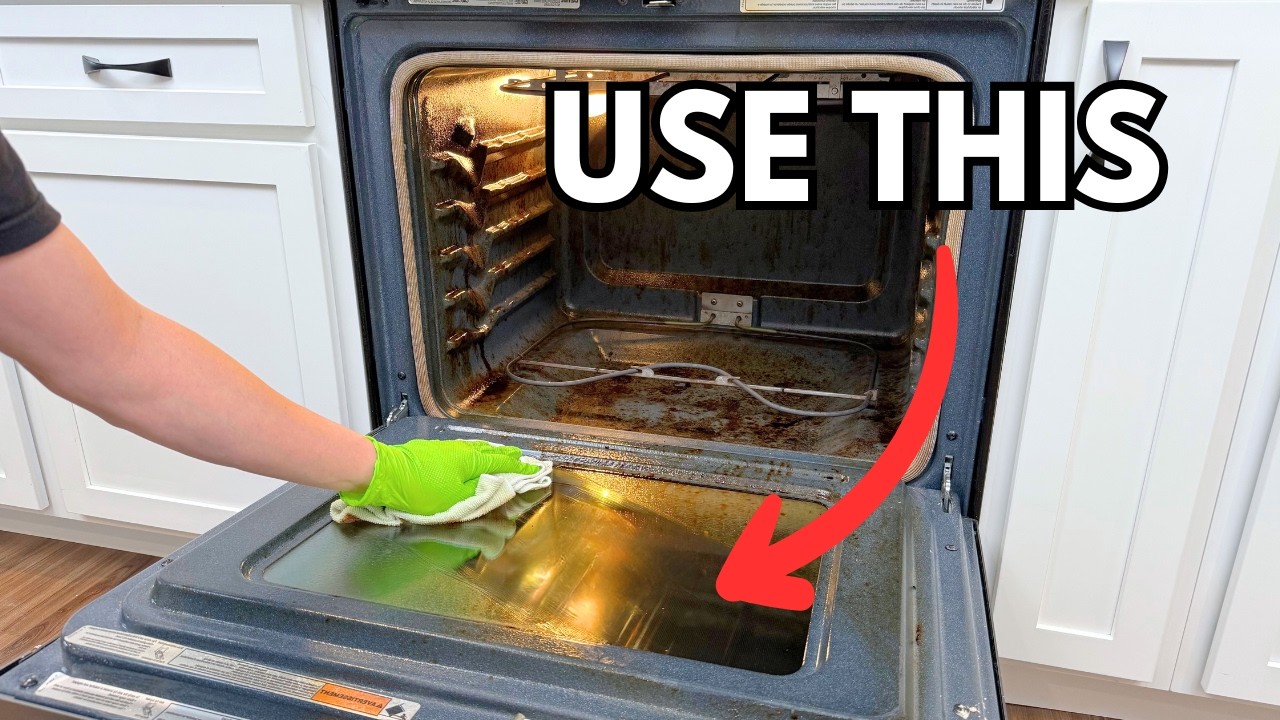
Self-clean cycles: pros, cons, and frequency
Self-cleaning uses very high heat to burn off residue. It’s convenient but needs care.
Pros
- Breaks down heavy grime with little scrubbing.
- Good for deep cleaning once or twice a year for moderate use.
Cons
- High heat can stress oven components over time.
- Not safe for all cookware or racks—check your manual.
- Can produce smoke or strong odors during the cycle.
How often to run it
- For moderate use: every 3 to 6 months.
- For heavy use: every 1 to 3 months.
- Avoid running it more than necessary to reduce wear.
Source: youtube.com
Common mistakes and tips from personal experience
I’ve learned a few things the hard way. Here are tips to save time and avoid damage.
Common mistakes
- Letting spills sit for months. Fresh spills scrub off easily.
- Using oven cleaners on coated interiors. That can strip finishes.
- Running self-clean every week. That increases wear without much benefit.
Practical tips
- Wipe spills after each cool-down. It’s faster than deep scrubs.
- Keep a spray bottle of warm vinegar for quick touch-ups.
- Use oven liners on lower racks, but avoid covering vents or fans.
- Test a small area first when using a new cleaner.
- Clean racks separately to make the job easier.
Personal note
- I once left a casserole spill for six months. It turned into hard carbon that took hours to remove. Now I wipe the oven after a big roast and never repeat that mistake.
Maintenance schedule and quick checklist
Follow this simple routine to stay on top of oven care.
Monthly checklist
- Wipe spills and splatters once cool.
- Check door seal and clean if dirty.
- Clean racks as needed.
Quarterly checklist
- Deep clean interior if you cook often.
- Run self-clean or manual deep clean for moderate use.
- Inspect heating elements for visible buildup.
Annual checklist
- Professional inspection if you notice odd smells, smoke, or inconsistent heat.
- Replace worn seals or parts as needed.
- Deep clean the oven and range hood filters.
Daily habits
- Use lids and baking sheets to minimize splatter.
- Keep a small towel to wipe quick messes.
Energy, safety, and cost benefits of regular cleaning
A clean oven costs less to run. Heat transfers better and preheat times fall. You also lower the risk of grease fires and reduce smoke that can trigger alarms.
Regular maintenance keeps appliances working longer. That delays costly repairs and replacements. Spending a little time now saves money later.
Frequently Asked Questions of How often should I clean my oven?
How often should I clean my oven if I only use it on weekends?
Clean thoroughly every 3 to 6 months and spot-clean spills after each use. Wiping down racks and the door monthly helps too.
Can I use oven cleaner on a self-clean oven?
Avoid heavy chemical cleaners after running a self-clean cycle. Follow the manual; some interiors use coatings that strong cleaners can damage.
Is it safe to cook in an oven right after cleaning?
Wait until the oven is fully dry and ventilated if you used liquids or cleaners. If you used a strong cleaner, run the oven empty at a low temperature briefly to ventilate.
Will cleaning my oven improve cooking performance?
Yes. Cleaning removes buildup that interferes with heat flow, so food cooks more evenly and preheat times often drop.
How can I remove burnt-on food without chemicals?
Use a baking soda paste and hot water, let it sit for several hours or overnight, then scrub gently with a non-abrasive pad.
When should I call a professional for oven cleaning?
Call a pro if you see electrical issues, persistent smoke after cleaning, or if grime is inside hard-to-reach parts. Annual checks are wise for heavy users.
Conclusion
Keeping your oven clean is simple and worth the effort. How often should I clean my oven? Follow use-based rules: spot-clean spills, deep clean every 1 to 3 months for regular cooks, and run self-clean cycles only as needed. Small, regular tasks prevent big jobs later and protect your kitchen and food.
Try one change this week: wipe your oven after the next big roast. If you found this guide helpful, subscribe for more practical home tips, leave a comment with your oven story, or share a cleaning hack that saved you time.

