

Most ovens fail to heat properly due to a faulty heating element, ignition issue, or incorrect power.
I’ve spent over a decade fixing kitchen appliances and teaching homeowners easy checks to find why an oven is not heating properly. This guide gives clear steps, real-life tips, and safe fixes so you can diagnose the issue fast, avoid common mistakes, and decide when to call a pro.
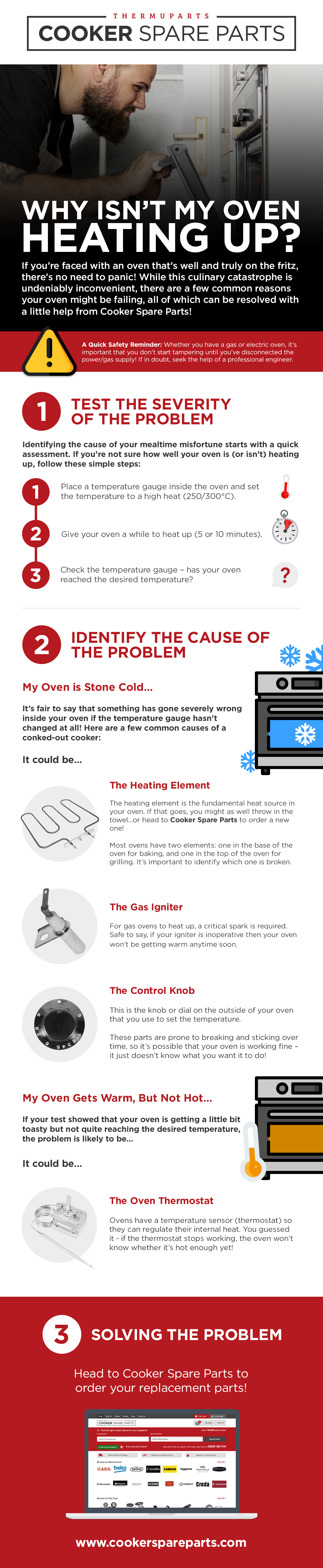
Common causes of an oven not heating properly
Many things can make an oven not heat properly. Some are simple to fix. Others need a technician.
- Faulty bake or broil element. Elements can burn out or crack after heavy use. If the element looks dark, warped, or doesn’t glow when on, it may be the cause.
- Weak or failing igniter (gas ovens). A weak igniter may glow but not open the gas valve, so the oven won’t reach temperature.
- Broken temperature sensor or thermostat. If the sensor reads wrong, the oven won’t cycle heat correctly.
- Faulty control board or relay. Electronic controls can fail and stop sending power to heating parts.
- Tripped thermal fuse or safety limit. These parts cut heat to prevent fires and can fail or trip.
- Power supply issues. A loose wire or a tripped breaker can mean the oven won’t get full power.
- Door seal or gasket problems. Heat loss through a bad seal can make the oven run cooler.
- Calibration or user error. The oven may need calibration or you might be using the wrong mode.
I’ve seen owners assume a bad oven control when the real problem was a simple blown element. Start with visible parts and easy tests first. This reduces cost and gets food on the table sooner.

How to diagnose why your oven is not heating properly
Diagnosing is a step-by-step process. Work from easy checks to more technical ones.
- Check power and settings
- Confirm the oven is plugged in and the circuit breaker is not tripped.
- Make sure you set bake or broil and the right temperature.
- Visual inspection
- Look at elements for breaks or dark spots.
- Smell for gas if you have a gas oven; if you smell gas, stop and call a pro.
- Temperature test
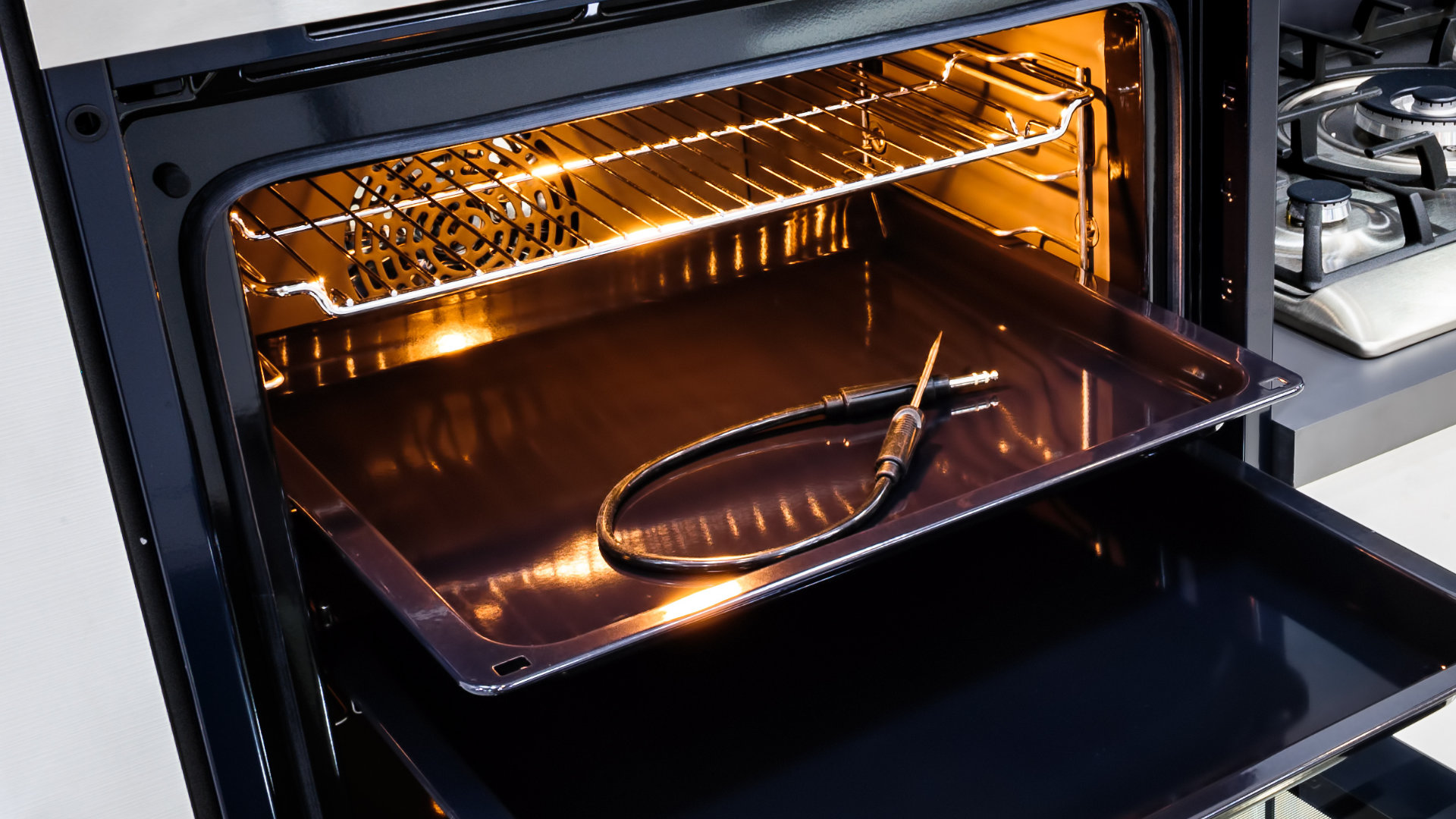
- Use an oven thermometer and bake at 350°F for 20 minutes.
- Compare thermometer reading to set temperature. A 10–20°F difference is common; larger gaps mean a problem.
- Element and igniter test
- Turn on bake or broil and observe. Electric elements should glow red; gas igniters should glow and then light gas.
- Error codes and diagnostics
- Check the oven display for error codes and consult the manual for troubleshooting steps.
- Sensor and continuity checks
- If comfortable with a multimeter, test the temperature sensor and element continuity. If you’re unsure, call a technician.
Quick tip from my experience: always start with the oven thermometer and a visual check. That small effort rules out calibration or obvious failures in minutes.

Most common parts that cause an oven not heating properly
Knowing the parts helps you target the repair.
- Bake element
- Electric ovens use this to heat. If it’s broken, the oven won’t reach temp.
- Broil element
- A broken broil element affects top heating but can still affect overall performance.
- Igniter (gas ovens)
- Weak igniters fail to open the gas valve. They wear out slowly, so performance drops before failure.
- Temperature sensor or thermostat
- A bad sensor gives wrong readings and causes underheating.
- Control board and relays
- Electronic failures stop power flow to elements.
- Thermal fuse and safety limit
- These safety parts may cut power if they fail or sense overheating.
- Door gasket
- A torn seal lets heat escape, making the oven work harder and run cooler.
I once replaced a control board for a client only to learn later the real issue was a cheap sensor. Always test the simpler parts first. This saves time and money.
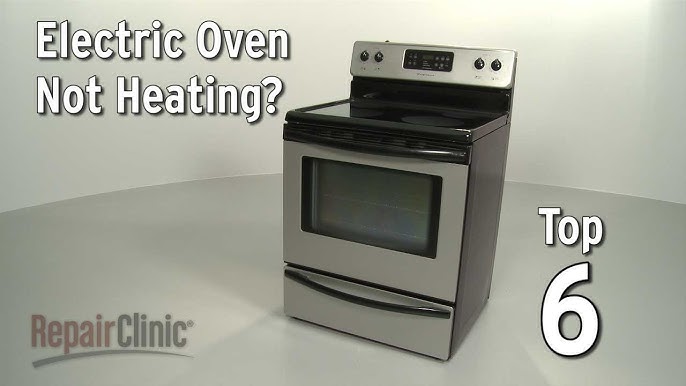
DIY fixes and safety tips for an oven not heating properly
Some fixes are safe for a confident DIYer. Others are risky and need a pro.
Safety first
- Turn off the breaker before working on electrical parts.
- For gas ovens, shut off gas supply if you will access internal parts. If you smell gas, do not attempt repairs.
Simple DIY steps
- Replace a broken element. Elements are cheap and usually easy to swap with a screwdriver.
- Re-seat wiring. Loose wires at terminals can be tightened safely when power is off.
- Clean the oven and sensor. Built-up grime near the sensor causes false readings.
- Calibrate the oven. Many ovens allow calibration via the control panel or by adjusting the sensor.
- Replace the oven light or small parts that are clearly damaged.
When not to DIY
- Any gas valve or gas line work. Call a licensed technician.
- Complex electrical board replacement if you lack experience.
- Troubleshooting with live voltage if you lack training.
From years of repairs, the most common DIY win is replacing a broken element. It’s fast, cheap, and often solves the problem.

When to call a professional about an oven not heating properly
Some signs mean it’s time to call a tech.
- You smell gas or detect a leak.
- The oven trips breakers repeatedly.
- Error codes point to control board failure.
- You’re unsure about electrical tests or gas components.
- The oven is under warranty — avoid voiding it with DIY repairs.
What to expect from a service call
- A technician will run diagnostics and quote repairs.
- Costs vary by part and labor. Element replacements are cheaper than control boards.
- If the oven is older, compare repair cost to replacement value.
I recommend professional help for gas ovens and any electrical work beyond tightening a loose wire. Safety and proper parts matter.
Preventive maintenance to avoid oven not heating properly
Small steps keep your oven working longer.
- Clean the oven regularly to prevent sensor obstruction and element damage.
- Inspect door seals yearly and replace if cracked.
- Avoid slamming the door or overloading racks to protect components.
- Run self-clean cycles sparingly; they stress parts.
- Schedule a professional tune-up every few years, especially for gas ovens.
A little care prevents many failures. I once extended a 15-year oven’s life by replacing a gasket and cleaning the sensor. It ran like new for years after.
PAA-style questions
What temperature difference is normal between set and actual oven temperature?
- A difference of 10–20°F is normal. Larger gaps suggest a calibration or part issue.
Can a dirty oven cause it not to heat properly?
- Yes. Grease and grime can block sensors and cause poor heat distribution.
How long does an oven element last?
- Elements often last 5–10 years depending on use. Visible damage or lack of glow indicates replacement time.
Is it expensive to replace an oven igniter?
- Igniters are moderately priced, but the total cost depends on labor and oven type.
Does unplugging the oven reset the control board?
- Unplugging or flipping the breaker can reset some control boards, but it won’t fix worn parts.
Frequently Asked Questions of Why is my oven not heating properly?
Why does my oven not reach the set temperature?
A failing element, bad sensor, or power issue often causes poor temperature rise. Use an oven thermometer and check elements visually to narrow the cause.
My gas oven won’t heat even though the igniter glows. What’s wrong?
A weak igniter may glow but not draw enough current to open the gas valve. Replace the igniter if it takes long to light or doesn’t reach full brightness.
The oven heats unevenly. Why are some spots hotter?
Uneven heating can come from warped racks, a damaged element, or a faulty convection fan. Rotate pans and test with an oven thermometer across shelves to find hot spots.
Can a control board cause the oven not to heat properly?
Yes. Control boards route power to heating parts. A failed board or relay can stop power flow, causing no heating or intermittent heating.
Is the oven door seal important for heating?
Very. A torn or loose gasket lets heat escape and forces the oven to run longer. Replacing the seal often restores proper temps.
Conclusion
You can often find and fix why your oven not heating properly by following simple checks and tests. Start with power, a thermometer, and a visual look at elements. Replace obvious faulty parts, clean sensors, and call a pro for gas or complex electrical issues. Take action now: test your oven with a thermometer, note symptoms, and decide whether a DIY fix or a technician is the best next step. If this guide helped, leave a comment or share your oven story so others can learn from your experience.

