

Yes — you can use aluminum foil in most ovens when used safely and correctly.
As a longtime home cook and kitchen writer, I’ve tested foil in many ovens and recipes. This guide answers "Can I use aluminum foil in the oven?" clearly and fully. You’ll learn when foil is safe, when to avoid it, step-by-step safe methods, practical swaps, and real tips from my kitchen trials. Read on to avoid mistakes and get the best results.
:max_bytes(150000):strip_icc()/GettyImages-1305835192-2e4d8b05f18447588636a655e61984f8.jpg)
Can I use aluminum foil in the oven? Why people ask this
Many people ask "Can I use aluminum foil in the oven?" because they want an easy fix for mess, crisping, or wrapping. Foil is cheap, heat resistant, and handy. But it can cause problems if used wrong, like blocking airflow, touching heating elements, or reacting with acidic foods. This section explains the common uses and concerns in plain terms.
:max_bytes(150000):strip_icc()/GettyImages-628014018-438857a0660f4eaa8fa656ab84145d4c.jpg)
Is using aluminum foil in the oven safe?
Short answer: yes, with rules. Aluminum foil itself melts far above normal cooking temperatures, so it won’t liquefy during baking. The main safety issues are electrical sparks if foil touches heating elements, heat reflection that changes cooking time, and blocked air flow in convection ovens. Studies and food-safety guidance show normal oven use poses minimal health risk from aluminum transfer, though acidic foods can increase metal migration slightly.

When not to use aluminum foil in the oven
Avoid foil in these scenarios to prevent damage or poor results:
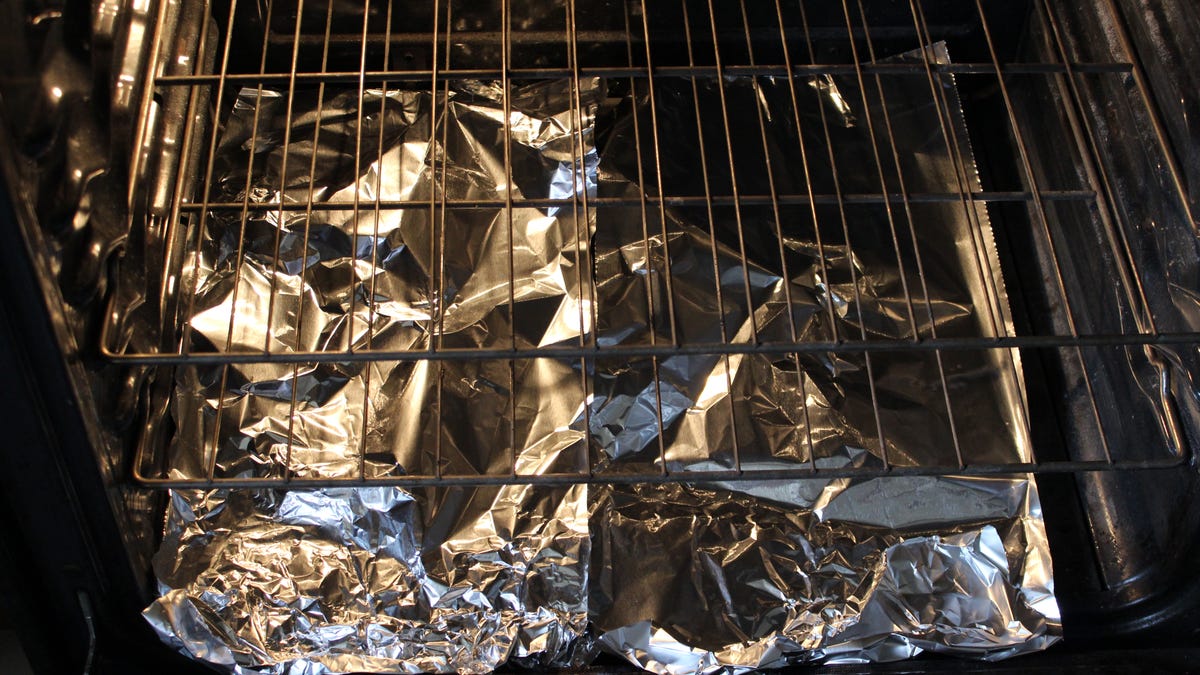
- Lining the oven floor. This can trap heat, block ventilation, and melt under direct contact with elements.
- Under a broiler. Broiling uses direct, intense heat that can cause foil to smoke or burn if it touches the element.
- Contact with heating elements. Foil touching elements can spark or stick and may damage the oven.
- Wrapping very acidic foods for long times. Tomato, lemon, or vinegar-rich dishes can leach small amounts of aluminum.
- Gas ovens where foil can block airflow or drip back to burners, causing uneven heat or safety hazards.

How to use aluminum foil in the oven safely
Follow these practical steps to keep cooking safe and effective:
- Line pans, not racks. Place foil inside a pan to catch drips rather than wrapping a rack or lining the oven floor.
- Create a loose tent. Shield cooking meats with a tent of foil to prevent over-browning while allowing steam to escape.
- Avoid element contact. Leave space between foil and any heating element to prevent arcing or melting.
- Use heavy-duty foil for high heat. Thin foil tears easily. Heavy-duty makes a stronger shield and holds shape better.
- Don’t seal acidic foods for long. Short bakes are fine. For long roasts with vinegar or tomato, use a glass or ceramic lid if possible.
- Check convection circulation. In convection ovens, don’t block vents or cover multiple racks with foil; airflow is essential.
Does foil orientation matter?
You may have heard that the shiny side or dull side matters. In practice, the difference is negligible for most cooking tasks. Both sides reflect heat similarly. Focus instead on correct placement, avoiding element contact, and using the correct thickness.

Alternatives to aluminum foil
If you want different results or worry about foil, try these options:
- Parchment paper. Great for baking cookies, roasting vegetables, and nonstick coverage up to about 450°F.
- Silicone baking mats. Reusable, nonstick, and excellent for cookies and roasting.
- Glass or ceramic lids. Ideal for oven-to-table roasting and for acidic foods.
- Oven-safe covered dishes. Use for long braises instead of wrapping in foil.
- Disposable foil pans. Use these for transport but still follow safe oven placement rules.
Troubleshooting: common foil problems and fixes
Here are quick fixes to common issues:
- Foil stuck to food. Use a thin brush of oil or parchment to prevent sticking next time.
- Foil sparks. Turn the oven off and reposition foil away from elements. Do not use foil on racks near exposed elements.
- Uneven browning. Avoid covering the entire pan; tent only where needed and check earlier than recipe time.
- Foil creases causing hot spots. Smooth foil or use a heavy-duty sheet to reduce hot spots.
Personal experience and practical tips
I once lined a baking sheet with foil to speed cleanup for roasted vegetables. The foil caused steam pockets and the veggies steamed rather than crisped. After switching to a light oil and parchment, I got crisp edges and easier cleanup. Lesson learned: foil is great for drips and shields, but parchment often gives better texture. When tenting a turkey, I saw better browning by tenting loosely and removing foil for the last hour. These small tweaks make a big difference.
Frequently Asked Questions of Can I use aluminum foil in the oven?
Can I use aluminum foil in the oven directly on the rack?
You can, but it's not recommended. Foil on racks can block heat flow and may touch elements or drip into burners, creating hazards.
Can aluminum foil catch fire in the oven?
Aluminum foil itself does not catch fire at normal oven temps, but it can spark if it touches heating elements. Keep foil away from exposed elements and broilers.
Is it safe to cook acidic foods in aluminum foil?
Short cooks are generally fine, but long contact with acidic foods can increase aluminum transfer. For long braises with tomatoes or lemon, prefer glass or ceramic.
Can I put aluminum foil on the bottom of the oven to catch drips?
No. Lining the oven floor can trap heat, block vents, and damage the oven. Use a tray on a lower rack instead.
Does aluminum foil change cooking time or temperature?
Yes, foil reflects heat and can change browning and cook time if you cover food tightly. Tent loosely and adjust time as needed.
Is there a difference between heavy-duty and standard foil for oven use?
Heavy-duty foil is thicker and tears less easily, making it better for high-heat or structural uses like wrapping roasts. Standard foil is fine for light tasks and short bakes.
Can I use aluminum foil in a convection oven?
You can, but avoid blocking vents or covering multiple racks. Proper air flow is essential for even convection cooking.
Conclusion
Aluminum foil is a handy and generally safe tool for ovens when used with care. Use foil inside pans, tent to control browning, avoid contact with heating elements, and skip foil on the oven floor or under broilers. For acidic dishes or long cooks, choose glass, ceramic, or parchment instead. Try the tips here in your next bake and note how small changes affect crispness and cleanup. If this article helped, leave a comment, subscribe for more kitchen tests, or share a foil tip from your own kitchen adventures.

