

Most meat grinder problems stem from dull knives, jams, poor assembly, motor strain, and lack of cleaning.
I have spent years fixing and using grinders in home and small-shop settings. This guide on Common Meat Grinder Problems draws on hands-on experience and industry knowledge. You will get clear causes, simple fixes, and smart tips to avoid repeated failures. Read on to learn practical steps you can use today to keep your grinder running smooth and safe.
Why Common Meat Grinder Problems Happen
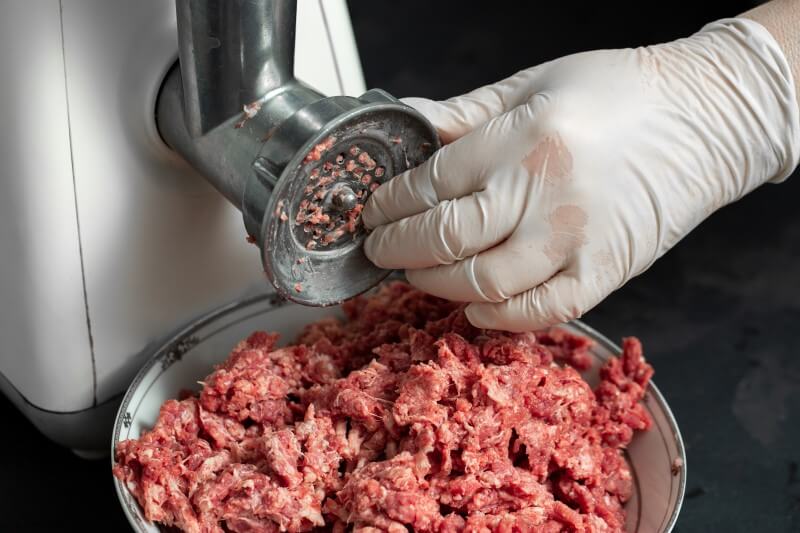
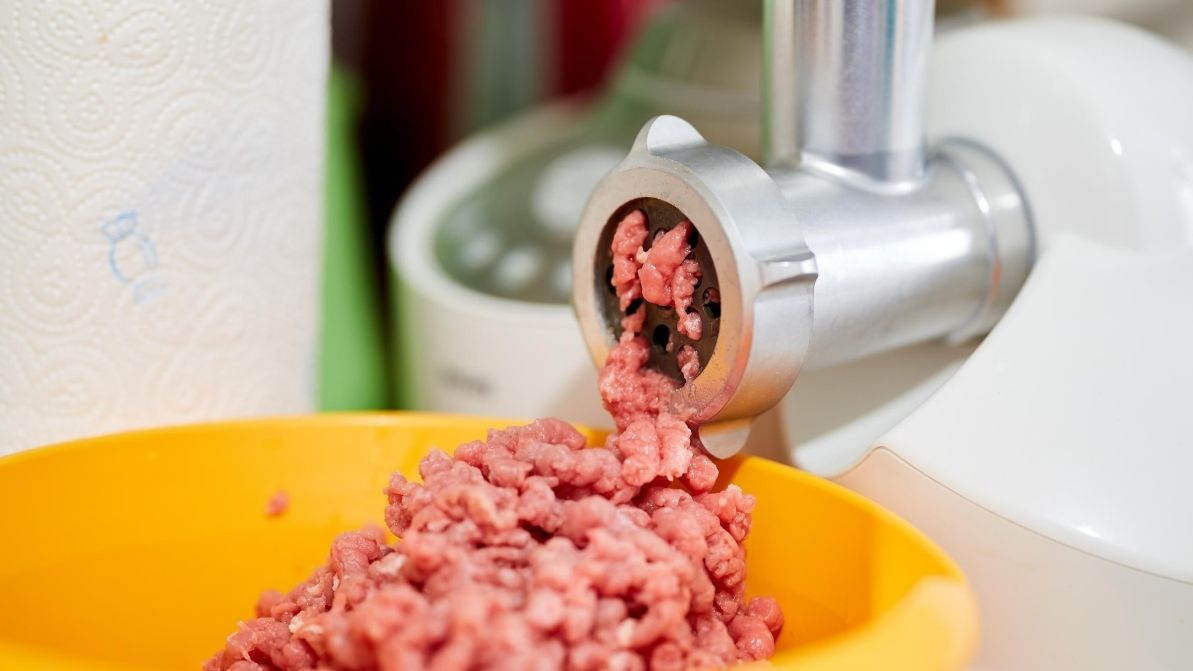
Common Meat Grinder Problems often come from small mistakes repeated over time. Dirt, dull parts, wrong cuts of meat, and poor assembly add stress to the motor. Many users skip simple care steps that would prevent most issues. Knowing why problems start helps you stop them early and save money.
Source: prorestaurantequipment.com
Common Meat Grinder Problems and Symptoms
Here are the frequent issues and what to watch for.
- Jamming and clogging — The machine stops pushing meat through. You may smell heat or see a paper-thin feed screw stuck with sinew.
- Dull blades and plates — Cuts are uneven and meat smears instead of cleanly sliced. Output looks mushy and grinds slowly.
- Overheating motor — Motor feels hot and may trip breakers or slow down. It may emit a burning smell.
- Strange noises and rattles — Grinding, screeching, or knocking can mean worn bearings, loose screws, or misaligned parts.
- Rust and corrosion — Metal parts show surface rust and cutting edges dull faster. Food safety is affected.
- Leaks or oil smell — Some units use grease in gearboxes; leaks lead to contamination and poor performance.
- Electrical faults — Unit won’t start or trips the house breaker. Could be wiring, switch, or motor issues.
Spot these signs early. Small fixes now avoid big repairs later.

Source: mirabake.com
Step-by-Step Troubleshooting for Common Meat Grinder Problems
Follow simple checks to diagnose most faults.
- Check assembly first
- Unplug the grinder. Remove the feed screw, blade, and plate.
- Reassemble carefully, matching parts and aligning the blade flat against the plate.
- Try running it empty. Many jams clear with correct assembly.
- Clear jams safely
- Never use your hand. Use the stomper or a wooden dowel to push meat through.
- If jammed, reverse the feed screw if your model supports it. If not, disassemble and clear debris.
- Fix dull blades and plates
- Inspect edges under light. If edges are rounded, sharpen or replace them.
- Replace plates if holes are warped. A fresh blade and plate restore output and reduce motor load.
- Address overheating and motor strain
- Let the motor cool for 15–30 minutes between heavy runs.
- Cut meat into smaller blocks and chill it well. Cold meat grinds cleaner and keeps the motor cool.
- If overheating persists, check for worn bearings or a failing motor and seek professional repair.
- Noise and vibration fixes
- Tighten all screws and bolts. Check for bent shafts or worn bearings.
- Replace loose or damaged parts. Balanced plates and tight housings cut noise.
- Rust and contamination
- Remove surface rust with a fine pad and food-safe oil. Deep rusted parts should be replaced.
- Always dry and oil metal parts lightly before storage.
Personal note: I once struggled with repeated jams on an older grinder. The real problem was a slightly warped plate. Replacing it stopped the jams and reduced heat. Small parts matter more than you think.
Source: mmequip.com
Maintenance and Care to Prevent Common Meat Grinder Problems
Preventive care keeps grinders reliable and safe.
- Daily cleaning routine
- Unplug and disassemble after use. Wash parts in warm, soapy water. Dry parts completely.
- Do not soak parts with wooden handles or motors. Wipe motors with a damp cloth only.
- Sharpen and rotate parts
- Sharpen blades every few months for frequent use. Keep a spare plate and blade on hand.
- Swap plates and blades evenly to avoid uneven wear.
- Lubrication and storage
- Apply a light coat of food-grade oil to metal parts before storing.
- Store in a dry place. Use silica packs in humid climates to cut rust risk.
- Safe use tips
- Always freeze meat slightly before grinding for best texture and less clogging.
- Remove tough tendons, bone chips, and excess connective tissue ahead of time.
- Feed meat in consistent, small chunks to lower stress on the motor.
- Scheduled checks
- Inspect electrical cord and plug for wear monthly. Replace damaged cords immediately.
- If your grinder has a grease-filled gearbox, follow manufacturer guidance for re-greasing.
From my shop work: a short cleaning habit after each use cut our repair calls by half. A quick rinse and oil saved time and money.

Source: com.au
When to Repair or Replace Your Grinder
Deciding to fix or replace depends on age, cost, and safety.
- Repair if:
- The issue is a wearable part like blades, plates, or a bearing.
- Repair cost is under half the price of a new grinder and the frame and motor shell are sound.
- Replace if:
- The motor fails or the gearbox is badly damaged. Motor rebuilds can be expensive and not always reliable.
- The frame is cracked or the unit shows heavy rust that could contaminate food.
- Safety and compliance
- For commercial use, replace older units that don’t meet current safety or hygiene standards.
- Keep records of repairs and parts replaced for shop audits or inspections.
Cost tip: Compare the price of a new inlet plate plus blade and labor vs a new machine. Often small, used, or entry-level grinders cost less to replace than to repair major motor faults.
Source: giraffyco.com
Frequently Asked Questions of Common Meat Grinder Problems
How do I stop my grinder from jamming?
Check the assembly and blade orientation first. Feed colder, smaller pieces of meat and remove tough sinew or bone to reduce jams.
Why does my grinder make a burning smell?
A burning smell often means motor strain or trapped meat heating the motor. Stop the machine, cool it down, and clear any jam or overloaded feed.
Can I sharpen the blade myself?
Yes, with a small file or stone you can re-sharpen blades at home. Replace blades that are too thin, warped, or damaged for safety.
Is it safe to wash grinder parts in a dishwasher?
Many parts are not dishwasher safe due to heat and corrosion risk. Hand wash and dry parts unless the manual explicitly allows dishwasher use.
How often should I sharpen or replace plates?
For heavy use, sharpen blades every few months and replace plates as soon as you see wear. Light home use may need less frequent service.
What causes strange rattles during grinding?
Rattles often mean loose screws, worn bearings, or a bent shaft. Tighten fasteners and inspect bearings; replace worn parts to stop the noise.
Conclusion
You can prevent and fix most Common Meat Grinder Problems with simple checks, good cleaning, and the right parts. Start with safe troubleshooting, keep blades sharp, and treat your grinder with steady care. Take small steps today—clean after each use, inspect parts monthly, and replace worn blades—to avoid bigger problems tomorrow. If this guide helped, try these tips on your next grind, subscribe for more gear care advice, or leave a comment about your grinder issue.

