

Most knife edges fall into straight, serrated, or partially serrated shapes for specific tasks.
I have spent years testing knives in kitchens and outdoors, studying edge shapes and how they cut. This guide breaks down Types of Knife Edges clearly. You will learn how each edge works, when to use it, and how to care for it. I write from hands-on experience and research to help you choose the right edge for every task.

Overview of Types of Knife Edges
Types of Knife Edges define how a blade interacts with materials. Each edge type affects cutting power, slicing feel, and maintenance. Knowing edge types helps you pick the right knife for food, wood, rope, or survival tasks.
Common families include straight edges, serrated edges, and hybrid edges. Within those families are many grinds and profiles that change performance. Below I explain each type and give real examples from my testing.

Common Edge Geometries
Types of Knife Edges include a range of geometries. Here are the most common with simple notes on use and feel.
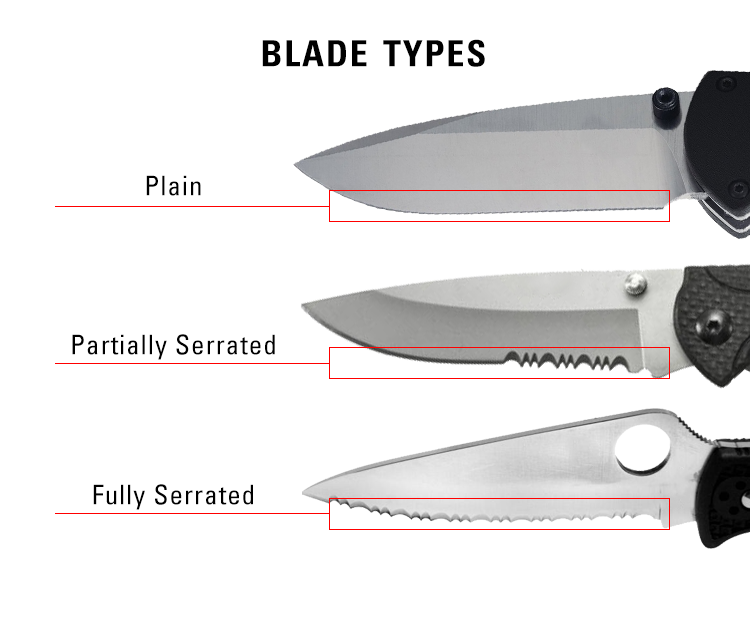
- Straight (plain) edge: Best for clean, precise cuts. Great for chopping, slicing, and most kitchen work.
- Serrated edge: Has teeth. Excellent for cutting bread, rope, and fibrous material. It stays useful when dull.
- Partially serrated: Mixes straight and serrated sections. Good for versatile tasks like cutting and sawing.
- Scalloped/Granton edge: Features shallow divots near the edge. Helps reduce food sticking and improves slicing.
- Trailing point and drop point edges: Edge shapes affecting tip strength and slicing angle. They change how a knife pierces and slices.
- Chisel edge: Ground on one side only. Common in woodworking and some specialty kitchen knives.
- Hollow ground: Thin near the edge for very keen cutting. Often used for fine slicing knives.
- Convex (apex rounded) edge: Strong and durable. Works well on heavy-use outdoor knives.
I have used many of these edges in the field and kitchen. For bread, serrated wins every time. For fine slicing, a hollow ground straight edge feels best.
Edge Grind Profiles Explained
Edge grind is not the same as edge shape, but both matter. Types of Knife Edges are influenced by the grind used. Here are common grinds and why they matter.
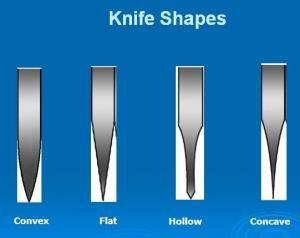
- Flat grind: Tapers from the spine to the edge in a straight line. Good balance of strength and sharpness.
- Hollow grind: Curved taper to a very thin edge. Very sharp but less strong under lateral stress.
- Convex grind: Rounded taper for a resilient edge. Ideal for heavy cutting and chopping.
- Bevel/chisel grind: One-sided grind that gives a very sharp edge for certain tasks. It can bias cuts to one side.
Choosing the right grind with the correct Types of Knife Edges will affect how long the blade holds its edge and how easy it is to sharpen. In my early days, I ruined a hollow ground blade by using it to pry. That taught me to match grind and job.

How to Choose Knife Edge for Use
Choosing among Types of Knife Edges starts with what you cut most often. Ask simple questions before buying.
- What will I cut most? Food, rope, wood, or boxes.
- How often will I sharpen? Some edges need frequent touchups.
- Do I need a strong tip? Thicker edges and convex grinds help.
- Do I want low maintenance? Serrated edges often stay useful longer without touchups.
For a kitchen chef, a straight, hollow or flat ground edge is a top pick. For campers, a convex or plain strong edge works well. For mail or fibrous material, choose serrated or partially serrated.

Sharpening and Maintenance for Different Edge Types
Maintenance needs vary across Types of Knife Edges. Know the right tools and methods.
- Straight edges: Use stones or guided systems. Hone regularly and sharpen when needed.
- Serrated edges: Use a tapered rod or small file for each tooth. Full resharpening is less frequent but more specialized.
- Partially serrated: Maintain the straight section like a plain edge and use a rod for the serrations.
- Hollow ground and convex edges: Sharpen carefully to keep profile. Convex benefits from stropping and controlled rolling strokes.
From personal tests, a simple ceramic rod kept my straight kitchen knives performing daily. Serrated knives needed pro service only twice a year for heavy use.
Materials and Edge Retention
Steel and heat treatment shape how Types of Knife Edges perform. Harder steels often hold an edge longer but can be brittle. Softer steels are easier to sharpen.
- High-hardness steels: Keep an edge longer. Need precise sharpening tools.
- Tough steels: Resist chips and survive heavy tasks. May dull faster.
- Coatings and finishes: Can reduce friction and protect from corrosion.
I learned to match steel to edge type. A serrated edge on a high-hardness steel can be excellent for long-life cutting of rope. A hollow ground slicer in a softer, easy-to-sharpen steel stays keen for chefs who sharpen daily.

PAA-style Questions
What is the sharpest type of knife edge?
- A hollow ground straight edge is often the sharpest for slicing. It creates a very thin apex that slices with low resistance.
Which knife edge lasts longest?
- Serrated edges and edges on hard steels tend to last longer between sharpenings. Their tooth geometry hides wear and keeps cutting action.
Is a serrated edge good for food?
- Yes, serrated edges excel at cutting crusty bread and fibrous produce. They can tear soft items, so choose based on food type.
Can you sharpen any edge at home?
- Most straight edges are easy to sharpen at home with stones or systems. Serrated edges are harder and need specialized rods or pro service.
How often should I sharpen?
- It depends on use. Heavy daily use may need weekly honing and monthly sharpening. Light use can be much less frequent.
Frequently Asked Questions of Types of Knife Edges
What is the difference between a straight edge and a serrated edge?
A straight edge has a continuous sharp edge good for clean slices. A serrated edge has teeth that saw through tough or fibrous material.
Are partially serrated knives useful?
Yes. They combine slicing power with sawing capability and are handy for rescue or utility tasks.
Which edge is best for kitchen work?
Plain straight edges, especially hollow or flat ground, are best for most kitchen tasks. They make clean cuts and are easy to sharpen.
Do serrated edges need less sharpening?
Serrated edges stay functional longer but require a special rod for each tooth and occasional expert sharpening. They are not maintenance-free.
What edge should I pick for camping?
Choose a strong plain or convex edge if you need to baton or chop. Use serrated tips for cutting rope and cordage.
Can a chisel edge be used for general tasks?
Chisel edges excel in specific jobs like woodworking or sushi prep due to their single-sided grind. They can be harder to use for general cutting because they favor one cutting direction.
Conclusion
Types of Knife Edges shape how a blade performs, how it feels in use, and how you maintain it. Match the edge to the task, consider the grind and steel, and use the right sharpening tools. My practical tip: buy one excellent straight-edge chef knife and one reliable serrated or convex outdoor knife. Test them, care for them, and your knives will repay you with better cuts.
Try one change today. Pick the edge type that fits your main task and practice a simple sharpening routine. Leave a comment with your favorite edge type or a lesson you learned while using knives.

