

Both tools shine in different settings: chopsticks for finesse, knife and fork for cutting.
I have spent years studying tableware, traveling across Asia and Europe, and testing utensils in home and restaurant kitchens. This article dives deep into Chopsticks vs. knife and fork to help you understand history, mechanics, etiquette, health, environment, and practical tips. You will get clear comparisons, simple how-tos, real-life lessons, and actionable advice to choose or learn either tool with confidence.
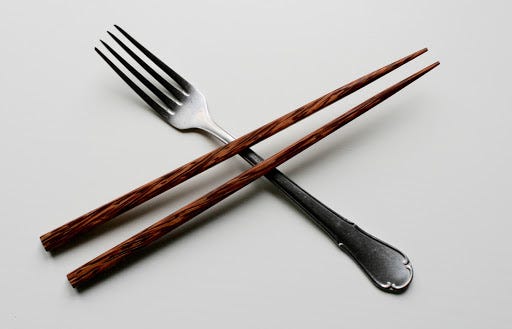
History and cultural context of Chopsticks vs. knife and fork
Chopsticks vs. knife and fork traces back to distinct cultures and needs. Chopsticks grew from ancient China for cooking and communal dining. Knife and fork developed in Europe alongside meat-heavy diets and Western dining rituals. Each tool evolved to match local food types, social habits, and kitchen tech.
Chopsticks encouraged bite-sized cooking and shared dishes. Knives and forks supported individual plates and cutting at the table. The history explains why some foods and dining styles pair naturally with one tool over the other.

Origins and historical drivers
Chopsticks likely started as cooking tools for stirring and serving. Knife and fork use rose with table manners and the refinement of dining in Europe. Both adapted to trade, migration, and cultural exchange. These shifts made chopsticks and forks common in restaurants and homes worldwide.
Cultural meaning
Chopsticks carry symbolism in East Asia. They reflect family sharing and subtlety in eating. Knife and fork reflect formality and a focus on individual portions. Knowing this helps with etiquette and respect while dining abroad.
Design, mechanics, and functionality
Chopsticks vs. knife and fork differ in shape, control, and mechanics. Chopsticks are two slender sticks that require finger coordination and precision. Knife and fork use leverage: the fork secures food while the knife cuts. Each design suits certain food textures and preparation styles.
Key functional differences:
- Precision and control: Chopsticks excel at picking small, slippery items and manipulating food without cutting.
- Cutting and separating: Knife and fork make portioning and cutting denser meats easier.
- Heat transfer: Metal forks and knives can carry heat. Wooden chopsticks stay cooler at the tips.
Small design changes change performance. Tapered chopsticks give more precision. Serrated knives help cut crusty or tough items. Knowing mechanics helps you pick the right tool for the dish.

PAA-style question: Are chopsticks better for sushi than a fork?
Chopsticks allow gentle handling of sushi, preserving shape and texture. Forks can crush delicate pieces and cause rice to fall apart.
Learning curve and usability
Chopsticks vs. knife and fork offer different learning curves. Most Westerners learn knife and fork early. Learning chopsticks takes practice but rewards you with finesse. Both tools rely on hand strength and coordination, but chopsticks emphasize fine motor control.
Tips for learning:
- Start with larger chopsticks to build control.
- Practice with firm foods like carrots before trying slippery items.
- For knife and fork, learn safe knife techniques first, such as holding the knife close to the blade for control.
Personal note: I learned chopsticks in my 20s while living in Tokyo. The first nights were messy. After a week of practice, I could split sushi rolls and handle noodles confidently. That practice applied patience and repetition, and it paid off.

PAA-style question: How long does it take to get good at chopsticks?
Most people gain basic control in a few days with short practice sessions. Mastery of tricky foods can take weeks of regular use.
Health, hygiene, and eating pace
Chopsticks vs. knife and fork influence how you eat and how fast you eat. Chopsticks often slow the pace. Slower eating helps digestion and satiety. Knife and fork can encourage faster bites and larger mouthfuls if you cut food into small pieces.
Hygiene points:
- Shared chopsticks should not be used to transfer food into communal bowls. Use serving utensils instead.
- Metal utensils are easy to sterilize, but wooden chopsticks can harbor bacteria if poorly washed or left damp.
- Disposable chopsticks increase waste but avoid cross-contamination in some settings.
Research suggests eating slowly reduces overeating. If mindful dining matters, chopsticks can be a simple tool to help with pace and portion control.
Environmental and economic considerations
Chopsticks vs. knife and fork have different environmental footprints. Reusable metal forks and knives last decades. Reusable chopsticks made of bamboo, wood, or metal also last when cared for. Single-use wooden chopsticks create large waste streams in some countries.
Points to consider:
- Reusable utensils lower lifetime environmental impact.
- Bamboo chopsticks renew quickly but require processing and transport.
- Knife and fork manufacturing uses more metal but fewer replacements over time.
If you care about sustainability, choose durable, reusable chopsticks or metal utensils. Bring your own set when eating takeout or traveling to cut waste.
Etiquette and social meaning
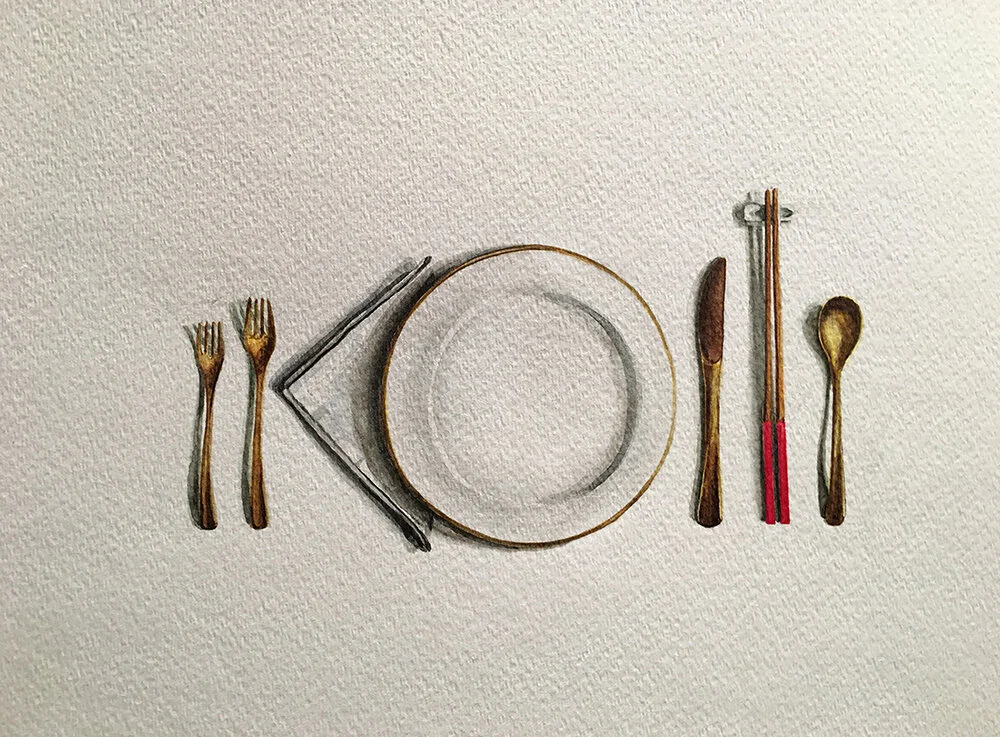
Chopsticks vs. knife and fork carry different table rules. Respecting those rules shows cultural sensitivity. In many East Asian cultures, certain chopstick behaviors are taboo. In Western dining, knife and fork placement signals when you are finished.
Examples of etiquette:
- Do not stick chopsticks upright in a bowl of rice; this resembles funeral rites.
- Rest knives and forks parallel on the plate to indicate you are done.
- Use serving utensils rather than personal chopsticks to take from shared dishes.
Learning basic etiquette goes a long way when dining with hosts or in formal settings. It shows respect and avoids awkward moments.

Practical tips and personal experience
I have used both tools in professional kitchens and home settings. I learned key lessons that help you use each utensil better. These tips work whether you are traveling, entertaining, or trying a new cuisine.
Practical tips for chopsticks:
- Choose the right length: shorter chopsticks are for sauces and dessert; longer chopsticks are better for cooking.
- Practice grip: anchor the lower stick and move the upper stick with your thumb and index finger.
- Use textured tips for slippery foods.
Practical tips for knife and fork:
- Cut against the fork tine to stabilize food.
- Keep knives sharp; dull knives force you to apply more pressure and can be unsafe.
- Learn fingertip grip for precision slicing.
Personal mistake to avoid: I once used my personal chopsticks to serve from a shared hotpot. My host gently corrected me. After that I always use serving tongs or communal chopsticks. That small change improved hygiene and respect.
Direct comparison: when to choose which
Choosing between chopsticks vs. knife and fork depends on food, setting, and goals. Here is a simple guide.
Choose chopsticks when:
- You eat noodle dishes, sushi, or small bite-sized items.
- You want slower, mindful eating.
- You are in a culture where chopsticks are the norm.
Choose knife and fork when:
- You need to cut large or tough meats.
- You prefer Western dining formality.
- You want to eat quickly or with one hand stabilizing and one hand cutting.
Both tools can coexist. Many restaurants provide both, letting diners choose freely. Use the tool that matches the food and the social setting.
Frequently Asked Questions of Chopsticks vs. knife and fork
Are chopsticks more hygienic than forks?
Chopsticks are not inherently more hygienic. Reusable utensils cleaned properly are safe. Disposable chopsticks can be less sanitary if poorly processed.
Which utensil helps you eat more slowly?
Chopsticks tend to slow your pace due to precision and smaller bites. Slower eating supports digestion and satiety.
Can I use chopsticks and a fork together?
Yes. Some people use a fork to assist noodles while using chopsticks for precision. Mixing tools is common and practical.
Are wooden chopsticks better than metal?
Wooden chopsticks feel warmer and offer grip. Metal chopsticks last longer and are easy to sterilize. Choice depends on preference and care.
Do chopsticks damage teeth or cause posture issues?
Used properly, chopsticks do not harm teeth or posture. Poor grip or repetitive strain can cause finger fatigue. Vary utensils if you eat many meals with chopsticks.
Conclusion
Chopsticks vs. knife and fork each bring strengths. Chopsticks give finesse, slower eating, and cultural meaning. Knife and fork offer cutting power, speed, and Western formality. Choose based on food, setting, and your goals. Try both and practice the one you want to master.
Takeaway: practice small, steady steps—use the right tool for the dish and respect local etiquette. Share your experiences or questions below, subscribe for more practical guides, or try a week of eating with chopsticks to notice the difference.

