

Most oven noises are normal thermal or fan sounds; some signal loose parts or failing components.
As an appliance technician with years of kitchen-repair experience, I’ve heard every oven sound you can imagine and fixed the ones that mattered. This article explains Why does my oven make strange noises?, what each sound likely means, how to diagnose it safely, and when to call a pro. Read on and you’ll gain clear, practical steps to identify and stop those noises quickly.

Common noises an oven makes and what they usually mean
Ovens make many sounds during a normal cycle. Recognizing the pattern helps you separate harmless noises from problems.
- Clicking: Often the igniter or electronic control cycling on gas ovens. Clicking that repeats rapidly may show an ignition issue.
- Humming or buzzing: Usually the convection fan or the oven transformer. A steady hum is common when the fan runs.
- Pinging or popping: Thermal expansion of metal as the oven heats and cools. These are typically harmless.
- Rattling: Loose panels, screws, or items on the oven (like foil or pans touching the heating element).
- Grinding or squealing: Worn motor bearings in the convection fan or blower. This can get worse and needs attention.
- Whooshing or roaring: Gas burners switching on or uneven combustion in gas ovens; may need a technician.
- Thumping: A door hinge or the oven hitting the cabinetry when it’s not level.
Why does my oven make strange noises? Most of the time, the answer ties back to moving parts, thermal stress, or loose fittings that are easy to fix. Knowing the sound profiles helps you act fast and avoid bigger repairs.
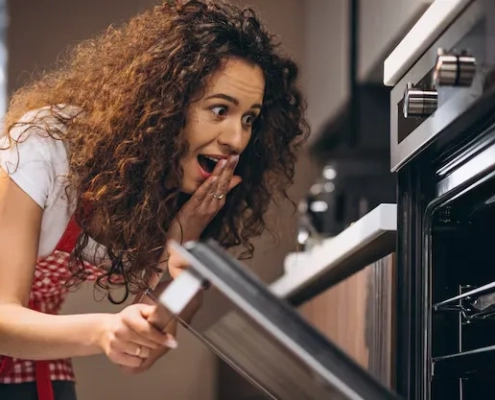
Main causes of strange oven noises
Understanding the root causes helps you decide whether to DIY or call a technician. Below I break down common sources tied to different oven types.
-
Convection fan or blower
- Cause: Debris, warped blades, worn bearings, or motor failure.
- Noise: Humming, grinding, rattling, or squealing.
- Risk: Reduced airflow and uneven cooking; motor failure if ignored.
-
Igniter and gas valve (gas ovens)
- Cause: Weak igniter, misaligned burner, or failing gas valve.
- Noise: Repeated clicking, whooshing, or uneven firing sounds.
- Risk: Failed ignition or delayed gas flow; call a pro for gas components.
-
Control board or transformer
- Cause: Electrical buzzing from relays or transformer vibration.
- Noise: Low, steady buzz from rear panel or control area.
- Risk: Electrical failures or intermittent control issues.
-
Thermal expansion
- Cause: Metal parts expanding and contracting with heat.
- Noise: Pinging, popping, or faint ticking.
- Risk: Mostly cosmetic; excessive metal stress could loosen parts long-term.
-
Loose racks, screws, or panels
- Cause: Vibration moves loose hardware during operation.
- Noise: Rattling, knocking, or metallic clanks.
- Risk: Harmless if tightened, but noise may mask other issues.
-
Damaged door gasket or hinge
- Cause: Worn seal or misaligned hinge lets the door shift.
- Noise: Thumping when opening or cooling, and escaping heat.
- Risk: Heat loss, longer cook times, and energy waste.
-
Debris on heating elements or burners
- Cause: Spills, grease, or utensils touching elements.
- Noise: Crackling, sizzling, or popping as residue burns off.
- Risk: Smoke or odor; clean once cool to prevent fires.
Why does my oven make strange noises? The cause often points to one of the parts above, so matching the noise to the cause speeds repair.

How to diagnose the noise step-by-step
Safety first. Always disconnect power or turn off gas before inspecting electrical or gas parts. Use these steps to find the noise source.
-
Observe and note
- Run the oven and note when the noise happens: preheat, steady heat, fan cycle, or cooling.
- Record pitch, rhythm, and location of the sound.
-
Simple checks while powered off
- Check racks and pans to ensure they aren’t touching elements.
- Tighten visible screws on panels and racks.
- Inspect the door gasket for tears or misalignment.
-
Isolate the fan and motor
- Run the oven with the fan on (convection mode) and listen closely.
- If the noise changes with the fan, the motor or blades are likely the culprit.
-
Gas-specific checks
- Smell for gas before diagnosing. If you smell gas, stop and ventilate; call a pro.
- Watch the igniter glow. Weak or delayed glow often causes clicking and failed ignition.
-
Test with and without convection
- Switch convection off. If noise stops, it’s fan-related.
- Turn on broil only; if noise disappears, bake-element or lower assembly may be the issue.
PAA-style question: Is it safe to keep using the oven while it makes noise?
- Short answer: If the noise is light popping or thermal pinging, it’s usually safe. If you hear grinding, continuous buzzing, gas whoosh, or smell gas, stop using it and seek service.
PAA-style question: Can I fix a noisy oven myself?
- Short answer: You can tighten loose screws, clean racks, and replace simple parts like gaskets. Electrical or gas repairs should be handled by certified technicians.
Why does my oven make strange noises? Diagnosing with this checklist helps you make that decision with confidence.
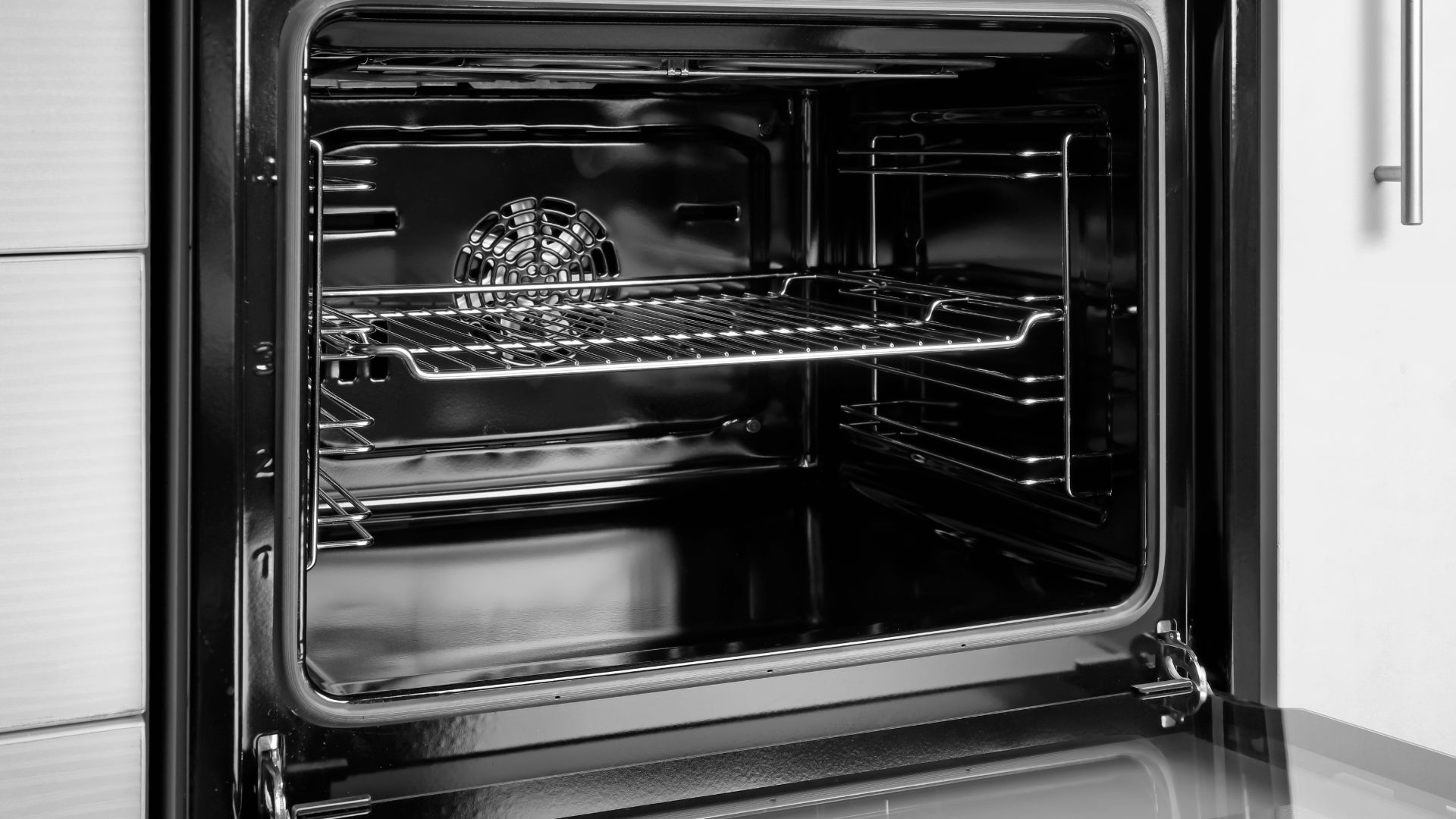
Fixes and repairs: DIY and professional options
Once you identify the cause, pick the safest solution. I’ll outline common fixes and when to hire help.
DIY fixes you can try
- Tighten loose screws on panels, racks, and hinges.
- Reposition racks and pans so they don’t touch heating elements.
- Clean debris from fan area and burner ports after disconnecting power or gas.
- Replace a torn door gasket to stop flapping and heat loss.
- Swap a worn rack roller or support if it rattles.
When to call a pro
- Any gas-related issue such as persistent clicking, gas smell, or weak ignition.
- Grinding, loud squealing, or smoke from the motor—these usually need motor or bearing replacement.
- Electrical buzzing from the control board or transformer.
- Complex diagnostics involving flame sensors, thermocouples, or gas valves.
Estimated costs (general ranges)
- Simple parts and DIY: $10 to $60 for gaskets, screws, and rollers.
- Fan motor replacement: $80 to $250 for parts plus labor.
- Igniter or gas valve repair: $150 to $400 depending on model and service rates.
- Control board replacement: $200 to $600 in many cases.
Why does my oven make strange noises? Fixes range from quick DIY tasks to professional repairs, and cost scales with complexity and part price.

Preventive maintenance to keep your oven quiet
Routine care stops many noises before they start. Aim for small checks monthly and a deeper review twice a year.
- Clean spills quickly once the oven is cool to avoid burning residue.
- Check and tighten visible screws and fastenings every few months.
- Keep the oven level so the door closes smoothly and racks sit right.
- Run self-clean cycles sparingly and follow the manual to avoid stressing parts.
- Replace worn gaskets and rollers before they cause rattles or heat loss.
Why does my oven make strange noises? Regular maintenance is the best way to prevent most of them and extend oven life.
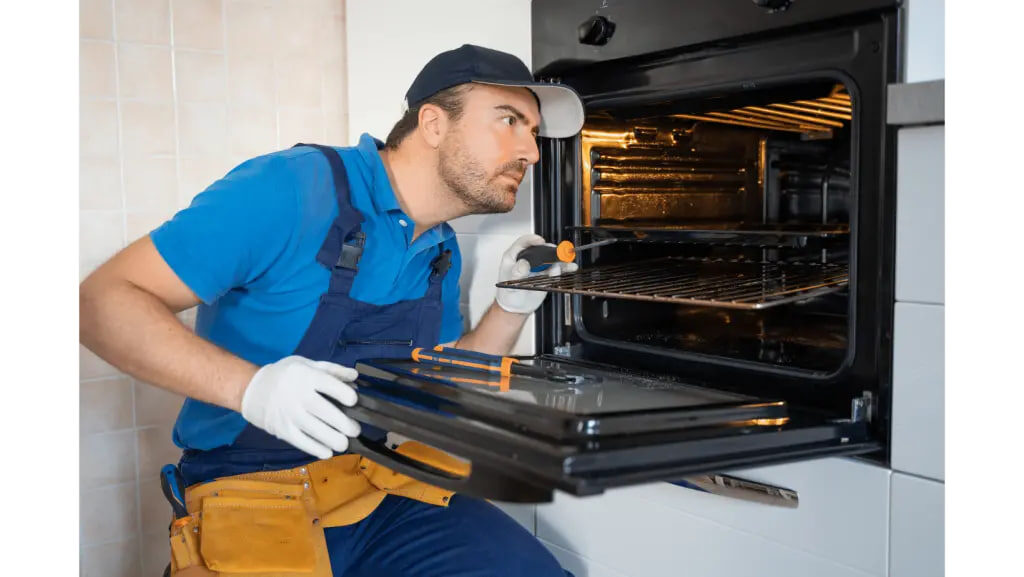
When noises signal danger and what to do immediately
Some sounds demand immediate action. Don’t ignore warning noises tied to gas or electricity.
-
Persistent gas whoosh, strong gas smell, or a hissing sound
- Action: Stop using the oven, turn off the gas supply if safe, ventilate the area, and call emergency service.
-
Sparks, burning plastic smell, or visible smoke
- Action: Turn off power, evacuate if needed, and call an electrician or fire department if flames start.
-
Loud grinding that continues after shutting off
- Action: Power down and call a technician to avoid motor seizure or electrical damage.
Why does my oven make strange noises? If the sound suggests gas leaks, sparks, or smoke, treat it as an emergency and get professional help right away.

Personal experiences, mistakes to avoid, and practical tips
I once ignored a new grinding sound in an oven for weeks. It got louder and burned out the convection motor overnight. The repair cost more than earlier intervention would have. From that experience I learned these lessons.
- Listen early. Small noises often precede bigger failures.
- Don’t assume every rattling sound is harmless. Check mounting screws and gaskets.
- Avoid DIY gas or high-voltage repairs unless you are certified. Safety matters.
- Keep a simple toolbox and a replacement gasket on hand for quick fixes.
- When hiring a technician, ask for part numbers and warranty on repairs.
Why does my oven make strange noises? My real-world fixes taught me that quick checks and prompt action save money and prevent hazards.
Frequently Asked Questions of Why does my oven make strange noises?
Why does my oven make strange noises when it turns on?
Most sounds at startup are normal items settling or the igniter cycling. If the noise is loud or a grinding buzz, inspect the fan or electrical components.
Why does my gas oven click repeatedly?
Repeated clicking usually means the igniter is trying and failing to light the burner, or the spark module is cycling. If you also smell gas, shut it off and call a technician.
Why does my convection oven make a loud humming?
A loud hum often comes from a failing fan motor or loose fan blades. Turn off convection mode and have the motor checked if the noise persists.
Why does my oven make popping or pinging sounds during baking?
Popping and pinging are typically thermal expansion of metal parts as the oven heats and cools. These sounds are normal unless they are very loud or accompanied by warping.
Why does my electric oven squeal or grind?
Squealing and grinding point to worn bearings or a failing fan motor. Stop using convection until a technician inspects the motor to prevent further damage.
Can a noisy oven be dangerous?
Yes. Noises tied to gas leaks, electrical sparking, or heavy grinding can be dangerous. If you smell gas, see sparks, or notice smoke, power down and call professionals immediately.
Conclusion
You now know the common reasons for Why does my oven make strange noises?, how to match sounds to likely causes, and when to act. Start with simple checks—tighten screws, clean debris, and isolate the fan—then call a pro for gas or motor issues. Take action early to avoid bigger repairs and keep your kitchen safe. If this guide helped, try the diagnostic steps on your oven today, leave a comment with your oven type and noise, or subscribe for more practical appliance tips.

