

Convection ovens use fans to move hot air; conventional ovens rely on natural, static heat.
I’ve cooked hundreds of meals in both types, tested roast chickens, cookies, and casseroles, and studied how heat moves in ovens. This guide clearly explains the difference between convection and conventional ovens, when to use each, how to convert recipes, and practical tips from real kitchen experience so you can choose and cook with confidence.

How convection and conventional ovens work
Conventional ovens heat the air inside a sealed chamber. Heat rises from the elements and warms food by radiation and natural air movement. This creates zones that can be hotter near the elements and cooler in other areas.
Convection ovens add a fan and often an exhaust vent. The fan pushes hot air around the cavity. That creates steady, even temperatures and faster heat transfer to the food.
Key mechanics in plain terms
- Conventional ovens use static heat and natural air flow.
- Convection ovens use forced air to circulate heat.
- Faster airflow results in quicker browning and sometimes shorter cook times.
The difference between convection and conventional ovens comes down to airflow and heat transfer. That small mechanical change changes cooking results in predictable ways.
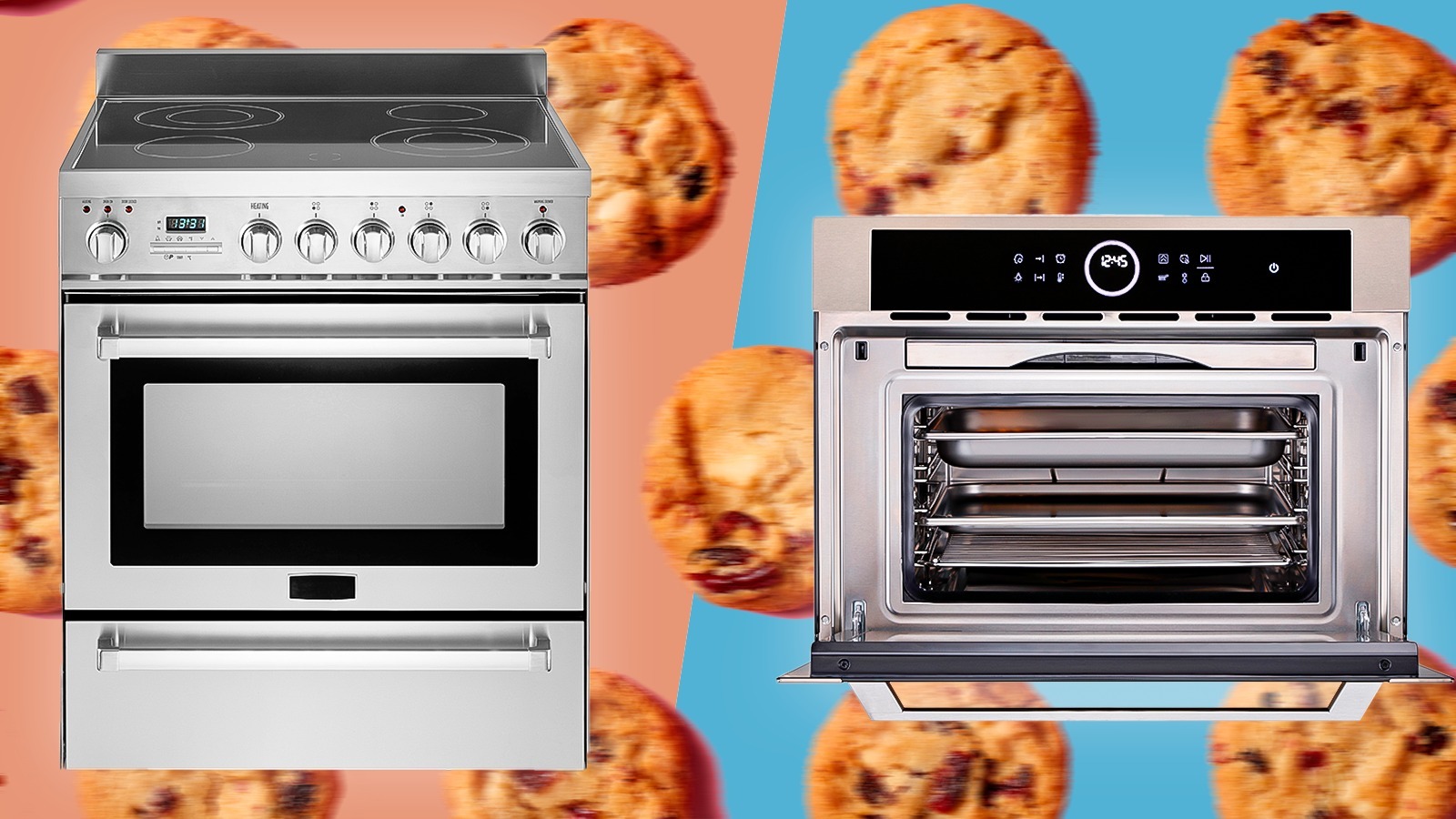
Performance differences: texture, browning, and time
Convection and conventional ovens produce different textures and timing. Convection’s moving air dries the food surface faster. That helps crisp skins and gives even browning on trays of cookies or roasted vegetables.
Conventional ovens are gentler for items that need slow, steady heat. Custards, soufflés, and delicate cakes can suffer from strong air movement. The absence of forced air reduces the chance of uneven rise or dry edges.
Practical performance points
- Convection gives more even results across multiple racks.
- Convection reduces cooking time by about 15% to 25% for many foods.
- Conventional is safer for fragile baked goods that need gentle, stable heat.
The difference between convection and conventional ovens is how they affect moisture loss and surface temperature, which changes crispness, color, and timing.
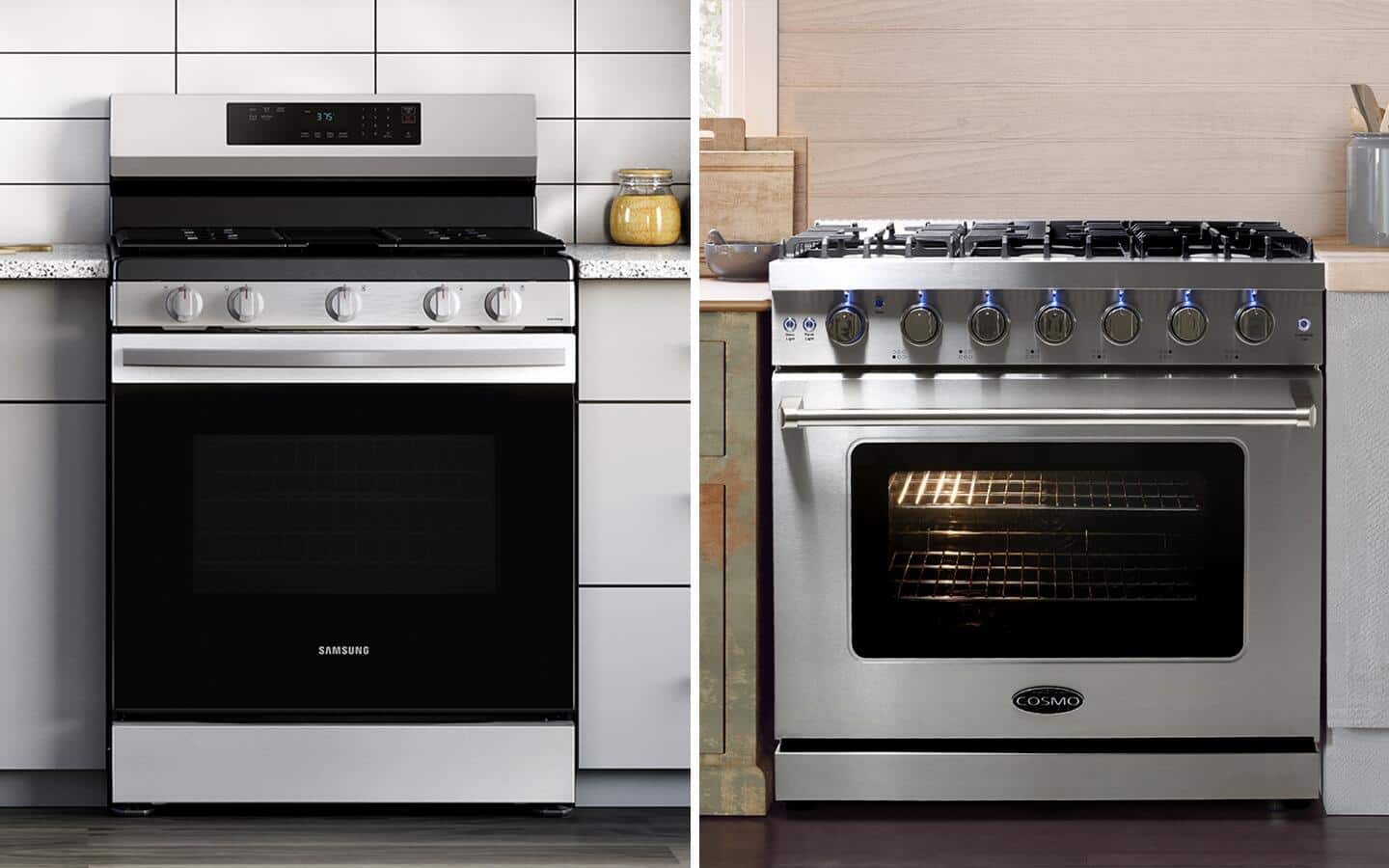
When to use each: best uses and examples
Knowing the difference between convection and conventional ovens helps pick the right mode for each dish.
Best uses for convection
- Roasting whole poultry and meats to get crisp skin and even browning.
- Baking multiple trays of cookies or sheet-pan dinners.
- Roasting vegetables for caramelized edges.
- Pies and savory tarts when you want an evenly browned crust.
Best uses for conventional
- Custards, flans, and cheesecakes that need gentle, even heat.
- Soufflés and sponge cakes that rely on stable air pockets.
- Slow roasts where moisture retention matters.
Real example from my kitchen
- For a Thanksgiving turkey, I used convection for the last 30–45 minutes to crisp the skin after slow roasting in conventional mode. That approach combined the best of both oven types.
This practical thinking highlights the difference between convection and conventional ovens in everyday cooking.
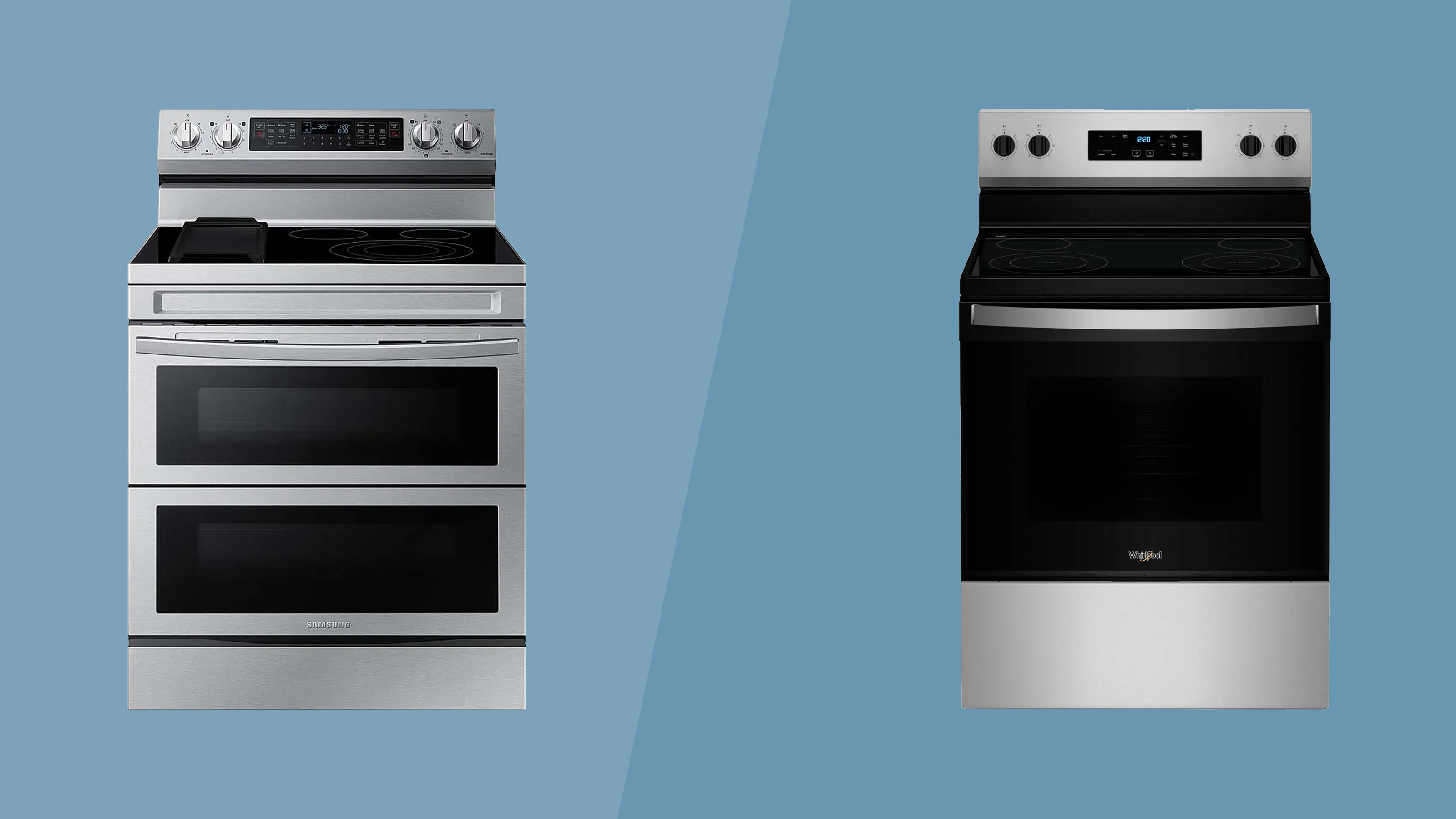
Benefits and limitations of each system
Both oven types have strengths and trade-offs. Choose based on what you cook most.
Convection benefits
- Faster cooking and shorter preheat times.
- More even results on multiple racks.
- Better browning and crisping.
Convection limitations
- Can dry out lean meats if left too long.
- May blow around light batters and delicate doughs.
- Requires recipe temperature or time adjustments.
Conventional benefits
- Gentle and predictable for delicate bakes.
- No fan noise or uneven drafts.
- Works with most classic recipes without adjustment.
Conventional limitations
- Hot and cool spots can produce uneven baking.
- Longer cook times and slower browning on large roasts.
Understanding the difference between convection and conventional ovens helps you weigh these benefits and choose the right method.

Practical tips, conversions, and common mistakes
Simple rules make switching between modes easy. I’ve burned cookies by forgetting to lower time when using convection. Learn from that.
Recipe conversion tips
- Lower temperature by 25°F when using convection, or reduce bake time by 15% to 25%.
- Check food earlier than the recipe time—start monitoring at two-thirds of the expected time.
- Use low-sided pans for better air circulation with convection.
Rack placement and loading
- Avoid blocking fan vents in convection ovens.
- For conventional ovens, rotate pans between racks halfway through to reduce uneven baking.
- Avoid overcrowding either oven; airflow matters in both systems.
Common mistakes to avoid
- Using convection for delicate cakes and expecting identical results.
- Forgetting to reduce time/temperature with convection.
- Overcrowding pans and reducing airflow, negating convection's benefit.
PAA-style quick questions
Q: Will convection always cook faster?
A: Usually yes by 15–25%, but exact savings depend on the recipe and oven model.
Q: Should I bake pies in convection?
A: Use conventional for very fragile pie fillings; convection works for crust browning if monitored.
These practical steps help you use the difference between convection and conventional ovens to your advantage.
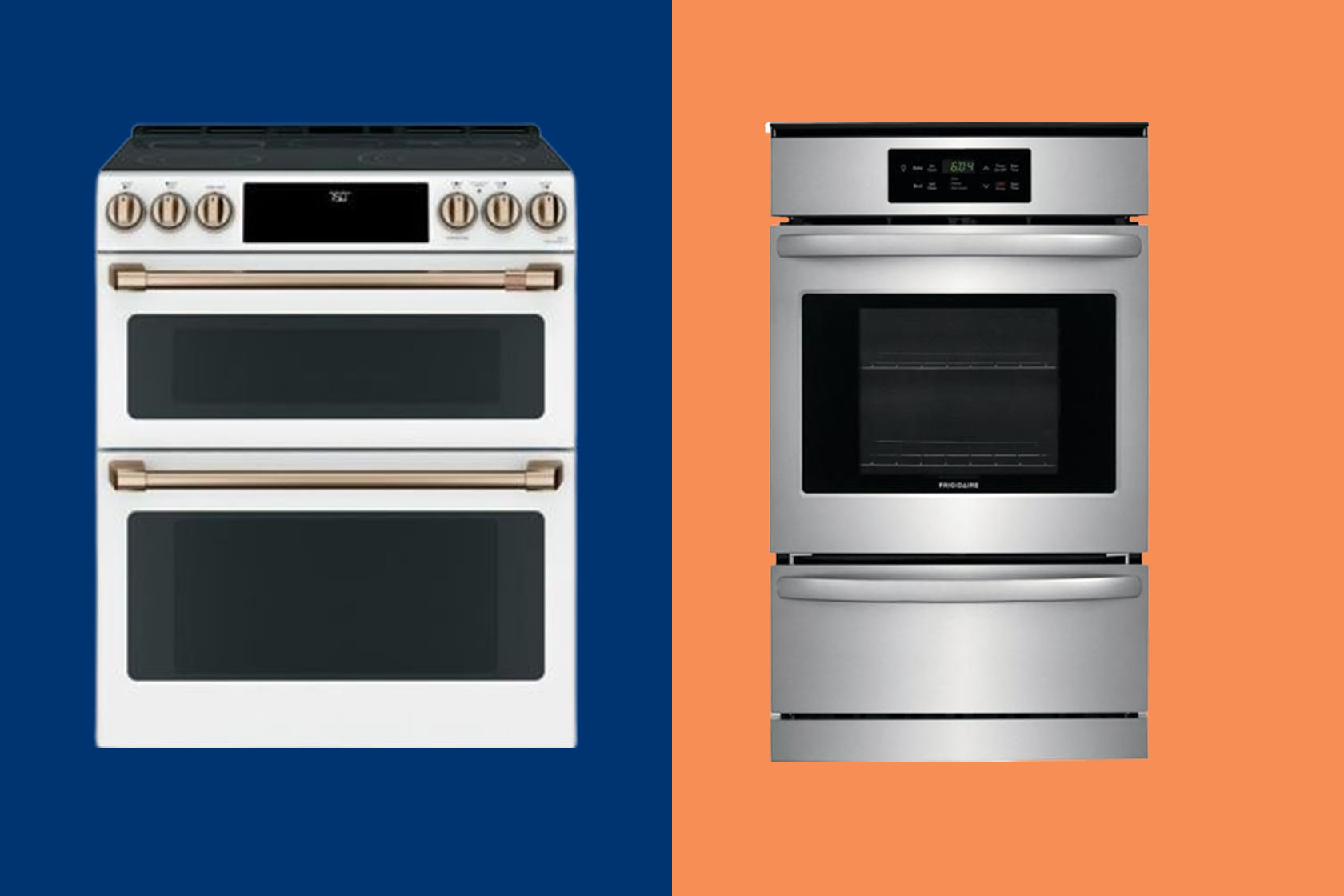
Safety, energy use, and maintenance
Both oven modes are safe when used correctly. Convection may run the heating elements less because it reaches set temps faster. That can slightly reduce energy use for the same dish.
Maintenance tips
- Clean the fan area and vents periodically to keep airflow clear.
- Replace door seals if heat leaks are noticeable.
- Calibrate your oven thermometer to know real cooking temperatures.
Safety reminders
- Use oven-safe cookware rated for circulating air when using convection.
- Avoid glass lids or deep-covered vessels that block air flow in convection mode.
These practical care tips maintain performance and make the difference between convection and conventional ovens work for you.
Frequently Asked Questions of What is the difference between convection and conventional ovens?
What exactly is a convection oven?
A convection oven uses a fan and often an exhaust to move hot air around food. That creates even temperatures and faster heat transfer than a conventional oven.
Do I need to change recipes for convection?
Yes. Lower the oven temperature by about 25°F or reduce cooking time by 15% to 25%, and start checking food early to avoid overcooking.
Can I use convection for baking bread?
Yes. Convection helps form a nice crust and even color, though some artisan breads prefer initial steam in conventional or hybrid modes.
Will convection dry out my food?
Convection can dry food faster because the moving air speeds moisture evaporation. Reduce time or temperature to prevent drying.
Is convection more energy efficient?
Often slightly. Convection cooks faster and can reduce total heating time, which may lower energy use for the same dish.
Conclusion
You now know the central difference between convection and conventional ovens: airflow. Convection forces air to move and speeds browning and cooking. Conventional relies on natural heat and works better for delicate, moisture-sensitive bakes. Try both on familiar recipes, adjust time or temperature, and observe results. Small tests will build confidence quickly.
Takeaway: use convection for faster, crisper results and conventional for gentle, even heat. Try a favorite recipe twice—once in each mode—and compare. If this guide helped, leave a comment with your experience or subscribe for more kitchen-tested tips.

