

Best Elk Tenderloin Recipe: a simple herb-seared, butter-basted tenderloin cooked to perfect medium-rare.
I have cooked and refined the Best Elk Tenderloin Recipe for years. I will walk you through ingredients, step-by-step technique, safety, and plating. Read on to learn how to make tender, flavorful elk tenderloin every time with clear tips from real kitchen experience.
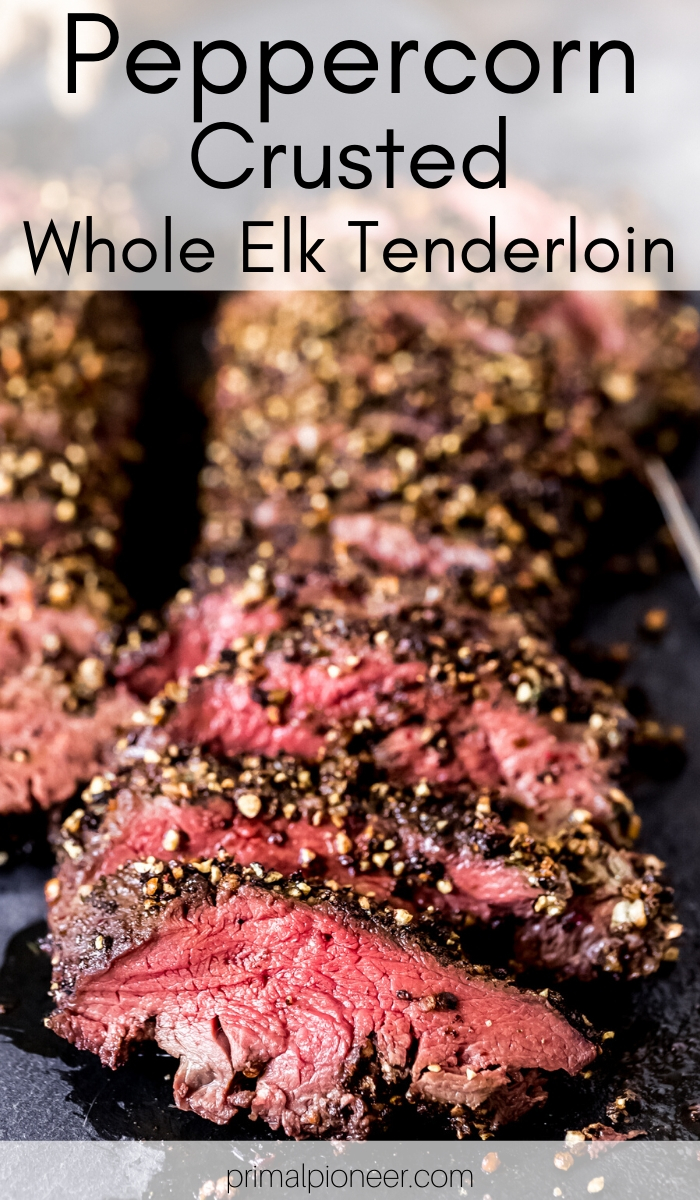
Why elk tenderloin deserves its place on your table
Elk tenderloin is lean, tender, and richly flavored. The Best Elk Tenderloin Recipe highlights the meat’s natural taste while preventing dryness. Elk has less fat than beef, so the right cook method matters. I tested searing and butter-basting to protect the meat and add flavor. This approach keeps the tenderloin juicy and highlights its clean, slightly sweet profile.

Ingredients and shopping tips for the Best Elk Tenderloin Recipe
Use fresh, high-quality ingredients. Good meat and simple seasonings win with elk.
- Elk tenderloin 1 to 1.5 pounds, trimmed of silver skin
- Kosher salt and freshly ground black pepper
- Neutral oil with high smoke point
- Unsalted butter 3 tablespoons
- Fresh garlic 2 cloves, lightly crushed
- Fresh herbs such as thyme and rosemary
- Optional: a splash of red wine or balsamic for a pan sauce
Shopping tips and notes:
- Buy whole tenderloin when possible; it cooks quicker and is easier to control.
- Ask your butcher to trim connective tissue but leave a thin fat cap if available.
- If using frozen meat, thaw slowly in the fridge for 24–48 hours.
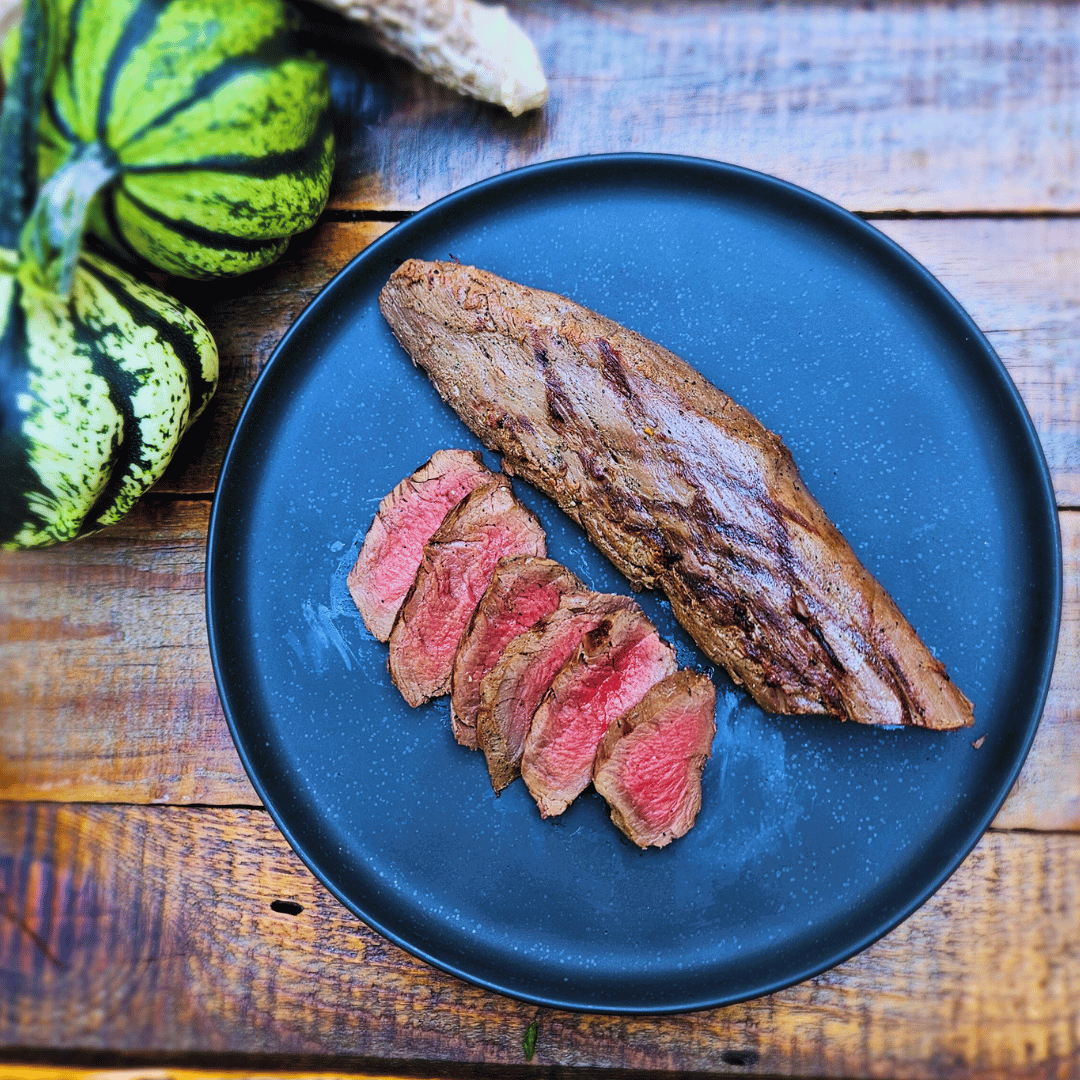
Step-by-step Best Elk Tenderloin Recipe (simple and reliable)
This recipe focuses on timing and temperature. Follow steps and use a thermometer.
-
Prep and season
- Pat the tenderloin dry with paper towels.
- Season liberally with salt and pepper at least 30 minutes before cooking.
- Bring to room temperature for 20–30 minutes.
-
Sear
- Heat a heavy skillet over medium-high heat until hot.
- Add a thin layer of oil. Sear the tenderloin on all sides until golden, about 1–2 minutes per side.
-
Butter-baste and finish
- Reduce heat to medium-low. Add butter, garlic, and herbs.
- Tilt the pan and spoon melted butter over the tenderloin for 3–4 minutes.
- Cook until internal temperature reaches 120–125°F for medium-rare. Use an instant-read thermometer placed in the thickest part.
-
Rest and slice
- Transfer to a cutting board and tent loosely with foil. Rest 8–10 minutes.
- Slice against the grain into 1/2-inch medallions. Serve immediately.
Notes:
- For rare, pull at 115–120°F. For medium, aim for 130–135°F after resting.
- Resting is critical to lock in juices.
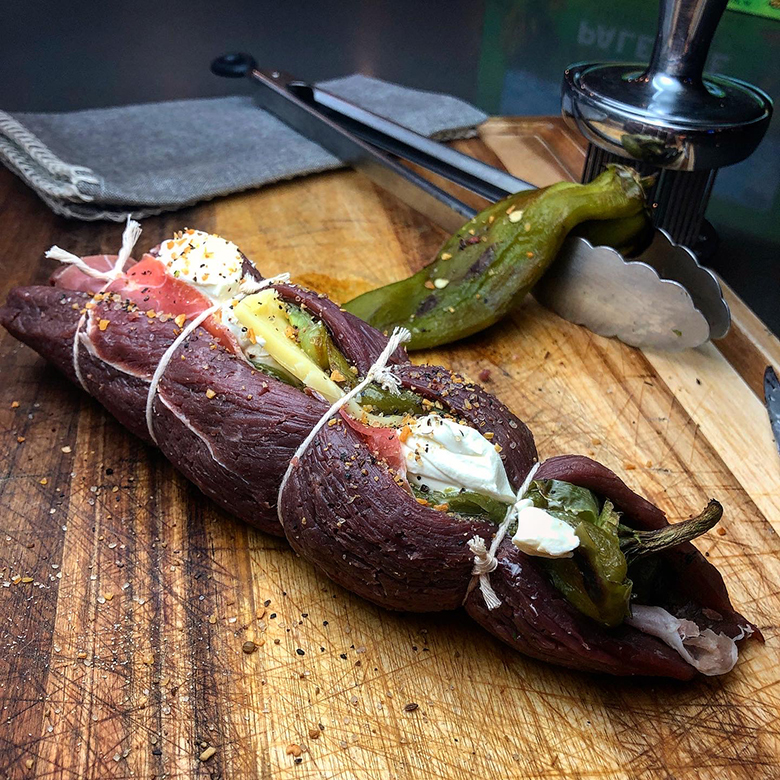
Cooking techniques, timing, and safety for the Best Elk Tenderloin Recipe
Technique matters more than clever sauces. Keep steps simple.
- Use high heat for a quick sear to build flavor without overcooking the center.
- Butter-basting adds flavor and helps maintain a moist surface.
- Always use an instant-read thermometer for accuracy.
- Follow safe cooking and handling practices: wash hands, sanitize surfaces, and store raw meat below ready-to-eat foods.
Temperature guideline:
- Safe internal temperature for whole cuts is 145°F with a 3-minute rest, but many chefs prefer 120–125°F for elk tenderloin to preserve tenderness. Adjust based on your comfort level and guest preferences.
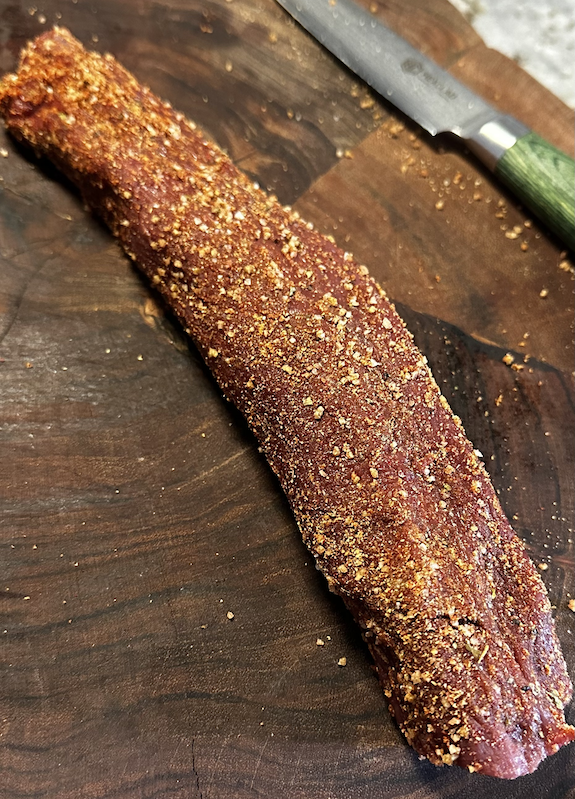
Serving ideas, sides, and pairings that elevate the Best Elk Tenderloin Recipe
Serving choices should balance the lean, rich flavor of elk.
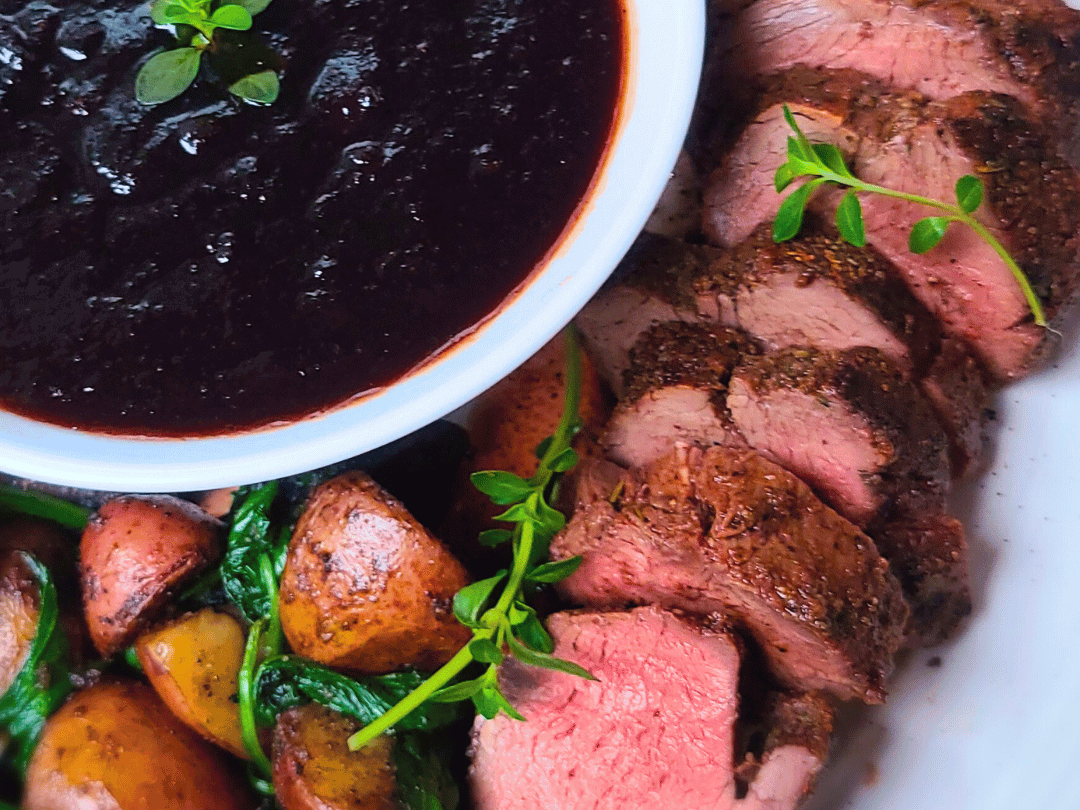
- Light starches: roasted fingerling potatoes or creamy parsnip mash
- Vegetables: sautéed green beans, roasted Brussels sprouts, or glazed carrots
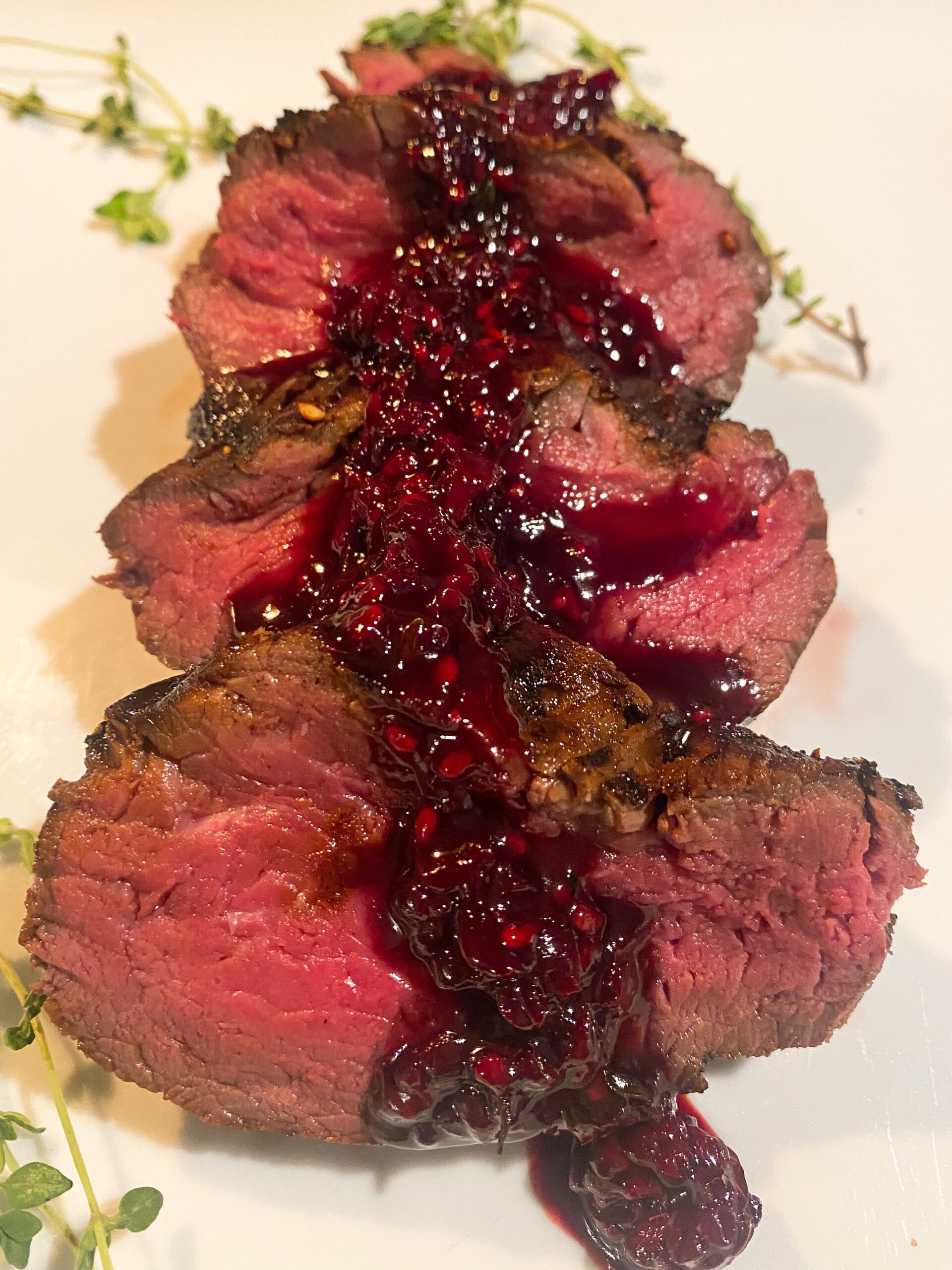
- Sauce ideas: quick pan sauce with red wine, shallots, and butter; or a simple balsamic reduction
- Wine pairings: medium-bodied red like Pinot Noir or a bright, fruity red to complement the meat
Personal tip:
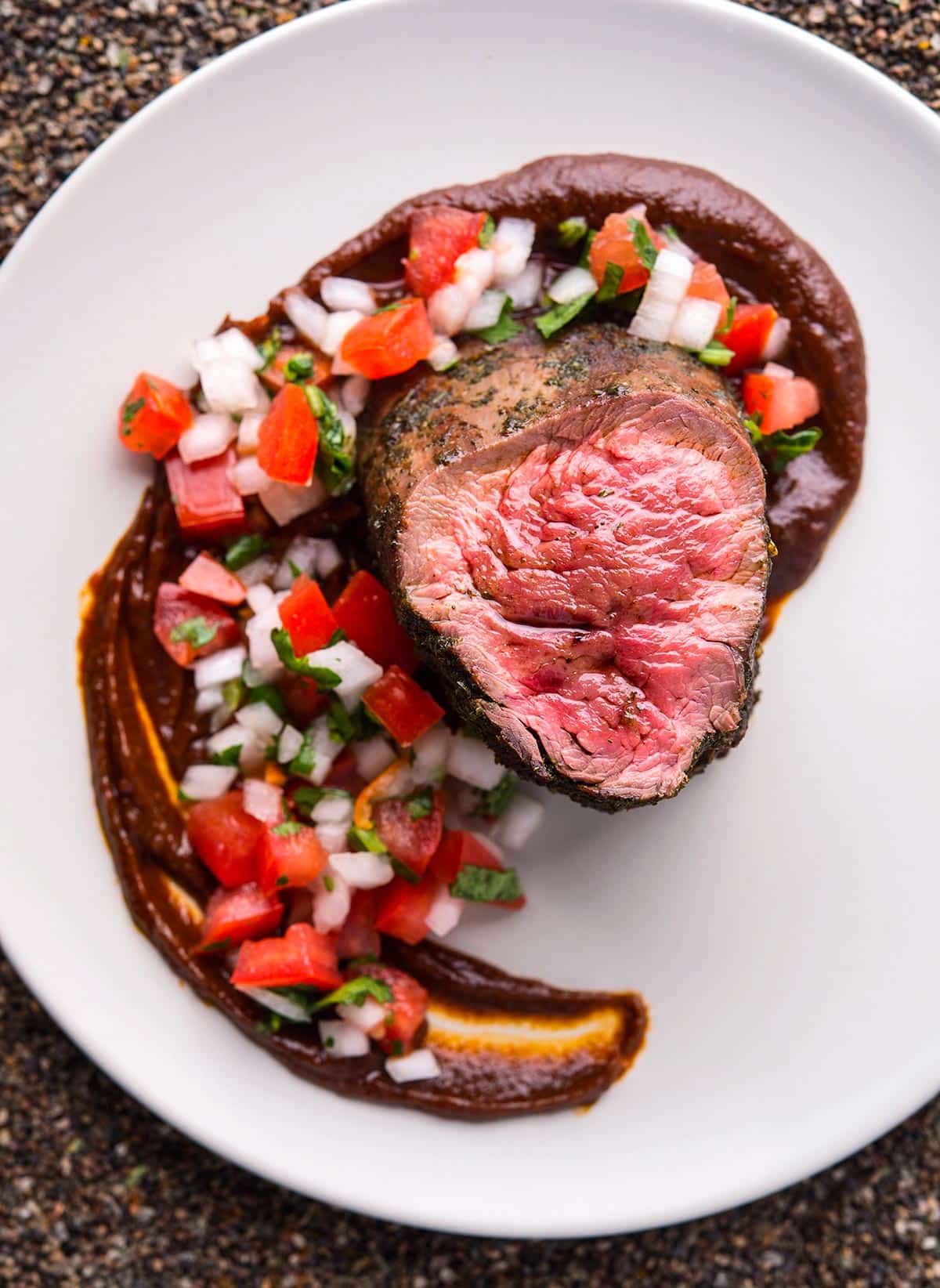
I like a small red wine pan sauce and roasted root vegetables. The sauce adds depth and the vegetables offer texture contrast.
Storage, leftovers, and reheating for the Best Elk Tenderloin Recipe
Elk keeps and reheats well if handled correctly.
- Refrigerate cooked tenderloin within two hours in an airtight container.
- Use within 3 to 4 days for best texture and flavor.
- To reheat, warm gently in a low oven (250°F) until 110–120°F, or slice thin and warm in a skillet with butter for 1–2 minutes per side. Avoid high heat to prevent drying.
Common mistakes and troubleshooting for the Best Elk Tenderloin Recipe
Avoid these pitfalls I learned the hard way.
- Overcooking the meat leads to dryness. Use a thermometer and remove early.
- Skipping rest time squeezes juices onto the plate. Always rest.
- Crowding the pan reduces sear quality. Cook in batches if needed.
- Using too much salt right before cooking can draw moisture; season ahead when possible.
If the tenderloin seems gamey:
- A short marinade with acid, herbs, and garlic for 1–2 hours can mellow strong flavors. Do not marinate overnight for tenderloin; it is already tender.
Short PAA-style questions (concise answers)
How long should elk tenderloin rest after cooking?
Rest elk tenderloin 8–10 minutes tented with foil. This lets juices redistribute and keeps slices moist.
Can I cook elk tenderloin from frozen?
It is best to thaw elk tenderloin in the fridge first. Cooking from frozen can cook unevenly and increase risk of overcooking the exterior.
Is elk tenderloin healthier than beef?
Elk tenderloin is leaner and often lower in fat and calories than beef, while providing similar protein and nutrients.
Frequently Asked Questions of Best Elk Tenderloin Recipe
What is the ideal internal temperature for elk tenderloin?
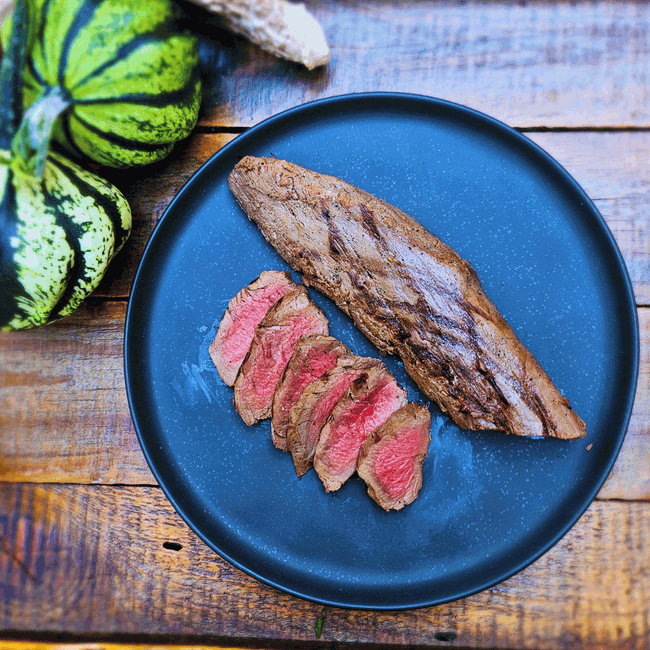
Aim for 120–125°F for medium-rare before resting. This yields a tender, slightly rosy center.
Can I use the same recipe for venison or other game?
Yes. The Best Elk Tenderloin Recipe works well for other lean game tenderloins, with the same care to avoid overcooking.
How should I season elk to enhance flavor without overpowering it?
Use simple salt, pepper, garlic, and fresh herbs. Light butter-basting brings balance without masking the meat.
How do I know when the sear is good enough?
A deep golden crust after 1–2 minutes per side indicates a good sear. Avoid blackened or burnt surfaces.
What side dishes pair best with elk tenderloin?
Choose earthy or bright sides like roasted root vegetables, sautéed greens, or a light parsnip mash to complement the meat.
Is it safe to eat elk tenderloin medium-rare?
Yes, whole-muscle cuts can be served medium-rare if handled and cooked properly. Follow safe food handling and use a thermometer.
Can I make a pan sauce with elk drippings?
Yes. Deglaze the pan with wine or stock, add shallots and butter, and reduce for a rich, quick sauce.
Conclusion
The Best Elk Tenderloin Recipe is simple and reliable. Focus on quality meat, a hot sear, butter-basting, and precise temperature control. Small steps—season early, use a thermometer, and rest the meat—create big rewards. Try this recipe this weekend, tweak the herbs and sauce to your taste, and share your results. If you enjoyed this guide, subscribe for more recipes, or leave a comment with your favorite elk pairing.

