

What Does Italian Gigli Pasta Taste Like?
Few pasta shapes spark as much curiosity as gigli. With its beautiful ruffled edges and delicate flower-like form, gigli stands out in any dish. But beyond its appearance, many people wonder: what does Italian gigli pasta actually taste like? If you’ve seen gigli on a menu or in a store and hesitated, you’re not alone. Understanding its flavor, texture, and best uses can transform your next meal.
This article explores the taste of gigli pasta in detail—going beyond the obvious. You’ll learn how its shape influences the experience, what sauces and pairings bring out its best qualities, and what makes gigli special compared to other Italian pastas.
By the end, you’ll know exactly what to expect from this elegant pasta and how to enjoy it to the fullest.
What Is Gigli Pasta?
Gigli pasta, sometimes called campanelle (“little bells” in Italian), comes from Tuscany. The name “gigli” means “lilies”—a nod to its trumpet-like shape with ruffled edges. This design isn’t just for looks. The curves and folds are ideal for holding thick or chunky sauces, making gigli a favorite for hearty Italian dishes.
You’ll find gigli made from semolina flour and water, like most classic Italian dry pastas. Some artisanal versions may use eggs or special wheat blends, but the basic ingredients stay simple.
What Does Gigli Pasta Taste Like?
At its core, gigli pasta has a mild, wheat-based flavor. The taste is not much different from other high-quality Italian pastas made with semolina. However, the experience of eating gigli is unique—mainly because of its shape and texture.
Flavor Profile
- Neutral wheat taste: Gigli tastes like good pasta—clean, slightly nutty, with a mild sweetness from the wheat.
- No strong flavors: Gigli is designed to be a canvas for sauces and ingredients. There are no added herbs, spices, or flavors in traditional gigli.
- Subtle nuttiness: If made with high-quality semolina, you may notice a gentle nutty note, especially if cooked al dente.
Texture And Mouthfeel
Where gigli truly shines is in the mouthfeel:
- Al dente bite: The thick center and ruffled edges create a contrast—firm in the middle, tender at the edges.
- Sauce-catching shape: The cone holds chunky sauces, and the frilly edges collect bits of cheese, vegetables, or meat.
- Satisfying chew: Gigli doesn’t turn mushy quickly. The sturdy shape stays pleasant in the mouth.
Some pasta lovers compare gigli’s texture to a cross between penne and farfalle (bow-tie pasta), but with more ability to hold rich sauces.
Why Shape Affects Taste
Many people overlook how pasta shape changes the eating experience. With gigli, the unique form means each bite delivers a mix of pasta, sauce, and toppings. This creates a more complex, satisfying flavor compared to smooth or thin pasta shapes.
For example, a tomato ragu will taste heartier with gigli than with spaghetti, because more sauce clings to the pasta and gets trapped inside the folds.
How Gigli Compares To Other Pastas
To help you understand gigli’s qualities, here’s a simple comparison with other popular pasta shapes:
| Pasta Shape | Typical Texture | Sauce Compatibility | Flavor Absorption |
|---|---|---|---|
| Gigli | Firm center, soft edges | Best with thick/chunky sauces | Very good |
| Spaghetti | Smooth, even | Best with thin sauces | Average |
| Penne | Firm, tubular | Good with creamy/tomato sauces | Good |
| Farfalle | Chewy center, thin edges | Light sauces, salads | Average |
As you can see, gigli’s standout quality is how well it holds and absorbs sauces, giving each bite more flavor.
Best Sauces And Dishes For Gigli
Gigli is versatile, but certain sauces and recipes highlight its strengths. Here are some classic and creative ways to enjoy gigli pasta:
- Thick tomato sauces: The folds catch every bit of ragu or chunky tomato sauce.
- Creamy cheese sauces: Gigli pairs beautifully with Alfredo, four-cheese, or gorgonzola sauces.
- Vegetable-based sauces: Roasted vegetables, mushrooms, or artichokes cling to the ruffled edges.
- Hearty meat sauces: Pork or beef ragu, sausage, and even slow-braised short rib sauces work well.
- Baked pasta dishes: Gigli holds up in the oven, making it perfect for baked casseroles or pasta bakes.
Example: Tuscan Gigli With Sausage And Kale
A popular Tuscan dish combines gigli with Italian sausage, kale, garlic, and a touch of cream. The pasta’s ruffles hold the sauce and sausage pieces, creating a flavorful, textured bite.
Table: Sauce Compatibility
Here’s a quick look at how gigli works with common pasta sauces:
| Sauce Type | Gigli Compatibility | Notes |
|---|---|---|
| Chunky tomato ragu | Excellent | Folds trap sauce and meat |
| Creamy Alfredo | Very Good | Holds creamy texture well |
| Pesto | Good | Edges catch bits of herbs and cheese |
| Light broth | Fair | Better with thicker sauces |
Cooking Gigli: Tips For Best Taste
To get the best taste and texture from gigli, pay attention to these practical tips:
- Cook until just al dente: Overcooked gigli loses its shape and becomes mushy. Test the thickest part for doneness.
- Use plenty of water: Gigli’s shape can stick together. Stir well in a large pot to keep pieces separate.
- Salt the water generously: This is your main chance to season the pasta.
- Don’t rinse after draining: Rinsing removes starch that helps sauces stick.
- Pair with bold flavors: Because gigli is mild, strong sauces and toppings shine.
Common Mistakes
- Undercooking: The center may stay too firm if you don’t check the thickest part.
- Choosing watery sauces: Thin sauces slide off, wasting gigli’s special shape.
- Overcrowding the pot: This can lead to uneven cooking and clumps.
Non-obvious Insights About Gigli Pasta
Many pasta fans miss the subtle ways gigli improves a meal:
- Ruffled edges create “flavor pockets”. Small bits of garlic, cheese, or meat get trapped in the folds, so every bite is more flavorful than with smooth pastas.
- Gigli can elevate leftovers. Its sturdy shape holds up when reheated, making next-day pasta taste almost as good as fresh.
- Great for cold pasta salads. Gigli stays firm even when chilled, and the shape keeps dressings and vegetables evenly distributed.
Nutrition And Dietary Information
Gigli pasta offers the same nutrition as traditional semolina pastas:
- Calories: About 200 calories per 2-ounce (56g) dry serving.
- Protein: Roughly 7 grams per serving.
- Carbohydrates: Around 42 grams per serving.
- Fat: Less than 1 gram per serving.
- Fiber: About 2 grams per serving.
Most gigli is vegan, unless it contains eggs. Always check the label if you have dietary restrictions. Some brands now offer gluten-free gigli, made with rice or corn flour.
Where To Find And Buy Gigli Pasta
Gigli is less common than penne or spaghetti, but you can find it in:
- Italian specialty shops
- Large supermarkets (look for “campanelle”)
- Online stores (many importers stock artisanal gigli)
Expect to pay a little more for gigli than for basic pastas, especially for handmade or bronze-cut varieties.
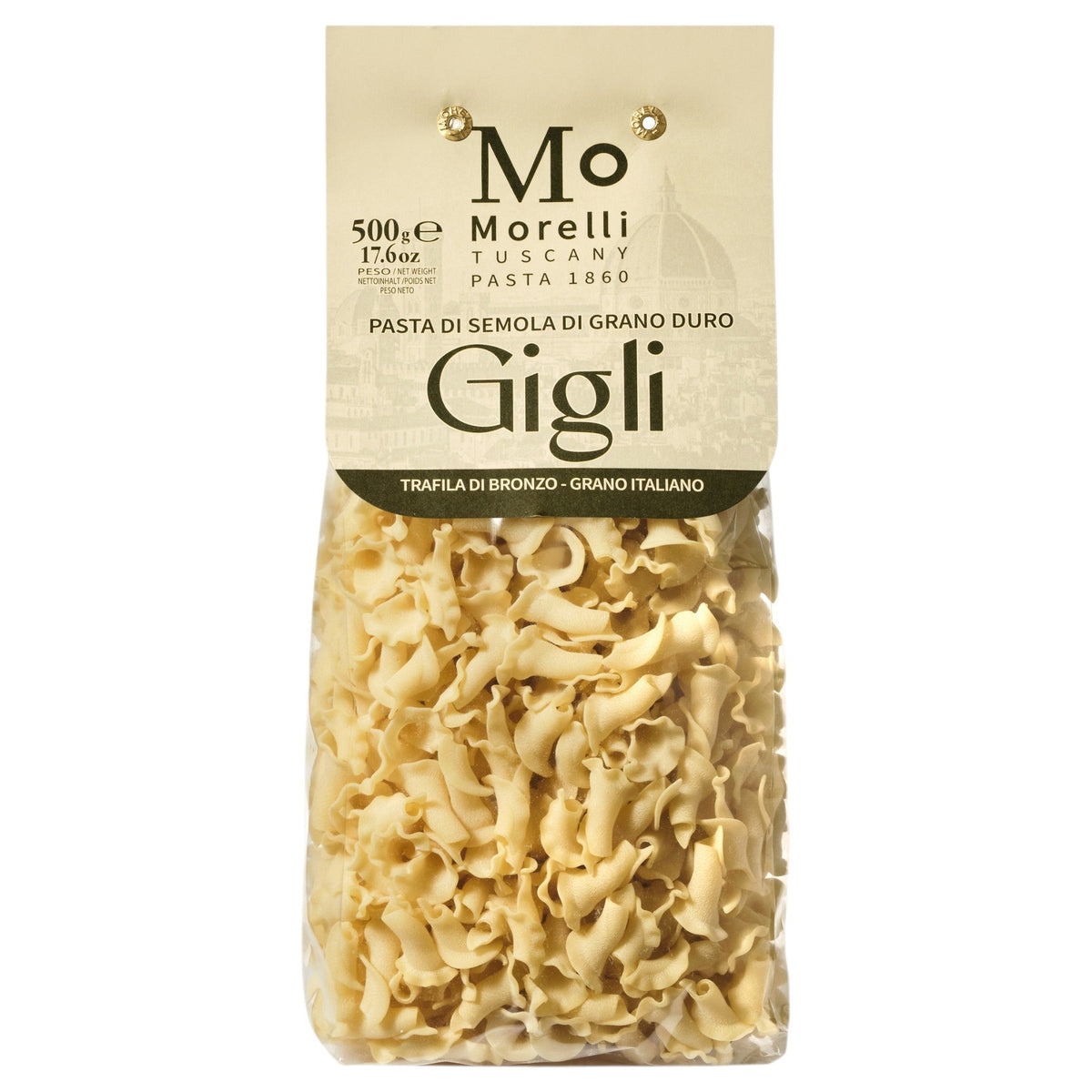
Table: Where To Buy Gigli
| Source | Availability | Typical Price (per lb) |
|---|---|---|
| Supermarkets | Sometimes | $2–$4 |
| Specialty Italian shops | Often | $4–$8 |
| Online retailers | Always | $3–$10 |
Gigli In Italian Food Culture
In Tuscany, gigli is often linked to celebratory meals and family gatherings. The lily (giglio) is a symbol of Florence, so the pasta has a special regional pride. It’s common at Easter or festive occasions, usually served with slow-cooked sauces that highlight local ingredients like wild boar, mushrooms, or pecorino cheese.
Chefs sometimes use gigli as a “showcase” pasta, because the shape looks elegant in both homey and upscale dishes.
How To Make Simple Gigli Pasta At Home
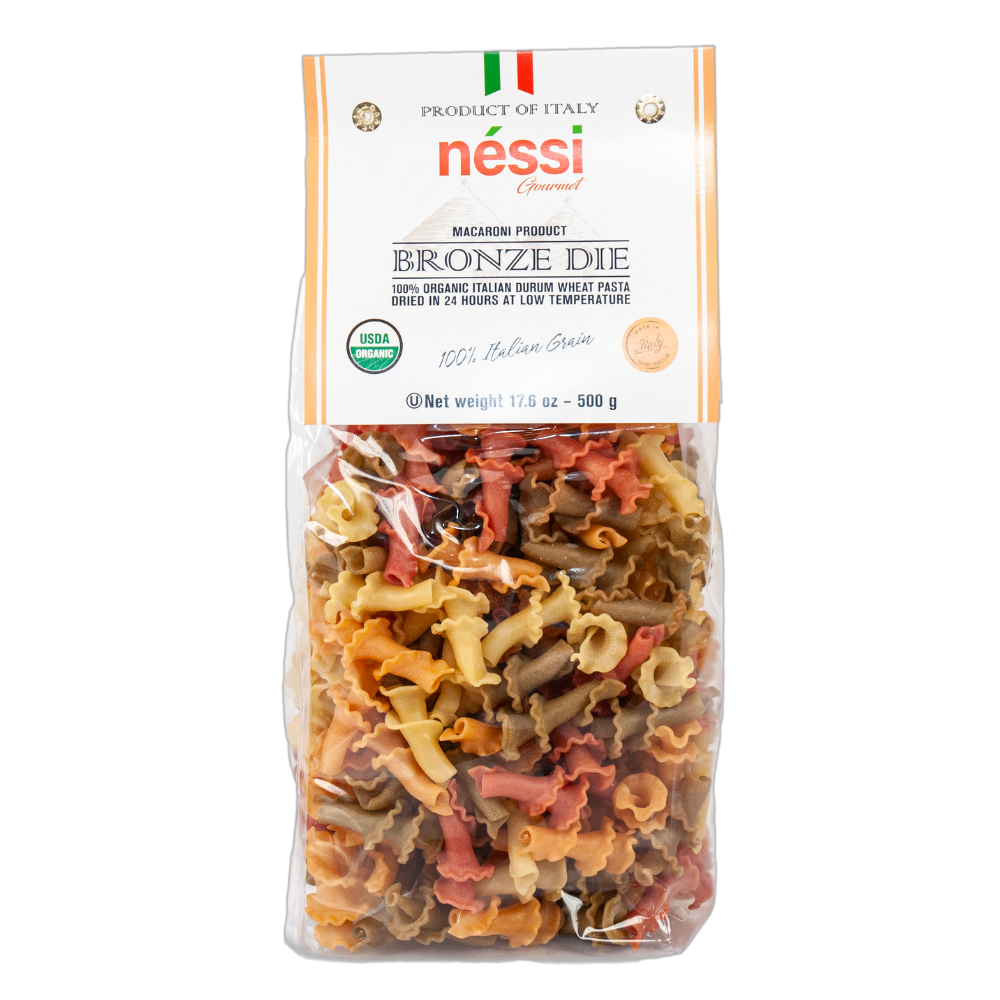
If you want to experience gigli’s taste without searching specialty stores, you can make a basic gigli pasta dish at home. Here’s a quick recipe idea:
Ingredients (for 2 Servings):
- 6 oz (170g) dried gigli pasta
- 1 cup chunky tomato sauce (homemade or good-quality jarred)
- 2 Italian sausages, cooked and sliced
- 1/2 cup chopped kale or spinach
- 2 tbsp grated Parmesan cheese
- 1 tbsp olive oil
- Salt and pepper to taste
Instructions:
- Boil a large pot of salted water.
- Add gigli pasta and cook until al dente (about 10–12 minutes, but check package).
- While pasta cooks, sauté sausage slices in olive oil until browned. Add kale and cook until wilted.
- Drain pasta (reserve 1/4 cup of cooking water).
- Add pasta, sauce, and reserved water to the pan with sausage and kale. Stir over low heat until well mixed.
- Serve hot, topped with Parmesan cheese.
This simple dish shows off gigli’s texture and how it holds onto sauce and toppings.
Frequently Asked Questions
What Sauces Go Best With Gigli Pasta?
Gigli pasta pairs best with thick, chunky sauces like ragu, sausage with greens, or creamy cheese sauces. The shape holds sauce well, so avoid thin, watery sauces.
Is Gigli Pasta The Same As Campanelle?
Yes, gigli and campanelle are two names for the same pasta shape. “Gigli” means “lilies,” and “campanelle” means “little bells,” but both refer to the same ruffled, trumpet-shaped pasta.
Does Gigli Pasta Taste Different From Other Pastas?
Gigli has a similar wheat flavor to most semolina pastas, but its texture and shape create a unique eating experience. The ruffles and cone shape hold more sauce and toppings, making each bite more flavorful.
Can I Use Gigli Pasta In Baked Dishes?
Absolutely. Gigli pasta works well in baked dishes because it holds its shape and doesn’t turn mushy. Try it in baked ziti or pasta casseroles for a twist on classic recipes.
Where Can I Learn More About Different Pasta Shapes?
To explore more about pasta shapes and their uses, visit the Wikipedia list of pasta for detailed explanations and photos.
Gigli pasta may seem fancy, but it’s surprisingly easy to enjoy at home. Its mild, nutty flavor and ruffled shape make it perfect for hearty Italian dishes—offering a new way to experience the best of Italian cuisine. Next time you’re choosing pasta, try gigli for a delicious, memorable meal.


