

Every pasta shape in Italy tells a story, and gigli pasta is no exception. Known for its beautiful, flower-like appearance, gigli (pronounced “JEEL-yee”) brings a touch of elegance to even simple meals. But what exactly is Italian gigli pasta made from? Many are drawn to its delicate curves and unique texture, yet few know the details behind its ingredients, history, and what sets it apart from other pastas. If you’re curious about this special pasta, you’re in the right place. Let’s explore everything about gigli pasta—its origins, how it’s made, and why it holds a special place in Italian cuisine.
What Is Gigli Pasta?
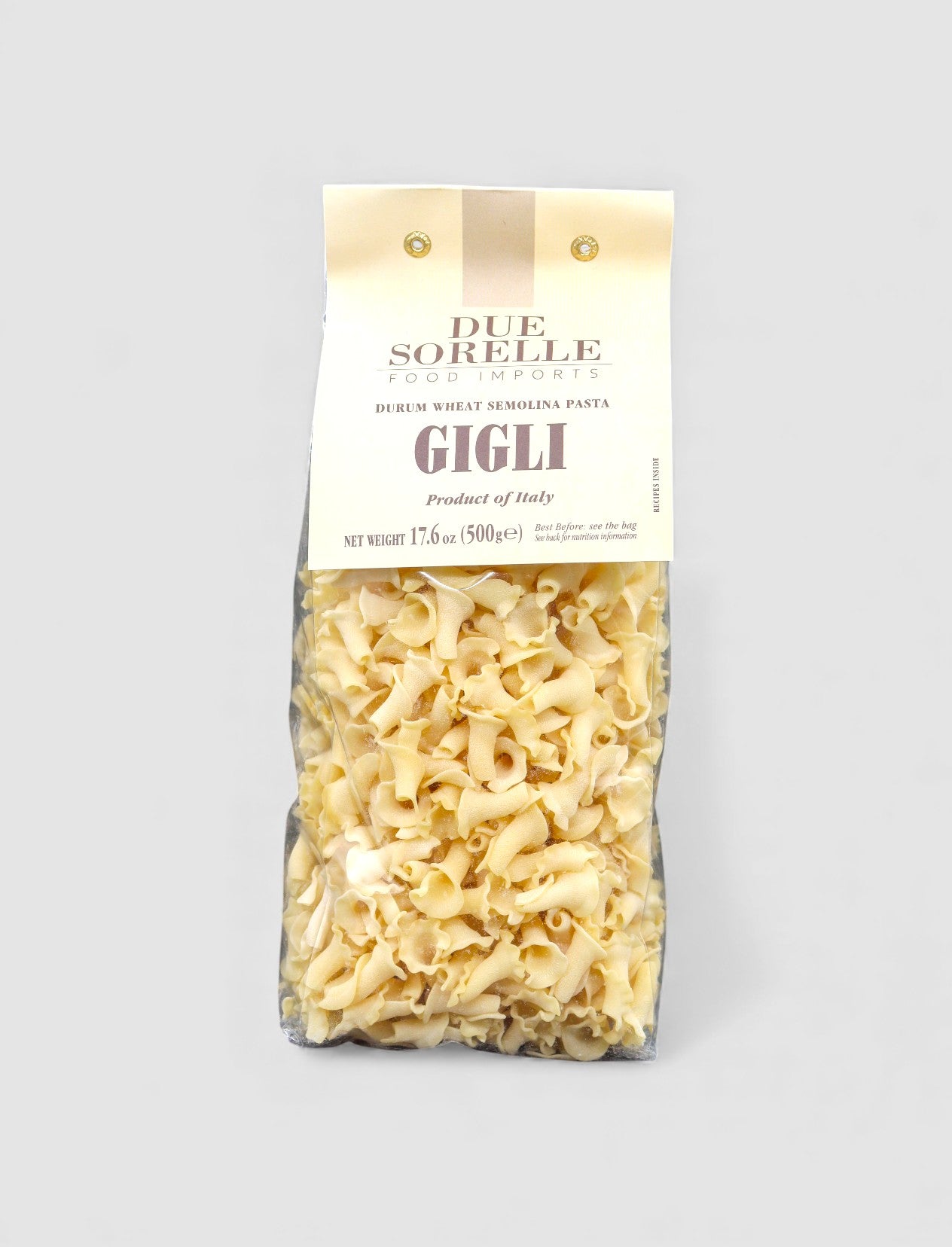
Gigli, sometimes called campanelle (meaning “little bells” in Italian), is a short, fluted pasta. Its shape resembles a flower or a bell with ruffled edges that curl out like petals. This design isn’t just for looks—the unique form holds sauces beautifully, making every bite flavorful.
Gigli is popular in Tuscany, especially around Florence, but you can now find it across Italy and in many specialty stores worldwide. While other pastas like penne or fusilli are more familiar, gigli stands out for both its appearance and its ability to pair with a range of sauces, from creamy to chunky.
Main Ingredients Of Italian Gigli Pasta
Let’s get straight to the question: What is gigli pasta made from? At its heart, traditional Italian gigli pasta uses only a few ingredients, but each matters.
1. Durum Wheat Semolina
The primary ingredient in authentic gigli pasta is durum wheat semolina. This is a coarse flour made from hard durum wheat. It gives the pasta its yellow hue, firm texture, and the chewiness that Italians love.
- Protein content: Durum wheat is high in protein (usually 12-14%). This helps the pasta hold its shape when cooked.
- Gluten strength: Strong gluten forms a stretchy dough, allowing gigli’s ruffled edges to stay crisp after boiling.
Semolina also gives pasta a slightly nutty, earthy flavor. It’s not just a base—it’s what makes Italian pasta, including gigli, stand apart from softer, all-purpose wheat pastas found elsewhere.
2. Water
The only other essential ingredient is water. When mixed with semolina, it forms a dough that can be shaped and dried. The water binds the semolina and activates gluten development, making the dough elastic enough to be rolled and formed.
3. Eggs (sometimes)
Some Italian regions add eggs to the pasta dough, especially for artisanal or homemade gigli. Eggs give a richer taste, golden color, and a softer bite. However, classic dried gigli is almost always made with just semolina and water. If eggs are used, the pasta is usually fresh (not dried) and eaten soon after making.
4. Other Flours (rarely)
A few modern or gluten-free versions substitute other flours, such as whole wheat, spelt, or rice flour. These are not traditional and change the texture and flavor. Authentic Italian gigli will almost always be semolina-based.
Here’s a simple table to compare the main ingredients of traditional and modern gigli:
| Ingredient | Traditional Gigli | Modern Variations |
|---|---|---|
| Durum Wheat Semolina | ✔️ | Sometimes replaced |
| Water | ✔️ | ✔️ |
| Eggs | Occasional | ✔️ (in fresh pasta) |
| Other Flours | Rare | ✔️ (gluten-free/whole grain) |
How Is Gigli Pasta Made?
While ingredients are simple, the process of making gigli pasta is an art. There are two main methods: traditional handmade and modern industrial.
Handmade Gigli
Artisans mix semolina and water to form a firm dough. The dough is kneaded until smooth, then rolled out into thin sheets. Small circles are cut, then each piece is shaped by hand—pressed and curled around a wooden stick or finger to create the bell shape and ruffled edge.
This method is labor-intensive, so handmade gigli is rare and often more expensive. However, the flavor and texture are unique, with a slightly rough surface that holds sauce better.
Industrial Production
Most gigli pasta sold in stores is machine-made. The dough is extruded through bronze dies—special metal plates with the gigli shape. Bronze dies give the pasta a rough texture, which is ideal for sauce adhesion.
After shaping, the pasta is dried at low temperatures to preserve flavor and texture. The drying process can take up to 48 hours for high-quality pasta. This is another reason why gigli pasta from Italy often tastes better than mass-produced brands.
Here’s a quick look at the differences:
| Aspect | Handmade Gigli | Machine-made Gigli |
|---|---|---|
| Texture | Rougher, irregular | Smoother, more uniform |
| Flavor | More wheat flavor | Milder |
| Availability | Rare, artisanal shops | Common, supermarkets |
| Price | Higher | Lower |
Nutritional Profile Of Gigli Pasta
Many people wonder if gigli pasta is healthy. Like most traditional Italian pastas, gigli is not highly processed. Its nutrition profile depends on the ingredients used.
Here are key nutritional facts for 100g of cooked traditional gigli pasta:
- Calories: 130–160 kcal
- Carbohydrates: 28–32g
- Protein: 5–6g
- Fat: Less than 1g
- Fiber: 1.5–2g
If eggs are added, the protein content increases slightly, and so does the fat. Whole wheat or spelt versions have more fiber.
Compared to other pasta shapes, gigli’s nutrition is almost identical—since the shape doesn’t change the base ingredients. However, the sauces and toppings you add can make a big difference.
A comparison with other common pasta shapes:
| Pasta Type (100g cooked) | Calories | Carbs (g) | Protein (g) | Fiber (g) |
|---|---|---|---|---|
| Gigli (semolina) | 140 | 29 | 5.5 | 1.8 |
| Penne | 140 | 29 | 5.5 | 1.7 |
| Whole Wheat Gigli | 135 | 27 | 6 | 3.5 |
| Egg Gigli | 155 | 28 | 6.5 | 1.7 |
Why Shape And Ingredients Matter
Gigli’s shape is more than just beautiful. The ruffled edges and hollow center catch sauce, cheese, and small vegetables. This means every forkful is flavorful—especially with chunky or creamy sauces.
The durum wheat semolina gives gigli pasta its classic bite—known as “al dente” in Italian. Because semolina is high in protein and gluten, it holds the shape and doesn’t become mushy when cooked. In contrast, pastas made with softer wheat or other flours can lose their form.
Another non-obvious point: the rough surface from bronze dies (in traditional gigli) helps sauce stick better than smoother, Teflon-extruded pasta. This is why Italians often prefer pasta from artisanal makers.
Common Uses And Pairings
Gigli pasta’s unique look and texture make it perfect for many dishes:
- Creamy sauces: Alfredo, mushroom, or cheese sauces cling to the folds and inside the bells.
- Vegetable-based sauces: Small pieces of zucchini, peas, or roasted peppers nestle in the ruffles.
- Hearty ragùs: Meat or sausage sauces fill the hollow, giving each bite substance.
- Baked dishes: Gigli holds up well in casseroles, staying firm even after baking.
A practical tip: avoid watery or thin sauces with gigli, as they may slip off. Instead, use thick, chunky, or creamy sauces for the best experience.

Artisanal Vs. Commercial Gigli Pasta
When shopping, you’ll see both artisanal and commercial gigli. Here’s what sets them apart:
- Artisanal gigli is usually made with traditional methods, bronze dies, and slow drying. It costs more but offers richer flavor and better sauce retention.
- Commercial gigli is made quickly, often with Teflon dies (smoother surface). It’s more affordable and widely available but may not hold sauce as well.
If you value taste and texture, try artisanal brands at least once. But if you’re in a hurry or cooking for a crowd, commercial gigli works well too.
Non-obvious Insights About Gigli Pasta
Many home cooks overlook a few important points:
- Water quality matters: Italian pasta makers often use mineral-rich water, which affects dough elasticity and flavor. If you want to experiment at home, try using filtered or spring water for subtle differences.
- Resting the dough: For handmade gigli, letting the dough rest 30 minutes improves texture. This gives gluten time to relax, making it easier to shape and less likely to tear.
These small details can elevate even simple homemade pasta.

Environmental Impact And Modern Trends
Traditional gigli pasta is relatively eco-friendly. Durum wheat is widely grown in Italy, and the minimal ingredients mean few additives or processing steps. Many Italian brands now use sustainable farming and packaging.
There is a growing trend of gluten-free gigli, using rice or corn flour. While these meet dietary needs, they often lack the chewy bite of real semolina gigli and may not hold sauce as well. Always check labels if you have allergies or dietary restrictions.
For more on pasta ingredients and regulations, the Wikipedia entry on pasta provides further detail.
Frequently Asked Questions
What Is The Difference Between Gigli And Campanelle Pasta?
Gigli and campanelle pasta are two names for the same shape. Both look like small bells or flowers with ruffled edges. In Italy, “gigli” is more common in Tuscany, while “campanelle” is used in other regions and by some pasta brands. The ingredients and uses are identical.
Is Gigli Pasta Gluten-free?
Traditional gigli pasta is not gluten-free because it’s made with durum wheat semolina. However, some brands now offer gluten-free versions using rice, corn, or other flours. These are suitable for people with celiac disease or gluten sensitivity, but the texture and taste will be different.
Can Gigli Pasta Be Made At Home?
Yes, you can make gigli pasta at home with just semolina flour and water (and eggs if you like). While shaping each piece by hand is time-consuming, it’s rewarding and allows you to control the ingredients. Using a pasta machine helps, but shaping the bell and ruffle is usually done by hand.
What Sauces Pair Best With Gigli Pasta?
Thick, chunky, or creamy sauces are ideal for gigli pasta. Alfredo, Bolognese, mushroom cream, and vegetable ragùs are popular choices. The shape holds sauce well, so every bite is flavorful. Avoid very thin or watery sauces, as they may not cling to the pasta.
How Should Gigli Pasta Be Cooked For The Best Texture?
To get the classic al dente texture, boil gigli pasta in plenty of salted water for 8–10 minutes (check the package for exact times). Stir occasionally to prevent sticking. Taste a piece before draining—the pasta should be firm but not hard. Overcooking will make it mushy and lose its shape.
Gigli pasta is a beautiful example of how simple ingredients—semolina and water—can become something special with the right shape and skill. Whether you buy it from an Italian shop or make it at home, understanding what goes into gigli pasta helps you appreciate every flavorful bite.

