

Italian Gigli pasta is more than a beautiful addition to your plate. This flower-shaped pasta, sometimes called “lily pasta,” is loved for its unique form and rich history. But beyond its looks, many people want to know: what is the nutritional value of Gigli pasta? Understanding its nutrition can help you make smarter choices for your meals, whether you’re seeking energy, watching your calories, or balancing your diet. This guide explores Gigli pasta’s nutrients, how it compares to other pastas, and how to make it a healthy part of your meals.
What Is Gigli Pasta?
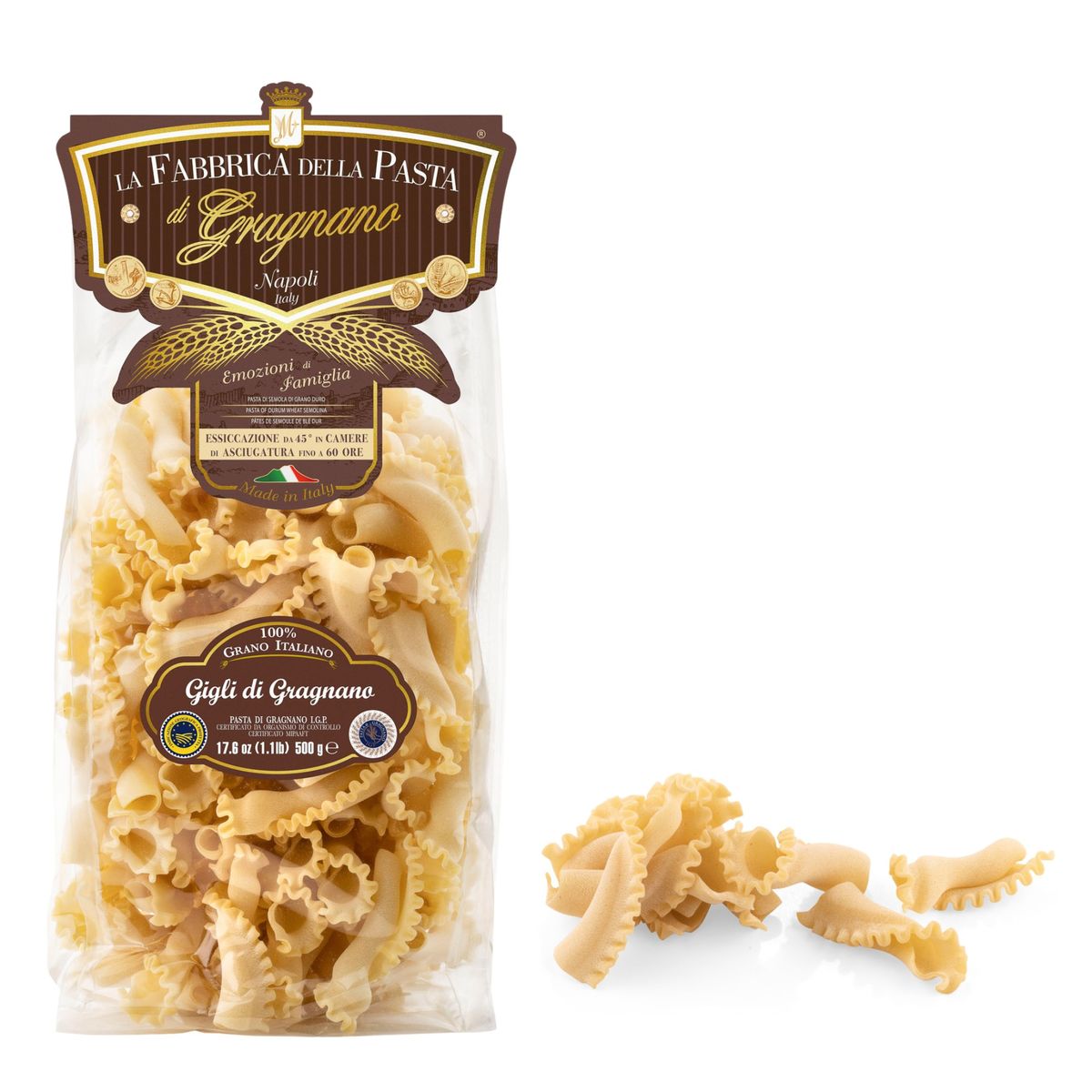
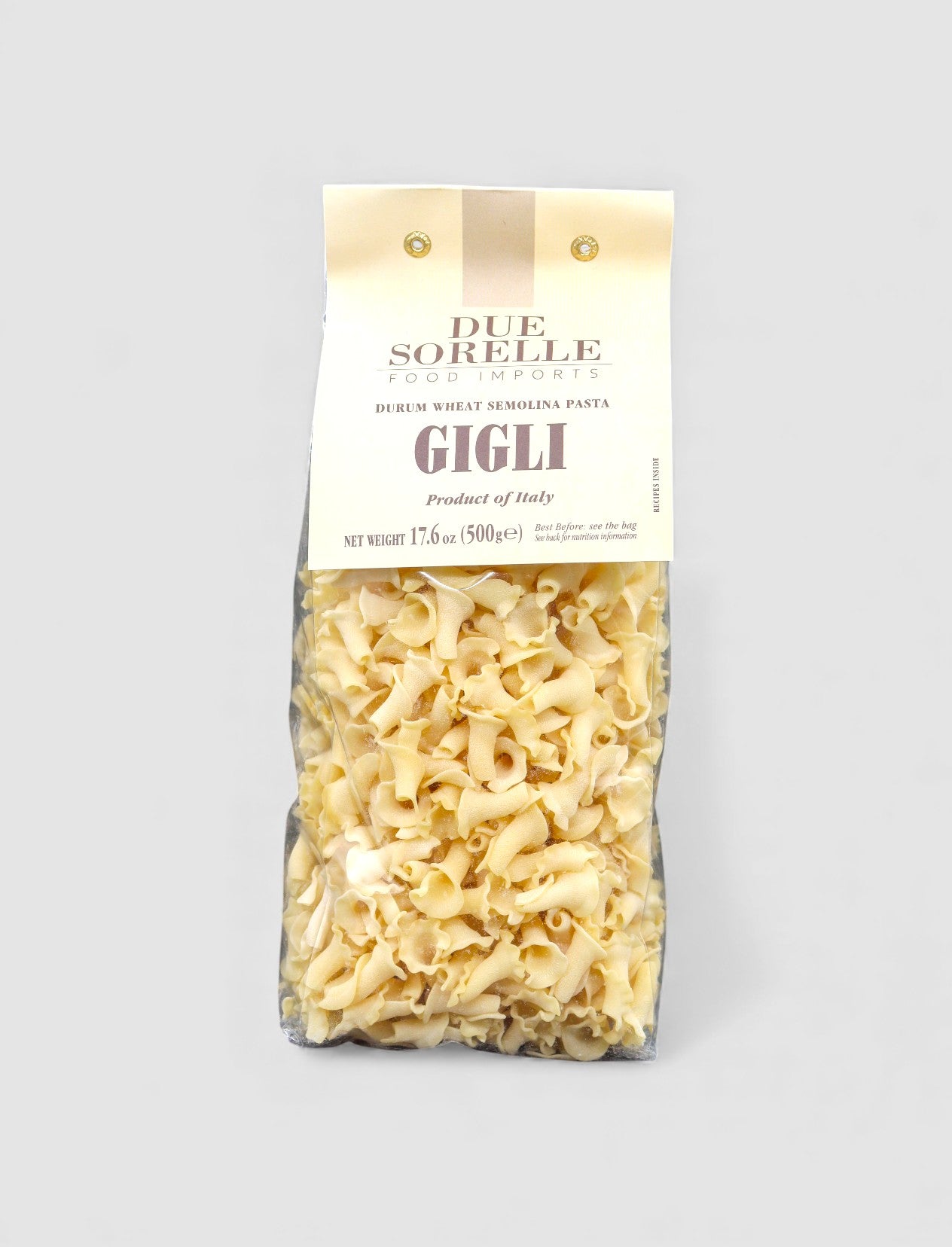
Gigli pasta comes from Tuscany, Italy. The name “Gigli” means “lily” in Italian, and the pasta is shaped like a trumpet or flower. Its design helps hold sauces well, making it popular in creamy and chunky recipes. Gigli is usually made from durum wheat semolina, which is the traditional base for most Italian pastas.
Gigli can be found in both regular (white) and whole wheat forms. Some artisan brands also make it gluten-free, using rice or chickpea flour. The nutritional value depends on the base ingredients, so it’s important to check the package.
Nutritional Breakdown Of Gigli Pasta
Knowing the numbers makes it easier to plan your meals. Below is a typical breakdown for 100 grams of cooked Gigli pasta made with durum wheat semolina.
| Nutrition | Amount (per 100g cooked) |
|---|---|
| Calories | ~130 kcal |
| Carbohydrates | ~26 g |
| Protein | ~5 g |
| Fat | ~0.7 g |
| Fiber | ~1.5 g |
| Sodium | ~1 mg |
| Iron | ~0.7 mg |
| Calcium | ~7 mg |
| Potassium | ~44 mg |
These values can change slightly depending on the brand, cooking method, or if you choose whole wheat or gluten-free versions.
Comparing Gigli Pasta To Other Pasta Types
Is Gigli pasta any different nutritionally from other shapes like penne or spaghetti? The answer depends mainly on the ingredients, not the shape. Most Italian pasta, including Gigli, uses durum wheat semolina.
Let’s compare Gigli pasta to classic spaghetti and whole wheat pasta:
| Pasta Type | Calories (100g cooked) | Carbs | Protein | Fiber |
|---|---|---|---|---|
| Gigli (regular) | 130 | 26g | 5g | 1.5g |
| Spaghetti (regular) | 132 | 25g | 5g | 1.4g |
| Whole Wheat Gigli | 120 | 23g | 4.5g | 3.5g |
| Gluten-Free Gigli (rice flour) | 125 | 27g | 2.5g | 0.8g |
As you can see, whole wheat Gigli offers more fiber, which is good for digestion. Gluten-free Gigli has less protein, which is important for those who need extra nutrients.
Key Nutrients In Gigli Pasta
Carbohydrates
Gigli pasta is mainly made of carbohydrates. These are your body’s main energy source, especially for active people or athletes. The carbs in pasta are complex, meaning they give slow and steady energy.
Protein
There is a small amount of protein in Gigli pasta, about 5 grams per 100 grams cooked. This is not enough as your main protein source, but it helps your body repair and build cells. If you want more protein, combine Gigli pasta with beans, cheese, or lean meats.
Fiber
Regular Gigli pasta has about 1.5 grams of fiber per serving. Whole wheat Gigli can offer more, sometimes up to 3.5 grams. Fiber helps with digestion, keeps you feeling full, and can help control blood sugar.
Vitamins And Minerals
Gigli pasta contains small amounts of iron, calcium, and potassium. These minerals support healthy blood, bones, and muscles. The amounts are not high, so pasta should be part of a balanced diet, not your only source of vitamins.
Fat And Sodium
Most Gigli pasta has very low fat and sodium. This makes it a healthy base for meals, especially if you want to avoid too much salt or unhealthy fat.
Gigli Pasta For Special Diets
Not everyone eats the same way. Here’s how Gigli pasta fits different needs:
- Vegetarian and Vegan Diets: Most Gigli pasta is vegan, made only from wheat and water. Check the package for eggs, which are rare in Italian pasta.
- Gluten-Free Diets: Some brands make Gigli pasta with rice, corn, or chickpea flour. Gluten-free versions have slightly different nutrients (less protein, less fiber).
- Low-Calorie Diets: Gigli pasta is not low in calories, but portion control helps. Choose whole wheat for more fiber and a longer feeling of fullness.
- High-Protein Diets: If you need more protein, pair Gigli pasta with protein-rich sauces or toppings.
How Cooking Methods Affect Nutrition
Cooking pasta changes its nutrition slightly. Overcooked pasta (soft texture) has a higher glycemic index, meaning it can raise blood sugar faster. Al dente pasta (firm texture) has a lower glycemic index, which is better for blood sugar control.
Adding sauces, oils, or cheese will increase calories, fat, and sodium. Choose tomato-based sauces for lower calories, and be careful with creamy or cheese-heavy recipes.
Gigli Pasta In Balanced Meals
To get the best nutrition from Gigli pasta, combine it with healthy toppings. Here are some ideas:
- Add vegetables like spinach, tomatoes, or bell peppers for more vitamins and fiber.
- Mix in beans, lentils, or chickpeas for extra protein.
- Use olive oil instead of cream for healthy fat.
- Sprinkle with herbs (basil, oregano) for flavor without extra calories.
A typical serving size is about 56 grams (dry), which makes about 150 grams cooked. This is enough for one adult.
Common Beginner Mistakes With Gigli Pasta
Many people make simple mistakes when using Gigli pasta:
- Overestimating Portion Size: Pasta expands when cooked. Beginners often eat more than one serving without realizing. Measure dry pasta before cooking.
- Ignoring the Sauce Nutrition: The pasta alone is healthy, but heavy sauces can add lots of calories and fat.
- Assuming All Pasta is the Same: Whole wheat and gluten-free versions have different nutrients. Always check the label.
- Overcooking: Soft, overcooked pasta is less filling and raises blood sugar faster.
Gigli Pasta Vs. Other Italian Pasta Shapes
Does the shape of pasta affect nutrition? Not directly. Most nutritional differences come from the ingredients, not the shape. However, Gigli’s flower shape holds sauces well, which can change the total calorie count of your dish.
Here’s a quick comparison of Gigli, penne, and fusilli:
| Pasta Shape | Calories (100g cooked) | Protein | Fiber | Special Feature |
|---|---|---|---|---|
| Gigli | 130 | 5g | 1.5g | Holds chunky sauces |
| Penne | 131 | 5g | 1.6g | Good for baked dishes |
| Fusilli | 132 | 5g | 1.7g | Twisted shape traps sauce |
For most people, the differences are small. Choose the shape that fits your recipe and taste.
Practical Tips For Healthy Gigli Pasta Meals
Making Gigli pasta part of a healthy meal is easy if you follow these tips:
- Measure your portions: Use a kitchen scale or measuring cup for dry pasta.
- Choose whole wheat when possible: It adds fiber and keeps you full longer.
- Balance your plate: Add protein and vegetables to make your meal complete.
- Cook al dente: This is better for blood sugar and digestion.
- Limit high-fat sauces: Use tomato, pesto, or olive oil-based sauces.
A non-obvious tip: Let pasta cool for a few minutes after cooking and then reheat it. This creates “resistant starch,” which is digested slower and can help with blood sugar control.
Gigli Pasta And Weight Management
Can Gigli pasta help with weight control? The answer depends on how you serve it. Pasta itself is not “fattening”—portion size and toppings matter most. Whole wheat Gigli is best for weight loss because it’s higher in fiber, making you feel full with fewer calories.
Some people fear pasta because of carbs, but studies show moderate pasta intake is fine in a balanced diet. The key is to avoid oversized portions and rich sauces.
Gigli Pasta For Athletes And Active People
If you’re active, Gigli pasta can be a good source of fuel. Its carbs provide energy before workouts, and the small amount of protein supports muscle repair. For extra nutrition, add lean chicken or fish, and include vegetables for vitamins.
A surprising insight: Eating pasta with a bit of healthy fat (like olive oil) slows digestion and keeps you energized longer. This is useful for endurance athletes.
Gigli Pasta In Italian Cuisine
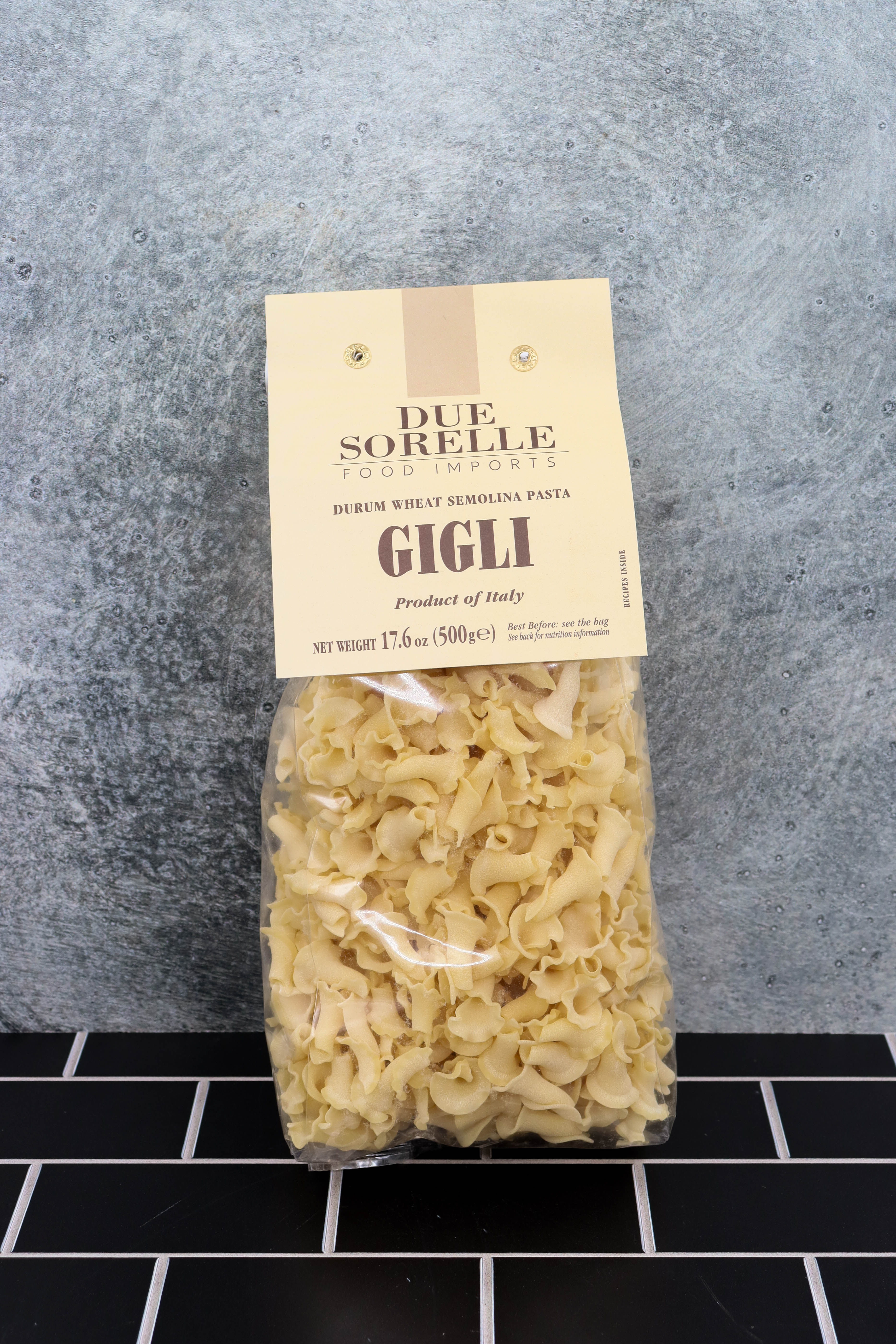
Gigli is often used in Tuscan recipes with rich sauces, vegetables, and sometimes meats. It’s not just a pretty shape—it was designed to hold thick sauces, making it perfect for hearty meals. When cooked properly, it adds both flavor and nutrition to your plate.
If you want to learn more about pasta shapes and Italian food history, visit the Wikipedia Pasta page.
Frequently Asked Questions
What Is Gigli Pasta Made From?
Gigli pasta is usually made from durum wheat semolina and water. Some brands offer whole wheat or gluten-free versions using rice, corn, or chickpea flour.
Is Gigli Pasta Healthy?
Yes, Gigli pasta is healthy when eaten in moderation. It is low in fat and sodium. Whole wheat Gigli offers more fiber and is better for digestion.
How Much Protein Does Gigli Pasta Have?
Cooked Gigli pasta has about 5 grams of protein per 100 grams. Gluten-free versions may have less protein.
Can Gigli Pasta Be Part Of A Gluten-free Diet?
Yes, but only if you buy Gigli pasta made from gluten-free ingredients like rice or chickpea flour. Regular Gigli pasta contains gluten.
What Is The Best Way To Serve Gigli Pasta For Maximum Nutrition?
Combine Gigli pasta with vegetables, lean proteins (chicken, beans), and healthy fats like olive oil. Use tomato-based sauces to keep calories low and nutrition high.
Italian Gigli pasta is a beautiful, versatile food that fits many diets. Its nutritional value is similar to other classic pasta shapes, but choosing whole wheat or gluten-free versions can help meet specific health goals. With smart portion control and healthy toppings, Gigli pasta can be a tasty and balanced part of your meals.
Whether you’re cooking for yourself or a family, understanding the nutritional value of Gigli pasta will help you enjoy Italian cuisine with confidence and health.

