Is Gigli Pasta The Same As Campanelle?
Choosing the right pasta shape can change your meal completely. You might walk down the grocery aisle and see two curly, ruffled types: Gigli and Campanelle. They look similar, but are they the same? Many home cooks and even experienced chefs get confused by these pasta shapes. Understanding the differences can help you make better choices for your recipes, improve your cooking, and even impress your dinner guests.
Let’s dive into the world of Gigli pasta and Campanelle. We’ll look at their origins, shapes, uses, and the reasons behind the confusion. You’ll learn exactly what sets them apart, when to use each, and how not to mix them up. Whether you’re a pasta lover, a curious cook, or just someone who enjoys learning about food, this guide will give you clear answers.
What Is Gigli Pasta?
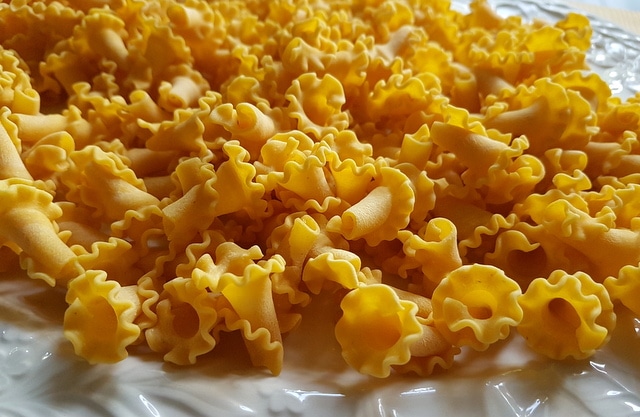
Gigli (pronounced “JEEL-yee,” also called “campanelle” in some regions) is a type of Italian pasta shaped like a small, fluted flower or bell. The word “gigli” means “lilies” in Italian, and the shape is inspired by the lily flower, which is the symbol of Florence.
Gigli has a distinct, ruffled edge that curls outward, and a hollow center that looks almost like a trumpet or a tulip. This unique design helps it catch sauces, cheese, and bits of vegetables or meat.
Key Features Of Gigli
- Shape: Small flower or bell with ruffled edges
- Origin: Tuscany, especially Florence
- Texture: Holds sauces well thanks to its curls and hollow center
- Typical Size: About 1.5 to 2 inches long when dry
Gigli is often used in creamy dishes, baked pasta, or with chunky vegetable sauces. Its shape makes it both pretty and practical.
What Is Campanelle?
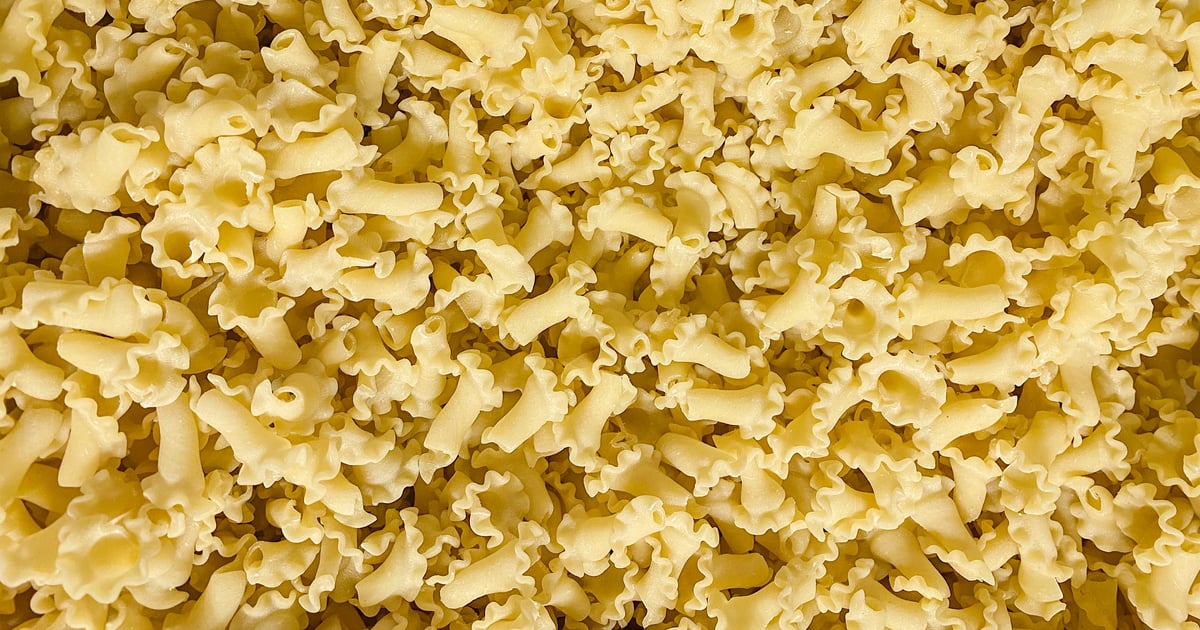
Campanelle (pronounced “kam-pah-NELL-ay”) means “little bells” in Italian. The shape is similar to Gigli: a small cone with ruffled edges that flare out, resembling a bell or a flower.
Campanelle is known for its ability to trap sauce and ingredients inside the cone and along the curls. It’s a favorite for hearty sauces, thick ragù, or even pasta salads.
Key Features Of Campanelle
- Shape: Bell-like cone with ruffled edges, slightly wider opening than Gigli
- Origin: Southern Italy, but now made everywhere
- Texture: Chewy, with ridges for holding sauce
- Typical Size: 1.5 to 2 inches, similar to Gigli
Campanelle is versatile and used in both everyday and special-occasion dishes.
Comparing Gigli And Campanelle
It’s easy to see why so many people think Gigli pasta and Campanelle are the same. They look nearly identical at first glance, and many brands use the names interchangeably. However, there are subtle but important differences.
Here’s a side-by-side comparison to help you spot the differences:
| Feature | Gigli | Campanelle |
|---|---|---|
| Shape | Flower/bell with tighter ruffles | Bells with wider cone and looser ruffles |
| Origin | Tuscany (Florence) | Southern Italy |
| Typical Size | 1.5–2 inches | 1.5–2 inches |
| Texture | Smooth or slightly ridged | Often more pronounced ridges |
| Other Names | Riccioli, Mafaldine Ricci | Gigli (by some brands) |
Why Are They Often Confused?
- Similar appearance: Both look like small, curly flowers or bells.
- Brand labeling: Some pasta companies use the names “Gigli” and “Campanelle” for the same product. In the US, “campanelle” is more common on packaging, while in Italy, “gigli” is used more often.
- Culinary overlap: Both shapes are used in similar dishes.
History And Origins
Understanding the story behind these shapes helps explain the confusion. Pasta shapes have evolved over centuries, with each Italian region creating its own styles.
The Story Of Gigli
Gigli was born in Florence, where the lily is a city symbol. Artisans wanted to create a pasta that honored this symbol, resulting in a flower-shaped noodle. Gigli is often made by hand in Tuscany, giving it unique curves and ruffles.
The Story Of Campanelle
Campanelle comes from southern Italy, where “campana” means “bell.” It was designed to look like small church bells. Over time, as pasta making became industrialized, the shape spread across Italy and the world.
Modern Confusion
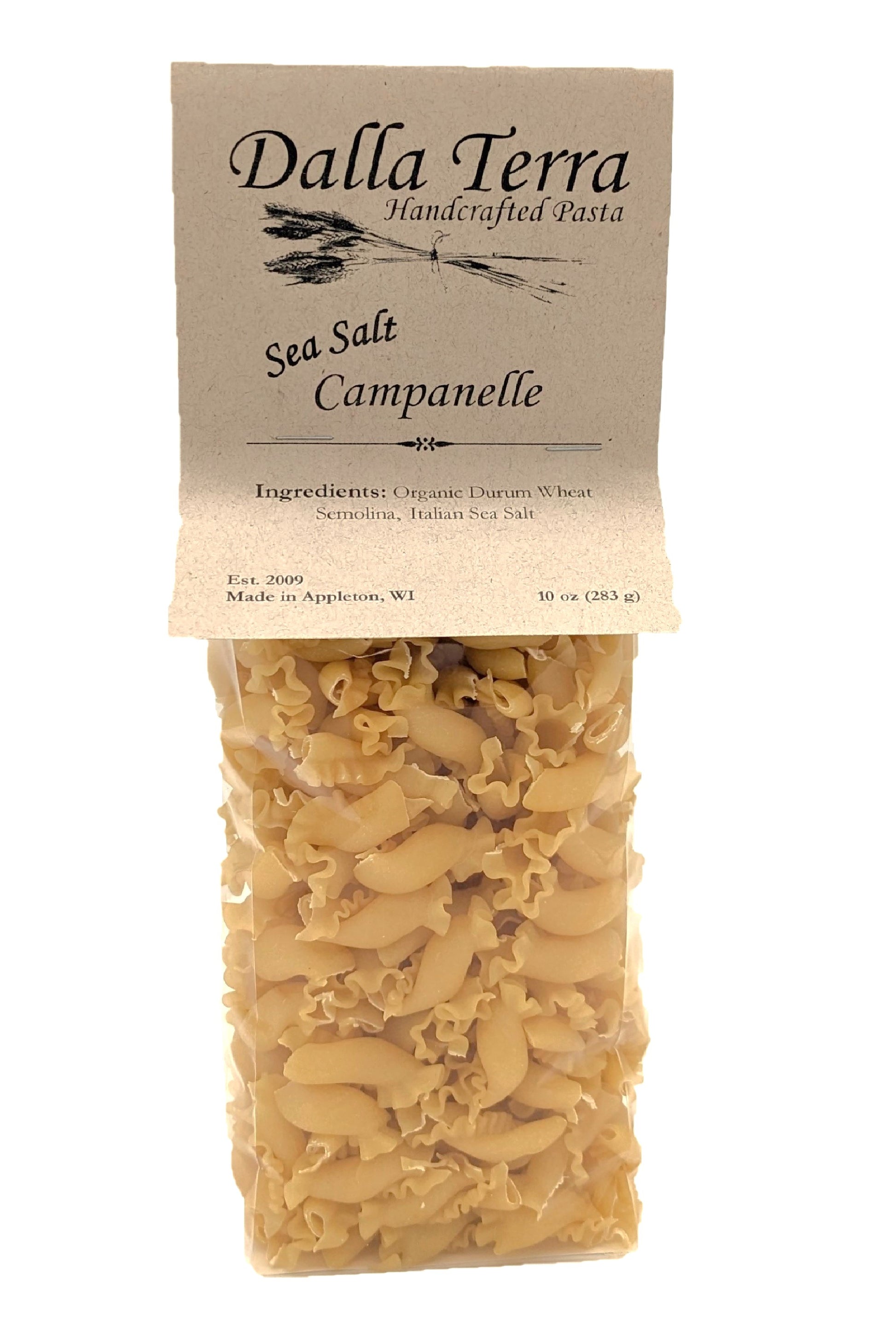
Today, many pasta factories use machines that produce shapes nearly identical to both gigli and campanelle. As a result, the names have become mixed up, especially outside Italy. If you buy pasta in the US, you’re more likely to find “campanelle” on the box, even if the shape is technically gigli.
Cooking With Gigli And Campanelle
Both Gigli pasta and Campanelle are prized for their ability to hold sauce. Their curly shapes make them perfect for a wide range of recipes.
Best Sauces And Dishes
- Creamy sauces: Alfredo, cheese, or cream-based sauces cling to the ruffles.
- Chunky sauces: Meat ragù, sausage, or vegetable sauces fill the hollows.
- Baked pasta: Both shapes work well in casseroles or baked dishes.
- Salads: The shapes hold dressing and bits of cheese or veggies.
Cooking Tips
- Use plenty of water: These shapes can stick together. Stir often.
- Check doneness: Their thicker curves may need an extra minute or two to cook through.
- Don’t overcook: The ruffles can become mushy if boiled too long.
- Sauce pairing: Choose thicker sauces that can cling to the pasta’s curves.
Practical Example
If you’re making a classic four-cheese pasta bake, both gigli and campanelle will catch the cheese and create a creamy, satisfying bite. For a traditional Tuscan sausage ragù, gigli is the authentic choice, but campanelle works almost as well.
Gigli And Campanelle In The Market
A quick look at grocery stores shows how the two shapes are labeled and sold. Some brands use both names on the same package, while others stick to one. Here’s a look at how popular brands present them:
| Brand | Name on Package | Shape Description |
|---|---|---|
| Barilla | Campanelle | Bell-shaped with ruffled edge |
| De Cecco | Campanelle | Bell-shaped, wider cone |
| Rustichella d’Abruzzo | Gigli | Lily-shaped, tighter ruffles |
| Trader Joe’s | Gigli | Flower-shaped, curly edge |
Non-obvious Shopping Tips
- Look closely: If you want a true lily shape, examine the curls and opening. Gigli is more like a closed flower, campanelle more open.
- Check Italian brands: Traditional Italian brands are more likely to use the original names correctly.
- Cooking time: Some shapes are thicker or tighter curled—read the package for recommended boiling time.
Nutritional Information
Both Gigli and Campanelle are made from semolina wheat, unless otherwise labeled (such as gluten-free or whole wheat options). Their nutritional value is nearly identical.
Here’s a breakdown per 2-ounce (56g) dry serving:
| Nutrient | Gigli | Campanelle |
|---|---|---|
| Calories | 200 | 200 |
| Protein | 7g | 7g |
| Carbohydrates | 42g | 42g |
| Fiber | 2g | 2g |
| Fat | 1g | 1g |
Whole wheat and specialty versions can have more fiber and protein, but the difference between gigli and campanelle is minimal.
When To Use Gigli Vs Campanelle
While you can often swap one for the other, a few recipes work better with the authentic shape.
Choose Gigli When
- You want to make a Tuscan recipe or honor Florentine tradition.
- The sauce is thick and chunky, needing a tighter shape to hold it.
- You’re creating an elegant, flower-shaped presentation.
Choose Campanelle When
- You want a more open cone for trapping bits of meat or vegetables.
- The recipe is from southern Italy or calls for “little bells.”
- You prefer a slightly chewier bite with more pronounced ruffles.
Common Mistakes
- Thinking they’re always the same: Not all brands use the names correctly.
- Overcooking: Both shapes can lose their texture if boiled too long.
- Choosing the wrong sauce: Thin, runny sauces can slip off the curves.
The Bottom Line: Are They The Same?
Gigli pasta and Campanelle are not exactly the same, but they are very close. The main differences are:
- Origin and history: Gigli is from Tuscany, campanelle from southern Italy.
- Shape details: Gigli is a tighter, more flower-like curl; campanelle is a wider, bell-like cone.
- Naming confusion: Some brands use the names interchangeably.
For most recipes, you can substitute one for the other. If you want to be true to tradition, use gigli for Tuscan dishes and campanelle for southern Italian recipes. Always check the shape and texture before buying, and remember that the right pasta can make your meal stand out.
If you’re interested in the full history of Italian pasta shapes and naming, check out this detailed guide on Wikipedia.
Frequently Asked Questions
Is Gigli Pasta The Same As Campanelle?
No, gigli pasta and campanelle are not exactly the same, though they are very similar. Gigli is shaped like a lily or flower, with tighter curls, while campanelle is more bell-shaped with a wider opening. The difference is subtle, and many brands use the names for the same shape.
Can I Substitute Gigli For Campanelle In Recipes?
Yes, you can usually substitute one for the other in most recipes. Both shapes hold sauce well and work in creamy, chunky, or baked dishes. However, for traditional Italian recipes, try to use the authentic shape.
Why Do Some Brands Use Both Names?
Some brands use gigli and campanelle interchangeably because the shapes are so similar and because of regional differences in naming. In Italy, gigli is more common, while in the US, campanelle is often used.
What Sauces Work Best With These Pasta Shapes?
Both gigli and campanelle are great with thick, creamy, or chunky sauces. Examples include cheese sauce, meat ragù, and vegetable sauces. Their curls and hollow centers trap sauce for a flavorful bite.
Are There Other Pasta Shapes Similar To Gigli And Campanelle?
Yes. Shapes like riccioli and mafaldine ricci have ruffled edges and catch sauce well, but their form is a bit different. Always check the package for a picture if you want a specific shape.
Choosing between gigli and campanelle isn’t just about tradition—it’s about making your pasta dish delicious and memorable. Knowing these subtle differences can help you cook with confidence and add a touch of authentic Italian flair to your table.