

Is Italian Gigli Pasta Good For Creamy Sauces?
Italian cuisine is famous for its variety of pasta shapes, each designed for a special type of sauce. Gigli pasta, sometimes called campanelle, is one of those unique shapes that often catches the eye in the grocery store. Its fluted, flower-like appearance stands out, but many home cooks wonder: is gigli pasta actually good for creamy sauces? Let’s explore the qualities of gigli, how it works with rich, creamy sauces, and practical tips for making the most of this elegant pasta.
What Is Gigli Pasta?
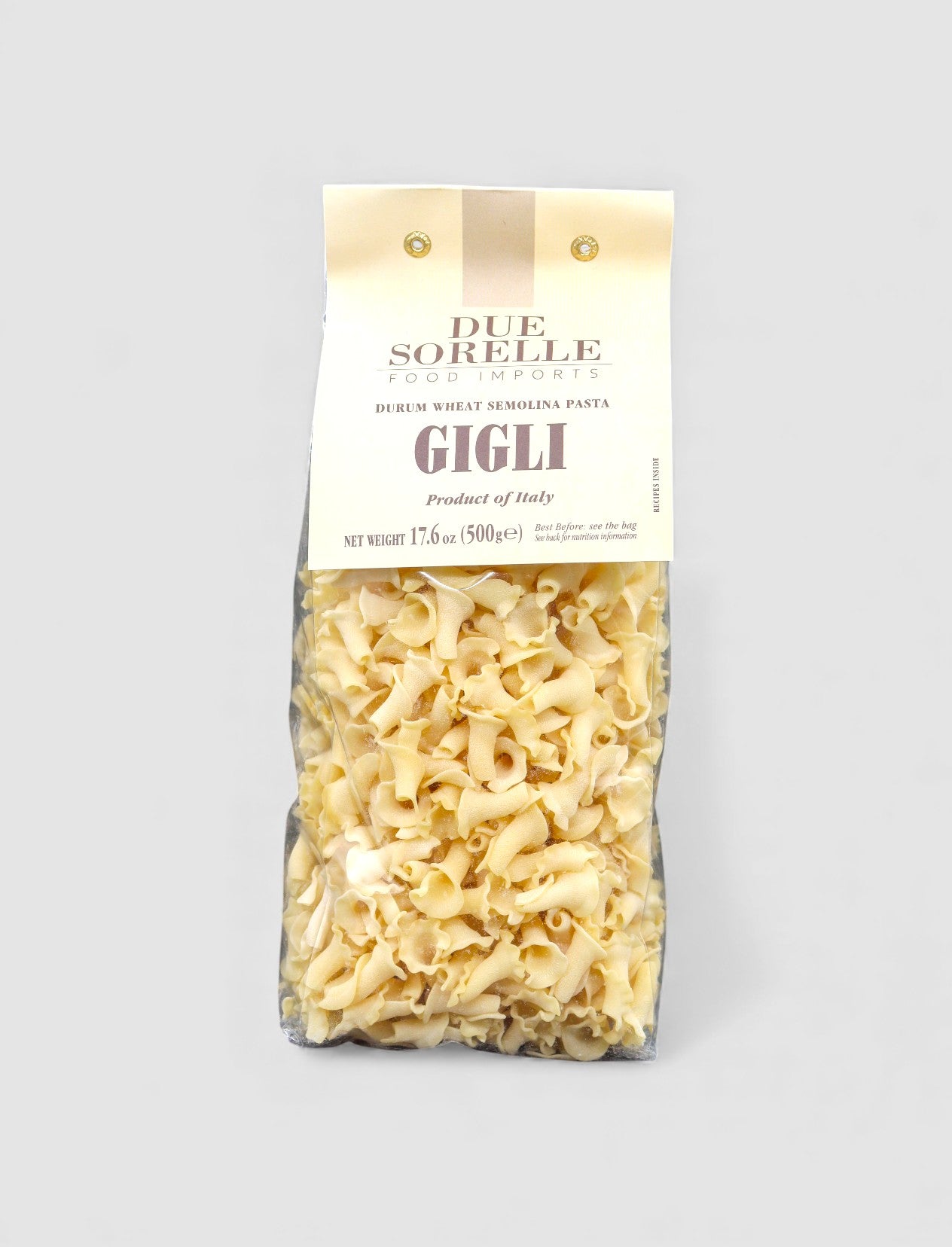
Gigli pasta comes from Italy, and its name means “lilies” in Italian. The shape looks like a small bell or a flower, with ruffled edges that curl outward. Sometimes you’ll see it labeled as campanelle, which means “little bells.” This beautiful pasta is not just made for looks. Its special shape is designed to hold sauce in every bite.
Gigli pasta is usually made with durum wheat semolina, which gives it a firm, chewy texture after cooking. The ruffled edges and the hollow center are not just decorative—they play a big role in how sauces cling to the pasta.
Why Sauce And Pasta Shape Matter
When it comes to pasta, shape and sauce pairing is more than tradition—it’s about eating experience. Thin noodles like spaghetti are good for light, oil-based sauces, while short, ridged shapes such as rigatoni or penne work well with chunky or creamy sauces. The secret is in how well the sauce sticks to the pasta and how each bite feels in your mouth.
Some sauces slide right off smooth pasta, leaving you with bland bites. Other sauces need a pasta shape that can hold thick, creamy mixtures inside its curves and folds.
Gigli Pasta’s Design: Perfect For Creamy Sauces?
Let’s take a closer look at why gigli pasta is often seen as a good match for creamy sauces.
| Pasta Shape | Texture | Sauce Clinging Ability |
|---|---|---|
| Gigli | Ruffled, hollow | Excellent |
| Penne | Smooth, tubular | Good |
| Spaghetti | Long, round | Average |
| Farfalle | Pinched, bow tie | Good |
The ruffled edges of gigli create small pockets that trap sauce. The hollow center holds even more, so each bite is creamy and flavorful. This is especially important with thick sauces like Alfredo, four cheese, or creamy mushroom, which need a pasta that can scoop up and hold the sauce.
Unlike smooth pasta shapes, gigli’s twists and folds help the sauce stick, not just coat the outside. The result is a better balance of pasta and sauce, with less sauce left at the bottom of the plate.
How Creamy Sauces Behave With Different Pasta Shapes
Creamy sauces are usually thick, rich, and sometimes heavy. They contain fats from butter, cream, or cheese that can slide off smooth surfaces. Gigli’s ridges and curves grab onto these sauces, so the flavor stays with the pasta.
Here’s how gigli compares to other popular pasta shapes when it comes to creamy sauces:
| Pasta Shape | How Well It Holds Creamy Sauce | Best Creamy Sauce Types |
|---|---|---|
| Gigli | Excellent | Alfredo, cheese, mushroom, tomato cream |
| Fettuccine | Good | Alfredo, carbonara |
| Penne | Very Good | Vodka, cheese, tomato cream |
| Linguine | Average | Light cream, seafood cream |
Non-obvious insight: Gigli does more than just hold sauce on the surface. The inner curl lets you experience both pasta and sauce together, giving you a fuller taste with every bite.

Best Creamy Sauces For Gigli Pasta
You can use gigli with almost any creamy sauce, but some combinations stand out. Here are the top sauces that pair beautifully with gigli:
- Alfredo Sauce: The smooth, buttery texture sticks to gigli’s ridges.
- Four Cheese Sauce: Rich and thick, this sauce finds a home in every twist and pocket.
- Mushroom Cream Sauce: Gigli holds small mushroom pieces and cream, making each forkful balanced.
- Vodka Sauce: The tomato and cream blend coats gigli well.
- Spinach and Ricotta Cream: Small spinach pieces and creamy cheese fit perfectly in gigli’s curls.
Practical Tip
For extra flavor, finish cooking gigli in the sauce for the last 2-3 minutes. This helps the pasta absorb some of the sauce and become even more flavorful.
Cooking Gigli For Creamy Sauces
Properly cooked gigli is key for creamy sauces. Here’s how to get it right:
- Use lots of water: Gigli needs space to move, so use at least 4 quarts of water for every pound of pasta.
- Salt the water: Add 1-2 tablespoons of salt. This seasons the pasta from the inside.
- Stir gently: Gigli’s shape can stick together. Stir a few times in the first few minutes.
- Cook until al dente: Test the pasta 1-2 minutes before the package time. Gigli should be tender but still a little firm.
- Reserve pasta water: Save a cup of the starchy water before draining. This can loosen your sauce if it’s too thick.
- Don’t rinse: Rinsing removes starch that helps sauce stick.
Non-obvious insight: Overcooked gigli can become mushy and lose its shape, making it harder for sauce to cling.
Common Mistakes When Using Gigli With Creamy Sauces
Even experienced cooks can make errors when pairing pasta and sauce. Here are mistakes to watch out for:
- Overcooking the pasta: Gigli’s curls can fall apart if boiled too long.
- Not enough sauce: Creamy sauces should generously coat every piece. If you use too little, the pasta will taste dry.
- Sauce too thick: If the sauce is heavy, add reserved pasta water a little at a time.
- Adding sauce too late: Mix pasta and sauce together quickly after draining, so the sauce sticks well.
Gigli Vs. Other Pasta Shapes For Creamy Sauces
You might wonder how gigli compares to other favorites for creamy sauces. Here’s a quick comparison:
| Shape | Surface Area | Holds Sauce | Texture in Sauce |
|---|---|---|---|
| Gigli | High (ruffled) | Excellent | Soft with chewy edges |
| Rigatoni | Medium (ridged) | Very good | Firm, hearty |
| Penne | Medium (smooth) | Good | Firm, less sauce inside |
| Farfalle | Medium (pinched) | Good | Soft with thick center |
Gigli stands out for its ability to trap and hold creamy sauce, while still giving you a pleasing, soft texture. It’s less firm than rigatoni but holds more sauce than penne or farfalle.
When Not To Use Gigli With Creamy Sauces
While gigli is excellent for many creamy sauces, it’s not always the best choice. Here are situations where another shape might work better:
- Very thick, chunky sauces: If your sauce has large pieces of meat or vegetables, rigatoni or penne may be better.
- Delicate seafood sauces: Thin, silky sauces can get lost in gigli’s folds—linguine or fettuccine might be a better match.
- Soups: Gigli can become too soft and fall apart in brothy dishes.
How To Serve Gigli With Creamy Sauces
Serving gigli with a creamy sauce is about more than just flavor. Presentation matters too. Gigli’s unique shape looks beautiful on the plate. Try these tips for an eye-catching dish:
- Toss gently: Mix pasta and sauce carefully so gigli keeps its curls.
- Garnish: Add a sprinkle of chopped herbs, grated cheese, or toasted breadcrumbs for texture.
- Serve hot: Creamy sauces thicken as they cool, so serve right away for best texture.

Nutritional Considerations
Creamy sauces are often high in calories and fat, but you can make gigli pasta dishes lighter:
- Use light cream or half-and-half instead of heavy cream.
- Add vegetables: Mushrooms, spinach, or peas add nutrition and reduce the need for extra sauce.
- Portion control: Gigli’s shape makes small servings feel more filling because sauce is evenly distributed.
For more on pasta nutrition, check the information from the Wikipedia Pasta page.
Storage And Leftovers
Gigli with creamy sauce is best eaten fresh, but leftovers can be saved:
- Cool quickly: Store in an airtight container in the fridge within 2 hours.
- Reheat gently: Add a splash of milk or cream before microwaving or reheating on the stove to loosen the sauce.
- Eat within 2 days: Creamy sauces can separate or curdle if kept too long.
Pro tip: If you plan to make extra for leftovers, cook the pasta slightly under al dente. It will finish cooking when reheated and stay firmer.
Frequently Asked Questions
Is Gigli Pasta The Same As Campanelle?
Gigli and campanelle are two names for the same pasta shape. Both have a bell-like, ruffled look and are made from durum wheat. You may see either name on pasta boxes, but they can be used the same way in recipes.
Can I Use Gigli Pasta In Baked Creamy Dishes?
Yes, gigli works well in baked pasta dishes like casseroles or pasta bakes. The shape holds sauce and cheese, making every bite flavorful. Just cook the pasta a minute less before baking to avoid mushy results.
Does Gigli Pasta Work With Non-dairy Creamy Sauces?
Absolutely. You can use plant-based creams (like oat, soy, or cashew) or pureed vegetables (like cauliflower) for a dairy-free creamy sauce. Gigli’s shape still traps these sauces well.
How Do I Stop Gigli Pasta From Sticking Together?
Use a large pot of water, stir during the first 2–3 minutes, and add enough salt. Draining as soon as it’s cooked and tossing with sauce right away also helps prevent sticking.
Where Can I Buy Gigli Pasta?
Gigli pasta is available at most specialty grocery stores, Italian markets, or online. Look for the words “gigli” or “campanelle” on the package. Some brands make whole wheat or gluten-free versions as well.
The next time you want a creamy pasta dish, consider giving gigli pasta a try. Its ruffled, elegant design is not just beautiful—it’s also one of the best shapes for grabbing and holding thick, creamy sauces. With the right sauce and proper cooking, gigli transforms a simple meal into a special experience.

