

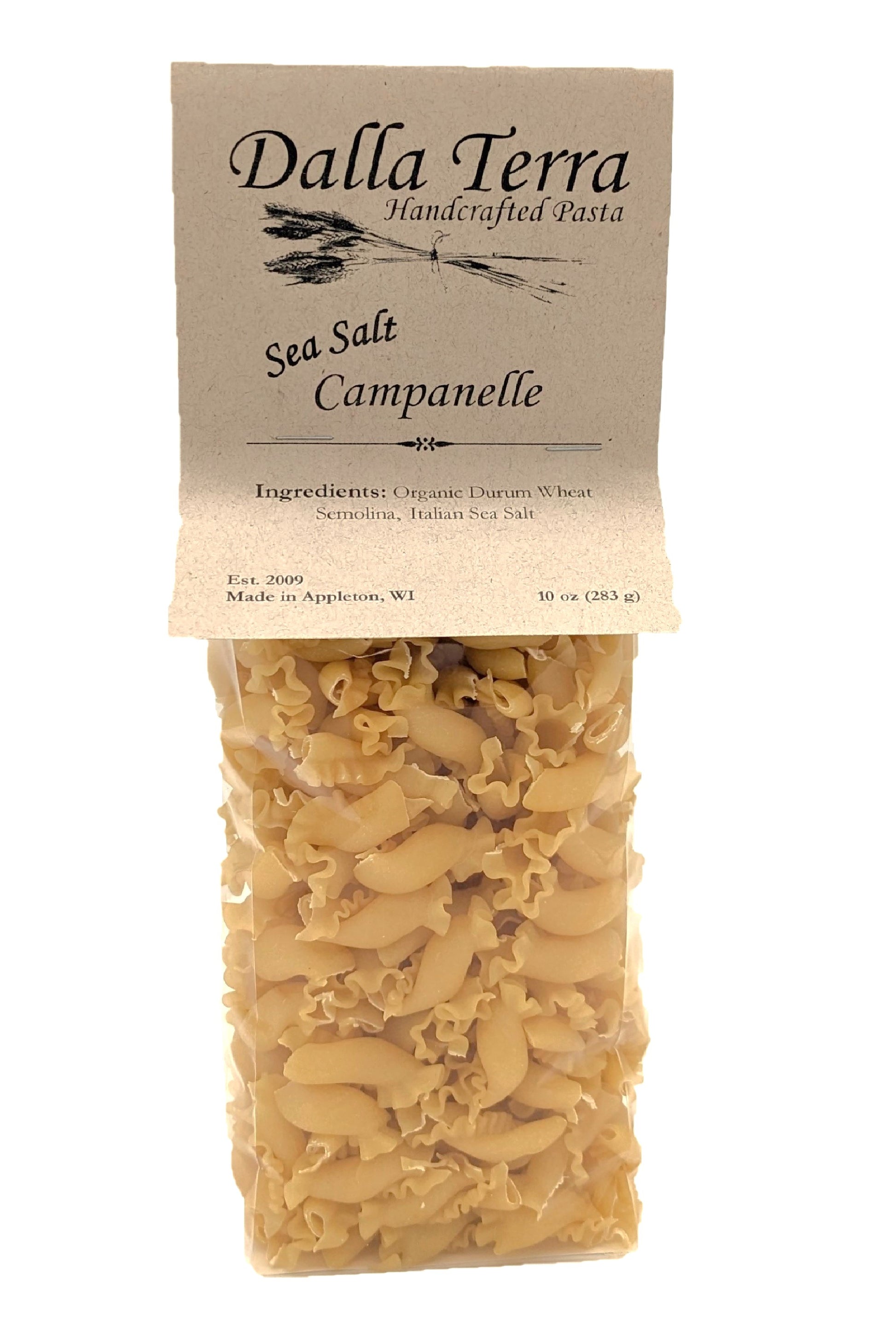
If you love Italian food, you might have tried Gigli pasta. With its ruffled edges and bell-like shape, gigli holds sauces beautifully, making every bite rich and satisfying. But what happens when you cook too much? Storing cooked gigli pasta the right way is important to keep it safe and delicious for later. Many people end up with sticky, hard, or bland leftovers because they miss a few simple steps. This guide will show you exactly how to store cooked Italian gigli pasta, so you can enjoy it fresh—even after a day or two.
Why Proper Storage Matters
It’s easy to think, “Just toss the leftovers in the fridge.” But pasta can spoil or lose its texture quickly if not stored properly. Cooked pasta attracts bacteria when left at room temperature for too long. It also absorbs sauce or moisture from the air, which can turn your gigli mushy or dry. Safe storage is about both taste and health—no one wants to risk food poisoning or a sad, sticky bowl of pasta.
Cooling Gigli Pasta: The First Key Step
Before storing, you need to let your cooked gigli pasta cool down. This may sound basic, but skipping this step leads to condensation in your container, which makes the pasta stick together and promotes bacteria.
How To Cool Gigli Pasta Safely
- Drain thoroughly. Right after cooking, drain the gigli pasta well. Extra water makes the pasta mushy in storage.
- Spread it out. Place the pasta on a baking sheet in a single layer. This helps it cool faster and evenly.
- Wait, but not too long. Let the pasta cool for about 10–15 minutes. Don’t leave it out longer than 2 hours (or 1 hour if your kitchen is hot), because bacteria grow quickly at room temperature.
Pro tip: If you’re in a hurry, you can rinse the pasta with cold water to speed up cooling. Just remember, this removes some starch, which can affect how sauces stick later.

Choosing The Right Storage Container
Your choice of container makes a big difference in how well gigli pasta keeps its shape and flavor. Not all containers are created equal.
Best Container Types
- Airtight containers: These keep out moisture and odors. Glass or BPA-free plastic works well.
- Resealable freezer bags: Good for saving space in the fridge or freezer.
- Single-serve containers: Perfect for meal prep or packing lunches.
What To Avoid
- Open bowls or plates: Pasta dries out and absorbs fridge smells.
- Thin plastic wrap: Not airtight enough, leading to hard or rubbery pasta.
Here’s a quick comparison of common storage options:
| Container Type | Best For | Drawbacks |
|---|---|---|
| Airtight glass/plastic | Preserving freshness, avoiding odor transfer | Takes up more space |
| Freezer bags | Freezer storage, space-saving | Can crush delicate shapes |
| Open bowl | Short-term, immediate use | Dries out quickly, not safe for long-term |
Should You Store Gigli Pasta With Or Without Sauce?
Many people ask if it’s better to store pasta and sauce together or separately. The answer depends on how long you plan to keep the pasta.
Storing Pasta Separately
- Texture stays firmer. Pasta does not absorb extra moisture or break down.
- Easier to reheat. You can add sauce right before serving.
Storing With Sauce
- More flavor. Pasta continues to soak up sauce, but can get mushy if stored too long.
- Convenient. Quick reheat, especially for baked or one-pot dishes.
Expert tip: If you plan to eat the leftovers within 24 hours, storing gigli pasta with sauce is fine. For longer, keep them separate to avoid a soggy texture.
Storing In The Refrigerator
Refrigeration is the most common way to store cooked gigli pasta. Done correctly, it keeps your pasta safe for several days.
Step-by-step Guide
- Cool the pasta completely as described above.
- Add a touch of oil. Toss the gigli lightly with olive oil. This keeps the pieces from sticking together.
- Portion if needed. Divide into single servings for easier reheating.
- Seal tightly. Use an airtight container or freezer bag.
- Label and date. Write the storage date on the container.
How Long Does Cooked Gigli Pasta Last In The Fridge?
Cooked gigli pasta lasts 3–5 days in the refrigerator if stored properly. After this, it can become unsafe to eat, even if it looks or smells fine.
Here’s a handy table for fridge storage times:
| Food Type | Safe Fridge Time | Notes |
|---|---|---|
| Plain gigli pasta | 3–5 days | Best texture if eaten within 3 days |
| Pasta with sauce | 2–3 days | May get softer over time |
| Baked gigli dishes | 3–4 days | Check for dairy or meat spoilage |
Freezing Cooked Gigli Pasta
If you cooked a lot and want to save it for more than a few days, freezing is the answer. Many people don’t realize you can freeze cooked pasta, but it works well with gigli’s sturdy shape.
How To Freeze Gigli Pasta
- Cool and dry. Make sure the pasta is completely cool and not wet.
- Portion in small amounts. This helps with faster defrosting and prevents clumps.
- Use freezer-safe bags or containers. Squeeze out as much air as possible.
- Label with date. Frozen pasta is best used within 2 months for top quality.
Freezing With Sauce
Gigli pasta freezes well with hearty sauces like tomato or meat ragu. Cream-based sauces can separate, but stirring well after reheating helps fix this.
Thawing And Reheating Tips
- Thaw overnight in the fridge for best texture.
- For quick reheating, microwave straight from frozen, stirring halfway through.
- Boil for 30–60 seconds if you want a firmer texture, but don’t overcook.
Beginner insight: Don’t freeze pasta that’s already overcooked. It will fall apart after thawing.

How To Prevent Pasta From Sticking
One common mistake is opening the fridge to find a clump of gigli pasta. Sticky pasta is hard to reheat and loses its special texture.
Simple Solutions
- Oil lightly before storing. Olive oil or vegetable oil helps keep pieces separate.
- Shake or stir before reheating. This loosens any clumps formed in storage.
- Don’t store while hot. Steam will cause sticking.
Less-known tip: If you plan to use the pasta for a cold salad, rinse it with cold water before storing. This removes extra starch and helps prevent sticking.
Reheating Stored Gigli Pasta
You’ve stored your gigli pasta perfectly—now how do you reheat it without turning it mushy or dry?
Best Ways To Reheat
- Stovetop: Place pasta in boiling water for 30–60 seconds. Works best for plain pasta.
- Microwave: Add a splash of water or sauce, cover loosely, and heat in 30-second bursts, stirring each time.
- Oven: For baked or sauced dishes, cover with foil and bake at 350°F (175°C) for 10–20 minutes.
Reheating Mistakes To Avoid
- Don’t overcook. Pasta softens quickly when reheated.
- Never heat dry. Always add a little moisture to keep the pasta from drying out.
Practical example: If your gigli is stored with a thick sauce, add a tablespoon of water or broth before microwaving. This refreshes both the pasta and the sauce.
Safety And Quality: Signs Your Pasta Has Gone Bad
Even with the best storage, pasta doesn’t last forever. Knowing when to toss it is important.
Warning Signs
- Slimy texture: Indicates bacterial growth.
- Off smell: Any sour or strange odor means it’s time to throw it out.
- Mold: Even a tiny spot means the whole batch is unsafe.
When in doubt, it’s safer to discard questionable leftovers.
Extra Tips For Better Gigli Pasta Storage
Some details make a big difference, especially for pasta lovers who want restaurant-quality leftovers.
- Store in shallow layers. This helps cool pasta quickly and evenly.
- Keep portions small. Large batches are harder to reheat without overcooking.
- Use within safe timeframes. Mark your calendar or set a reminder so you don’t forget leftovers.
Unexpected tip: If you plan to use gigli pasta in soup, store it separately from the broth. Add it only when reheating, so it doesn’t absorb too much liquid and turn soggy.
Common Mistakes To Avoid
Even experienced cooks can make these storage errors:
- Storing hot pasta: Leads to condensation and bacterial growth.
- Not using airtight containers: Causes drying out and odd flavors.
- Freezing with delicate sauces: Cream or cheese sauces may split—freeze pasta and sauce separately if possible.
- Ignoring storage times: Eating old pasta can cause food poisoning.
When Not To Store Pasta
Sometimes, it’s best not to store leftover gigli pasta at all. For example:
- If it was left out more than 2 hours at room temperature (1 hour in hot weather).
- If it looks or smells off before you store it.
- If you used seafood or eggs in the sauce—these spoil faster and should be eaten immediately.
Frequently Asked Questions
How Do I Keep Cooked Gigli Pasta From Drying Out In The Fridge?
Toss the pasta lightly with olive oil before storing and use an airtight container. Add a little sauce or water when reheating to restore moisture.
Can I Freeze Cooked Gigli Pasta With Cheese Sauce?
You can, but cheese sauces often separate when thawed. For best results, freeze the pasta and sauce separately and combine them when reheating.
Is It Safe To Eat Cold Gigli Pasta From The Fridge?
Yes, if it’s within 3–5 days and stored properly. Cold pasta is often used in Italian pasta salads. Always check for off smells or slimy texture before eating.
What Is The Best Way To Reheat Gigli Pasta With Sauce?
Add a splash of water or broth, cover loosely, and microwave in short intervals. Stir often for even heating. For large quantities, reheat gently on the stovetop.
Where Can I Learn More About Safe Food Storage?
The USDA has excellent guidelines for food safety and storage. You can read more at USDA Food Safety.
Storing cooked Italian gigli pasta doesn’t have to be tricky. With a few simple steps, you can keep it fresh, flavorful, and safe. Next time you cook a big batch, you’ll know exactly what to do—no wasted food, no lost flavor.
Enjoy your gigli pasta, again and again, with confidence.

