

Most household ovens last about 10 to 15 years with normal use.
I’ve spent years testing kitchen appliances and helping folks decide when to repair or replace gear. In this article I explain how long do ovens typically last, why lifespans vary, and how to spot real trouble. Read on for clear, practical advice that helps you protect your oven investment and know when to act.

How long do ovens typically last? — Typical lifespans
Most home ovens last between 10 and 15 years. How long do ovens typically last depends on type, usage, and care. Heavy users or poorly maintained ovens often fall short of that range.
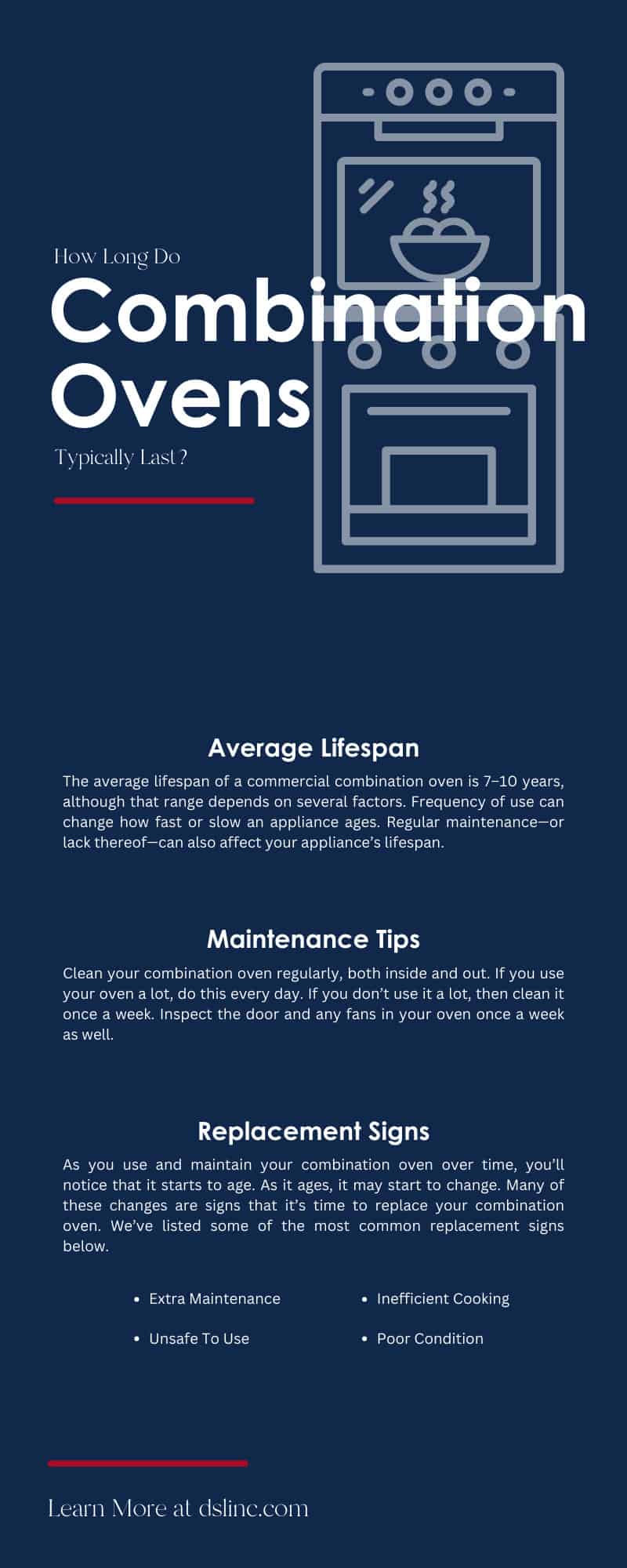
Types of ovens and their usual lifespans
Different oven styles tend to last different amounts of time. Here are typical ranges so you can compare and plan.
- Conventional electric wall ovens: 10 to 15 years. These are common in homes and last well with basic care.
- Freestanding ranges (electric or gas): 10 to 15 years. Combined cooktop use can add wear.
- Gas ovens (built-in or ranges): 10 to 20 years. Gas units may last longer if burners and igniters are maintained.
- Convection ovens and professional ranges: 12 to 20 years. Higher-end parts and thicker insulation extend life.
- Microwave-convection combos and small countertop ovens: 5 to 10 years. Compact electronics wear faster than full-size ovens.
How long do ovens typically last will shift by model and build quality. Choosing the right type helps you match lifespan to your needs.
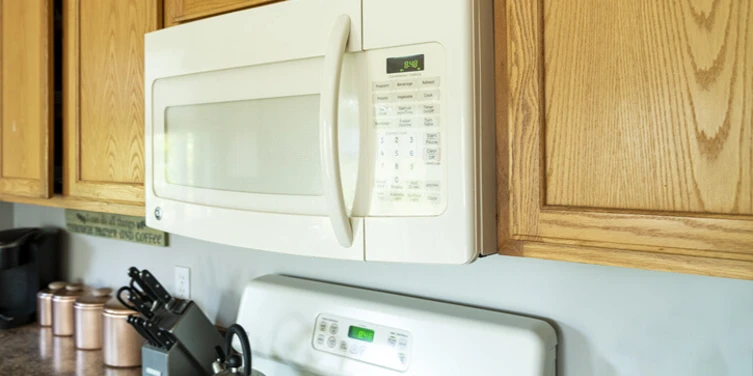
Key factors that affect how long do ovens typically last
Several practical factors shape oven life. Understanding them helps you extend service time.
- Frequency of use: Daily heavy use shortens life compared to occasional baking.
- Maintenance habits: Regular cleaning and timely repairs prevent many failures.
- Build quality: Thicker racks, better insulation, and reliable controls last longer.
- Installation and ventilation: Poor installation and trapped heat can harm electronics and seals.
- Type of heat source: Gas ignition parts wear differently than electric heating elements.
H3 Will a self-clean cycle reduce oven lifespan?
Self-clean cycles raise internal temperature to burn residue. Occasional use is fine, but frequent self-cleaning can stress seals and electronics and may reduce how long do ovens typically last.
H3 Is convection harder on the oven?
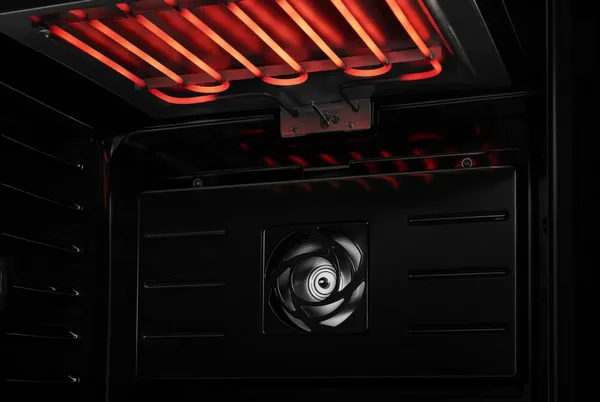
Convection uses a fan to move air, which does not inherently shorten life. Fans add a component that can fail, but overall convection ovens do not have dramatically shorter lives than non-convection units.
Signs your oven is near the end of its life
Look for clear warning signs to decide if repair or replacement is best. These signs tell you how long do ovens typically last in real use.
- Inconsistent temperatures: Food cooks unevenly or longer than recipes state.
- Persistent error codes or flashing displays: Electronics fail repeatedly even after resets.
- Door seal damage: Heat loss causes longer cook times and higher energy bills.
- Burners or heating elements that fail often: Recurring failures raise repair costs above replacement value.
- Strange smells, smoke, or electrical sparks: Safety hazards signal urgent replacement.
Spotting these signs early helps you avoid food waste, safety risks, and surprise costs.
:max_bytes(150000):strip_icc()/lifespan-of-household-appliances-4158782_final_v3-7b0e2714582145398d1605b3f96cb110.png)
How to extend an oven’s life with simple maintenance
Good care can add years to your oven and change how long do ovens typically last. I used to recommend basic routines to every client. Here are easy, effective habits.
- Clean spills quickly: Sugary or fatty spills can burn onto heating elements and racks.
- Check and replace door seals: A tight seal keeps heat in and parts cool.
- Avoid too many self-clean cycles: Use manual cleaning for light soils and reserve self-clean for heavy soiling.
- Service controls and ignitors: A yearly checkup can catch weak parts before they fail.
- Use oven-safe bakeware and avoid dragging racks: Prevents scratches and warped heating elements.
From my hands-on repairs, I’ve seen regular tune-ups add several years to an oven’s life. Small steps pay off.

Repair vs replace: deciding when to act
When an oven fails, ask three quick questions to decide: What’s broken? How much will repair cost? How old is the unit? These questions help you judge how long do ovens typically last for your situation.
- Common low-cost repairs: Thermostat or element replacement often costs less than $200 and is worth doing for newer units.
- High-cost repairs: Failing control boards or repeated part failures can run $300–$600, making replacement wiser.
- Age rule of thumb: If an oven is older than 10 to 15 years and needs a major fix, replacement is usually the best value.
- Energy and safety: Older ovens can be less efficient and may lack modern safety features.
Balance repair cost, age, and energy savings to pick the smart option.
Buying tips to choose a durable oven
If you decide to replace an oven, smart choices increase the odds you’ll get a long life. Consider these criteria when shopping.
- Look for solid warranties: Longer, clear warranties show manufacturer confidence.
- Favor simple, durable controls: Mechanical dials often outlast complex touch panels.
- Check materials: Porcelain enamel interiors, heavy racks, and sturdy doors resist wear.
- Match capacity and use: A smaller, less-used oven can last longer than a big oven hammered daily.
- Read real user reviews about longevity: Real owners reveal common failures that specs hide.
Choosing with lifespan in mind reduces future stress and saves money.

Lifespan variations by features and use cases
Certain features change how long do ovens typically last. Know how choices affect longevity before you buy.
- Smart connected ovens: Offer convenience but add electronics that can fail and be costly to repair.
- Double ovens: Two cavities mean more parts to fail, but heavy-duty parts can offset that.
- Professional-style ranges: Built for heavy use and often last longer in busy kitchens.
- Induction cooktops paired with ovens: They reduce stove wear but do not change oven cavity life much.
Think about real daily use. A professional range will outlast a basic model if you cook a lot.
Frequently Asked Questions of How long do ovens typically last?
How can I tell the age of my oven?
Look for the serial number and model tag typically inside the oven door frame or at the back. The serial number often encodes the manufacture date or you can ask the manufacturer with that number.
Is a 15-year-old oven worth fixing?
If repairs are minor and costs are low, fixing can make sense. For major electronic failures or repeated repairs, replacement is usually a better investment.
Do gas ovens last longer than electric ovens?
Gas ovens can have longer mechanical lifespans for basic parts, but ignition systems and valves can fail. Overall lifespan is similar when use and maintenance are comparable.
Will professional cleaning extend an oven's life?
Professional cleaning removes hard-to-reach grime and can protect parts from buildup. This helps, but routine care between professional cleanings is still essential.
How often should I service my oven?
A basic check every 1 to 2 years is a good rule for most households. Frequent heavy use may need yearly service to maintain peak life and safety.
Can poor installation reduce oven lifespan?
Yes. Poor venting, unstable power supply, or incorrect gas hookup can shorten life and create hazards. Proper professional installation helps your oven reach expected lifespan.
Conclusion
Oven longevity is not a mystery: most ovens last about 10 to 15 years, but type, use, and care change that number. Watch for clear signs of failure, do simple maintenance, and weigh repair costs against age before you spend money. Take one practical step today: inspect your oven door seal and clean any spills—small habits extend life and save cash. If you found this useful, subscribe for more appliance guides or leave a comment with your oven story.

