

Use correct temperature, keep the door closed, maintain seals, and cook full loads.
I have cooked and tested ovens for years in both home and small commercial settings, so I know what works. This article answers How can I make my oven more energy efficient? with practical tips, clear steps, and simple math so you can cut energy use, save money, and still get great results.
Why energy-efficient oven use matters
How can I make my oven more energy efficient? Start by knowing why it matters. Ovens are among the top home appliances that use a lot of energy. Small changes can lower bills and reduce your carbon footprint.
Energy-savvy cooking also improves food quality. Faster, even heating often means better texture and less wasted food. I’ll show steps that are easy to follow and proven in real kitchens.
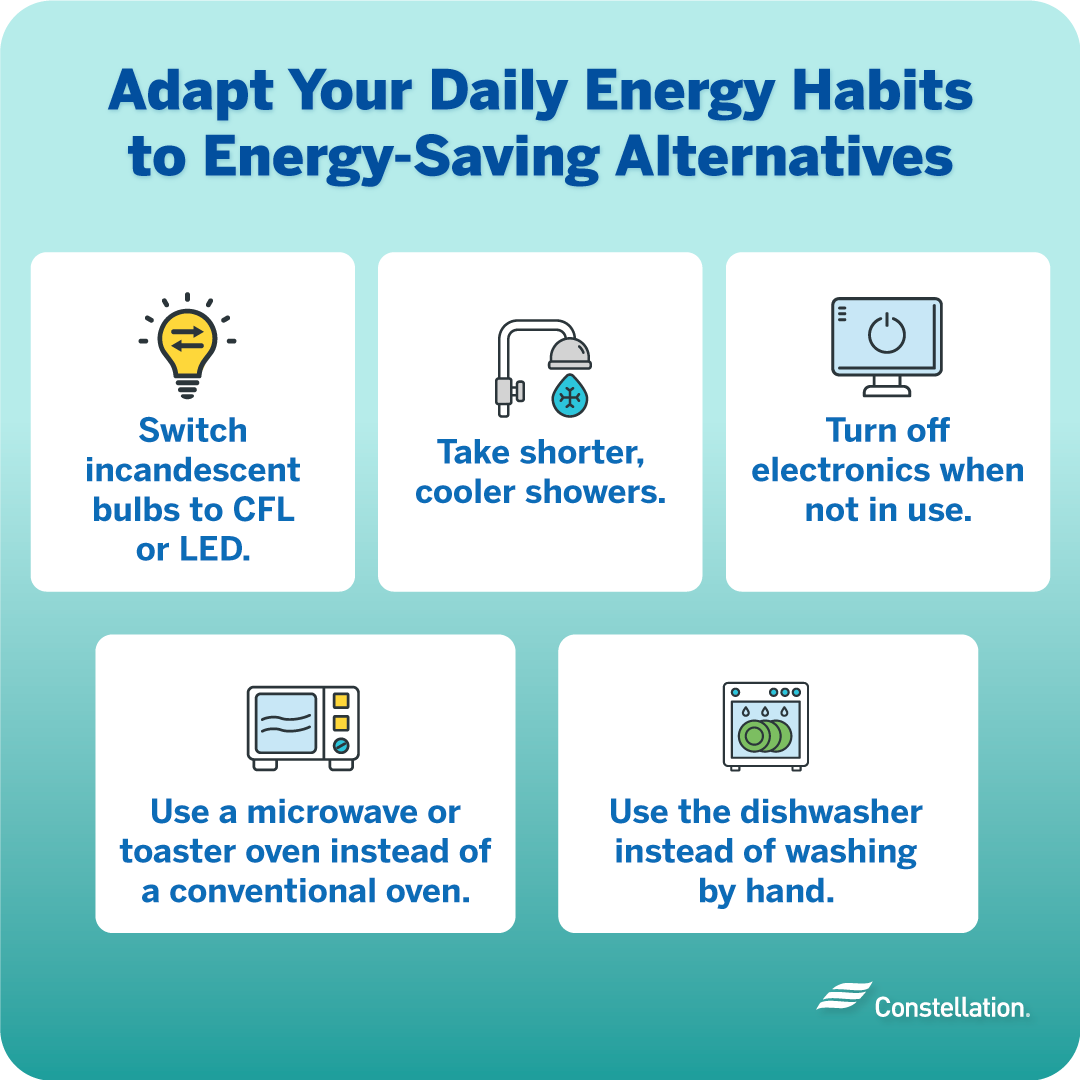
Top practical steps to make your oven more energy efficient
How can I make my oven more energy efficient? Focus on behavior and settings first. These changes cost little or nothing and add up fast.
- Use convection mode when appropriate. Convection moves hot air with a fan, so you can lower temperature by 25°F to 50°F and shorten cook time by up to 30 percent.
- Avoid unnecessary preheating. Not all recipes need full preheat. For casseroles, roasted veggies, and many baked goods, starting in a hot oven is not always required.
- Keep the oven door closed. Every time you open it you lose heat and force the oven to work longer. Use the light and check through the window.
- Match pan size to the burner and oven space. Larger pans hold more food and use heat efficiently. Avoid tiny pans that waste space and energy.
- Cook full loads and batch tasks. If you bake one tray, try to bake more at once. Use similar temperatures for dishes and schedule similar items back-to-back.
- Use glass or ceramic pans for baking when possible. They hold heat well and can reduce cooking time slightly compared with thin metal pans.
- Turn off early for carryover cooking. For many dishes, you can switch the oven off 5–10 minutes early and let residual heat finish the job.
I tested cooking a sheet of cookies in convection and standard modes. Convection cut bake time and the oven reached steady temperature faster. The energy use dropped noticeably.

Oven maintenance and upgrades that save energy
How can I make my oven more energy efficient? Maintenance matters as much as cooking habits. A well-maintained oven wastes far less energy.
- Check and replace door gaskets. A leaking seal lets heat escape. If light slips through the closed door or you feel drafts, replace the gasket.
- Clean the oven regularly. Baked-on grease reduces heat transfer and forces longer cook times. A clean oven reaches set temperatures more reliably.
- Verify the oven temperature. Use an oven thermometer to check accuracy. If the oven is off by 20°F or more, adjust settings or call a technician.
- Replace faulty door latches and hinges. A door that does not close snugly causes heat loss and longer run times.
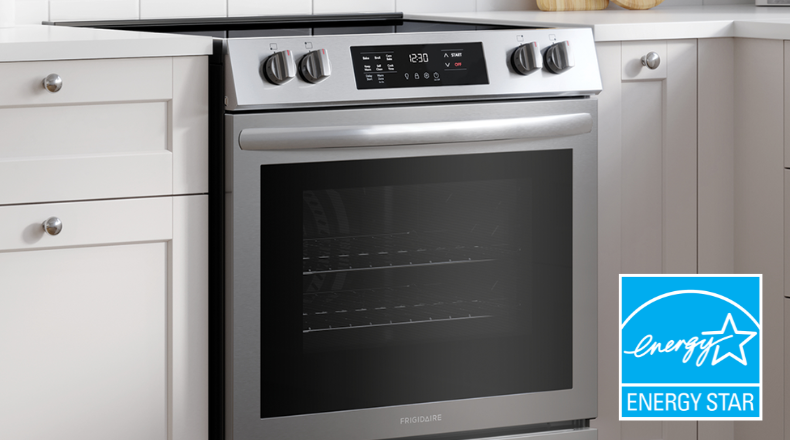
- Consider upgrading to a higher-efficiency model. Modern electric ovens with convection and better insulation use less energy than older units. When replacing, compare energy ratings and features.
From my experience, replacing a worn gasket gave an immediate improvement. The oven held temperature better and short bakes used less energy. Small repairs are often cheaper than higher electric bills.
Cooking and baking habits that cut energy use
How can I make my oven more energy efficient? Change habits in the kitchen. Smart cooking saves time and electricity without sacrificing food quality.
- Use the right rack position. Air circulation matters. For even roasting, place pans where air can flow around them.
- Combine stovetop and oven use. Start on the stove and finish in the oven for dishes that benefit from both methods. This often shortens oven time.
- Use lids and foil smartly. Cover dishes to trap heat and moisture. This reduces time and prevents reheating.
- Use smaller appliances for small tasks. A toaster oven, microwave, or air fryer can use much less energy for single-portion items.
- Use residual heat for warming. After baking, turn off the oven and let dishes keep warm inside until serving.
A practical rule I use: if the oven will run less than 15 minutes, consider the broiler or toaster oven. That small change can save more energy over a month than you expect.
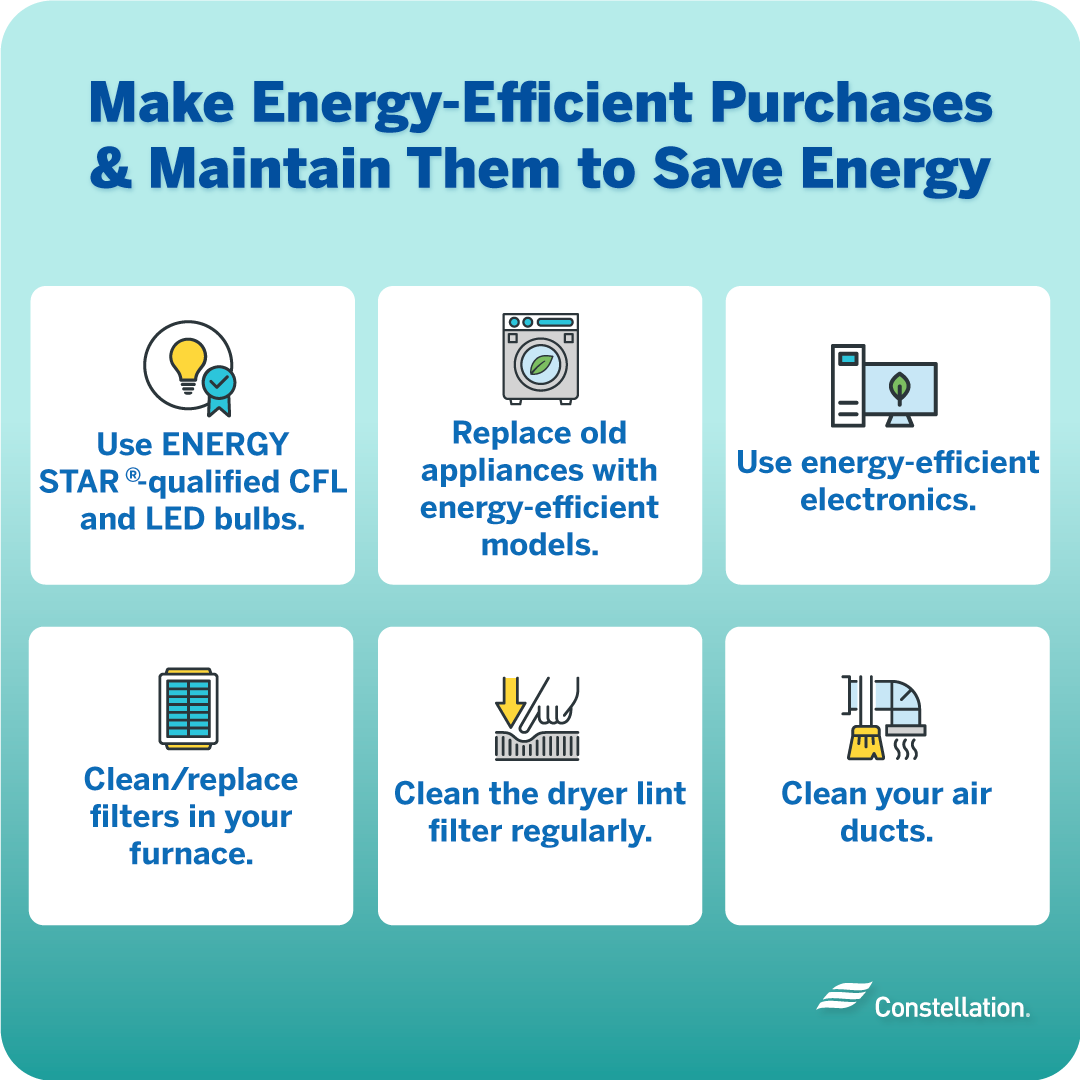
Measuring savings and deciding when to replace your oven
How can I make my oven more energy efficient? Track use and do simple math. This tells you if an upgrade or habit change is worth it.
- Estimate energy use. Most electric ovens draw 2 to 3 kilowatts while heating. Multiply kW by hours used to get kWh, then by your local electricity rate to estimate cost.
- Compare old vs new. Newer ovens can be 10–30% more efficient, especially with convection and better insulation. Calculate payback by dividing replacement cost by annual savings.
- Use a plug-in energy monitor for countertop ovens. For built-in ovens, track run times and rough kW estimates for monthly comparisons.
- Note performance differences. If cooking time or temperature varies widely, an old oven may waste energy and food quality, making replacement more attractive.
I tracked oven time for a month and found that small changes saved several kWh weekly. That cut my monthly bill and justified one small repair.

Common quick questions
How can I make my oven more energy efficient? Here are short answers to likely quick questions you may have.
What is the biggest energy saver for oven use?
The biggest saver is keeping the oven door closed and using convection when possible. These steps lower time and heat loss.
Should I preheat the oven every time?
No. Only preheat when recipes require exact temperatures like for bread or certain cookies. Many dishes tolerate starting cold.
Is buying a convection oven worth it?
Yes, if you bake or roast often. Convection reduces temperature and time, which lowers energy use and often improves browning.
Can I use aluminum foil to save energy?
Use foil to cover dishes to trap heat and reduce cooking time. Avoid blocking vents or airflow, which hurts efficiency.
Is it better to repair or replace an old oven?
Repair if fix costs are low and the oven performs well. Replace if it wastes energy, has safety issues, or needs frequent fixes.
Frequently Asked Questions of How can I make my oven more energy efficient?
How much energy does an oven use per hour?
An electric oven typically uses 2 to 3 kW when heating and 0.8 to 1.5 kW when maintaining temperature. Actual use depends on model, age, and cooking cycle.
Will using convection mode really save energy?
Yes. Convection improves heat transfer and cooks faster, often allowing you to reduce temperature and time. Typical energy savings range from 10 to 30 percent.
How can I check if my oven door seal is leaking?
Close the oven door on a dollar bill and try to pull it out. If it slides out easily or you see gaps, the seal likely needs replacing.
Does cooking multiple dishes at once save energy?
Yes. Cooking multiple dishes uses the same heat for more food, lowering per-dish energy use. Arrange pans to allow airflow and even cooking.
Can small repairs improve oven efficiency significantly?
Small repairs like replacing gaskets or fixing sensors often improve efficiency and oven performance significantly. They are usually cost-effective.
Is it necessary to use a professional for oven repairs?
For electrical issues and complex repairs, hire a qualified technician. Simple tasks like cleaning or replacing a gasket can often be done by a competent DIYer.
Conclusion
You can save energy and money by changing habits, maintaining your oven, and choosing the right tools. Start with simple steps: use convection, keep the door closed, cook full loads, and fix obvious leaks. Track your use, measure savings, and make upgrades when they pay off.
Try one or two changes this week and note the difference. If you found this helpful, leave a comment with your best oven energy tip or subscribe for more kitchen energy guides.

