

A reverse flow smoker redirects heat and smoke under a baffle for even, consistent cooking.
I’ve used and tested many smokers, and I’ll walk you through exactly what a reverse flow smoker is, how it works, and why pitmasters love it. This guide covers design, benefits, limits, real tips from hands-on use, and clear steps to get the most from a reverse flow smoker. Read on to learn practical advice you can use today to cook more consistent barbecue.
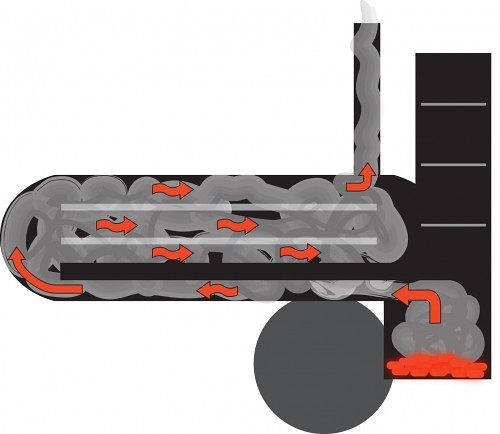
How a reverse flow smoker works
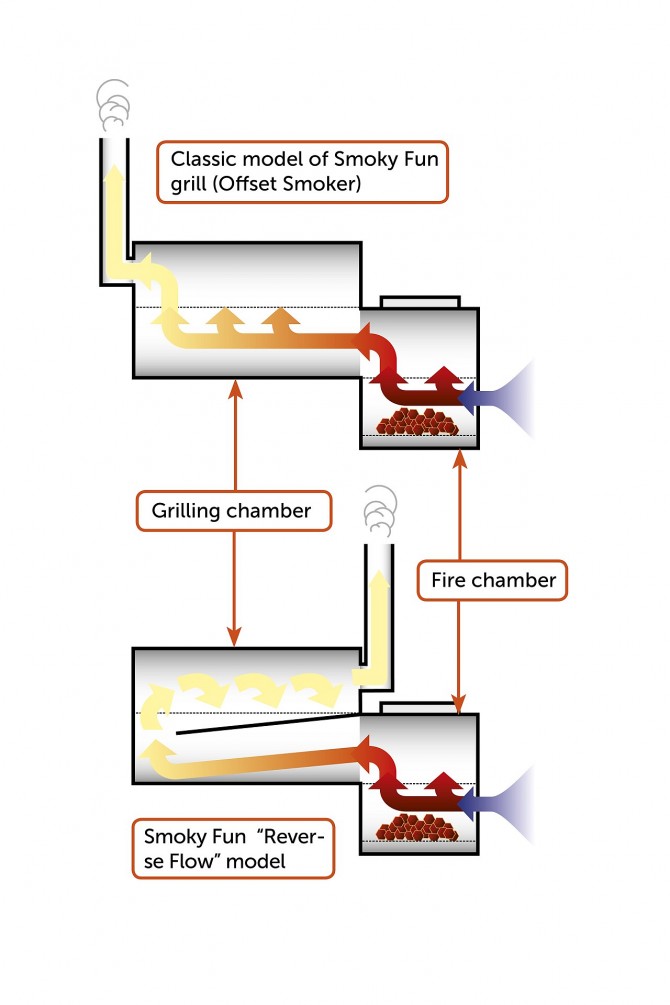
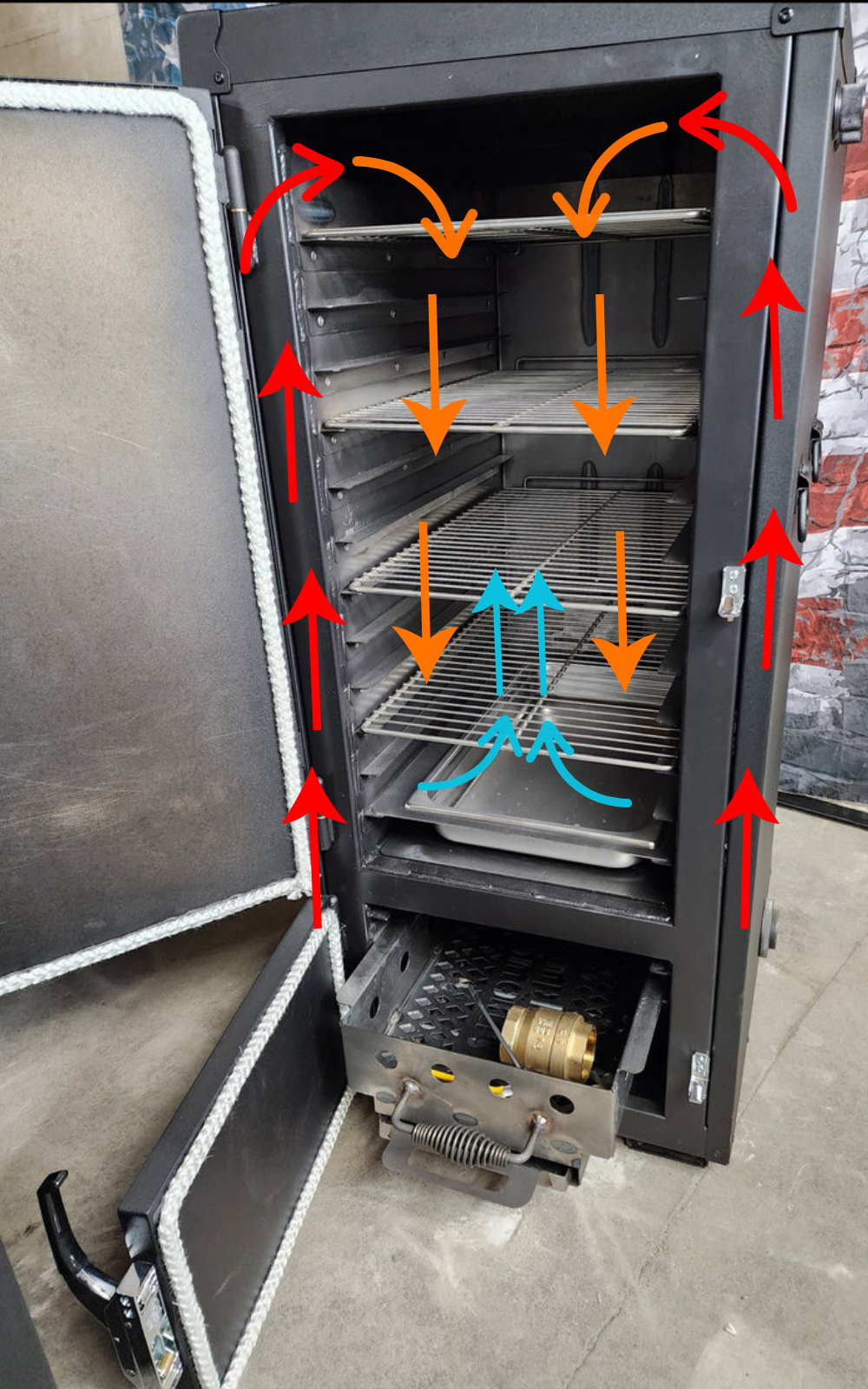
A reverse flow smoker uses a baffle plate to redirect heat and smoke. The fire sits in the firebox. Heat and smoke move under the baffle, then flow back over the cooking surface toward the chimney. This path evens out hot spots. It also keeps grease from dripping directly onto coals. The result is steady heat and milder smoke flavor at the food.
Key points of the flow
- Firebox produces heat and smoke. This is the source of energy.
- Baffle plate forces the hot air to travel under the cooking area. This evens temps.
- Cooking chamber receives the warmed, filtered smoke. Meat cooks gently.
- Chimney exhausts smoke after it passes the food. Airflow is controlled.
PAA-style questions and short answers
- Does a reverse flow smoker make meat smokier? It usually adds a milder, cleaner smoke taste because the baffle tempers direct smoke. The food gets steady smoke over time.
- Is a reverse flow smoker hard to control? It is easier for steady temps because the design evens heat, but you still need to manage fire and vents.
- Can you convert an offset to reverse flow? Yes. A baffle plate and drip pan can make many offsets work like reverse flow smokers.
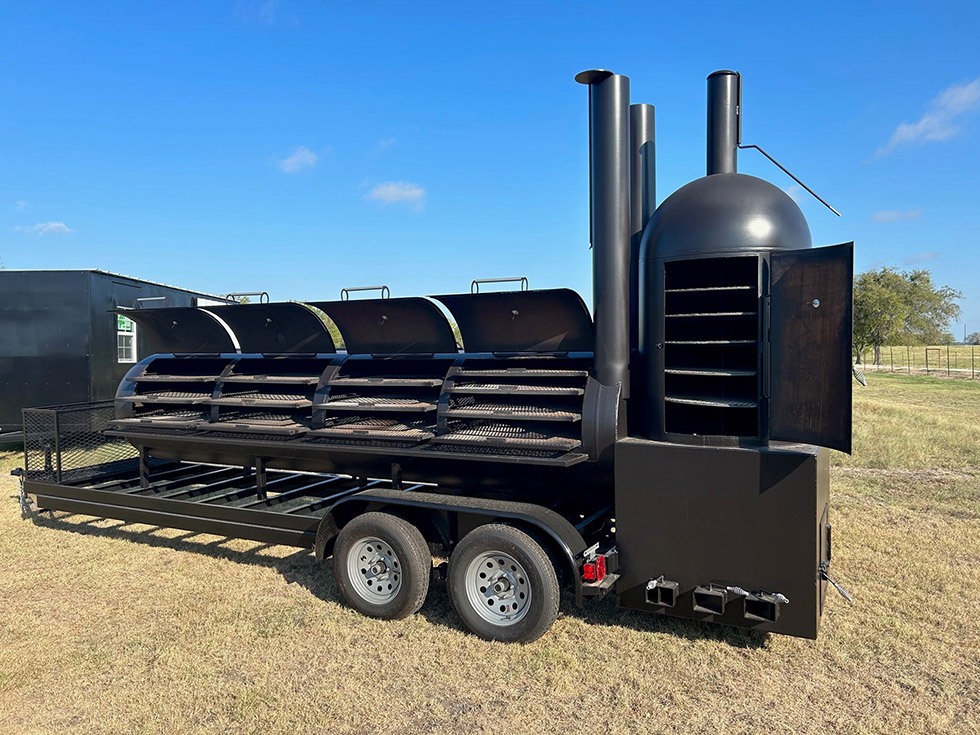
Key components of a reverse flow smoker
Understanding parts helps you use one well. Most reverse flow smokers share these elements.
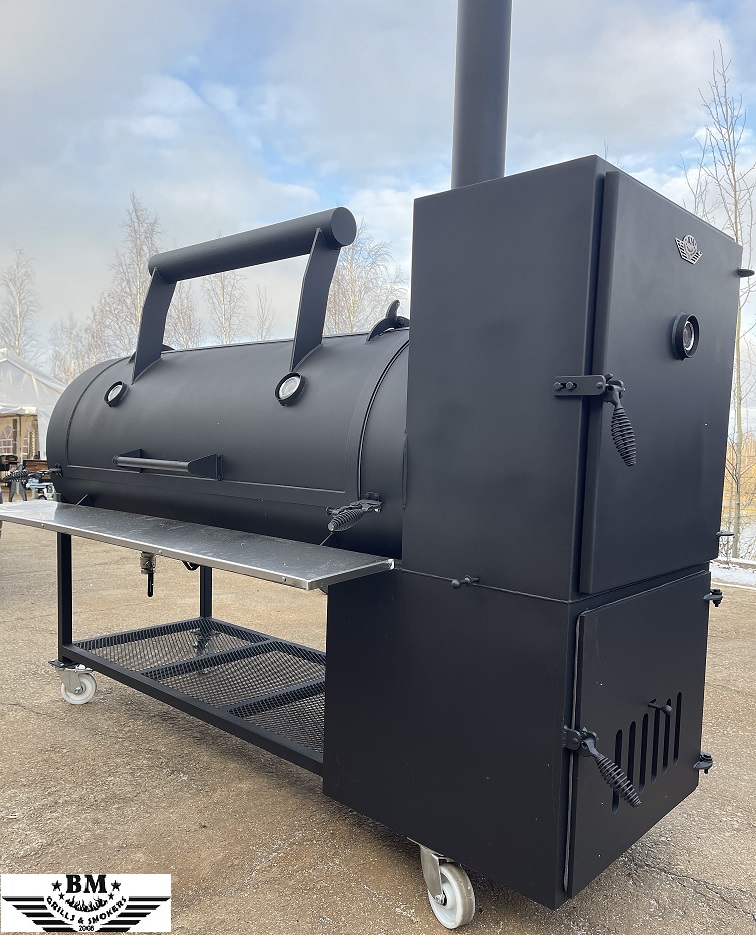
- Firebox. Holds coals or wood. It is usually at one end of the smoker.
- Baffle plate. A metal plate that runs across the bottom of the cooking chamber. It forces heat under the chamber and back over the food.
- Drip pan. Sits above the baffle to catch grease and water. It also helps distribute heat.
- Cooking grates. Where your food rests. They are placed above the baffle and drip pan.
- Chimney. Located at the opposite end from the firebox. It pulls air across the smoker and out.
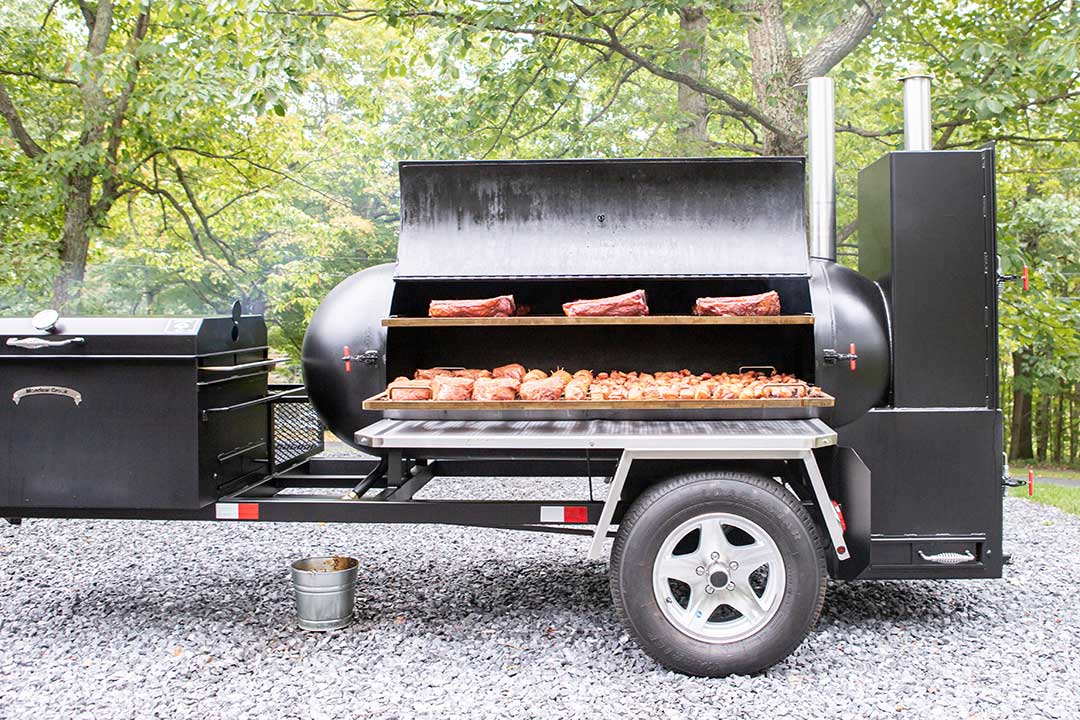
Benefits of using a reverse flow smoker
A reverse flow smoker offers real advantages for home cooks and pros alike.
- More even heat. The baffle evens temperature across the cooking space. This reduces hot and cold spots.
- Less flare-up. Grease is caught by the drip pan and does not hit the fire directly.
- Consistent smoke flavor. Smoke is warmed and moderated before it touches meat, giving a cleaner taste.
- Easier temp control. The design makes it simpler to keep steady temps over long cooks.
- Better efficiency. Heat moves through the cooking area, using fuel more evenly.
From my tests, brisket and pork shoulder came out more uniform with fewer burned edges. The steady heat made long cooks less stressful.
 limitations and myths”
style=”max-width: 100%; height: auto; border: 2px solid black; border-radius: 10px; display: block; margin: 0 auto;”
loading=”lazy”
/>
Common limitations and myths
No design is perfect. It helps to know limits and separate fact from myth.
- More metal equals more weight. Reverse flow smokers can be heavy due to the baffle and thicker walls.
- Not an instant smoker. It still needs time to reach and stabilize at target temps.
- Some think reverse flow kills smoke flavor. That’s only partially true. It softens harsh smoke while keeping steady smoke exposure.
- Maintenance can be slightly more involved. The baffle and drip pan need cleaning after long cooks.
Be honest about what you need. If you want quick weeknight grilling, a reverse flow smoker might be overkill. For long low-and-slow cooks, it shines.

How to use and maintain a reverse flow smoker
Follow clear steps to get great results and keep your smoker in top shape.
Setting up and starting
- Clean the cooking grates and empty ash. A clear chamber gives steady airflow.
- Build a medium fire in the firebox. Use hardwood lump charcoal or wood chunks for steady heat.
- Place water or drip pan above the baffle. This evens heat and catches grease.
- Close vents to set pilot airflow. Open them a bit for the first 10–15 minutes, then adjust for target temp.
Cooking tips
- Use a two-zone setup. Hotter near the firebox side, cooler near the chimney. Rotate meat when needed.
- Aim for lower temps for long cooks. 225–250°F is common for brisket and pork shoulder.
- Add wood sparingly. Small chunks give cleaner smoke and reduce bitter flavors.
Maintenance tips
- Empty ash after each cook. Ash blocks airflow if left too long.
- Clean the drip pan and baffle. Grease buildup can cause bad smells and rust.
- Season new steel smokers. A few slow burns with oil help seal the metal and prevent rust.
Personal lesson learned
- I once left a drip pan full during a long rain, which caused rust under the plate. Now I always dry and store the pan after each wet cook. It extended the smoker’s life and kept temps steady.
Reverse flow smoker vs traditional offset and kettle smokers
Choosing the right smoker means weighing trade-offs. Here are quick comparisons.
- Reverse flow smoker
- Even heat and cleaner smoke. Easier long cooks.
- Heavier and more complex build.
- Offset smoker
- Classic smokehouse flavor with direct heat transfer.
- Can have hot spots and takes more skill to manage.
- Kettle or drum smoker
- Compact and fast to heat. Good for small cooks.
- Less room and less even heat for large cuts.
If you want consistent, low-and-slow results for big cuts, a reverse flow smoker is often the best fit. If you prefer a lighter rig or more hands-on heat management, an offset or kettle might be better.

Buying guide and conversion tips
If you want to buy a reverse flow smoker or convert one, look for these features.
- Solid baffle design. A full-length baffle with a drip pan works best.
- Thick steel construction. Thicker metal holds heat better and lasts longer.
- Proper chimney placement. The chimney should be at the far end from the firebox.
- Good vent control. Smooth, adjustable intake and exhaust vents make temp control easier.
- Size and capacity. Match the cooking area to your usual batch size.
Converting an offset to reverse flow
- Install a baffle plate that runs under the cooking grates. Leave room for airflow.
- Add a drip pan above the baffle to catch grease and hold water if desired.
- Check chimney placement and adjust if possible to ensure the exit is opposite the firebox.
Frequently Asked Questions of What is a Reverse Flow Smoker?
What is a reverse flow smoker best used for?
A reverse flow smoker is best for long, low-and-slow cooks like brisket, pork shoulder, or ribs. It keeps temps steady and gives uniform smoke.
Is a reverse flow smoker harder to build than an offset?
It can be slightly more complex due to the baffle and drip pan. However, many kits and guides make conversion or builds quite doable for a handy person.
Will a reverse flow smoker reduce smoke flavor?
It tempers harsh smoke and gives a cleaner, milder smoke flavor. The meat still gets good smoke exposure over long cooks.
How do I control temperature in a reverse flow smoker?
Use intake and exhaust vents along with controlled wood or charcoal burns. Small, steady fuel additions work better than large bursts.
Do I need special wood for a reverse flow smoker?
No special wood is required. Use seasoned hardwoods like oak, hickory, or fruit woods for consistent, pleasant smoke.
How often should I clean the drip pan and baffle?
Clean them after each long cook or every few cooks for regular use. This prevents grease buildup and extends the life of the smoker.
Can I convert my existing offset smoker into a reverse flow smoker?
Yes. Adding a baffle plate and a drip pan will redirect heat and make the unit act like a reverse flow smoker.
Conclusion
A reverse flow smoker gives even heat, steady smoke, and easier long cooks. It shines for brisket, pork shoulder, and any slow BBQ that needs consistent temps and clean smoke. My hands-on experience shows that small steps—like using a drip pan and managing small wood chunks—make a big difference. Try one for your next long cook, or convert an offset if you want more uniform results. If you found this guide useful, try a test cook, share your results, or leave a question below to keep the conversation going.

