

Trim the burnt parts, neutralize bitterness with acid or sweet glaze, and reheat gently to recover flavor.
I’ve spent years smoking meats for friends, family, and small events. I know how crushing it feels to over-smoke a brisket or ribs. This guide explains exactly how to fix over-smoked meat, step by step. You’ll learn safe fixes, flavor-saving tricks, and prevention tips based on real-world experience and tested methods. Read on to turn a smoky mistake into a tasty rescue.
:max_bytes(150000):strip_icc()/__opt__aboutcom__coeus__resources__content_migration__serious_eats__seriouseats.com__recipes__images__2016__08__20160802-barbecue-chuck-12-b8d731f794b444d19e4865964fa16908.jpg)
What causes over-smoked meat and how to spot it
Over-smoking happens when smoke is too thick, harsh, or prolonged. It leaves a bitter, acrid coating and can mask the meat’s natural flavor. Common causes include too much wood, low combustion (smoldering), wrong wood type, or smoking at too-low temps.
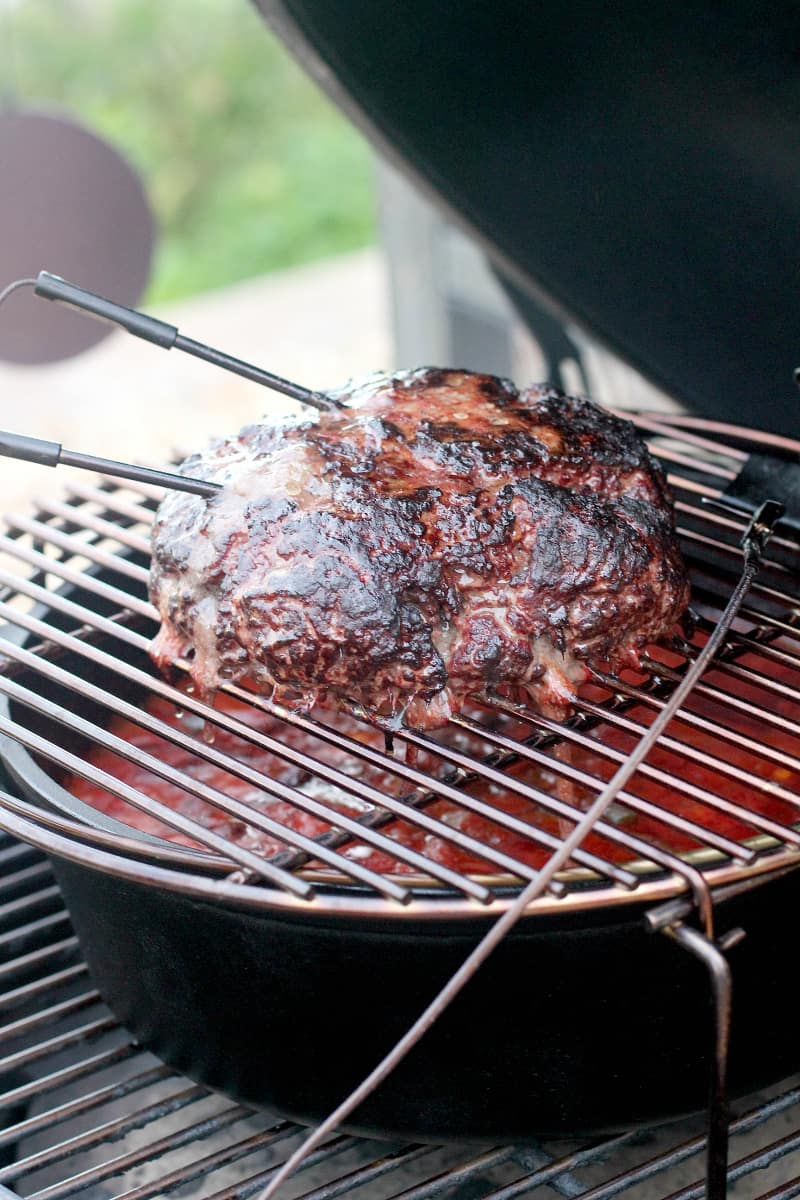
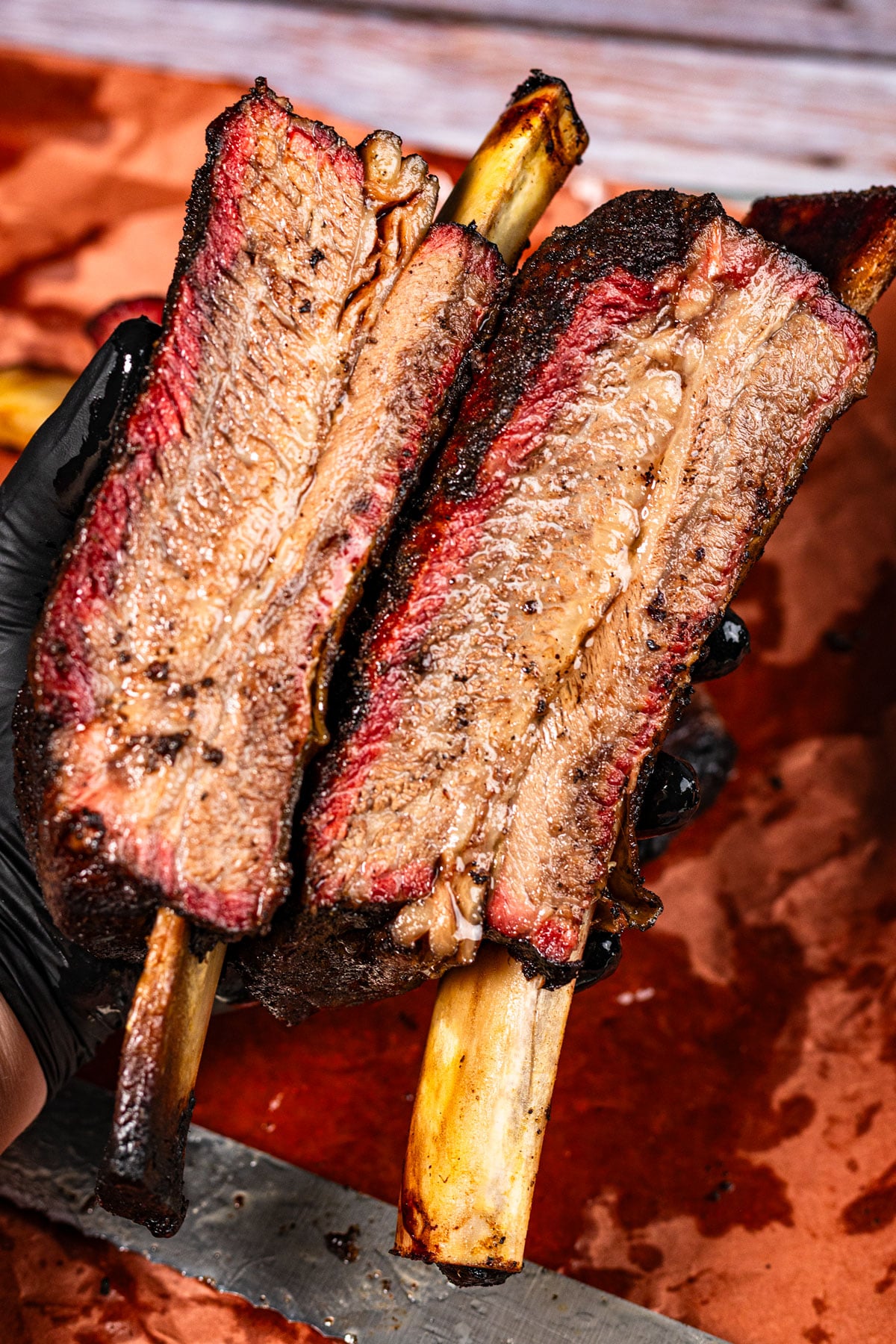
Signs to watch for are an overpowering smoky taste, black crust that flakes easily, or a chemical-like bitterness on the tongue. A dark bark is normal; a sharp, bitter burn is not.
Understanding causes helps you choose the right fix for over-smoked meat.
Quick fixes: practical ways to fix over-smoked meat
If you’ve over-smoked meat, act fast. Choose one or a mix of these methods to reduce bitterness and restore flavor.
- Trim the worst parts
- Remove black, flaky char and the top 1/8–1/4 inch of overly smoked bark. This removes most burnt compounds quickly.
- For thin cuts, trim cautiously so you don’t waste meat.
- Rinse or wipe lightly
- Quickly rinse under cold water or wipe with a damp cloth to remove loose soot. Pat dry before reheating.
- Use sparingly; water cools surface seasoning.
- Use acids to balance bitterness
- Splash with apple cider vinegar, lemon, or lime juice. Let sit 5–10 minutes, then reheat or glaze.
- Acid brightens flavor and cuts smoke harshness.
- Apply a sweet glaze or sauce
- Brush with honey, maple syrup, brown sugar glaze, or a tomato-based sauce. Low-temp bake for 10–20 minutes to set.
- Sweetness helps mask bitter notes and adds depth.
- Braise or stew
- Cut the meat and simmer gently in stock, tomato sauce, or a barbecue braise. Long, moist cooking softens smoke intensity.
- Use herbs, onions, and a splash of vinegar to round flavor.
- Slice thin and repurpose
- Slice thin and use in tacos, sandwiches, salads, or soups. Thin slices reduce smoky concentration per bite.
- Mix with creamy or acidic elements like slaw or crema.
- Reheat gently with steam
- Use foil with a splash of broth and reheat at 275°F (135°C) until warmed. Steam opens fibers and reduces surface bitterness.
- Sous-vide reset
- Vacuum-seal meat with aromatics and sous-vide at appropriate temps for 1–4 hours. Finish with a quick sear. Sous-vide mellows smoke and evens flavor.
- Pair with strong sides
- Serve with acidic slaws, pickles, bright salsas, or mashed potatoes flavored with butter and herbs. Strong sides distract from residual smoke.
I once saved an over-smoked pork shoulder by trimming, braising in apple-vinegar sauce, and shredding into tacos. Guests loved it. These methods work best when you act quickly and choose a fix that fits the cut and meal plan.
:max_bytes(150000):strip_icc()/__opt__aboutcom__coeus__resources__content_migration__serious_eats__seriouseats.com__recipes__images__2014__06__20130523-smoked-ribeye-19-d7596c2c3cad485597a66dac594cdbd1.jpg)
Using acids, sugars, and textures to rebalance flavor
Fixing over-smoked meat is often about balance. Acids cut bitterness. Sugars mask it. Fat and creamy textures soften it.
- Acids that work
- Apple cider vinegar, balsamic, lemon, lime, and yogurt. Use a splash or a short marinate.
- Acid brightens without removing the smoke entirely.
- Sugars and glazes
- Brown sugar, honey, maple, molasses, and fruit preserves form a counterpoint to smoke.
- Apply glaze then warm gently to caramelize without charring.
- Dairy and fats
- Serve with sour cream, crema, buttered mashed potatoes, or a yogurt-based slaw.
- Fat coats the palate and tempers the bitter edge.
- Textural fixes
- Crisp slaw, pickles, or fresh herbs add contrast and redirect the palate.
- Thin slicing helps distribute smoky concentration.
A small bowl of lemon-pickled onions lifted a too-smoky brisket at a family cookout. Use these ideas to build a plate that masks or balances excess smoke.

Food safety and when over-smoked meat should be discarded
Over-smoking affects flavor more than safety. Still, check these red flags:
- Complete charring to black, brittle carbon may contain harmful compounds. Trim generously.
- Off odors that smell chemical, rancid, or sour are signs of spoilage. Discard immediately.
- If meat was held too long in the danger zone (40–140°F / 4–60°C) for over 2 hours, follow food-safety rules and discard.
If only flavor is the issue, you can usually fix over-smoked meat. If safety is in doubt, throw it out. Better safe than sorry.
:max_bytes(150000):strip_icc()/20250529-SEA-TexasSmokedBrisket-VyTran-Step8-53-94cff1a808124bfb90d3df3078519a98.jpg)
Preventing over-smoking: best practices for future cooks
Prevention is easier than recovery. Follow these habits to avoid over-smoking next time.
- Control the smoke source
- Use dry wood chunks or properly lit charcoal. Avoid smoldering chunks and green wood.
- Manage smoke density
- Aim for thin, blue smoke, not white billows. Thick white smoke brings bitter tars.
- Keep proper temps
- Cook in the smoker range suited to the cut: 225–275°F (107–135°C) for most low-and-slow meats. Higher temps produce cleaner smoke.
- Use milder woods for long cooks
- Fruit woods or milder hickory for long cooks; strong woods like mesquite in moderation.
- Limit smoke time
- Smoke the meat for the first part of the cook, then finish with indirect heat or foil to avoid over-barking.
- Ensure airflow and clean burn
- Clean your smoker’s vents and firebox. Good airflow gives clean combustion and less soot.
I once created a too-ashy bark by adding wet wood mid-cook. Since then I let coals rest and added small dry chunks instead. These habits save flavor and time.
Tools, temps, and wood choices that reduce risk
Choosing the right gear and wood helps you avoid the need to learn how to fix over-smoked meat.
- Thermometers
- Use a reliable probe thermometer to monitor both meat and smoker temps. Small swings matter.
- Smokers and heat sources
- Pellet smokers are easy but can produce pellet dust smoke. Offset and charcoal smokers require airflow care.
- Wood types and sizes
- Use seasoned fruit woods, apple, cherry, or oak for milder flavor. Use small chunks rather than large wet logs.
- Smoking techniques
- Cold smoking is for flavor only; hot smoking needs careful smoke control. For long cooks, use intermittent smoke rather than constant.
- Daily maintenance
- Clean ash, creosote, and soot; they add bitter flavors over time.
Right tools and clean fuel minimize smoky mistakes and reduce the need to fix over-smoked meat.
:max_bytes(150000):strip_icc()/20251201-CookingPrimeRibTip-VyTran-0fa066833ce14d8c9543753898ce7ad7.jpg)
Troubleshooting common over-smoke scenarios
Here are fast fixes for typical situations when you need to know how to fix over-smoked meat.
- Too much smoke early
- Trim, rinse, and apply acid or glaze. Finish low and slow in the oven or braise.
- Strong chemical or fuel taste
- Discard if fuel or chemical odors are present. Do not try to mask hazardous tastes.
- Bitter bark but juicy inside
- Trim the bark, shred the meat, and mix with sauce or pickles.
- Over-smoked thin cuts
- Repurpose as shredded meat for sandwiches or mix into pasta or salads.
These quick actions can save your meal and your reputation as the host.
:max_bytes(150000):strip_icc()/best-meats-to-smoke-at-home-FT-BLOG0920-ba7ebf5e423940c685d9754ac080191d.jpg)
Frequently Asked Questions of How to Fix Over-Smoked Meat?
How can I tell if meat is just smoky or actually ruined?
Taste a small piece. If smoke is strong but not bitter, you can rebalance. If it tastes chemical, burnt, or rancid, discard it.
Will trimming the bark remove the smoky taste?
Trimming removes much of the bitter surface compounds. It reduces smoky intensity but may not erase it completely.
Can I use sauces to hide the smoke?
Yes. Sweet or acidic sauces work best. Glazes, vinegars, and salsas help mask bitterness and add new flavors.
Is it safe to eat over-smoked meat?
Usually yes, if it smells normal and was stored safely. If you detect off odors or long time in the danger zone, throw it out.
Does sous-vide actually help fix over-smoked meat?
Yes. Sous-vide evens flavor and reduces surface bitterness. Finish with a quick sear or glaze for texture.
How do I avoid over-smoking next time?
Use dry wood, control airflow, aim for thin blue smoke, and limit smoke time. Monitor smoker temperature closely.
Conclusion
Fixing over-smoked meat is practical and often simple. Trim charcoal, use acids and sweet glazes, braise or repurpose, and reheat gently. When safety is a question, discard the meat. Use prevention tips and the right tools to avoid the problem next time. Try one of the recovery methods today and share your results or questions below — subscribe or comment to learn more tips.

