

Use baking soda, vinegar, and steam to clean an oven naturally, safely, and effectively.
I’ve cleaned dozens of ovens with simple pantry ingredients and clear methods that work. If you’re wondering "How do I clean an oven naturally?" this guide gives step-by-step, safe, and practical techniques you can trust. I combine proven chemistry, common-sense safety, and hands-on tips from real kitchen work so you can clean an oven naturally without harsh fumes or specialty products.

Why choose natural oven cleaning?
Natural cleaning avoids strong fumes, reduces toxic residue, and is budget-friendly. When you clean an oven naturally, you protect your indoor air and reduce the risk of chemical burns or pets and kids being exposed to residues. Natural methods also often require only pantry staples like baking soda and vinegar, which are easy to find and inexpensive.
Benefits of choosing to clean an oven naturally
- Safer for people and pets because no harsh fumes linger.
- Environmentally friendly with biodegradable ingredients.
- Cost effective compared with commercial oven cleaners.
- Gentle on oven finishes when used correctly.
When to prefer natural cleaning
- Light to moderate baked-on grease and spills.
- Ovens that cannot run a high-temperature self-clean cycle.
- Households with respiratory sensitivities or young children.
:max_bytes(150000):strip_icc()/SPR-homemade-oven-cleaner-recipes-7507788-Part-01-Step-01-6dd7f73cb5bf4dc58683836d06f83e8a.jpg)
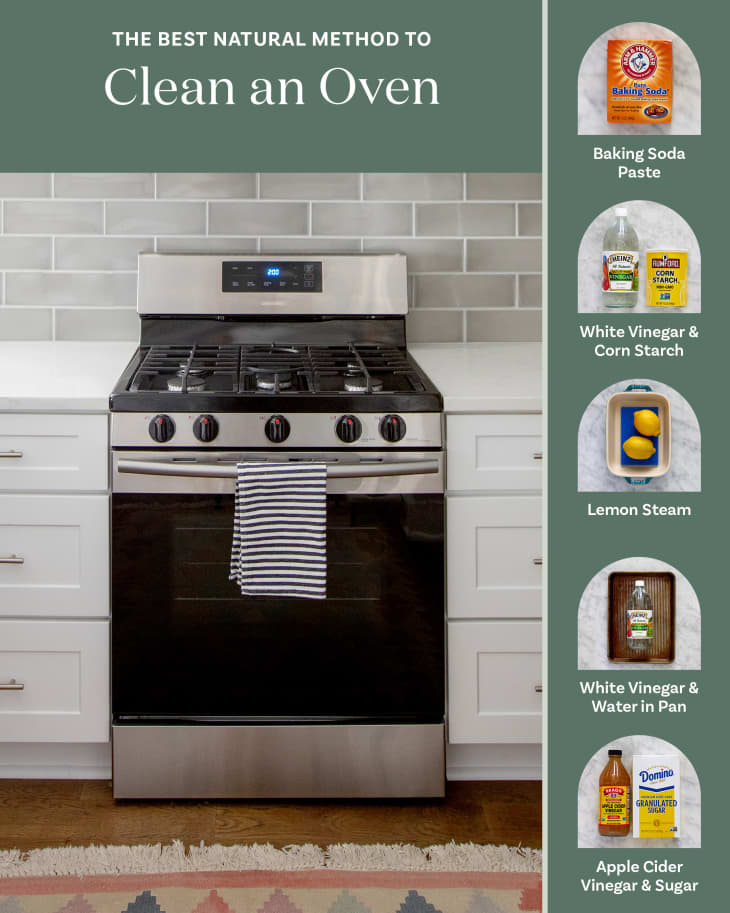
What you’ll need and why it works
These ingredients help you clean an oven naturally and explain the simple chemistry behind them.
Essential supplies
- Baking soda. Acts as a mild abrasive and reacts with acids to loosen grime.
- White vinegar. Acidic; it reacts with baking soda to foam and lift residues.
- Warm water. Helps dissolve grease and dilute cleaning mixes.
- Dish soap. Cuts grease and helps rinse surfaces clean.
- Lemon (optional). Adds fresh scent and mild acid for spot cleaning.
- Spray bottle, microfiber cloths, a plastic spatula or scraper, rubber gloves, and a bowl.
Why these ingredients work together
- Baking soda absorbs oils and provides gentle abrasion.
- Vinegar breaks down mineral deposits and reacts with baking soda to loosen gunk.
- Heat and steam soften hardened residues, making them easier to remove.
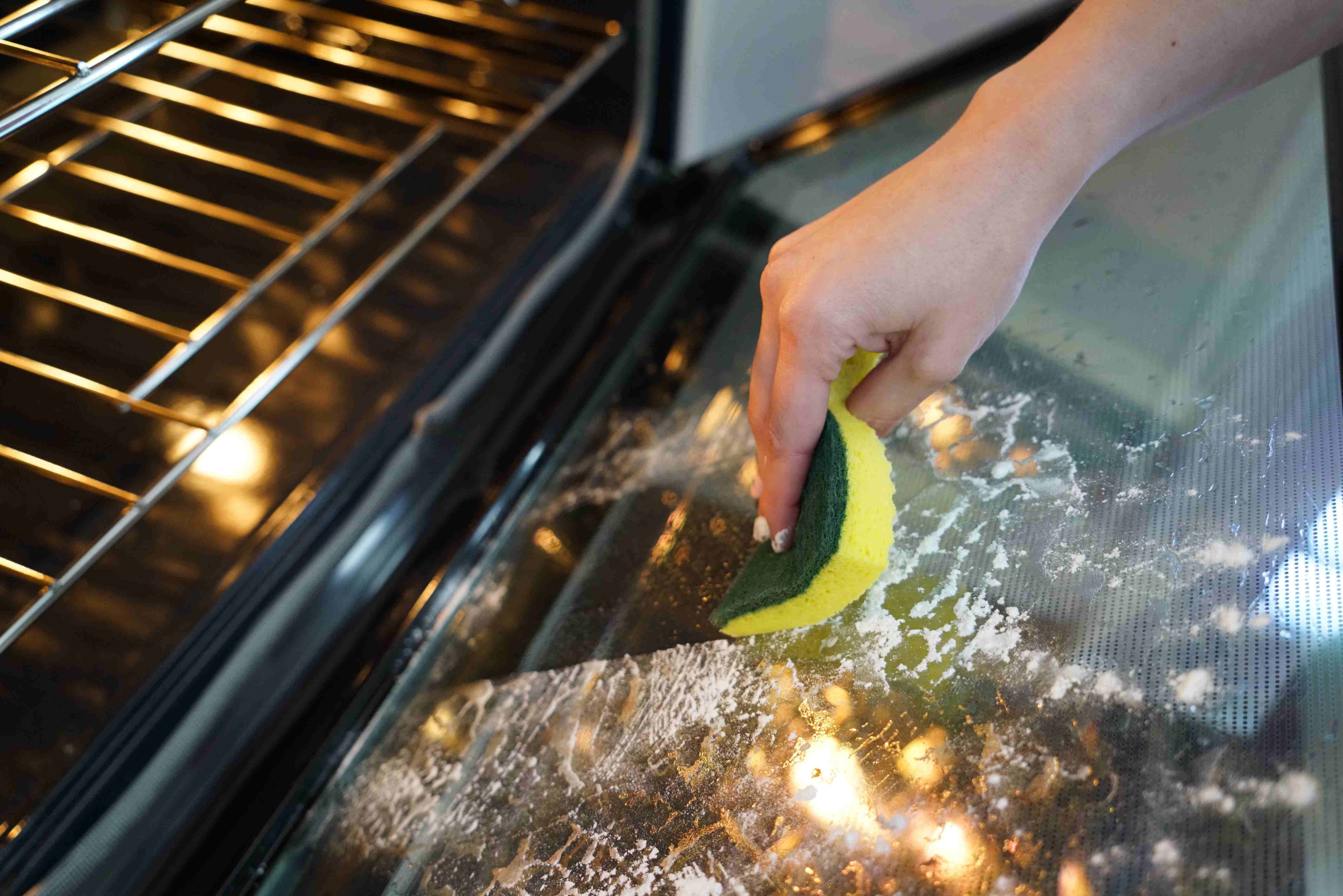
Step-by-step: How to clean an oven naturally (interior)
Follow these simple steps to clean an oven naturally without harsh chemicals.
- Prepare the oven
- Remove racks, thermometers, and any loose items.
- Wipe out loose crumbs with a dry cloth or vacuum nozzle.
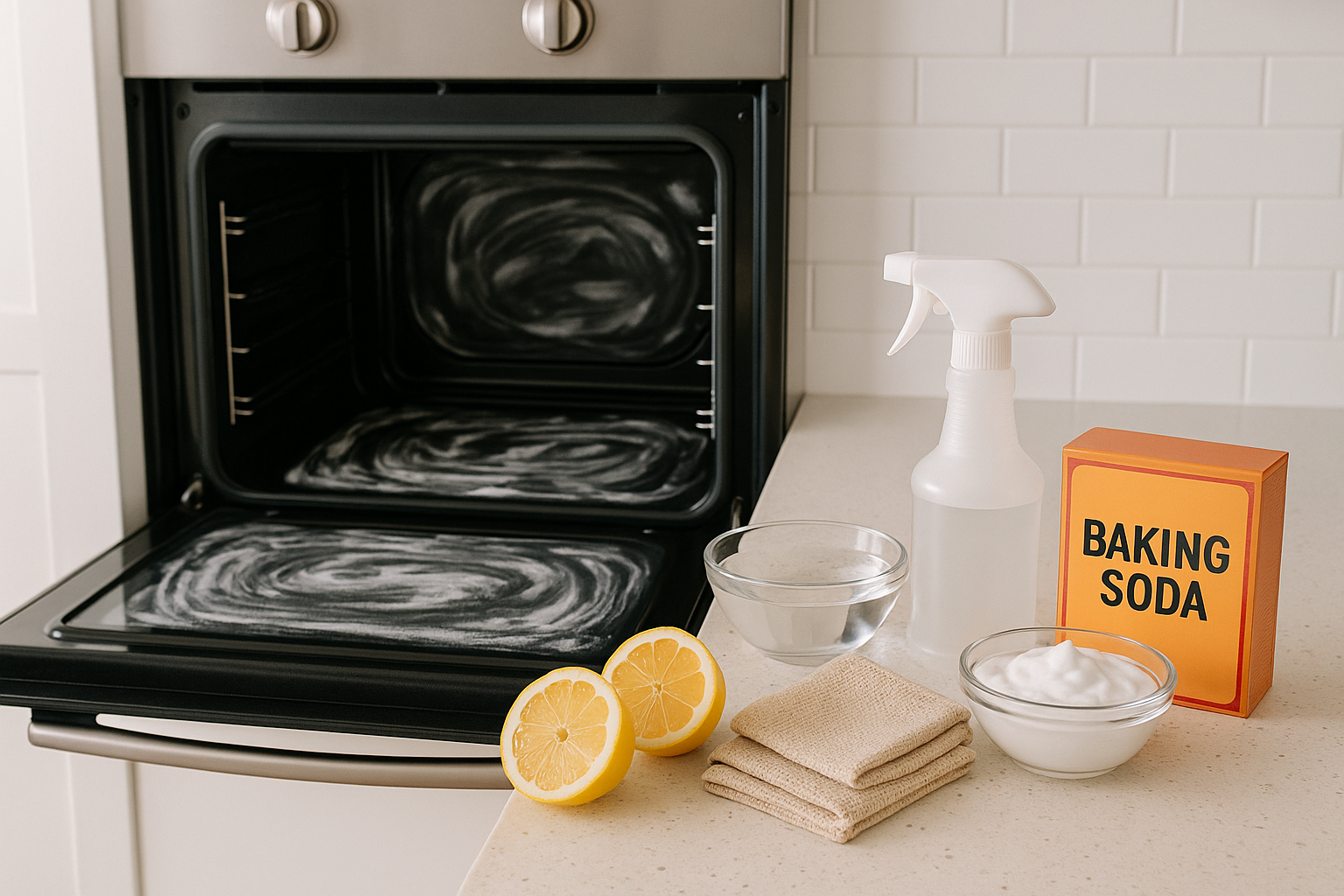
- Make a baking soda paste
- Mix 1/2 cup baking soda with 3 to 4 tablespoons water to form a spreadable paste.
- Adjust water as needed; the paste should be thick but spreadable.
- Apply paste to oven interior
- Spread the paste over greasy and soiled areas, avoiding heating elements.
- Coat the back, sides, floor, and inside of the door, leaving a light layer on tough spots.
- Let it sit
- Allow the paste to work for at least 30 minutes for light soils or overnight for heavy grime.
- Wipe and steam
- Use a damp microfiber cloth to remove as much paste as possible.
- For stubborn residue, spray white vinegar until foam forms and wipe again.
- Final rinse
- Wipe with clean warm water to remove any remaining residue.
- Replace racks only after the oven is fully dry.
PAA-style questions
How long should I leave the baking soda paste in the oven?
For light cleaning leave it for 30 to 60 minutes. For heavy, baked-on grease leave it overnight for best results.
Can I use this method on self-cleaning ovens?
Yes, but do not use the oven’s self-clean cycle immediately after applying pastes. Clean first, then use self-clean only if manufacturer guidance allows.
Cleaning oven racks, door glass, and small parts
Cleaning racks and door glass separately makes the job easier and protects components.
Oven racks
- Soak in warm, soapy water in a bathtub or large basin for 2 to 4 hours.
- Scrub with a non-scratch pad or brush and rinse well.
- For stubborn grease, add 1 cup of baking soda and then pour 1 cup of vinegar into the water to create a fizzy soak.
Door glass
- Apply a thin baking soda paste to the glass and let it sit for 15 to 30 minutes.
- Use a plastic scraper or a soft cloth to remove residue, then spray with vinegar and wipe clean.
- Avoid scraping too hard near seals or vents to prevent damage.
Small parts and trays
- Soak pans and drip trays in warm, soapy water.
- Use a paste for stuck-on food, then rinse thoroughly and dry before returning to the oven.
Cleaning a self-cleaning oven vs. natural cleaning
Self-cleaning cycles reach very high temperatures to burn off residues. Natural cleaning is gentler and lets you control exposure to chemicals and heat.
When to use self-clean
- When the oven manual specifically recommends it and you have no delicate components inside.
- To remove very heavy carbonized deposits that natural methods struggle to remove.
When to clean an oven naturally instead
- If the oven has non-removable catalytic panels or is older with worn seals.
- If you prefer to avoid high heat cycles or toxic fumes.
- If you need spot cleaning or regular maintenance between deep self-clean cycles.
Safety tips
- Always read the manufacturer manual before using the self-clean function.
- Ensure good ventilation when using self-cleaning mode as smoke and odors can form.
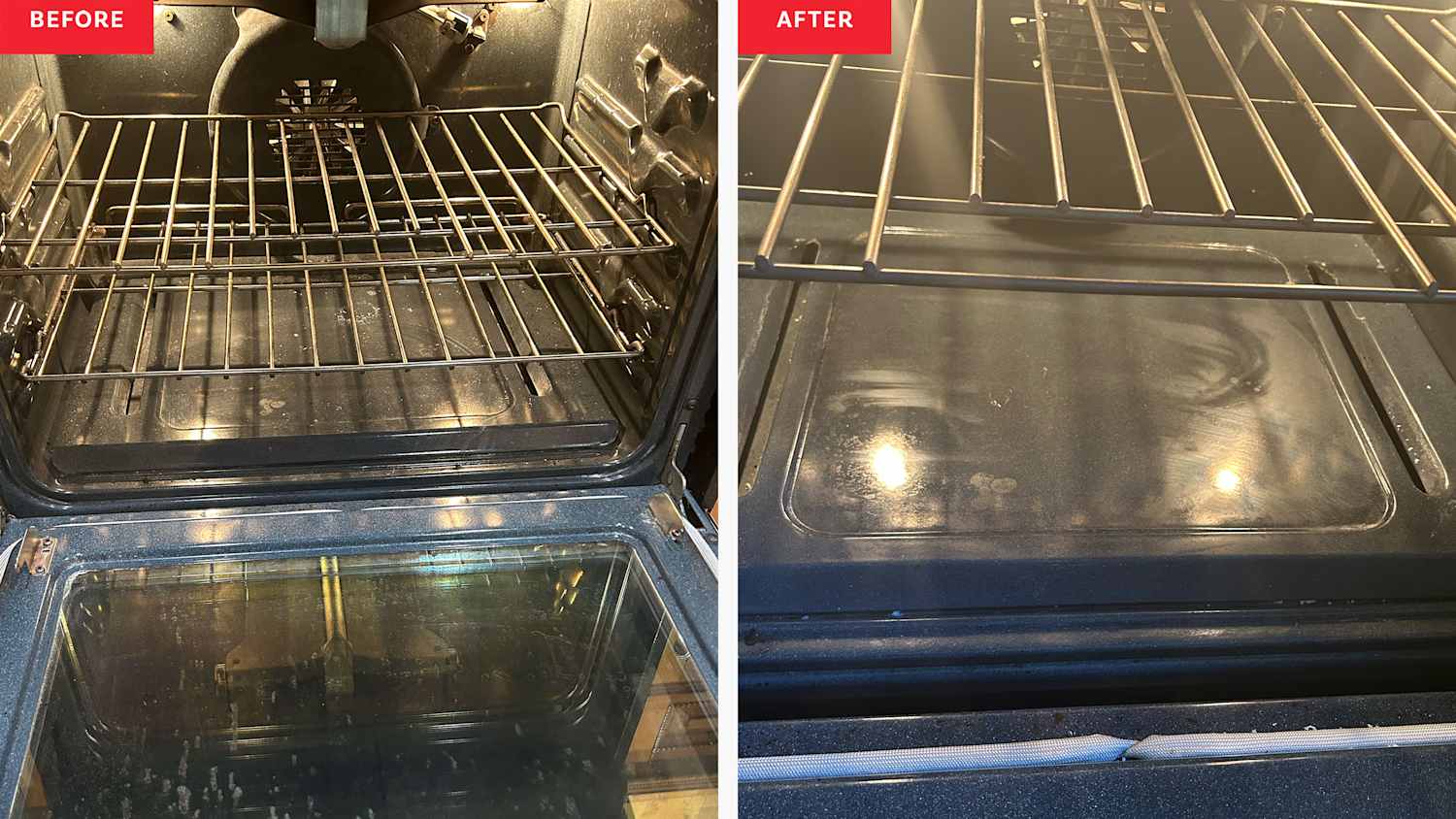
Common mistakes and troubleshooting
Avoid these mistakes when you clean an oven naturally to protect finishes and speed up the job.
Common errors
- Using metal scrapers or steel wool that can scratch surfaces.
- Applying too much water which can pool and damage electronics.
- Rushing and not letting baking soda paste sit long enough on baked-on grease.
Troubleshooting stubborn stains
- Reapply baking soda paste and let it sit overnight if residue persists.
- Use a plastic razor blade to lift carbonized bits gently.
- For burnt sugar or melted plastic, professional service may be safer to prevent damage.

Maintenance schedule to keep your oven clean
A simple routine keeps your oven from needing heavy duty cleaning often.
Weekly maintenance
- Wipe spills immediately after cooling with a damp cloth and a little dish soap.
- Clean splatters on racks and door glass as they appear.
Monthly maintenance
- Do a quick baking soda wipe of the interior to prevent buildup.
- Soak and scrub racks as needed.
Deep clean every 3 to 6 months
- Use the full baking soda paste method or a self-clean cycle if recommended by the oven maker.
- Inspect seals and heating elements for wear.
Benefits of regular care
- Less time and effort per cleaning session.
- Better oven performance and more even cooking.
- Longer equipment life.
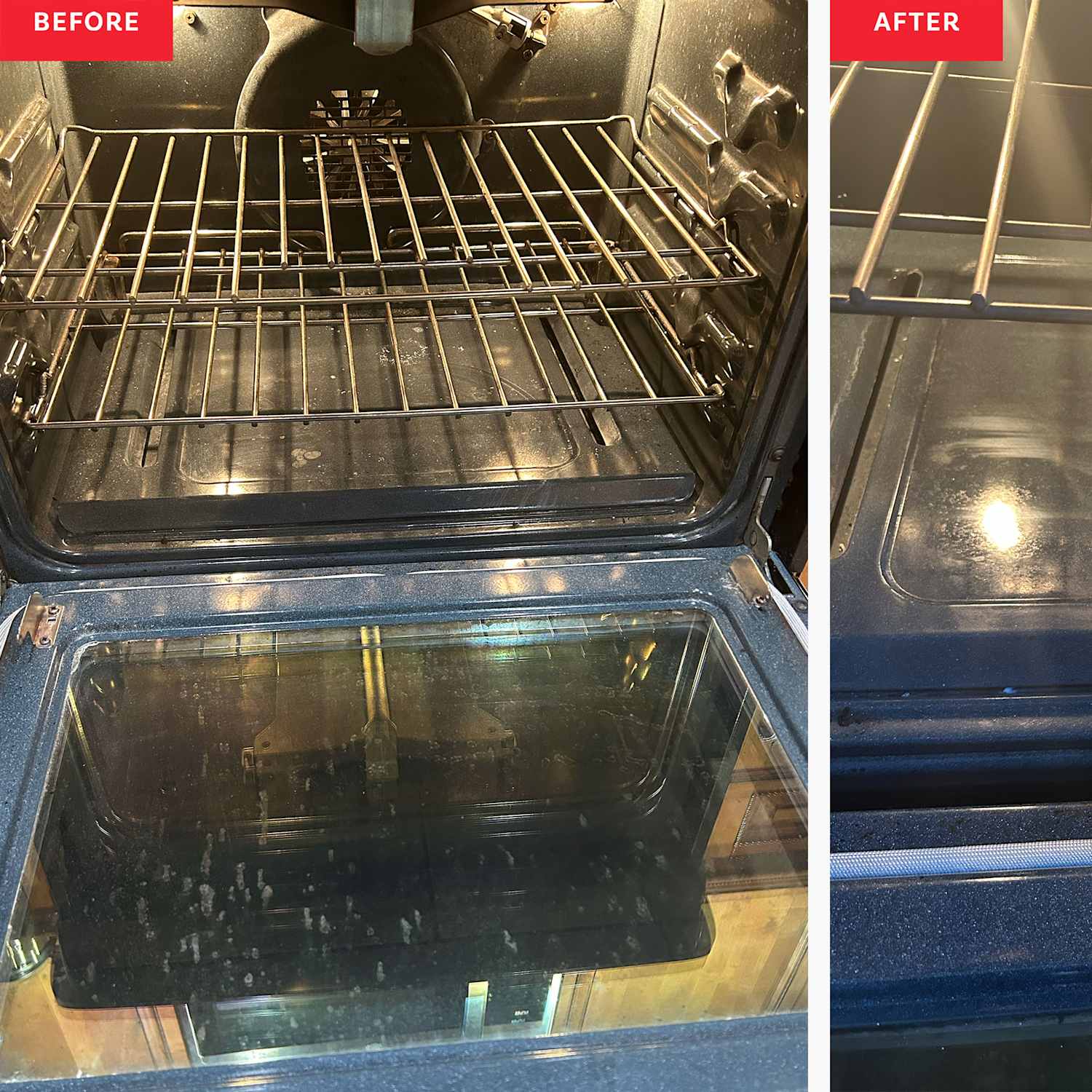
Personal experience and practical tips
I once tried to speed up cleaning by using a strong commercial gel and ended with a tough-to-remove residue and a strong chemical smell. Switching to cleaning an oven naturally changed the game: no fumes and the same or better results over time. Here are tips I learned from repeated cleanings.
Personal tips
- Let baking soda paste sit overnight for heavy grime; patience pays off.
- Use a plastic scraper rather than metal tools to protect enamel.
- Keep a spray bottle of diluted vinegar handy to activate baking soda and make wipe-downs easy.
Lessons learned
- Small spills wiped quickly prevent big scrapes later.
- Test any method on a hidden spot to ensure finish compatibility.
- Combine steam (a pot of boiling water in the oven, off heat, with the door closed briefly) with paste for stubborn spots.
Frequently Asked Questions of How do I clean an oven naturally?
How does baking soda remove oven grease?
Baking soda is mildly abrasive and absorbs oil and grime. When mixed into a paste, it softens baked-on residues so they wipe away more easily.
Can I mix vinegar and baking soda together?
Yes, they react to create a fizzy action that helps lift debris. Apply baking soda first, then spray vinegar to activate and wipe clean.
Is it safe to use vinegar on oven seals and knobs?
Use vinegar sparingly and avoid soaking rubber seals or electrical knobs. Wipe seals gently and dry immediately to prevent damage.
How often should I deep clean the oven naturally?
A deep natural clean every 3 to 6 months is a good rule for regular home use. Heavy or frequent cooking may require more frequent cleaning.
Will natural methods remove burnt-on carbon deposits?
Natural methods work well on most grease and baked-on food, but very hard carbon may need repeated treatments or professional help. Avoid using metal tools that could damage the oven surface.
Can I use lemon instead of vinegar?
Yes, lemon has mild acid and a pleasant scent and can substitute for vinegar in light cleaning tasks. It’s less acidic, so it may require more elbow grease for heavy grime.
Is it okay to use dish soap inside the oven?
A mild dish soap diluted in water can be used on racks and removable trays, but avoid getting soap into vents or electronics. Rinse thoroughly to remove residue.
Conclusion
Cleaning an oven naturally is effective, safe, and affordable when you use simple steps and the right ingredients. Start with a baking soda paste, use vinegar and steam to lift grime, and maintain a regular wipe-down schedule to avoid heavy buildup. Try the methods here this week, and you’ll find cleaning is less daunting and better for your home’s air quality. If this guide helped, leave a comment with your experience, subscribe for more kitchen care tips, or share your favorite natural cleaning hack.

