

Use 325°F–375°F for most baking; tweak by recipe, pan color, and oven type.
I’ve baked for years and tested dozens of recipes, so I know how confusing oven temps can be. This guide answers What temperature should I use for baking? with clear ranges, real tips, and simple rules you can use today. Read on to learn exact temps for cookies, cakes, bread, pies, and how to adjust for pan type, convection ovens, and altitude.
Understanding oven temperatures and how they affect baking
Temperature controls how baked goods rise, set, brown, and finish. Knowing What temperature should I use for baking? means thinking about two things: heat intensity and time. High heat browns and sets surfaces quickly while low heat cooks more gently and evenly.
Oven thermostats are not always accurate. Use an oven thermometer to verify actual temp. I learned this the hard way when a cake cracked because the oven ran 25°F hot. That taught me to always check the oven before trusting the dial.
What temperature should I use for baking? depends on chemistry. Sugar melts and caramelizes at higher temps. Proteins set and starches gelatinize at precise ranges. Small changes of 10–25°F can change texture and bake time.

Typical temperature ranges by baked good
Below are practical ranges and reasons why each range works. Use these as starting points when you ask, What temperature should I use for baking?
- Cookies
- 325°F–375°F for most cookies. Lower temp for chewy centers, higher for crisper edges.
- Cakes and cupcakes
- 325°F–350°F for most layer cakes. Use 350°F when you need faster structure set and browning.
- Quick breads and muffins
- 350°F–375°F. Start hot (375°F) for good oven spring, then lower if browning too fast.
- Yeasted bread
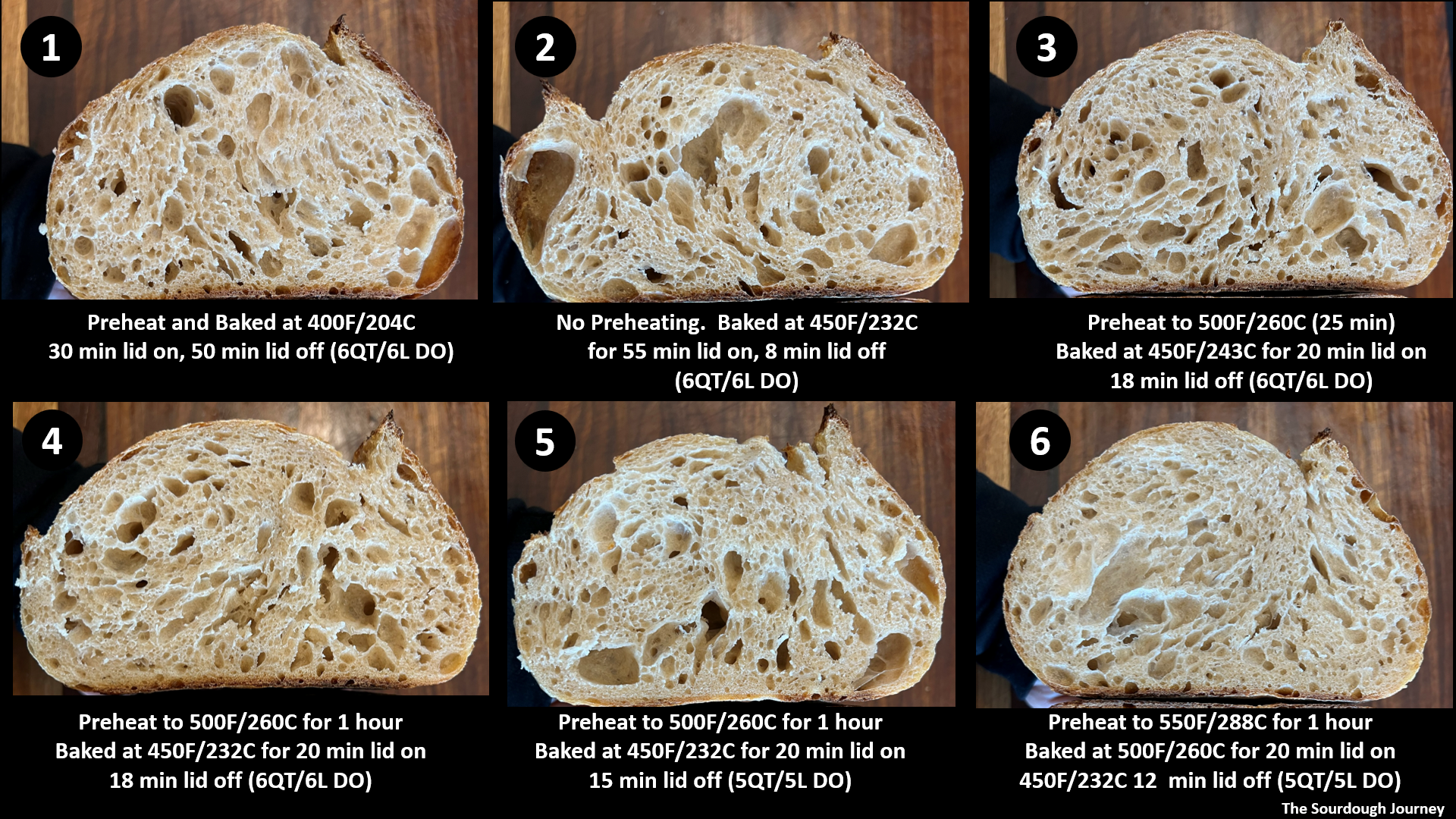
- 375°F–475°F. Higher temps (425°F–475°F) give a strong oven spring and crisp crust.
- Puff pastry and laminated dough
- 400°F–425°F. High heat creates steam and lift.
- Pies and tarts
- 375°F–425°F. Blind-bake crusts at 375°F–400°F; fill and finish at similar temps.
- Pizza
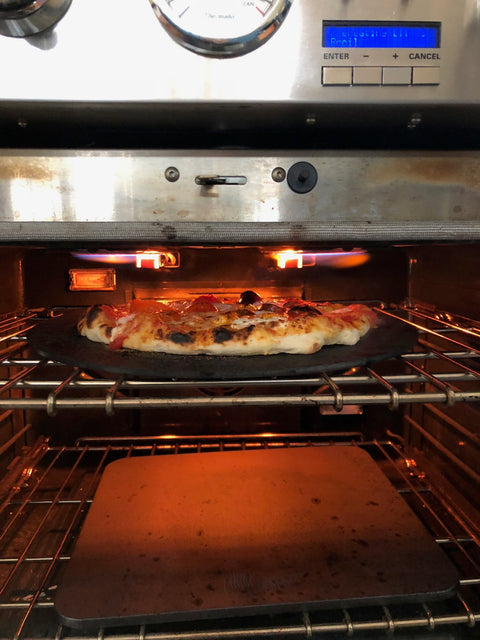
- 475°F–550°F if your oven allows. Higher temps give a blistered crust and quick bake.
Ask yourself: What temperature should I use for baking this item? Choose the range above, then fine-tune by pan and recipe. When in doubt, err slightly lower to avoid burning.
How to choose and adjust temperatures in practice
Start with the recommended range, then adjust for these factors. This approach answers What temperature should I use for baking? in real kitchens.
- Pan color and material
- Use 25°F lower for dark or nonstick pans. Use standard temp for light-colored pans.
- Convection vs conventional oven
- Reduce by about 25°F for convection ovens or shorten the time. Convection circulates hot air for faster, more even baking.
- Size and thickness
- Thinner items bake faster; lower temp slightly if edges brown before center cooks.
- Sugar and fat content
- High sugar bakes faster and browns more quickly. Cut temp or time for very sweet doughs.
- Altitude
- At higher altitudes reduce baking powder slightly and increase oven temp 10–25°F if structure is weak.
- Starting temperature
- Let refrigerated dough warm slightly for even baking. Cold dough can under-bake in the center if oven temp is too high.
When you ask, What temperature should I use for baking? run a quick test: bake one small piece at your chosen temp and check results. This saves full-batch disappointment.

Oven types, calibration, and tools
Different ovens behave differently. Knowing your oven helps answer What temperature should I use for baking? accurately.
- Oven thermometer
- Place an oven thermometer at center rack to confirm real temperature. I keep one in my oven and check it weekly.
- Calibration
- If the thermometer shows a consistent offset, adjust the oven dial or note the difference in recipes you use often.
- Gas vs electric vs convection
- Gas can have hot spots. Electric is more even. Convection reduces temps by about 25°F and shortens bake time.
- Toaster and countertop ovens
- They run hotter and have smaller air pockets. Lower temp by 25°F and watch closely.
- Thermostat quirks
- Older ovens may drift as they age. Frequent checks will keep results consistent.
Choose the right temp for your oven. When someone asks, What temperature should I use for baking? the honest answer often begins with “check your oven thermometer.”
:max_bytes(150000):strip_icc()/Room-Temperature-Eggs-Baking-FT-DGTL1225-04-d9d686df084d4b62b3c9019cde44fc6c.jpg)
Troubleshooting common baking issues and temp fixes
Problems often trace back to temperature choices. Here are quick fixes tied to What temperature should I use for baking?
- Burnt edges but raw center
- Lower oven temp 25°F and bake longer. Use a lighter pan if possible.
- Undercooked, wet center
- Increase time; if edges brown too fast, lower temp and tent with foil.
- Pale top and no browning
- Increase temp 25°F for the last few minutes or move rack higher in oven.
- Dense or fallen cakes
- Oven too cool, or opened door too often. Verify temp and avoid early door openings.
- Soggy pie bottoms
- Bake on lower rack or use blind baking. Increase temp briefly to set crust.
If you wonder, What temperature should I use for baking today? inspect results early and adjust next batch based on what you see.
Personal tips, lessons learned, and mistakes to avoid
Real kitchens teach simple rules fast. Here are my practical takeaways for the question: What temperature should I use for baking?
- Test one tray first
- I now bake a single tray to test color and texture. It saves time and ingredients.
- Use the right pan
- Dark pans brown faster. Switch to light pans or drop temp 25°F to avoid overbrowning.
- Respect recipe notes
- If a recipe calls for warming the oven 10 minutes, do it. Preheat matters.
- Watch the first batch
- If cookies spread too fast, lower temp 15–25°F next time. Small changes add up.
- Trust your senses
- Smell and sight tell you a lot. Learn how your oven behaves.
I once baked a tray at 400°F because a cookbook used commercial ovens. The edges burned. That taught me to adapt temp to home ovens and recipes. Ask, What temperature should I use for baking? and then test.

Frequently Asked Questions of What temperature should I use for baking?
What temperature should I use for baking cookies?
Most cookies bake well at 325°F–375°F. For chewy centers choose the lower end; for crisp cookies choose the higher end.
What temperature should I use for baking a cake?
Use 325°F–350°F for most layer cakes. Use 350°F when you need a bit more browning or faster structure set.
What temperature should I use for baking bread?
Bake yeasted breads between 375°F–475°F. Higher temps give better oven spring and a crisp crust.
Should I lower oven temperature for convection baking?
Yes. Lower by about 25°F for convection ovens, or reduce the baking time slightly. Convection cooks faster and more evenly.
How do I adjust temperature for dark or nonstick pans?
Reduce the recipe temperature by about 25°F. Dark pans absorb more heat and brown faster.
What temperature should I use for baking at high altitude?
Raise oven temp by 10–25°F if structure is weak, and reduce leavening slightly. Follow altitude-specific recipe notes when possible.
Conclusion
Understanding What temperature should I use for baking? starts with ranges and ends with testing your oven. Use 325°F–375°F for most items, tweak for pan color, oven type, and size, and always verify with an oven thermometer. Try one small test batch, make one small adjustment, and learn your oven’s personality.
Take action: check your oven thermometer, try a test tray at the recommended temp, and leave a comment below with your oven quirks or questions.

