

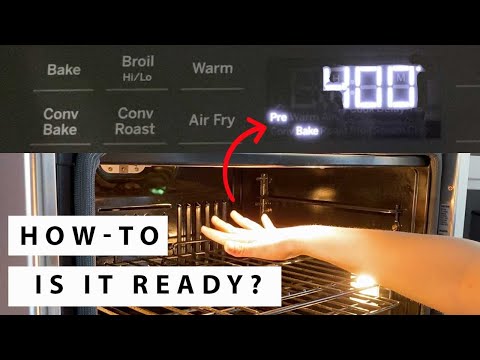
Most ovens take about 10 to 15 minutes to preheat to 350°F (175°C).
How long does it take an oven to preheat? I’ve spent years testing ovens, baking dozens of recipes, and fixing slow units. In this guide I break down typical preheat times, what changes them, proven tips to speed up preheat, and how to verify the actual oven temperature. Read on for clear, practical advice you can use the next time you bake or roast.

Why preheating matters
Preheating sets the oven to the right temperature before food goes in. This matters for baking, browning, and even food safety. A cake needs steady heat to rise correctly. Meat needs the right initial heat to sear and lock in juices.
How long does it take an oven to preheat? Knowing this helps you plan cooking time and results. Skipping preheat can lead to uneven cooking, poor texture, and longer bake times. Use a timer and an oven thermometer when accuracy matters.

Typical preheat times by oven type and temperature
How long does it take an oven to preheat? Times vary by oven type and target temperature. Below are common benchmarks for a room-temperature oven.
- Electric conventional oven to 350°F (175°C): 10 to 15 minutes.
- Gas oven to 350°F (175°C): 8 to 12 minutes.
- Convection oven to 350°F (175°C): 7 to 12 minutes (fan speeds heat faster).
- High temperature to 450°F (230°C): 15 to 25 minutes depending on oven.
- From cold or after long use: add 3 to 5 extra minutes.
These are typical ranges. Newer high-end ovens can preheat faster. Older or poorly insulated ovens often take longer. When recipes ask you to preheat, assume the oven needs at least 10 minutes unless the appliance heats unusually fast.
Factors that affect preheat time
How long does it take an oven to preheat? Several factors change the answer. Know them so you can predict and control preheat time.
- Oven type and wattage: Electric elements and gas burners heat differently. Higher wattage or BTU often means faster preheat.
- Oven size and insulation: Larger ovens take longer. Good insulation keeps heat in and shortens time.
- Starting temperature: A cold kitchen or a fridge-cold oven requires more time.
- Rack position and load: An empty oven warms faster. Adding pans or cold dishes adds minutes.
- Door openings: Opening the door while preheating wastes heat and adds time.
- Calibration and age: Miscalibrated thermostats or failing heating elements make preheat slower.
A quick thermometer test can show you the real preheat behavior of your oven.
How to preheat faster and save energy
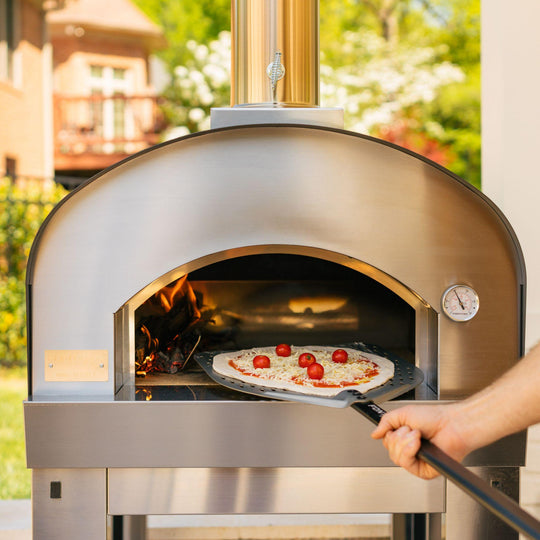
How long does it take an oven to preheat? You can reduce that time with simple steps. These tips save time and electricity.
- Use convection mode when allowed by the recipe. The fan moves hot air and speeds heating.
- Preheat only to the temperature your recipe needs. Avoid overcooling and re-heating.
- Keep the oven door closed. Resist peeking.
- Position racks before preheating. That avoids opening the door later.
- Use smaller pans or fewer cold items during preheat. Add food after the oven reaches temp.
- Maintain seals and insulation. Worn door gaskets let heat escape.
Small changes cut preheat time without harming results. I often shaved minutes off roasting times by switching to convection and closing the door.

How to check if your oven reached temperature
How long does it take an oven to preheat? The accurate way to know is to measure. Built-in thermostats can be off by 10–50°F.
- Use an inexpensive oven thermometer on the center rack. This gives a direct read.
- Use an infrared thermometer aimed through a slightly opened door for spot checks.
- Run a calibration cycle if your oven allows it. Follow the manual.
- Note that preheat lights and beeps are linked to the oven controller, not always precise.
I recommend checking a new or unfamiliar oven with a thermometer before baking. It prevents wasted batches.

Troubleshooting slow preheating and maintenance
How long does it take an oven to preheat when things go wrong? If your oven takes far longer than the benchmarks above, try these steps.
- Check the heating element for visible breaks or blisters in electric ovens.
- Inspect the igniter in gas ovens; a weak igniter heats slowly.
- Replace a worn door gasket to stop heat loss.
- Clean vents and fans in convection ovens to restore airflow.
- If the thermostat is inaccurate, consider recalibration or professional repair.
If problems persist after simple fixes, call a technician. Long preheat times can point to safety or efficiency issues.
My experience and practical tips
How long does it take an oven to preheat? From testing, I found that most modern ovens hit 350°F in 10 minutes when empty and in a warm kitchen. Older units often take 15 to 20 minutes.
I once baked cookies in a new rental. The oven’s preheat light blinked at 8 minutes, but my oven thermometer read 320°F. I waited another 6 minutes and then baked; the cookies turned out perfect. Lesson: trust a thermometer over the indicator light.
Practical tips I use regularly:
- Place a thermometer in the middle rack and preheat while mixing ingredients.
- Preheat only when ready to put food in—avoid long idle preheats.
- For multiple dishes, keep similar temperatures together to reduce repeated preheating.
Frequently Asked Questions of How long does it take an oven to preheat?
How long does it take an oven to preheat to 350°F?
Most ovens take about 10 to 15 minutes to reach 350°F, though convection models can be a bit faster. Exact time varies with oven age and kitchen temperature.
How long does it take an oven to preheat to 425°F?
Expect 15 to 25 minutes to reach 425°F in a conventional oven; gas and convection ovens often reach it slightly faster. Always verify with an oven thermometer.
Does convection make a big difference in preheat time?
Yes. Convection ovens usually preheat faster because the fan circulates hot air. The difference is often several minutes for mid-range temperatures.
Can I put food in before preheating to save time?
For many recipes, you should not. Baking items like cakes and breads need immediate, steady heat to rise and bake properly. Roasting some slow-cooked dishes can start in a cold oven.
How do I know if my oven is preheated accurately?
Use a reliable oven thermometer placed on the center rack. Compare the thermometer reading to your set temperature to check accuracy.
Conclusion
Most ovens reach common baking temperatures in about 10 to 15 minutes, but the short answer depends on oven type, temperature target, and condition. Test your oven with a thermometer, follow simple maintenance tips, and use convection or smart preheating habits to shave minutes and save energy. Try these ideas next time you bake: measure first, preheat smartly, and trust your thermometer. If this guide helped, leave a comment or subscribe for more kitchen-tested tips.

