

Gigli pasta isn’t just a food—it’s a conversation starter. Its unique bell-shaped form, with ruffled edges and a hollow center, makes it a favorite for both home cooks and chefs. But if you’re searching for gigli pasta, you may discover it’s not always easy to find.
Whether you want to try a new recipe, impress guests, or simply enjoy its texture, knowing where to buy gigli pasta is essential. This guide will show you the best places, compare options, and share tips so you can confidently buy gigli pasta without confusion.
What Is Gigli Pasta And Why Is It Special?
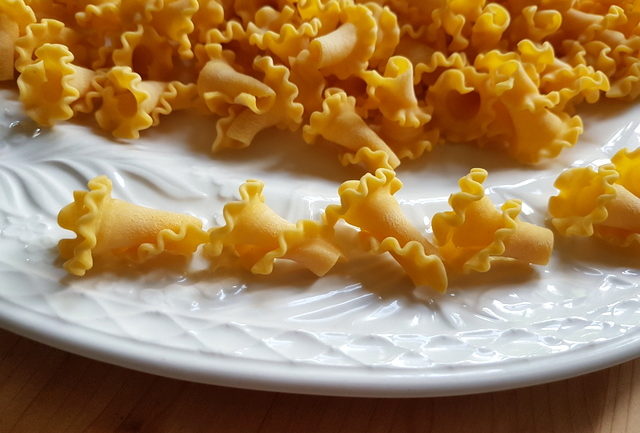
Gigli pasta is also known as campanelle, meaning “little bell” in Italian. It’s shaped like a cone with flared edges, designed to hold sauces and ingredients inside. This makes gigli ideal for thick, chunky sauces—think creamy Alfredo, hearty Bolognese, or robust vegetable ragù. The texture is chewy but tender, and the ruffles add a pleasing bite.
Gigli is not as common as penne or spaghetti, so it stands out at the table. Many people love its playful look and the way it grabs sauces. If you’ve seen gigli in a recipe or at a restaurant, you may want to cook it at home.
But because it’s less popular, finding gigli pasta requires a bit more effort.
Where To Find Gigli Pasta: Online And Local Options
The easiest way to buy gigli pasta is online, but specialty stores and supermarkets sometimes stock it as well. Let’s break down your choices.
Online Retailers
Most people start their search online because it’s convenient and offers more variety. Here are the top places to buy gigli pasta online:
- Amazon: Amazon has several brands of gigli pasta, including imported Italian options. You can find both small packages and bulk deals. Prices range from $3 to $12 per pound, depending on brand and origin. Look for brands like La Molisana or Sfoglini.
- Eataly: Eataly is a well-known Italian food retailer with a large pasta selection. They offer artisan gigli pasta, sometimes from small family producers. Expect higher prices (around $8–$15 per pound), but the quality is excellent.
- Walmart.com: Walmart’s website sometimes lists gigli or campanelle pasta. Availability changes often, so check regularly. Prices are usually lower than specialty sites.
- Italian Food Importers: Websites like Gustiamo and Supermarket Italy specialize in Italian foods. They carry gigli pasta and ship across the US.
Here’s a quick comparison of online options:
| Retailer | Price Range | Shipping | Selection |
|---|---|---|---|
| Amazon | $3–$12/lb | Free (Prime) or paid | Wide |
| Eataly | $8–$15/lb | Paid (varies) | Specialty |
| Walmart.com | $2–$6/lb | Free or paid | Basic |
| Gustiamo | $6–$12/lb | Paid | Italian imports |
Local Grocery Stores
You may find gigli pasta in bigger grocery stores, but it’s often sold as campanelle. Check these places:
- Whole Foods: Whole Foods sometimes stocks gigli or campanelle in their pasta aisle, especially in cities with a large Italian community.
- Trader Joe’s: Trader Joe’s rarely carries gigli, but check their specialty pasta section.
- Safeway / Kroger: Large chains may have gigli under their gourmet or organic brands.
- Local Italian Markets: If you live near an Italian neighborhood, small markets often stock gigli pasta.
Grocery store staff may help if you ask for “campanelle. ” Sometimes it’s available in the specialty section, not with regular pasta.
Specialty Food Stores
If you want authentic gigli pasta, visit a specialty food store. These shops focus on imported Italian products. You’ll pay more, but the quality is high, and you might find organic or artisanal gigli pasta.
Farmers Markets And Food Festivals
In cities with strong Italian heritage, farmers markets and food festivals sometimes sell gigli pasta. Local producers or importers may offer handmade gigli. Prices vary, but you’ll often find fresher pasta and unique shapes.

Choosing The Best Gigli Pasta: What Matters
Not all gigli pasta is equal. Here’s what to look for when choosing:
- Ingredients: The best gigli pasta uses durum wheat semolina and water. Avoid brands with additives or preservatives.
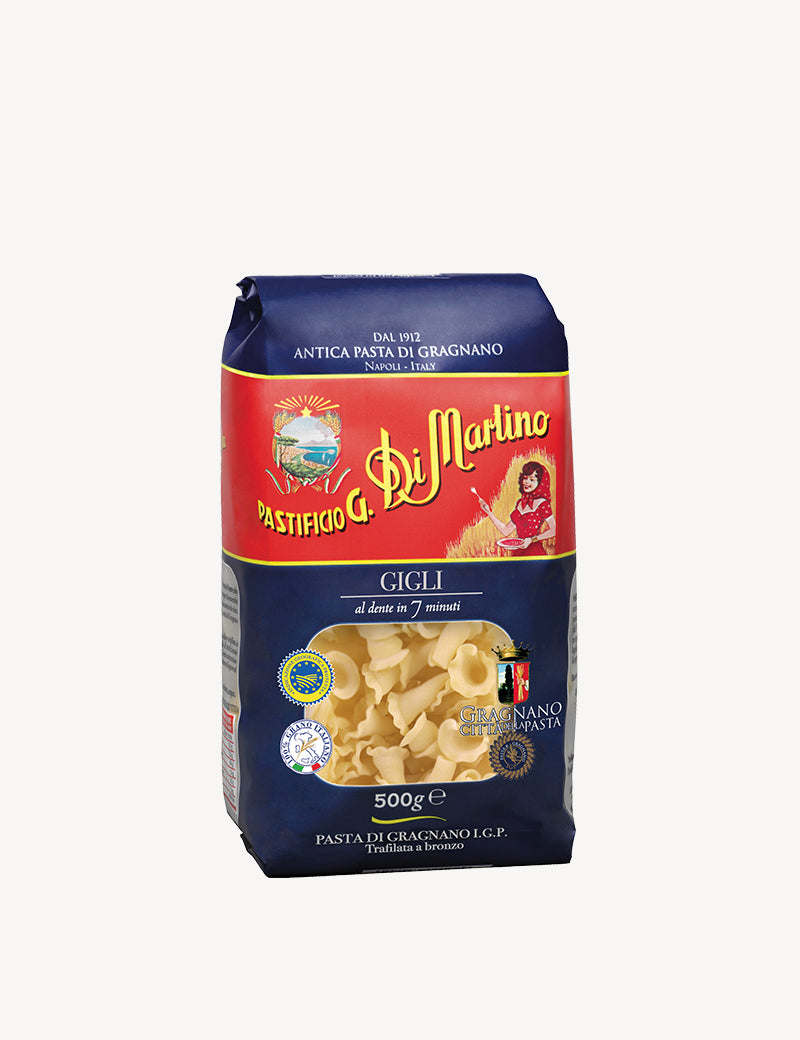
- Origin: Italian-made gigli often tastes better and has a richer texture. Look for pasta from Gragnano or other famous Italian pasta regions.
- Shape Quality: Well-made gigli has deep ruffles and a strong bell shape. Cheaper brands may have flat or uneven shapes.
- Cooking Time: Authentic gigli cooks in 10–12 minutes. Some brands cook faster but may be less flavorful.
- Organic / Artisan Options: These are pricier but often use better wheat and traditional methods.
Here’s a quick table comparing gigli pasta features:
| Type | Wheat Quality | Shape Detail | Cooking Time | Price (per lb) |
|---|---|---|---|---|
| Mass-market | Standard | Basic | 8–10 min | $2–$6 |
| Italian import | High | Deep ruffles | 10–12 min | $6–$15 |
| Organic/artisan | Premium | Handmade | 12–15 min | $10–$20 |
Tips For Buying Gigli Pasta: Avoid Common Mistakes
Many beginners make simple mistakes when searching for gigli pasta. Here’s how to avoid them:
- Don’t confuse gigli with campanelle: They are the same shape but often labeled differently.
- Always check the package photo: Some brands use the name “campanelle” but show gigli’s bell shape.
- Watch for fake Italian brands: Some pasta brands use Italian-sounding names but are made elsewhere. Check for “Made in Italy.”
- Buy in bulk if possible: Gigli pasta keeps well for months if stored dry. Buying a larger package saves money.
- Compare prices per pound: Some packages are small (8 oz or 12 oz). Calculate the price per pound to compare fairly.
Here’s a helpful comparison table:
| Brand | Label | Origin | Package Size | Shape Picture |
|---|---|---|---|---|
| Barilla | Campanelle | USA | 12 oz | Bell-shaped |
| La Molisana | Gigli | Italy | 16 oz | Bell-shaped |
| Sfoglini | Campanelle | USA | 16 oz | Bell-shaped |
| Rustichella d’Abruzzo | Gigli | Italy | 17.6 oz | Bell-shaped |
Non-obvious Insights: What Beginners Usually Miss
- The name changes by region: In Italy, gigli is known by several names—campanelle, cornetto, or even “riccioli.” If you can’t find gigli, look for these names, especially in specialty shops.
- Fresh gigli pasta is rare but worth trying: Most gigli is dried, but some Italian delis make fresh gigli. It cooks in half the time and tastes richer. Ask your local Italian market if they make fresh gigli.
- Gigli works for baked dishes: Many people use gigli for sauce, but it’s excellent in baked pasta recipes. The shape holds cheese and sauce well, creating a creamy, crispy finish.
How To Store And Use Gigli Pasta
Once you buy gigli pasta, keep it in a cool, dry place. Dried gigli lasts up to a year. If you buy fresh gigli, use it within two days, or freeze it.
Gigli pasta pairs well with:
- Creamy sauces (Alfredo, carbonara)
- Chunky tomato or meat sauces
- Vegetable ragù
- Cheese-based baked dishes
Cook gigli in boiling salted water, stirring occasionally. Use 1 quart of water per 100 grams of pasta. Drain and toss with sauce immediately.
Alternatives If You Can’t Find Gigli Pasta
Sometimes gigli pasta is out of stock or unavailable in your area. Don’t worry—there are good substitutes:
- Fusilli: Spiral shape, holds sauce well.
- Penne: Tube shape, easy to find.
- Rigatoni: Large tube, good for chunky sauces.
- Shells (conchiglie): Holds sauce inside.
While these shapes don’t have gigli’s ruffled edges, they are good alternatives for most recipes.
Buying Gigli Pasta Outside The Us
If you live outside the US, gigli pasta is sometimes easier to find in Europe. In the UK, Waitrose and Tesco stock campanelle. In Canada, check Loblaws or Italian food stores. In Australia, Coles and Woolworths sometimes carry gigli or campanelle.
If you travel to Italy, visit local markets for the best gigli pasta. Many small towns have artisan pasta shops with fresh gigli.
Is Buying Gigli Pasta Worth It?
Gigli pasta costs more than basic shapes, but its quality and appearance make it worthwhile. Whether you buy online or in stores, gigli turns everyday pasta dishes into something special. Even if you spend a bit more, the texture and flavor are unique.
If you want to learn more about pasta shapes and their history, you can check Wikipedia’s pasta list.
Frequently Asked Questions
Is Gigli Pasta The Same As Campanelle?
Yes, gigli and campanelle are two names for the same pasta shape. Both mean “little bell,” but gigli is more common in Italy, while campanelle is used by US brands.
Can I Buy Gigli Pasta At Regular Supermarkets?
Some supermarkets stock gigli (or campanelle), but it’s not as common as penne or spaghetti. Check the specialty pasta section, or ask staff for help.
How Much Does Gigli Pasta Cost?
Prices vary. Mass-market brands cost $2–$6 per pound, Italian imports cost $6–$15 per pound, and organic/artisan gigli can reach $20 per pound.
What Sauces Go Best With Gigli Pasta?
Gigli is great for thick, chunky sauces. Try creamy Alfredo, tomato ragù, or cheese-based sauces. The shape holds sauce inside, making each bite flavorful.
Can I Use Gigli Pasta For Baked Recipes?
Yes. Gigli is excellent in baked pasta dishes. Its shape holds sauce and cheese, and the ruffled edges become crispy in the oven.
Buying gigli pasta is an adventure that pays off with taste and presentation. Whether you order online, visit a local store, or find it at a food festival, gigli pasta adds flair to any meal. With these tips and comparisons, you can find gigli pasta easily and cook with confidence.

