

If you love exploring pasta shapes, you may have heard of gigli pasta—also known as “lily pasta” or “campanelle.” Its fluted, flower-like shape stands out on the plate and holds sauce beautifully. But finding authentic Italian gigli pasta is not easy, especially if you want true Italian taste and quality. Many stores offer lookalike shapes, but they often lack the flavor and texture of real gigli from Italy. This article will help you discover where to buy genuine gigli pasta, what to look for, how to compare options, and avoid common mistakes when shopping. Whether you’re a home cook, a food lover, or just curious, you’ll get practical advice and clear answers.
What Makes Gigli Pasta Unique?
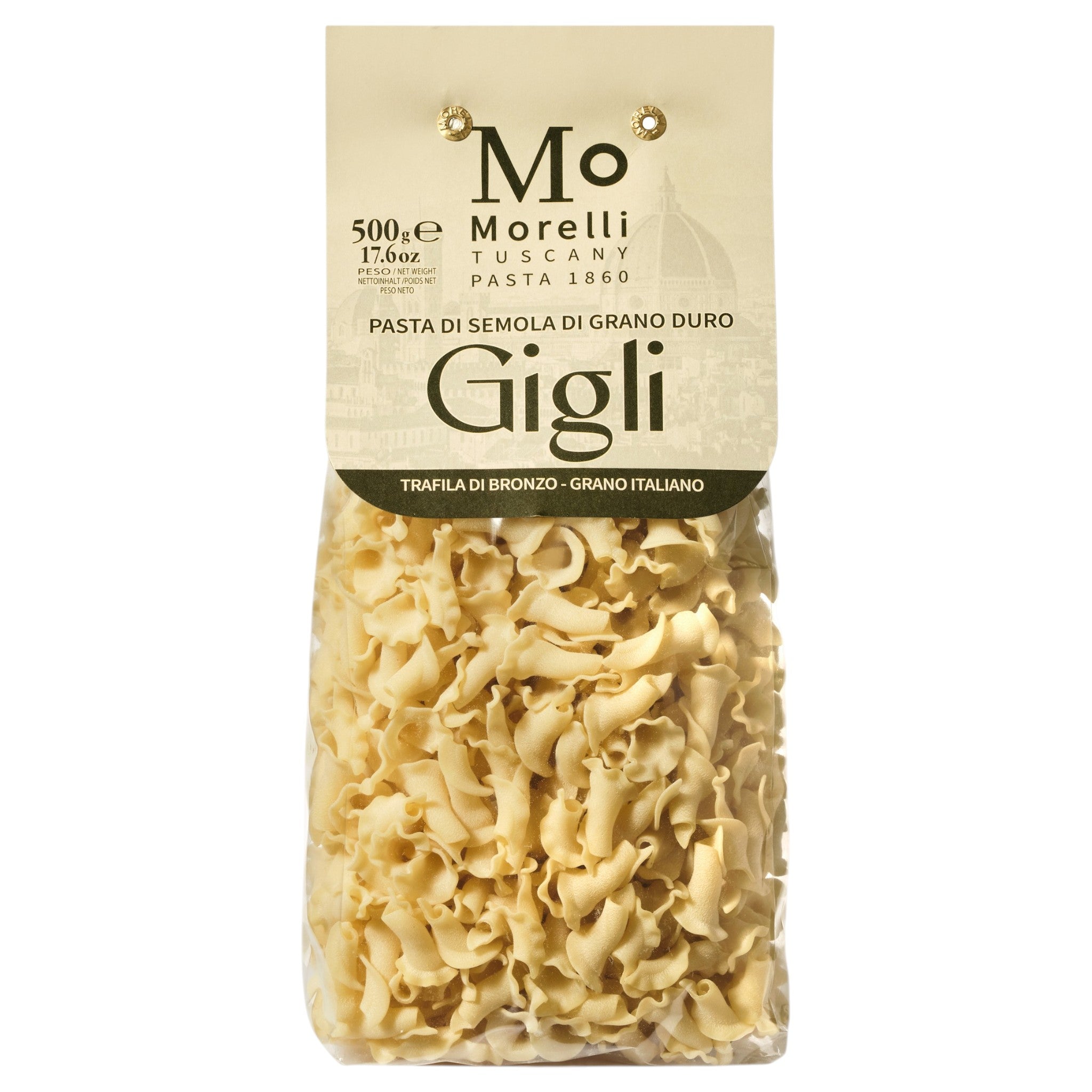
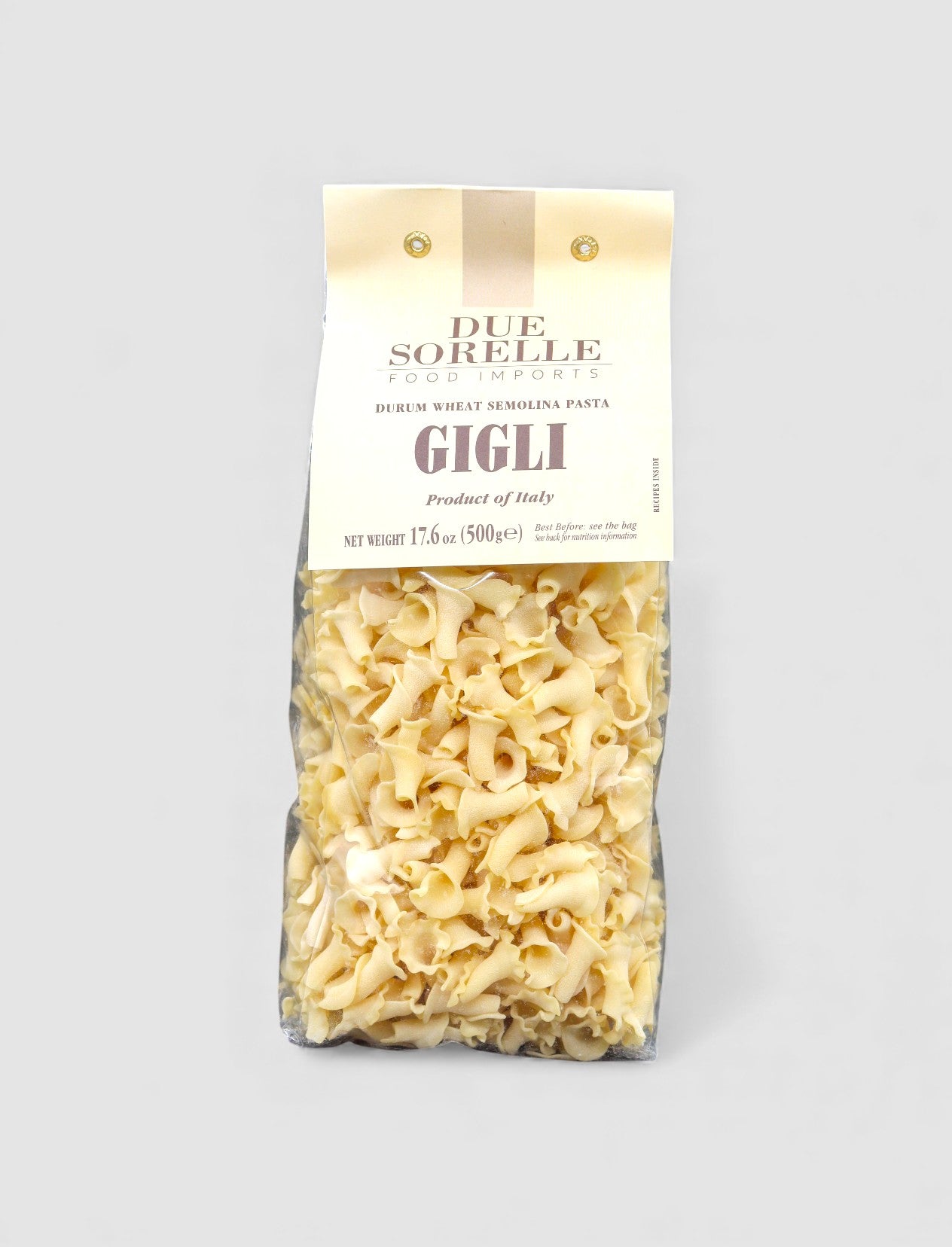
Gigli means “lily” in Italian, and the pasta shape mimics a blooming flower. It’s sometimes called campanelle, meaning “little bell.” The curled edges and hollow center are perfect for catching sauces, especially creamy or chunky ones. Gigli is mostly made in Tuscany, but you’ll find regional variations across Italy.
Unlike straight shapes like penne or spaghetti, gigli’s design makes each bite interesting. True Italian gigli is made from durum wheat semolina, giving it a firm texture and rich flavor. Many mass-produced brands use softer wheat, which results in mushy pasta. Authentic gigli will keep its shape after cooking and has a slight chew, making it ideal for Italian recipes.
Where To Find Authentic Italian Gigli Pasta
Finding real gigli pasta requires knowing where to look. Not every store stocks it, and many brands are not Italian. Here are the main places to buy authentic gigli:
1. Italian Specialty Stores
Local Italian grocery stores or specialty food shops often stock imported gigli pasta. These stores focus on Italian brands and products, so you’re more likely to find genuine options. The staff can guide you to the best brands and sometimes offer advice on cooking.
- Pros: Knowledgeable staff, authentic brands, fresher stock
- Cons: Limited locations, higher prices
2. Online Retailers
The internet offers many options for buying gigli pasta. Websites like Amazon, Eataly, and specialty Italian food stores ship pasta from Italy to the US. Always check the product description for “Made in Italy” and look for PDO (Protected Designation of Origin) or IGP (Indicazione Geografica Protetta) labels.
Some trusted online stores:
- Eataly.com
- Gustiamo.com
- Amazon.com (look for Italian brands)
Tip: Online reviews often mention if the pasta is authentic or just Italian-style.
3. Italian Delis And Markets
Many cities have Italian delis or markets that carry imported foods. These places may not have gigli every time, but they often bring in small batches from Italy. Ask staff about their sourcing and check packaging for Italian language, certifications, and “Product of Italy” labels.
- Pros: Direct from Italy, personal service
- Cons: Limited stock, not always available
4. Direct From Italian Producers
Some Italian pasta makers, like Martelli or Rustichella d’Abruzzo, sell gigli pasta directly through their websites. Buying from the source ensures the pasta is authentic and fresh. Shipping costs can be high, but you get original Italian gigli.
Non-obvious Insight: Some small producers only sell gigli in Italy, but food importers can special order for you if you ask.
5. High-end Supermarkets
Premium grocery chains (Whole Foods, Wegmans) sometimes carry imported gigli pasta in their specialty section. It’s less common than other shapes, but worth checking.
Mistake to Avoid: Don’t assume all gigli in supermarkets is Italian; check labels carefully.
Comparing Gigli Pasta Brands
With so many brands, it’s hard to know which gigli pasta is truly Italian. Here’s a comparison of popular brands and their features:
| Brand | Origin | Certifications | Price (per lb) | Texture |
|---|---|---|---|---|
| Rustichella d’Abruzzo | Italy | IGP | $8-10 | Firm, chewy |
| Martelli | Italy | Pasta di Toscana | $10-12 | Rich, dense |
| Barilla | Italy/US | None | $2-4 | Soft, mild |
| La Molisana | Italy | IGP | $6-8 | Al dente |
| De Cecco | Italy | None | $4-6 | Balanced |
Non-obvious Insight: Price often reflects quality, but certifications (IGP, PDO) are a stronger sign of authentic Italian gigli.
How To Spot Authentic Gigli Pasta
If you’re shopping, look for these signs to ensure you’re getting true gigli from Italy:
- Label: “Made in Italy” or Italian language on packaging.
- Ingredients: Only durum wheat semolina and water—no additives.
- Certifications: IGP, PDO, or regional marks (like “Pasta di Toscana”).
- Texture: Rough, matte surface (not shiny or smooth).
- Shape: Fluted edges, hollow center, flower-like appearance.
Many American brands mimic gigli’s look but use softer wheat and lack regional certifications. This affects both taste and quality.

Comparing Store Types For Buying Gigli Pasta
The place you buy gigli pasta affects freshness, price, and authenticity. Here’s a quick comparison:
| Store Type | Authenticity | Price Range | Availability | Expertise |
|---|---|---|---|---|
| Italian Specialty Store | High | Medium-High | Medium | High |
| Online Retailer | High-Medium | Medium-High | High | Medium |
| Italian Deli | High | Medium | Low | High |
| Supermarket | Low-Medium | Low-Medium | High | Low |
Expert Tip: Buying from specialty stores or online retailers focused on Italian imports gives you the best chance of finding real gigli pasta.
What To Avoid When Shopping For Gigli Pasta
Many shoppers make mistakes that lead to disappointment. Here’s what to avoid:
- Buying “Italian-style” instead of “Made in Italy”: Many brands are made outside Italy but use Italian recipes. Authentic gigli must be produced in Italy.
- Ignoring certifications: If you want true Italian taste, look for IGP or PDO marks.
- Choosing shiny, smooth pasta: Traditional gigli is rough and matte, which helps sauce stick.
- Not checking reviews: Online buyers often leave feedback about authenticity and taste.
- Overpaying: High price does not always mean genuine. Check brand reputation and certifications.
Practical Tips For Cooking Gigli Pasta
Once you buy authentic gigli, cooking it right is important. Here are practical tips:
- Use plenty of water: Gigli needs space to cook evenly.
- Salt the water generously: Italian pasta tastes best with enough salt.
- Stir gently: Gigli is delicate and can break if stirred roughly.
- Cook until al dente: Usually 10-12 minutes, but check packaging.
- Save some pasta water: Helps bind sauces.
- Pair with hearty sauces: Gigli’s shape works well with ragù, cream, or chunky vegetable sauces.
Non-obvious Insight: Gigli’s fluted edges trap small bits of meat or vegetables, making each bite flavorful.
How To Store Gigli Pasta
Authentic gigli pasta lasts long if stored correctly:
- Keep in a cool, dry place.
- Use airtight containers if opened.
- Avoid direct sunlight.
Proper storage keeps pasta fresh and prevents it from absorbing moisture or odors.
Why Authentic Italian Gigli Pasta Costs More
You may notice real Italian gigli is pricier than common brands. Here’s why:
- Durum wheat: Higher quality, more expensive.
- Artisan production: Small batches, traditional methods.
- Import costs: Shipping from Italy adds to price.
- Certifications: IGP/PDO require strict standards.
It’s worth paying more for genuine gigli because the texture and flavor are superior.
Best Practices For Buying Gigli Pasta Online
If you choose online shopping, follow these best practices:
- Check seller reputation: Choose websites with strong reviews and Italian connections.
- Read product descriptions: Look for “Made in Italy” and certifications.
- Compare prices: Don’t overpay—compare with specialty stores.
- Ask questions: Contact sellers about origin, wheat type, and freshness.
- Watch for shipping times: Longer shipping may mean fresher imports, but check for delays.
Useful Resource: For more details about Italian pasta certifications, visit Wikipedia.
What To Know About Gigli Pasta Substitutes
If you can’t find authentic gigli, you may need a substitute. Here are the closest options:
- Campanelle: Nearly identical shape; sometimes made in Italy.
- Fusilli: Twisted, holds sauce well.
- Penne rigate: Tubular, not as decorative but functional.
- Orecchiette: Cup-shaped, good for chunky sauces.
Non-obvious Insight: Substitutes change the eating experience, so adjust cooking and sauce pairing as needed.
Frequently Asked Questions
Is Gigli Pasta The Same As Campanelle?
No, but they are very similar. Gigli is the traditional Italian name for lily-shaped pasta, while campanelle means “little bell.” In some regions, the names are used interchangeably. Both shapes trap sauce well.
How Can I Tell If Gigli Pasta Is Authentic?
Check for “Made in Italy” on the package, Italian language labeling, and certifications like IGP or PDO. The pasta should be made with durum wheat semolina and have a rough texture.
What Is The Best Sauce For Gigli Pasta?
Gigli pasta works best with thick, hearty sauces like ragù, creamy mushroom, or chunky vegetable sauces. Its shape holds sauce inside, making each bite flavorful.
Can I Buy Gigli Pasta In Supermarkets?
Sometimes, but it’s rare. Most US supermarkets carry common shapes. Italian specialty stores or online retailers are more likely to stock authentic gigli.
Is It Worth Paying More For Authentic Italian Gigli Pasta?
Yes. Authentic gigli pasta has better texture and flavor. It’s made with high-quality wheat and traditional methods, making your dishes taste truly Italian.
If you want to experience genuine Italian cuisine at home, finding and buying authentic gigli pasta is worth the effort. With the right sources, careful shopping, and practical tips, you can enjoy this unique pasta shape as Italians do. Remember to check labels, certifications, and reviews before buying.
Cooking gigli pasta with the right sauce turns a simple meal into something special. Authentic Italian gigli is more than just food—it’s a taste of tradition and quality.

