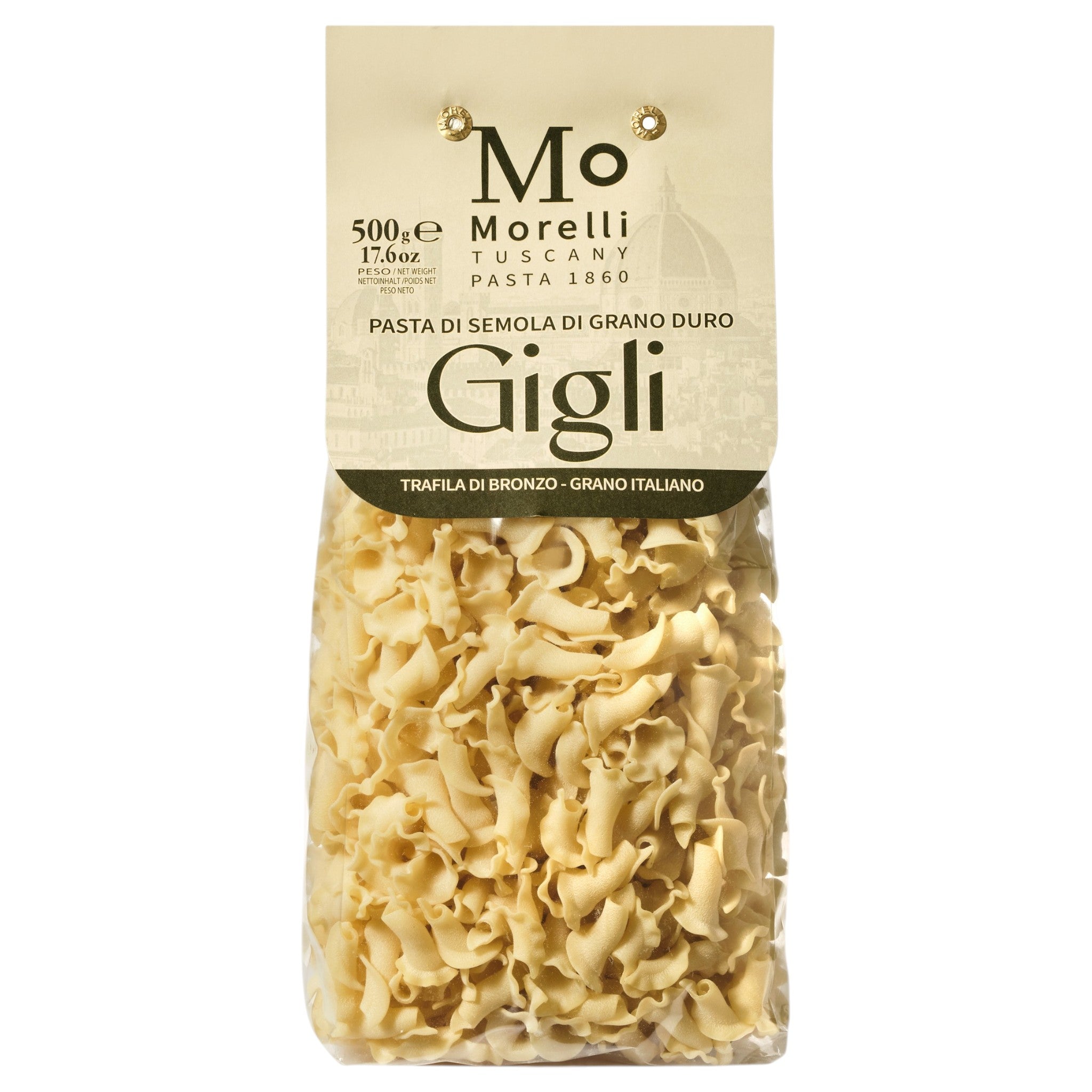
Gigli pasta, also called campanelle, is a beautiful Italian pasta with a unique bell or flower shape. Its ruffled edges and hollow center create the perfect trap for sauces and bits of vegetables. If you want to elevate your next pasta night, choosing the right vegetables for gigli pasta makes all the difference.
But with so many options, which vegetables pair best? Let’s explore the ideal matches, why they work, and how to create truly memorable gigli pasta dishes.
Why Gigli Pasta Needs The Right Vegetables
Gigli is not just visually attractive—it has real culinary advantages. Its shape holds chunky vegetables and thick sauces, making every bite flavorful. However, not all vegetables work equally well. Some are too watery, others too fibrous, and a few can overpower the delicate pasta. The goal is to find vegetables that:
- Complement the pasta’s texture
- Absorb or cling to sauces
- Add color and taste without overwhelming the dish
Choosing the right vegetables also boosts nutrition, adds fiber, and makes your meal more balanced.
Top Vegetables To Pair With Italian Gigli Pasta
Let’s look at the best vegetables for gigli pasta, how they interact with the pasta, and simple ways to prepare them.
1. Zucchini
Zucchini is a classic in Italian cuisine. Its mild flavor and soft texture after cooking make it a perfect match for gigli pasta.
- Best preparation: Slice into half-moons or small cubes. Sauté with olive oil, garlic, and a pinch of salt.
- Why it works: Zucchini cooks quickly and absorbs flavors from herbs and sauces. Its color brightens the dish.
2. Cherry Tomatoes
Cherry tomatoes add a burst of sweetness and acidity.
- Best preparation: Halve or quarter, then roast or sauté. Roasting deepens their flavor.
- Why it works: Their juiciness complements gigli pasta, especially with garlic or basil.
3. Spinach
Spinach wilts down to almost nothing, so you can add a lot without overpowering the dish.
- Best preparation: Add fresh spinach near the end of cooking so it just wilts.
- Why it works: The leaves cling to the pasta’s ruffles, adding nutrition and color.
4. Broccoli
Broccoli brings texture and a slightly bitter taste, balancing creamy or cheesy sauces.
- Best preparation: Cut into small florets. Blanch or steam, then toss with the pasta.
- Why it works: The florets fit nicely in the gigli’s folds, catching sauce and cheese.
5. Bell Peppers
Red, yellow, or orange bell peppers add sweetness and crunch.
- Best preparation: Slice thinly and sauté until soft but still slightly crisp.
- Why it works: Their bright colors make dishes more appealing, and their sweetness balances savory flavors.
6. Eggplant
Eggplant has a meaty texture and soaks up flavors like a sponge.
- Best preparation: Dice and roast with olive oil, or sauté until golden.
- Why it works: Roasted eggplant adds depth, and its creamy inside pairs well with tomato or olive oil-based sauces.
7. Mushrooms
Mushrooms bring umami and a satisfying, chewy texture.
- Best preparation: Slice and sauté with garlic and herbs until browned.
- Why it works: Mushrooms absorb flavor and provide a hearty base for vegetarian pasta.
8. Artichoke Hearts
Artichoke hearts add a unique, tangy flavor and soft texture.
- Best preparation: Use canned or jarred artichoke hearts. Rinse, chop, and add near the end of cooking.
- Why it works: They pair especially well with lemon, garlic, or olive oil-based sauces.
9. Asparagus
Asparagus adds a fresh, green flavor and a bit of crunch.
- Best preparation: Cut into 1-inch pieces. Blanch or sauté until just tender.
- Why it works: Its shape matches gigli well, and it’s especially good with spring dishes.
10. Peas
Peas add sweetness, color, and a pleasant pop.
- Best preparation: Fresh or frozen peas can be added in the last minutes of cooking.
- Why it works: They blend well with creamy sauces or with pancetta and mint.
11. Carrots
Carrots are often overlooked, but thinly sliced or diced carrots add color and sweetness.
- Best preparation: Julienne or dice and sauté until tender.
- Why it works: Carrots’ sweetness balances tomato-based or spicy sauces.
12. Leeks
Leeks are milder than onions, with a subtle flavor.
- Best preparation: Slice thinly and sauté slowly until soft.
- Why it works: Their gentle taste supports the pasta without overpowering other ingredients.
13. Kale
Kale holds up well in hot dishes and adds earthiness.
- Best preparation: Remove tough stems, chop, and sauté until wilted.
- Why it works: Kale adds fiber and a hearty bite, great with sausage or beans.
14. Fennel
Fennel offers a mild licorice flavor and crunchy texture.
- Best preparation: Slice thinly and sauté or roast until golden.
- Why it works: It pairs well with seafood and tomato-based sauces, and adds subtle complexity.
15. Sun-dried Tomatoes
Sun-dried tomatoes bring intense flavor and chewiness.
- Best preparation: Chop and add directly to the pasta, or soak briefly in hot water to soften.
- Why it works: Their concentrated taste adds depth to simple olive oil or cream-based sauces.
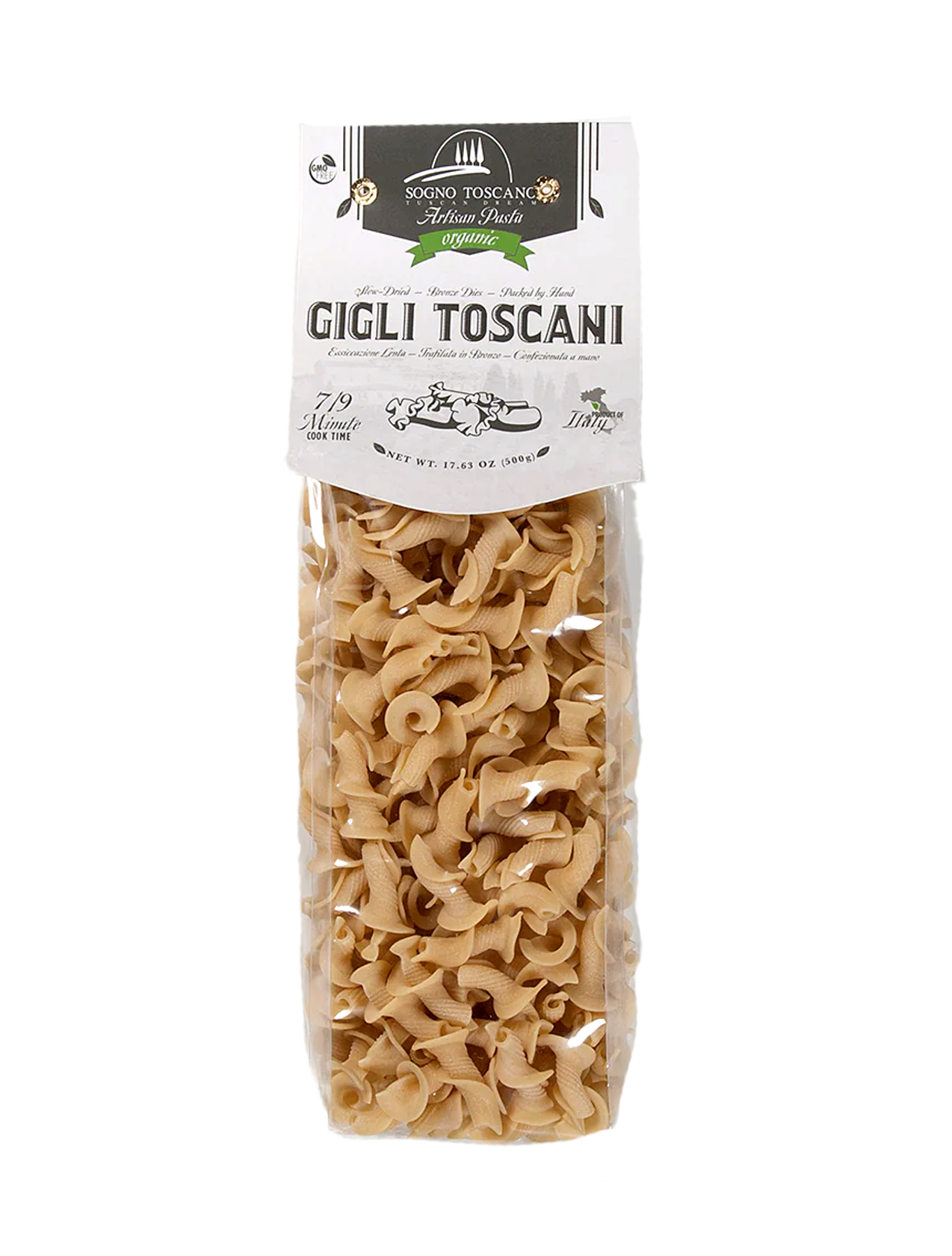
How To Combine Vegetables For Gigli Pasta
Many vegetables work even better in combination. The key is balance: mix soft and crunchy, sweet and bitter, or mild and bold flavors. For example:
- Zucchini + cherry tomatoes + spinach = light and fresh
- Mushrooms + leeks + kale = earthy and hearty
- Bell peppers + peas + carrots = colorful and sweet
Don’t add too many types at once—two or three is enough for most dishes.
Cooking Techniques That Enhance Vegetables
How you cook the vegetables matters as much as which ones you choose. Here are some helpful techniques:
- Roasting: Concentrates flavor, especially for zucchini, bell peppers, eggplant, and carrots.
- Sautéing: Quick and brings out sweetness. Great for mushrooms, leeks, and spinach.
- Blanching: Keeps green vegetables like asparagus and broccoli bright and crisp.
- Grilling: Adds smoky depth, especially for eggplant, zucchini, and peppers.
Mixing techniques (for example, roasted eggplant with sautéed spinach) adds even more interest.
Sauces That Pair Well With Gigli And Vegetables
The sauce you choose can make or break your dish. Gigli pasta holds both chunky and creamy sauces. Here’s a quick guide:
| Vegetable | Best Sauce Type | Why It Works |
|---|---|---|
| Zucchini | Olive oil, pesto | Light and lets zucchini shine |
| Broccoli | Cheese, cream, tomato | Balances bitterness |
| Eggplant | Tomato-based | Absorbs sauce, adds body |
| Spinach | Garlic oil, cream | Soft texture, mild taste |
| Mushrooms | Cream, olive oil | Enhances umami |
A simple olive oil and garlic sauce is excellent for most vegetables. For more comfort, try a light tomato sauce or a touch of cream.
Nutritional Benefits Of Adding Vegetables To Gigli Pasta
Vegetables do more than add taste—they make your pasta healthier. Here’s a quick comparison of nutrition in common gigli pasta vegetables:
| Vegetable | Calories (per 100g) | Fiber (g) | Vitamin C (%) |
|---|---|---|---|
| Broccoli | 34 | 2.6 | 89 |
| Zucchini | 17 | 1.0 | 29 |
| Bell Pepper | 31 | 2.1 | 169 |
| Spinach | 23 | 2.2 | 47 |
| Eggplant | 25 | 3.0 | 3 |
Adding just one or two of these can boost fiber and vitamins without many extra calories.
Common Mistakes When Pairing Vegetables With Gigli Pasta
It’s easy to go wrong if you’re not careful. Here are mistakes to avoid:
- Overcooking vegetables: This makes them mushy and dull. Keep them slightly crisp.
- Too many flavors: Mixing more than three strong vegetables can confuse the palate.
- Ignoring sauce: The sauce should tie everything together. Don’t skip it.
- Using only raw vegetables: Most work better cooked or lightly sautéed, which helps them bind with the pasta.
- Cutting pieces too large: Smaller cuts fit into the gigli shape and make every bite satisfying.
Two Underrated Vegetable Combinations For Gigli Pasta
Many home cooks stick to classic combos. But these two are rarely tried and taste amazing:
- Fennel and sun-dried tomatoes: Sweet, tangy, and a little anise flavor. Add olive oil, toasted pine nuts, and a hint of lemon zest.
- Leek, mushroom, and kale: Sautéed together with garlic, finished with a splash of cream and parmesan.
Try These For A New Twist!
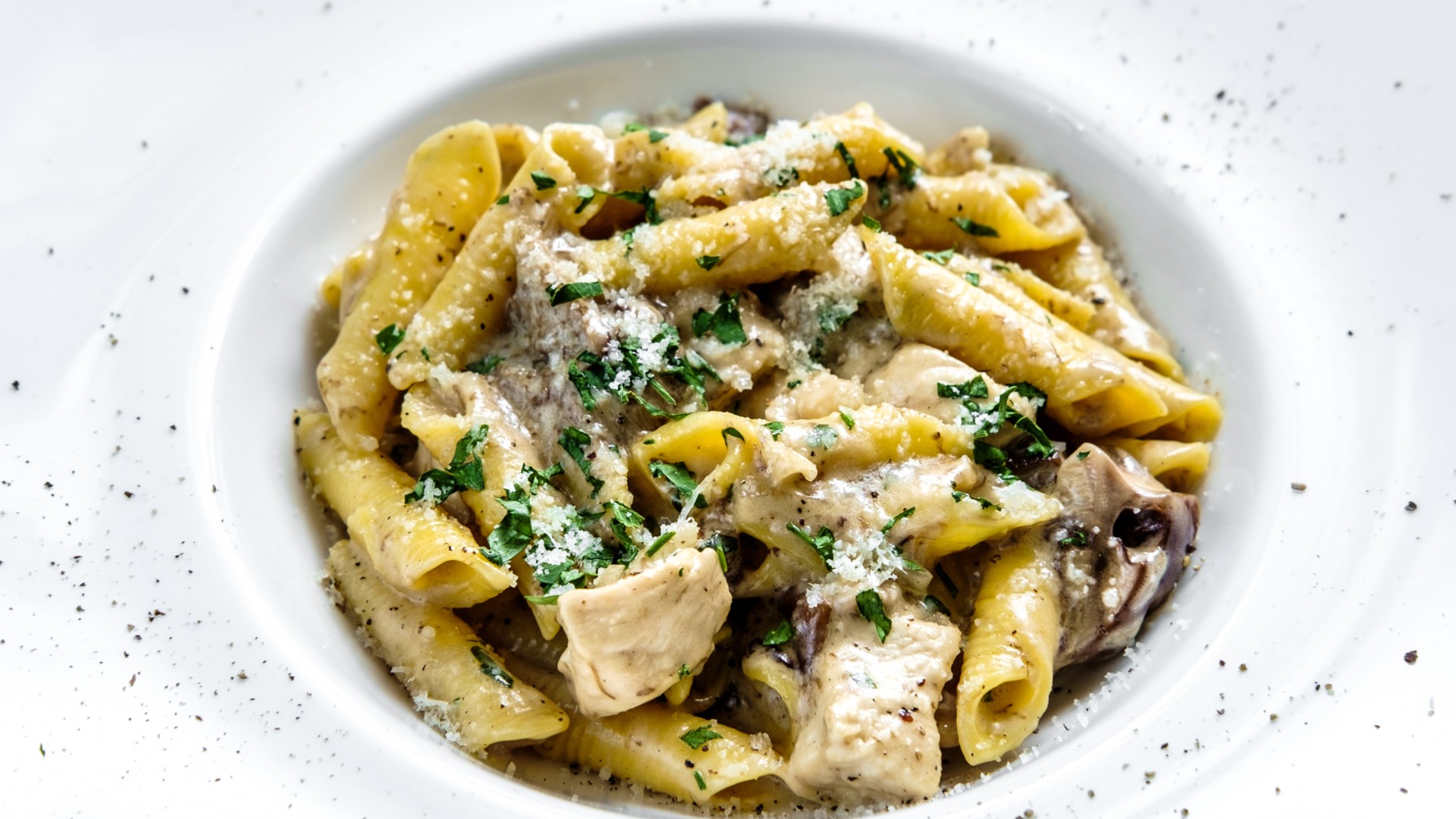
Practical Tips For Cooking Gigli Pasta With Vegetables
- Salt your pasta water well: This is your only chance to season the pasta itself.
- Reserve some pasta water: Add a splash to your sauce to help it coat the gigli.
- Finish pasta in the sauce: Toss gigli and vegetables together for 1–2 minutes before serving.
- Add fresh herbs at the end: Basil, parsley, or thyme lift flavors.
For even more ideas and authentic Italian inspiration, check out Eataly’s Campanelle Pasta Guide.
Frequently Asked Questions
What Sauce Goes Best With Gigli Pasta And Vegetables?
Gigli pasta works well with both olive oil-based and tomato-based sauces. For lighter vegetables like zucchini or spinach, try garlic and olive oil or pesto. For hearty vegetables such as eggplant or mushroom, tomato or cream sauces are best.
Can I Use Frozen Vegetables With Gigli Pasta?
Yes, frozen vegetables like peas, spinach, or broccoli can be added directly to the pasta water in the last few minutes. Be careful not to overcook them, as they are softer than fresh.
How Can I Make Gigli Pasta Dishes Vegan?
Most gigli pasta is naturally vegan. Use olive oil or a tomato-based sauce, and skip cheese. Add protein with beans, chickpeas, or nuts like pine nuts or walnuts for extra nutrition.
Is Gigli Pasta Gluten-free?
Traditional gigli pasta is made with wheat, so it’s not gluten-free. However, some brands offer gluten-free gigli made from corn, rice, or legumes. Always check the packaging.
Can I Meal-prep Gigli Pasta With Vegetables?
Yes, but gigli pasta tastes best fresh. If meal-prepping, undercook the pasta slightly, and store the sauce and vegetables separately. Reheat gently and mix before serving to keep the texture right.
Pairing gigli pasta with the right vegetables transforms a simple dinner into something special. With a little planning, you can create colorful, healthy, and delicious dishes that everyone will enjoy. Experiment with combinations, trust your taste, and let the unique shape of gigli inspire your next meal.