

Homemade pasta feels magical. Imagine making a classic Italian shape like gigli pasta in your own kitchen. Gigli, also called “campanelle,” means “lilies” or “bellflowers” in Italian, and its ruffled cone shape is both beautiful and practical. It holds sauce perfectly and gives any dish a special texture. But can you really make gigli at home without expensive tools or Italian ancestors guiding you? The answer is yes—and it’s easier than you might expect.
Many home cooks think only professional pasta makers can create fancy shapes like gigli. In reality, making gigli pasta is possible with simple ingredients and a bit of patience. You don’t need a pasta machine, but a rolling pin and your hands are essential.
This article will guide you step by step, including tips for beginners, how to shape gigli without special molds, and ways to use gigli in your favorite recipes. Along the way, we’ll compare gigli to other pasta shapes, share useful tables, and answer common questions.
What Is Gigli Pasta?
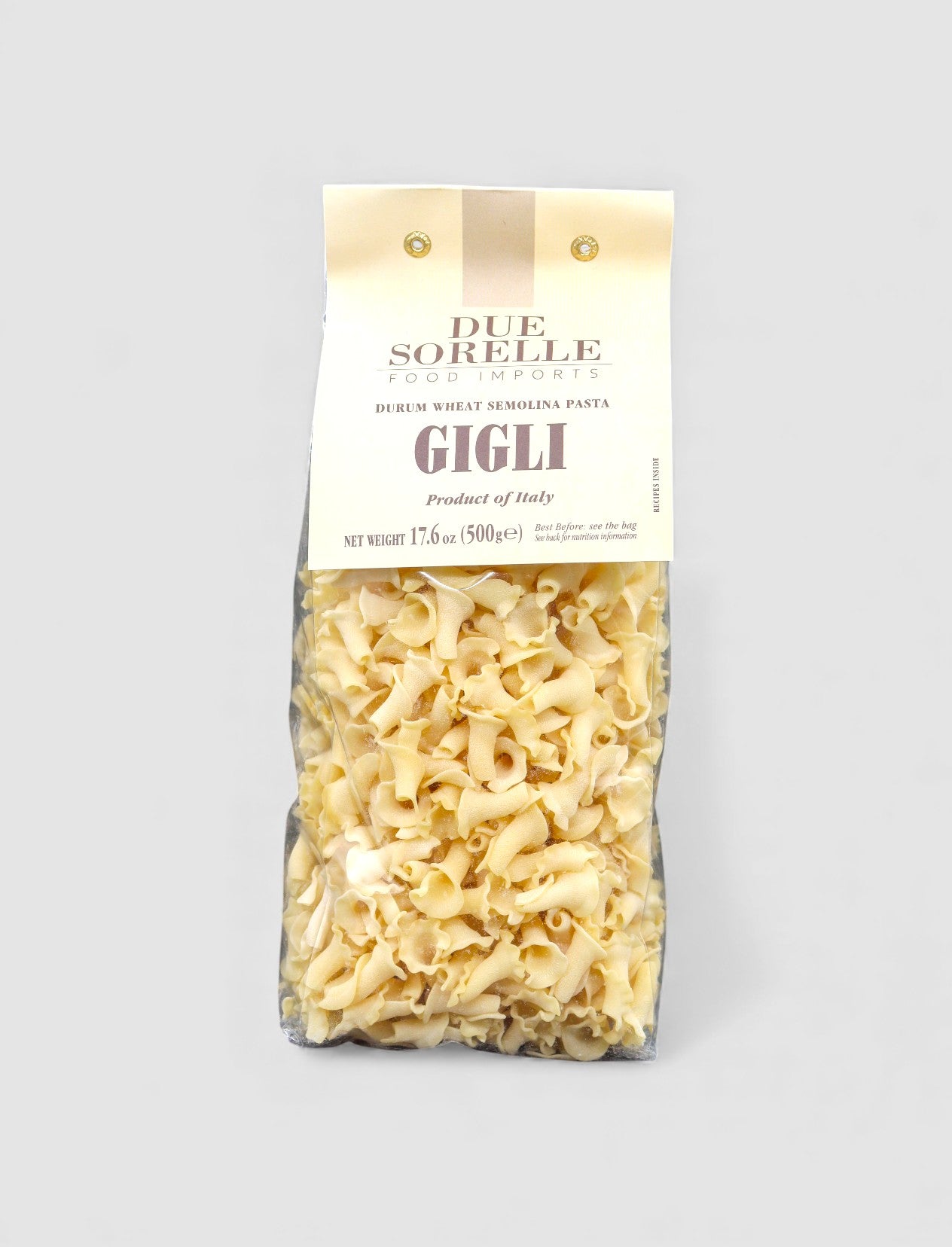
Gigli pasta is unique. Its name comes from the Italian word for “lily,” and it looks like a small flower or bell. The edges are frilled, and the cone shape makes it perfect for rich, chunky sauces. You might see gigli called campanelle in stores or recipes; both names refer to the same pasta.
Gigli’s design is not only about appearance. The frilled edges and hollow center help catch sauce, cheese, and small ingredients. This means every bite is flavorful. Traditionally, gigli is made from semolina flour and water, but you can use all-purpose flour for homemade versions.
Gigli Vs. Other Pasta Shapes
Let’s compare gigli to other popular pasta types. Here’s a quick overview:
| Pasta Shape | Texture | Best For | Difficulty to Make |
|---|---|---|---|
| Gigli (Campanelle) | Frilled, cone-shaped | Chunky sauces | Medium |
| Fusilli | Spiral | Pesto, light sauces | Easy |
| Penne | Tubular | Tomato, meat sauces | Easy |
| Farfalle | Bowtie | Creamy sauces | Medium |
| Rigatoni | Ridged tubes | Hearty sauces | Medium |
Gigli stands out because it’s not as common as penne or fusilli, but it’s a favorite in Tuscany and other parts of Italy. Homemade gigli gives any dish a gourmet touch.
Ingredients And Tools For Homemade Gigli Pasta
Making gigli pasta from scratch requires just a few ingredients. You don’t need a pasta machine or fancy equipment, but you do need a clean work surface and some patience.
Essential Ingredients
For about 4 servings, you’ll need:
- 2 cups semolina flour (or all-purpose flour if you can’t find semolina)
- 1 cup all-purpose flour (optional, for softer pasta)
- 3/4 cup warm water
- 1/2 teaspoon salt
- 1 tablespoon olive oil (optional, for smoother dough)
Tools You’ll Need
- Rolling pin
- Sharp knife or pizza cutter
- Ruler (optional, for cutting even strips)
- Clean surface for rolling dough
Some people use gigli molds or cutters, but you can shape gigli by hand. For beginners, shaping gigli takes practice, but the process is forgiving.
Step-by-step Guide: Making Gigli Pasta At Home
Let’s break the process down into clear steps. Follow these carefully for the best results. Total time: about 1 hour, including shaping.
1. Make The Pasta Dough
- Mix semolina flour, all-purpose flour, and salt in a large bowl.
- Add warm water gradually, stirring with your hand or a fork.
- Add olive oil if using.
- Knead the dough for 8–10 minutes until smooth and elastic. If it’s sticky, add a bit more flour.
- Cover the dough with plastic wrap or a damp cloth. Let it rest for 30 minutes.
2. Roll Out The Dough
- Sprinkle flour on your work surface.
- Cut the dough into two pieces for easier rolling.
- Use a rolling pin to flatten the dough into a thin sheet (about 1/16 inch thick).
3. Cut And Shape Gigli
- Cut the dough into squares, about 2 inches on each side.
- Take one square and pinch one corner between your fingers.
- Roll the square around your finger or a dowel, forming a cone with frilled edges. Press the bottom gently to create the lily shape.
- Repeat with remaining squares.
Many beginners worry about the shape. If your gigli looks different from store-bought, don’t stress. Homemade gigli is rustic and unique.
4. Dry Or Cook Immediately
- Place shaped gigli on a floured tray.
- Let them dry for 30 minutes if cooking later.
- If cooking now, bring a pot of salted water to a boil.
- Add gigli and cook for 3–5 minutes. Fresh pasta cooks faster than dried.
5. Serve With Your Favorite Sauce
Gigli pairs well with creamy, chunky, or vegetable sauces. Try a mushroom cream sauce, sausage ragu, or even a simple tomato basil sauce.
Common Mistakes Beginners Make
- Dough too dry or wet: Adjust flour or water as needed.
- Dough not rested: Resting makes shaping easier and improves texture.
- Rolling too thick: Thin sheets cook better and hold shape.
- Shaping too quickly: Take your time; practice makes perfect.
Practical Tips For Perfect Homemade Gigli
Making gigli is simple, but a few tips can help your results:
- Use semolina flour for best texture; all-purpose flour works but is softer.
- Don’t skip the resting stage—it makes the dough easier to roll and shape.
- If you struggle with shaping, watch a short video online for visual help.
- Gigli freezes well. Place shaped gigli on a tray, freeze, then store in bags.
- For colored gigli, add spinach or beet puree to the dough.
Gigli Pasta Cooking Times
Here’s a quick reference for cooking different types of gigli:
| Type | Cooking Time | Texture |
|---|---|---|
| Fresh Homemade Gigli | 3–5 minutes | Tender, slightly chewy |
| Dried Store-bought Gigli | 8–12 minutes | Firm, less chewy |
| Frozen Homemade Gigli | 5–7 minutes | Tender, holds shape |
Fresh gigli is delicate, so watch the timing. Overcooking can make it mushy.
Gigli Pasta In Italian Cuisine
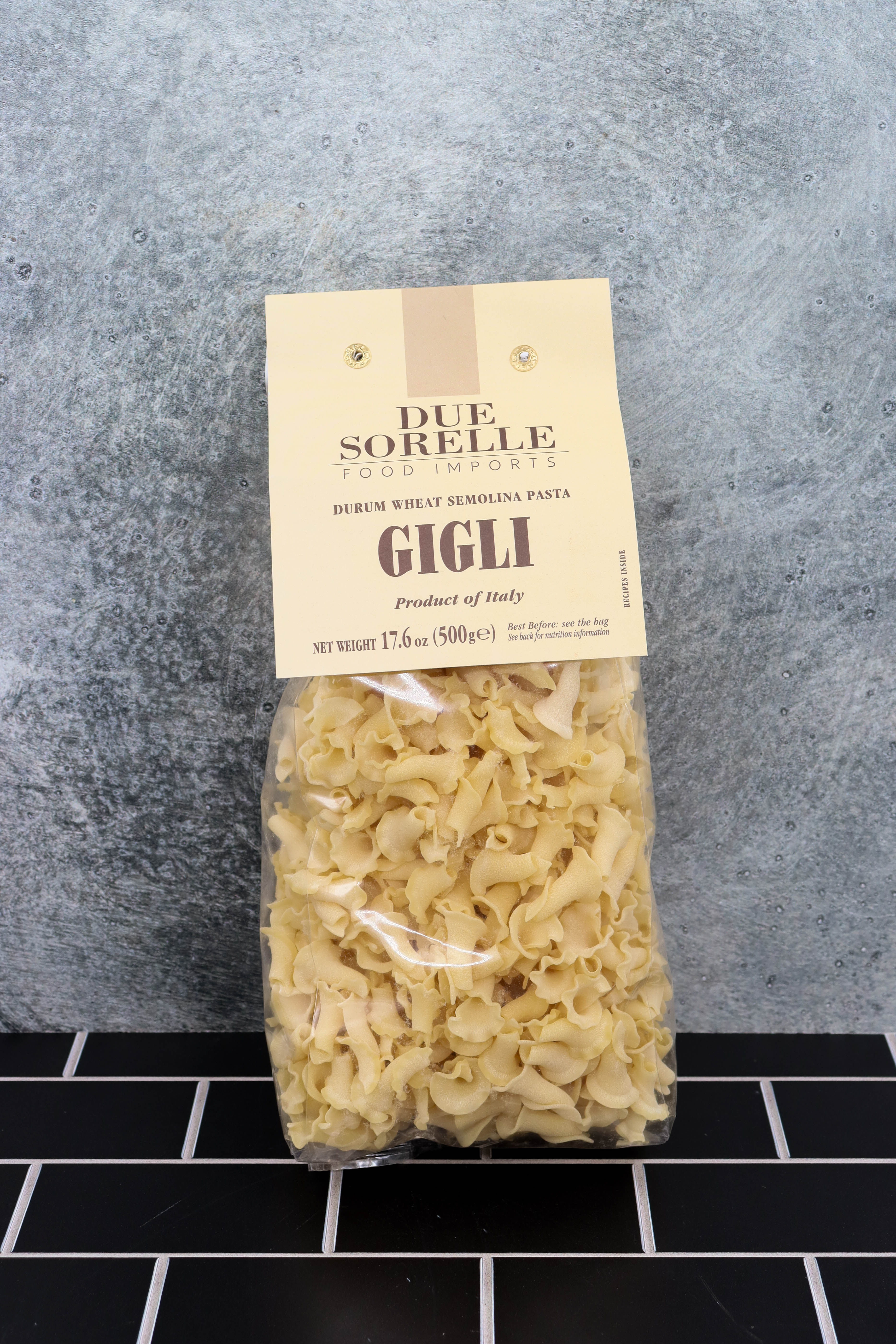
Gigli pasta is traditional in Tuscany but has spread across Italy. It’s often used in dishes with:
- Heavy cream sauces (like Alfredo)
- Chunky vegetable ragus
- Meat sauces (sausage, beef, wild game)
Gigli’s shape is ideal for catching sauce and small ingredients. It’s less common in restaurants outside Italy, so homemade gigli is a special treat.
Gigli Vs. Farfalle: Sauce Holding Ability
Let’s see how gigli compares to farfalle (bowtie pasta) for holding sauce:
| Pasta Shape | Surface Area | Sauce Holding Ability |
|---|---|---|
| Gigli | High (frills + cone) | Excellent |
| Farfalle | Medium (flat + folds) | Good |
Gigli’s frilled cone design is superior for rich, thick sauces.
Two Non-obvious Insights For Beginners
- Humidity affects dough texture: If your kitchen is humid, dough may be stickier. Use less water or more flour as needed. Many beginners don’t realize this—adjusting for weather is a simple way to improve your pasta.
- Resting shaped gigli before boiling: Letting shaped gigli sit for at least 20–30 minutes before cooking helps them hold their shape in boiling water. Skipping this step can cause gigli to unravel or lose their ruffled edges.
Using Homemade Gigli In Recipes
Once you’ve made gigli, try these recipe ideas:
- Gigli with mushroom cream sauce: Sauté mushrooms, garlic, and onion in butter. Add cream and parsley. Toss with cooked gigli.
- Gigli primavera: Mix gigli with steamed vegetables, olive oil, lemon, and parmesan.
- Gigli baked with cheese: Layer cooked gigli with ricotta, mozzarella, and marinara sauce. Bake until bubbly.
Gigli is versatile—use it anywhere you’d use penne, farfalle, or rigatoni.
Troubleshooting: What If Gigli Doesn’t Turn Out Perfect?
Even experts sometimes struggle with pasta shapes. If your gigli isn’t perfect:
- Edges not frilled: Pinch harder or roll thinner.
- Shapes unravel in water: Rest longer before cooking.
- Texture too chewy: Knead longer; cook a bit more.
Homemade pasta is forgiving. With practice, your gigli will look and taste better.
Is Homemade Gigli Pasta Worth The Effort?
Making gigli at home takes time, but the reward is fresh, flavorful pasta. You control the ingredients, and the shape adds beauty to any meal. Store-bought gigli is fine, but homemade gigli is softer, more delicate, and absorbs sauce better.
In Italy, pasta shapes are part of tradition and family. Making gigli at home connects you to this history, even if you’re far from Tuscany. Plus, homemade gigli costs less than artisan store-bought pasta.
For more on Italian pasta history and shapes, visit Wikipedia’s pasta list.
Frequently Asked Questions
What Is Gigli Pasta Made From?
Gigli pasta is usually made from semolina flour and water. Sometimes eggs or all-purpose flour are added for a softer texture. Homemade gigli can use simple pantry ingredients.
Can I Make Gigli Pasta Without A Mold?
Yes, you can shape gigli by hand. Cut the dough into squares, roll into cones, and pinch the edges to make frills. It’s a bit tricky at first, but practice helps.
How Long Does Homemade Gigli Pasta Last?
Fresh gigli lasts up to 2 days in the fridge. Dried gigli can last several weeks in a cool, dry place. For longer storage, freeze shaped gigli before cooking.
What Sauces Go Best With Gigli Pasta?
Gigli is perfect for chunky sauces like mushroom cream, sausage ragu, or vegetable ragus. Its shape holds thick sauces well. You can also use it in baked pasta dishes.
Is Gigli Pasta Gluten-free?
Traditional gigli is not gluten-free, but you can use gluten-free flour blends. The shaping process is similar, though gluten-free dough is usually more delicate.
Homemade gigli pasta is possible for anyone, even beginners. With simple ingredients and patience, you can create a classic Italian pasta shape that’s beautiful and delicious. Try it once, and you’ll see why gigli is loved in Italy—and why making it yourself feels extra special.


