

Gigli pasta is not as famous as penne or spaghetti, but its unique shape catches the eye. With its ruffled edges and trumpet-like form, it often sparks curiosity in home cooks and food lovers. But does gigli pasta actually hold sauce well, or does it just look pretty on the plate?
Let’s explore the qualities of gigli pasta, how it interacts with different sauces, and when it truly shines in a dish.
What Makes Gigli Pasta Unique?
Gigli, also known as campanelle, means “lilies” or “little bells” in Italian. Its shape looks like a small cone with flared, wavy edges, almost like a flower. This design is not just for looks. The curves and folds create pockets and ridges that can catch bits of sauce, cheese, or vegetables.
Traditional gigli pasta is made from durum wheat semolina, which gives it a firm bite and a slightly rough surface. This texture helps sauces cling better compared to smoother pastas like spaghetti or linguine.
How Pasta Shape Affects Sauce Holding
The way a pasta holds sauce depends on several factors:
- Surface area: More nooks and crannies mean more places for sauce to stick.
- Texture: A rough or porous surface holds sauce better than a smooth one.
- Shape: Tubes, twists, and folds trap sauce inside, while flat noodles often let it slide off.
Gigli checks all these boxes to some degree. Its ruffled edges, trumpet opening, and central cavity work together to grab and hold sauce.
Comparing Gigli To Other Shapes
Here’s a quick comparison of gigli with other popular pasta shapes when it comes to holding sauce:
| Pasta Shape | Sauce Holding Ability | Best Sauce Types |
|---|---|---|
| Gigli (Campanelle) | Excellent | Chunky, creamy, or meat sauces |
| Penne | Good | Tomato, vodka, arrabbiata |
| Spaghetti | Fair | Oil-based, simple tomato |
| Farfalle | Good | Vegetable, light cream |
| Rigatoni | Excellent | Hearty, baked sauces |
Gigli stands out for its ability to hold not only smooth sauces but also those with chunky ingredients.
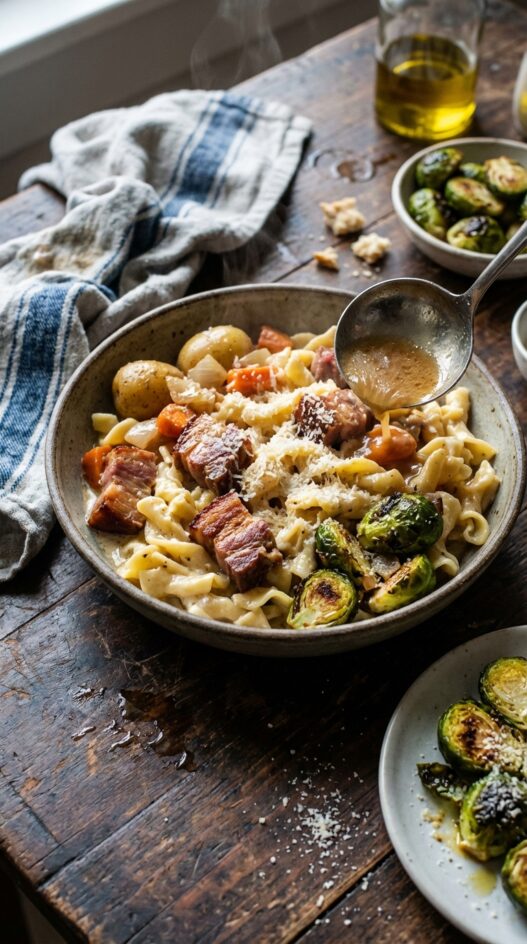
Why Sauce Clings To Gigli
The shape and texture of gigli pasta do more than just look appealing. Here’s why sauces cling so well:
- Ruffled edges: The wavy sides act like tiny scoops, catching thicker sauces and bits of vegetables or meat.
- Hollow center: The open cone collects sauce inside, so each bite is flavorful.
- Rough surface: Durum wheat gives a slightly rough feel, helping sauces stick instead of slide off.
Some home cooks miss this detail: if you overcook gigli, it loses some of its roughness and can get slippery, making sauce cling less. Always cook gigli until just al dente for best results.
Best Sauces For Gigli Pasta
Not every sauce works equally well with every pasta. Here are types of sauces that match perfectly with gigli:
1. Creamy Sauces
Alfredo, carbonara, or four cheese sauces coat the pasta well. The folds keep creamy sauces in place, so you get a rich taste in every mouthful.
2. Chunky Vegetable Sauces
Diced zucchini, tomatoes, or eggplant nestle in the trumpet opening and ruffles. This makes gigli great for primavera or roasted vegetable sauces.
3. Hearty Meat Sauces
Thick ragùs or sausage-based sauces fill the pasta’s cavity and stick to the edges. Gigli works wonderfully in baked dishes with ground beef or pork.
4. Pesto And Oil-based Sauces
While gigli isn’t as famous for oil-based sauces, its shape still holds bits of garlic, nuts, and herbs. Pesto can cling to the grooves, giving a burst of flavor.
Here’s a summary of sauce compatibility:
| Sauce Type | How Well Gigli Holds It |
|---|---|
| Creamy (Alfredo, cheese) | Excellent |
| Chunky vegetable | Excellent |
| Meat ragù | Very Good |
| Pesto | Good |
| Simple oil/garlic | Fair |
Common Mistakes When Using Gigli Pasta
Even though gigli holds sauce well, there are pitfalls that can make your dish less successful.
Overcooking
Gigli should be cooked al dente—firm to the bite. Overcooked gigli gets soft and slippery, losing its ability to hold sauce.
Using Very Thin Sauces
A watery or very light sauce can run off gigli’s surface. If you like a lighter sauce, add some grated cheese or toss with breadcrumbs to give it something to cling to.
Not Tossing Properly
Some cooks pour sauce on top of pasta, but gigli works best when you toss the sauce and pasta together in the pan. This helps every piece get coated evenly.
Ignoring Sauce Texture
If your sauce is too smooth, consider adding small vegetables, shredded meat, or a bit of grated cheese. These extras help the sauce stick and make each bite more interesting.
Gigli In Popular Dishes
Gigli is a favorite in baked pasta dishes, often replacing more common shapes like penne or rigatoni. It’s also used in:
- Pasta salads: The shape holds dressings and bits of vegetables.
- Casseroles: Gigli bakes well without falling apart.
- Hearty soups: The ruffled edges hold broth and ingredients.
A classic example is gigli al forno—a baked pasta dish with sausage, tomato sauce, and cheese. The pasta absorbs flavor while staying intact.
How To Cook Gigli For Best Sauce Holding
Getting the most from gigli pasta starts with proper cooking. Here’s a quick guide:
- Use plenty of water: This helps prevent sticking.
- Salt the water generously: About 1 tablespoon per 4 quarts.
- Stir often: Especially in the first few minutes.
- Test for al dente: The pasta should be firm, not soft.
- Save some pasta water: Use a splash when mixing with sauce to help it cling.
- Toss with sauce immediately: Don’t let gigli dry out before adding sauce.
One tip many beginners miss: adding a little pasta water to the sauce helps create a silky coating. The starch in the water binds sauce to the pasta, making every bite more flavorful.
How Gigli Compares To Other Pasta For Sauce
To see how gigli stacks up, here’s a side-by-side comparison with two other popular pastas:
| Feature | Gigli | Penne | Spaghetti |
|---|---|---|---|
| Shape | Trumpet, ruffled | Tubular, cut at angle | Long, round |
| Sauce Holding | Excellent | Good | Fair |
| Best For | Creamy, chunky, baked | Hearty tomato, vodka | Light, oil-based |
| Texture After Cooking | Firm, chewy | Chewy | Smooth |
This shows that gigli is versatile and holds up well in both rustic and elegant dishes.

Non-obvious Tips For Using Gigli Pasta
- Pair with chunky sauces: Even if you love smooth sauces, try adding mushrooms, peas, or sausage crumbles. These ingredients fill the folds and make the dish more satisfying.
- Try it in baked dishes: Gigli’s shape holds up in the oven without turning mushy, unlike some other pastas.
- Balance sauce thickness: If your sauce is too runny, simmer it longer or add a spoonful of tomato paste or grated cheese. This helps the sauce stick better.
- Use as a stuffing base: The hollow center can hold small fillings, almost like a mini shell pasta.
Many beginners don’t realize that gigli can be used in cold pasta salads. Its shape holds dressing and bits of cheese or vegetables, making every bite flavorful.
Nutritional Aspects
Gigli pasta is usually made from durum wheat semolina, which is high in protein and gives a firm texture. A typical 2-ounce (56g) dry serving contains:
- Calories: 200
- Protein: 7g
- Carbohydrates: 42g
- Fiber: 2g
Whole wheat gigli is also available, offering more fiber and slightly more protein. For those who are gluten-intolerant, look for gigli made from rice or other gluten-free grains.
Where To Buy And How To Store
Gigli is not as common as penne or fusilli, but many large supermarkets and Italian specialty stores carry it. You can also find it online. Store dry gigli pasta in a cool, dry place, tightly sealed. Once cooked, keep leftovers in the fridge for up to three days.
If you want to learn about more pasta shapes and their uses, visit Wikipedia’s pasta list.
Frequently Asked Questions
What Sauces Work Best With Gigli Pasta?
Gigli is excellent with creamy, chunky, or meaty sauces. Alfredo, vegetable ragù, and sausage-tomato combinations are top choices. The ruffled edges and hollow center help these sauces cling to the pasta.
Can Gigli Pasta Be Used In Baked Dishes?
Yes, gigli holds up very well in baked dishes like casseroles or pasta al forno. Its sturdy shape keeps it from falling apart, and it absorbs sauce and cheese evenly during baking.
How Do I Prevent Gigli Pasta From Sticking Together?
Use plenty of boiling water and stir the pasta in the first couple of minutes. After draining, toss immediately with sauce or a little olive oil to prevent sticking.
Is Gigli Pasta Suitable For Cold Pasta Salads?
Absolutely. Gigli’s unique shape holds onto dressings, herbs, and small chunks of vegetables or cheese, making it a great choice for pasta salads.
Is Gigli Pasta Gluten-free?
Most gigli pasta is made from wheat, so it contains gluten. However, some brands offer gluten-free versions made from rice, corn, or other grains. Always check the packaging if gluten is a concern.
Gigli pasta stands out for its ability to hold sauce, both in everyday meals and special occasions. With its beautiful shape and practical design, it’s more than just a pretty pasta—it’s a workhorse in the kitchen, ready to make your next meal delicious and satisfying.
Whether you choose a rich meat sauce or a fresh veggie mix, gigli helps every flavor shine.


