

Gigli pasta, also called “lily pasta,” stands out among Italian shapes with its elegant ruffled edges and cup-like form. This unique shape is not just beautiful—its folds and curves hold sauces, oils, and cheeses in ways other pastas cannot. But what cheeses truly shine with gigli?
Choosing the right cheese can turn a simple meal into an authentic Italian experience. Many people miss subtle cheese-pasta pairing secrets that chefs use to create deep flavors and memorable textures. Let’s explore which cheeses bring out the best in gigli pasta, why they work, and how you can combine them for delicious results.
Understanding Gigli Pasta’s Shape And Texture
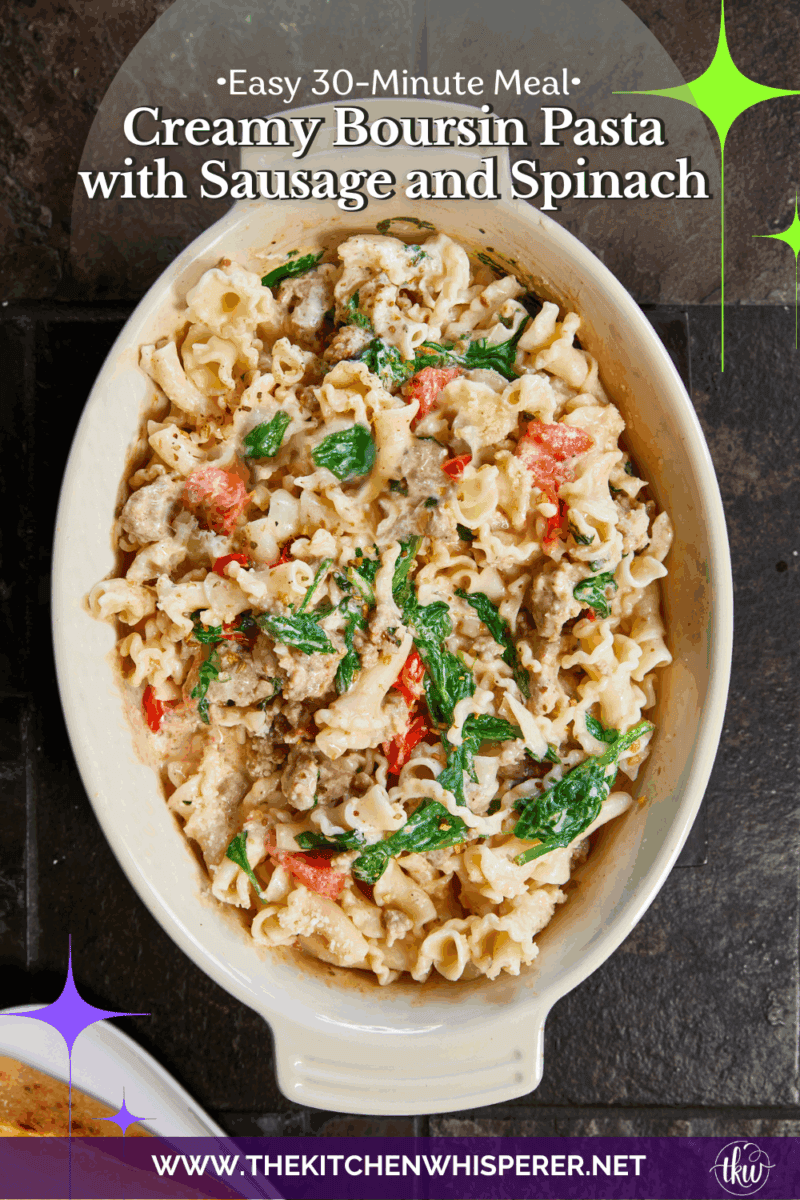
Gigli pasta is shaped like a flower, with petals that curl and form a small cup. Its texture is tender but slightly firm, thanks to the traditional semolina flour used in Italian recipes. This shape is more than just decorative.
The cup holds creamy sauces and allows grated cheese to stick to every bite. Compared to straight or hollow pasta, gigli offers a richer mouthfeel and stronger flavor absorption.
The surface area of gigli is larger than many shapes, and its edges are rough, so cheese melts and stays in place. For this reason, creamy or crumbly cheeses are best, as they cling to the pasta and don’t slide off.
Most people don’t realize that a cheese’s texture affects how it interacts with pasta. Firmer cheeses may not melt as evenly, while soft cheeses can coat gigli beautifully.
Classic Italian Cheeses That Pair Well With Gigli
Italian cheeses are famous for their variety and complexity. Not every cheese suits gigli, but several traditional options make perfect matches.
Parmigiano Reggiano
Parmigiano Reggiano is often called the “King of Cheese.” It has a nutty, savory flavor and a grainy texture. When grated, it adheres well to gigli’s ridges, adding depth without overpowering the pasta. A sprinkle of Parmigiano Reggiano before serving brings a salty, umami taste that enhances even simple sauces.
Pecorino Romano
Made from sheep’s milk, Pecorino Romano is sharper and saltier than Parmigiano. It’s ideal for pasta dishes with tomato or spicy sauces. Pecorino Romano grates easily and melts quickly, making it a good choice for gigli tossed with olive oil, herbs, or pepper.
Ricotta
Ricotta is soft and creamy. It’s perfect for filling gigli pasta cups or mixing into a sauce. Ricotta has a mild, milky flavor, so it won’t dominate the dish. For a richer meal, combine ricotta with fresh vegetables or herbs.
Mozzarella
Mozzarella is best when used fresh. It melts beautifully and creates a stretchy, smooth texture. Mozzarella is popular in baked pasta dishes, where gigli’s cups can hold melted cheese and sauce. Try layering gigli with mozzarella and tomato for a classic Italian taste.
Gorgonzola
Gorgonzola is a blue cheese with bold flavors. It’s creamy, tangy, and adds complexity to gigli. Not everyone enjoys strong cheeses, but if you like deep flavors, mix Gorgonzola with gigli and walnuts for a unique experience.
Lesser-known Cheeses To Try With Gigli
Many people stick to classic Italian cheeses, but exploring lesser-known varieties can offer new tastes and textures.
- Taleggio – Taleggio is a semi-soft cheese with a gentle tang and creamy texture. It melts easily and can be stirred into gigli for a velvety sauce.
- Grana Padano – Similar to Parmigiano but milder, Grana Padano is less expensive and has a slightly sweeter flavor. It’s great for grating over gigli.
- Fontina – Fontina melts very well and has a nutty, buttery taste. Use it in gigli recipes with mushrooms or truffle oil.
- Burrata – Burrata is a fresh cheese with a creamy center. Break it open over warm gigli for a luxurious, rich finish.
- Caciocavallo – This cheese is stringy and firm, with a slightly spicy note. Caciocavallo works well in baked gigli dishes.
Comparing Cheese Flavor And Texture For Gigli Pasta
To help you decide, here’s a comparison of cheese textures and flavors for gigli pasta:
| Cheese | Texture | Flavor Profile | Best Use With Gigli |
|---|---|---|---|
| Parmigiano Reggiano | Hard, crumbly | Nutty, savory | Grated topping |
| Pecorino Romano | Hard, grainy | Sharp, salty | Grated or melted |
| Ricotta | Soft, creamy | Mild, milky | Mixed or stuffed |
| Mozzarella | Soft, stretchy | Mild, milky | Baked or layered |
| Gorgonzola | Creamy, crumbly | Strong, tangy | Sauce or topping |
| Taleggio | Semi-soft, creamy | Mild, tangy | Melted in sauce |

How To Combine Cheeses For Gigli Pasta
Some of the best Italian dishes mix cheeses for balance. Combining flavors and textures lets you create complex, layered pasta experiences.
- Ricotta + Parmigiano Reggiano: This pairing gives you a creamy base and a savory finish. Mix ricotta into a sauce, then sprinkle Parmigiano before serving.
- Mozzarella + Pecorino Romano: Mozzarella offers smooth melt, while Pecorino adds sharpness. Use these in baked gigli pasta for contrast.
- Fontina + Grana Padano: Fontina melts for a silky sauce, and Grana Padano brings a nutty top note. Ideal for gigli with vegetables.
A common mistake is mixing too many strong cheeses. Instead, start with one mild and one intense cheese, then taste and adjust. Beginners often forget that cheese balance changes as it melts—sharp flavors can become softer, while mild cheeses may stand out more.
Cheeses For Specific Gigli Pasta Recipes
Pairing cheese with gigli also depends on the sauce and ingredients you use.
Gigli With Tomato Sauce
Classic tomato sauce pairs well with Pecorino Romano. Its salty, sharp flavor cuts through the acidity of tomatoes. Add a sprinkle of Parmigiano Reggiano for extra depth.
Gigli With Creamy Sauce
Cream sauces, like Alfredo or mushroom, work best with Fontina and Taleggio. These cheeses melt smoothly and create a luscious texture. Grate a little Grana Padano on top for a finishing touch.
Gigli With Pesto
Pesto is rich and herbal. Use Parmigiano Reggiano or Grana Padano for a nutty accent. Avoid overpowering cheeses, as they can mask the pesto’s delicate taste.
Gigli With Vegetable Sauces
For vegetable-based recipes, try Ricotta or Burrata. These cheeses are light and complement fresh greens, zucchini, or asparagus. A drizzle of olive oil and a pinch of salt enhance the cheese flavor.
Nutritional And Practical Considerations
Cheese adds not just taste but also protein, calcium, and healthy fats to gigli pasta dishes. However, some cheeses are high in sodium or calories. If you are watching your diet, choose lighter cheeses like ricotta or mozzarella. Hard cheeses like Parmigiano and Pecorino have more sodium, so use them as garnish instead of the main ingredient.
Here’s a quick nutritional comparison of popular cheeses for gigli pasta:
| Cheese | Calories (per 1 oz) | Protein (g) | Sodium (mg) |
|---|---|---|---|
| Parmigiano Reggiano | 110 | 10 | 440 |
| Pecorino Romano | 110 | 7 | 490 |
| Ricotta | 50 | 3 | 50 |
| Mozzarella (fresh) | 70 | 5 | 140 |
| Gorgonzola | 100 | 6 | 350 |
| Fontina | 110 | 7 | 250 |
Many home cooks overlook these numbers. If you make gigli pasta often, it helps to vary your cheese choices for both flavor and nutrition.
Tips For Melting And Serving Cheese With Gigli
Melting cheese correctly is key for a perfect gigli pasta dish. Here are some practical steps:
- Grate hard cheeses finely so they melt quickly.
- Add cheese at the end of cooking to avoid clumping.
- Mix creamy cheeses with a little pasta water for smooth sauce.
- Use fresh cheeses for cold pasta salads, as they don’t melt well.
- Don’t overheat blue cheeses like Gorgonzola, or they can become bitter.
One insight many people miss: let gigli pasta rest for 1–2 minutes after mixing with cheese. This allows the cheese to coat the pasta evenly and improves texture.
Italian Gigli Pasta And Cheese Pairing Examples
Here are a few recipe ideas to inspire you:
- Gigli with Tomato, Basil, and Parmigiano Reggiano: Toss cooked gigli with homemade tomato sauce, fresh basil, and plenty of grated Parmigiano.
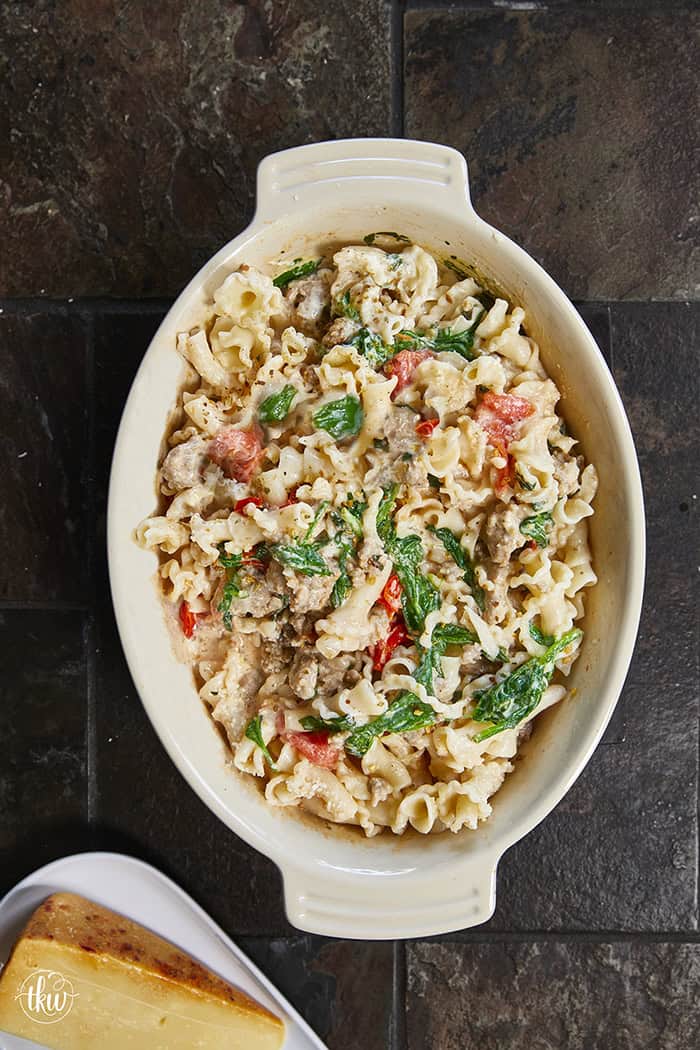
- Gigli with Creamy Ricotta and Spinach: Mix ricotta with sautéed spinach, garlic, and a touch of nutmeg. Fill gigli cups and bake with mozzarella on top.
- Gigli with Gorgonzola and Walnuts: Melt Gorgonzola into a cream sauce, stir in toasted walnuts, and combine with gigli for a bold, earthy dish.
- Gigli with Fontina and Mushrooms: Sauté mushrooms with thyme, add gigli and Fontina, then finish with Grana Padano.
For more details on Italian cheese varieties, you can visit Wikipedia’s Italian cheese list.
Frequently Asked Questions
What Is The Best Cheese For Gigli Pasta With Tomato Sauce?
Pecorino Romano stands out for tomato-based gigli dishes. Its sharp flavor balances tomato acidity, and it melts well. For extra depth, add a small amount of Parmigiano Reggiano.
Can I Use Non-italian Cheeses With Gigli Pasta?
Yes, you can. While Italian cheeses are traditional, mild cheddar or Swiss cheese can work in baked gigli recipes. Just avoid overly strong cheeses that cover gigli’s delicate flavor.
Is Gigli Pasta Good For Baked Dishes?
Absolutely. Gigli’s shape holds sauce and melted cheese well. Mozzarella, Fontina, and Grana Padano are excellent for baked gigli. Layer them for a crispy top and creamy interior.
Which Cheese Is Healthiest For Gigli Pasta?
Ricotta and fresh mozzarella are lower in calories and sodium compared to hard cheeses. Use them as a base, and add a sprinkle of Parmigiano Reggiano for flavor without too much salt.
How Do I Prevent Cheese From Clumping In Gigli Pasta?
Grate cheese finely, toss it with hot pasta and a splash of pasta water, and add it off the heat. Creamy cheeses like Taleggio or Ricotta mix smoothly and rarely clump.
Gigli pasta’s flower-like shape opens a world of cheese pairing possibilities. From classic Parmigiano and Pecorino to creamy ricotta and bold Gorgonzola, there’s a cheese for every gigli dish. Try mixing textures, experiment with less familiar cheeses, and pay attention to sauce and serving style.
With these tips, your gigli pasta will always be flavorful, balanced, and memorable.

