

Yes, the Camp Chef Woodwind Pro 36 is worth it for serious backyard cooks who value space and rich smoke flavor.
The real answer depends on how often you cook, how much food you make, and whether you want more smoke control than a standard pellet grill provides. After comparing its design, cooking space, features, running costs, and common user complaints, this guide will help you decide if the Camp Chef Woodwind Pro 36 fits your patio and cooking style.
What Is the Camp Chef Woodwind Pro 36?
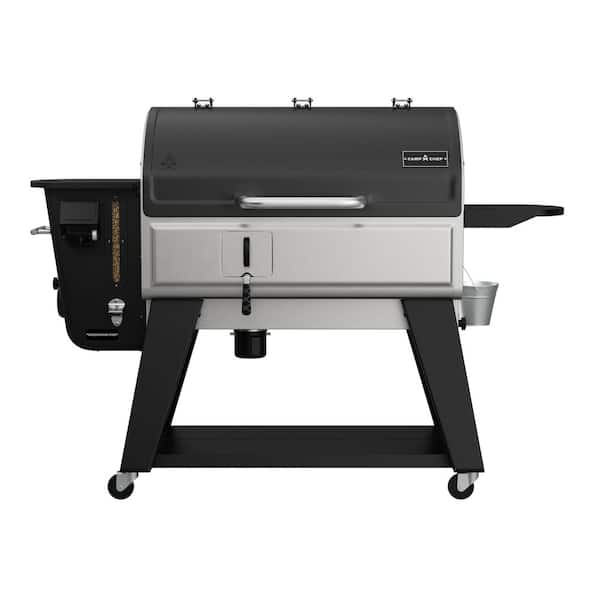
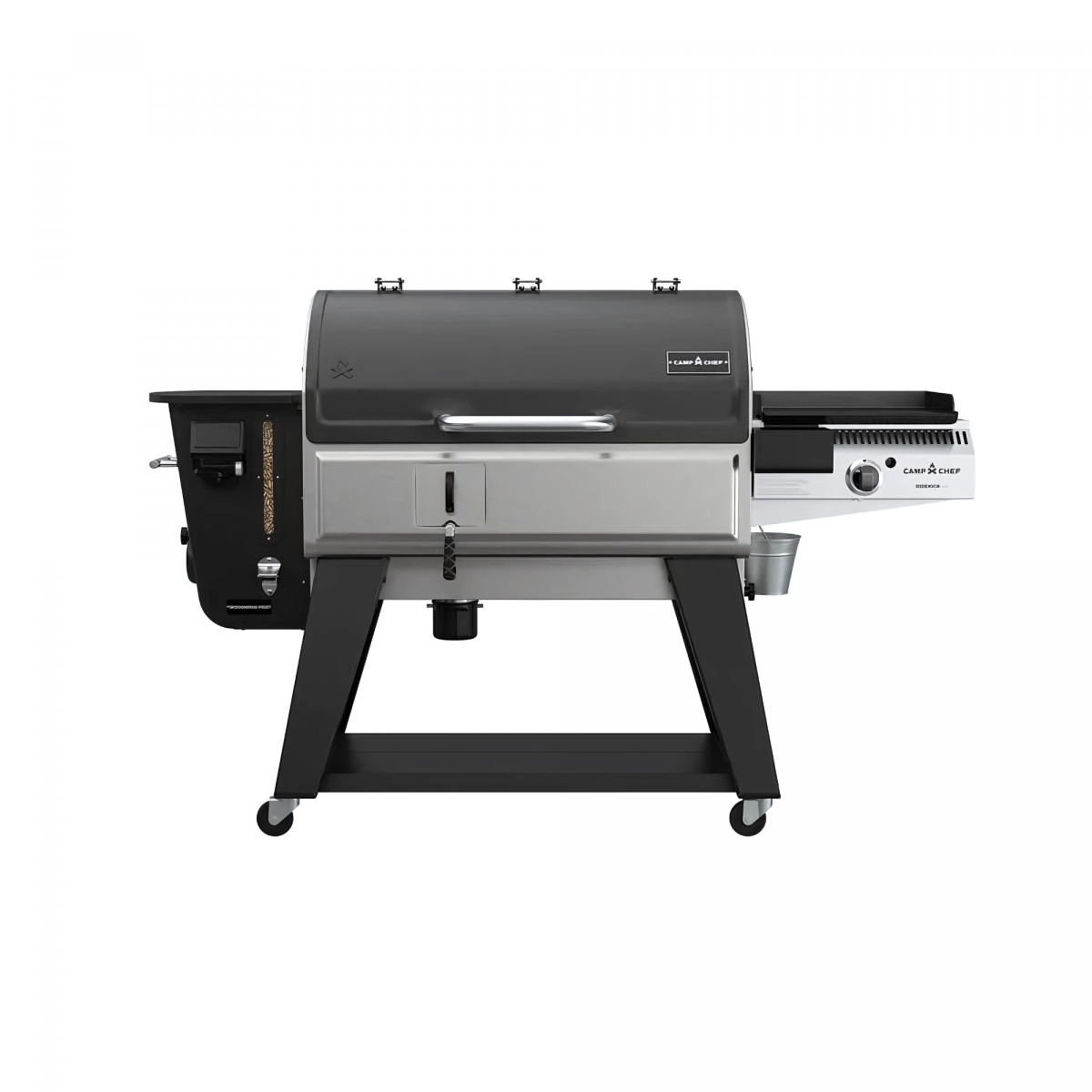
The Camp Chef Woodwind Pro 36 is a large outdoor pellet grill and smoker. It uses wood pellets for heat and includes a separate smoke box for burning wood chunks, chips, or charcoal.
That smoke box is the main feature that separates it from many pellet grills. A typical pellet grill gives steady heat and light smoke. The Woodwind Pro 36 gives you the option to add stronger smoke without giving up automatic temperature control.
It is made for cooks who want to:
• Smoke brisket, pork shoulder, ribs, and chicken
• Grill burgers, steaks, and vegetables
• Cook for large groups
• Use wood pellets for simple heat control
• Add wood chunks or charcoal for deeper smoke
The “36” refers to its larger cooking size. It offers about 1,236 square inches of cooking space, although usable space depends on the rack setup and the food you place inside.

Is Camp Chef Woodwind Pro 36 Worth It for Most People?
The Camp Chef Woodwind Pro 36 is worth it if you cook for a family, host guests, or want one grill that can smoke and grill with less hands-on work. Its large capacity and smoke box make it more flexible than many basic pellet smokers.
However, it may not be the best choice for a casual cook who only grills a few burgers on weekends. The grill is large, heavy, and costly compared with smaller pellet models. It also needs more room, regular cleaning, and a steady supply of pellets.
Here is the simple breakdown:
• Best for large families and frequent hosts
• Best for people who smoke meat often
• Best for cooks who want stronger smoke flavor
• Less ideal for small patios
• Less ideal for people who want very high direct heat
• Less ideal for buyers with a tight budget
When asking, “Is Camp Chef Woodwind Pro 36 worth it?” think about how much you will use it. A large grill only becomes a good value when it earns its space through regular meals.

Key Features of the Camp Chef Woodwind Pro 36
Large cooking area
The Woodwind Pro 36 gives you enough room for several pork butts, a large brisket, racks of ribs, or a mix of meat and side dishes. This space is useful during holidays, game days, and family events.
Large cooking space also gives you room to manage different foods at different stages. You can keep finished meat warm on an upper rack while another dish continues to cook below.
Separate smoke box
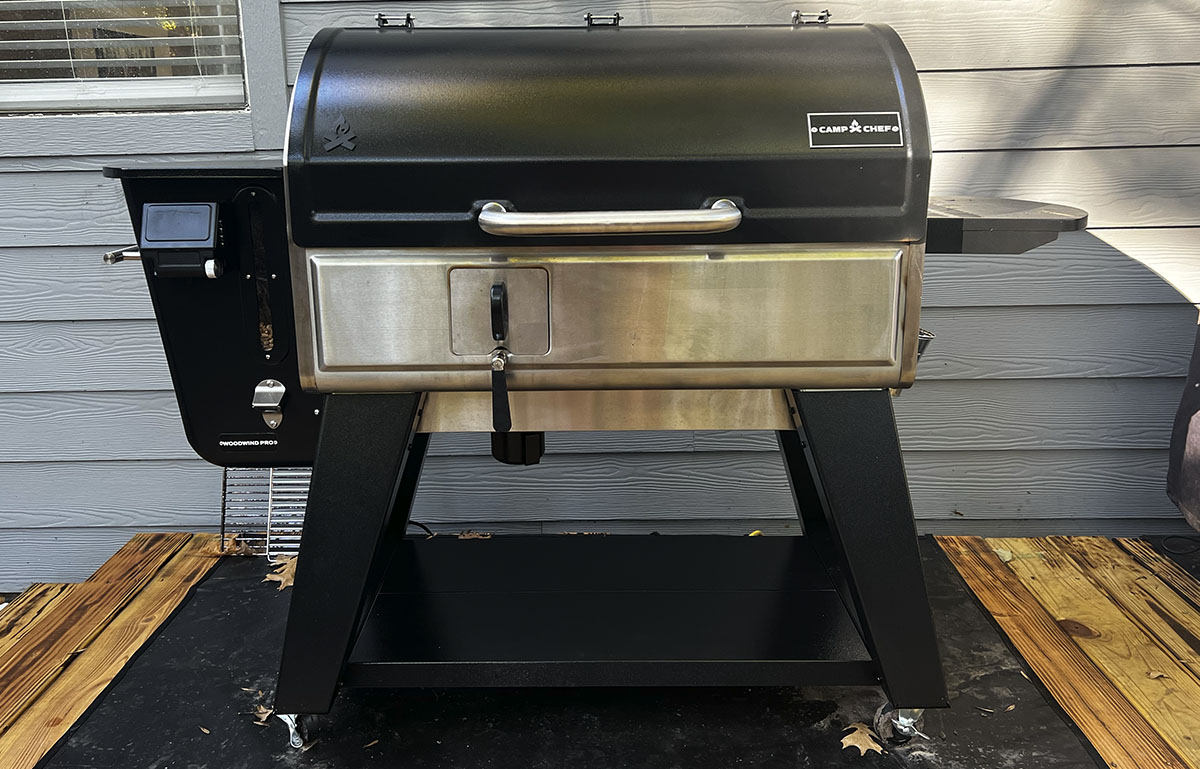
The smoke box is the grill’s strongest selling point. You can add wood chunks, wood chips, or charcoal to create more noticeable smoke than pellets alone usually provide.
This does not mean more smoke is always better. Heavy smoke can make food bitter, especially on chicken, fish, and mild cuts of pork. Start with a small amount of wood and adjust after tasting the result.
Digital temperature control
The digital controller manages pellet feeding and fan speed. You select a target temperature, and the grill works to maintain it.
Outdoor temperature, wind, pellet quality, and how often you open the lid can affect results. No pellet grill holds an exact temperature at all times, so a small swing is normal.
Wi-Fi and app features
Many Woodwind Pro models include wireless monitoring and control. Depending on the model year and software version, you may be able to set temperatures, monitor probes, and receive alerts through an app.
These features are helpful during long cooks. Still, remote control should not replace basic food safety. Use a reliable meat thermometer and check the grill when needed.
Ash cleanout system
Pellet grills create ash as they burn fuel. The Woodwind Pro design includes a system intended to make ash removal easier than with many older pellet grills.
You still need to clean the firepot and interior. Ash buildup can affect airflow and create ignition problems.

Cooking Performance and Smoke Flavor
The Camp Chef Woodwind Pro 36 performs best as a low-and-slow smoker. It can hold a steady cooking temperature for long periods, which makes it useful for brisket, ribs, pork shoulder, and turkey.
The smoke box adds a layer of control that standard pellet grills often lack. You can run the grill with pellets only, then add chunks when you want a stronger smoke profile.
In practical terms, the flavor depends on several factors:
• The type of wood you use
• The size and moisture level of the wood
• The cooking temperature
• The meat cut and surface moisture
• The length of the cook
• How clean the fire burns
A clean, light smoke often creates better food than thick white smoke. Blue-gray smoke is usually a good sign, while heavy white smoke may signal smoldering wood or poor airflow.
For the best results, allow the meat to dry slightly on the surface before cooking. A dry surface accepts smoke better than a wet one. Also, avoid opening the lid too often because every opening adds cooking time.
How Well Does It Grill?
The Woodwind Pro 36 can grill burgers, sausages, chicken, and vegetables well. It is also useful for reverse-searing steaks, where you smoke the meat first and finish it over high heat.
But it is not a direct replacement for a powerful gas grill or charcoal kettle. Pellet grills use indirect heat, and their maximum temperature may not create the same intense sear as a dedicated high-heat cooker.
For better searing:
-
Cook the meat at a lower temperature until it is nearly done.
-
Remove it and let the grill heat fully.
-
Use a cast-iron pan or griddle if available.
-
Sear each side briefly.
-
Check the internal temperature with an instant-read thermometer.
This method gives better results than expecting the grill grate alone to produce steakhouse-style crust.
If your main goal is fast, high-heat grilling, the answer to “Is Camp Chef Woodwind Pro 36 worth it?” may be no. If you want smoking first and grilling second, it becomes much more attractive.
Camp Chef Woodwind Pro 36 Pros and Cons
Main advantages
• Large cooking capacity for parties and meal prep
• Separate smoke box for stronger smoke flavor
• Automatic pellet temperature control
• Useful for smoking, roasting, baking, and grilling
• Wireless monitoring on supported versions
• Easy access to ashes compared with many older pellet grills
• Flexible fuel options through pellets, wood, and charcoal
• Helpful for cooks who want repeatable results
Main drawbacks
• High purchase price compared with entry-level pellet grills
• Large footprint and heavy construction
• Pellet grills need electricity to operate
• More parts can mean more maintenance
• Searing is not as strong as with a dedicated charcoal or gas grill
• Fuel use can rise in cold or windy weather
• The app and electronics may require updates or troubleshooting
• Large cooking space may be unnecessary for small households
The biggest lesson is simple: more features do not always mean more value. The best grill is the one that matches your cooking habits.
Camp Chef Woodwind Pro 36 vs. Smaller Pellet Grills
The Woodwind Pro 36 offers more space than the Woodwind Pro 24 and many mid-size pellet grills. That extra space matters when you cook several large cuts at once.
A smaller grill may be better when:
• You cook for two to four people
• You have a small deck or balcony
• You want a lower purchase price
• You rarely smoke more than one large cut
The 36-inch model is better when:
• You host large gatherings
• You cook several meats together
• You prepare food for holidays
• You want room for large pans or rib racks
• You prefer to cook meals in batches
The larger grill does not automatically produce better food. It gives you more working room and reduces crowding. If you often run out of space, that can be worth paying for. If the grill sits unused for most of the year, the extra capacity becomes wasted money.

Operating Costs and Maintenance
The purchase price is only part of the cost. You also need pellets, replacement parts, electricity, cleaning supplies, and possibly a grill cover.
Pellet use varies with temperature, weather, food load, and insulation. Low-temperature smoking usually uses less fuel than hot cooking. Cold wind can make the grill work harder.
Plan to maintain the grill by:
• Emptying ash on a regular schedule
• Cleaning grease from the drip tray
• Checking the burn pot for buildup
• Brushing loose debris from the grates
• Inspecting the chimney and vents
• Using fresh, dry pellets
• Covering the grill when it is not in use
Do not use water to wash the inside of the grill. Moisture can damage components and encourage rust. A shop vacuum made for cool ash is useful, but always unplug the grill and wait until all ash is cold.
One common mistake is ignoring old pellets. Pellets absorb moisture and can swell inside the auger. That may cause a jam and prevent the grill from feeding fuel.

Common Problems to Know Before Buying
No pellet grill is completely trouble-free. The Woodwind Pro 36 uses electronics, a motor, an auger, a fan, temperature sensors, and a hot rod. Each part supports automatic cooking, but each is also a possible failure point.
Common user concerns include:
• Difficulty connecting the app
• Temperature changes caused by wind or cold
• Pellet jams from damp fuel
• Grease buildup and flare-up risk
• Ignition problems after long periods without cleaning
• A large footprint that is hard to move
• High replacement-part costs after the warranty period
These issues are not proof that the grill is unreliable. They show why good setup and maintenance matter. Place the grill on a stable, level surface with safe clearance from walls and roof overhangs.
Always follow the current owner’s manual for electrical, fire, and installation guidance. Outdoor cooking equipment should never be used in an enclosed space.
Real-World Cooking Tips
When evaluating whether the Camp Chef Woodwind Pro 36 is worth it, I focus less on marketing claims and more on daily use. The most valuable features are the ones that save time without reducing food quality.
Here are practical habits that make a difference:
Start with good pellets
Use food-grade pellets from a trusted brand. Avoid pellets that look swollen, crumble easily, or smell damp. Store them in a sealed container away from rain and humidity.
Use the smoke box with restraint
Begin with one small wood chunk or a modest amount of chips. Strong woods such as mesquite can overpower food. Fruit woods and mild hardwoods are easier to control.
Keep the lid closed
Every lid opening releases heat and smoke. Use the viewing window, wireless app, or probe when possible. Open the lid only when you need to wrap, rotate, spray, or remove food.
Use temperature probes
A grill display shows the air temperature near its sensor. It does not tell you the internal temperature of the meat. Use a calibrated probe for large cuts and an instant-read thermometer for final checks.
Plan for resting time
Large cuts continue cooking after removal. Rest brisket, pork shoulder, and roast poultry before slicing. Resting helps the juices settle and makes the meat easier to cut.
One mistake I often see with large pellet grills is filling every rack at once. Crowding blocks airflow and makes it harder to get even cooking. Leave space around the food whenever possible.
Is Camp Chef Woodwind Pro 36 Worth It for Beginners?
The Camp Chef Woodwind Pro 36 can be a good beginner grill because automatic temperature control removes much of the guesswork. You do not need to manage a charcoal fire every few minutes.
Still, beginners should not assume the grill does everything. You must learn how to trim meat, season food, manage smoke, read internal temperatures, and plan cooking time.
Start with forgiving foods:
• Chicken thighs
• Pork ribs
• Pork shoulder
• Sausage
• Turkey breast
• Vegetables
These foods help you learn temperature control without the pressure of an expensive brisket. Keep a simple cooking log with the pellet type, grill temperature, smoke box fuel, and final result.
That record will help you improve faster than relying on memory.
Is Camp Chef Woodwind Pro 36 Worth It for Brisket?
It can be an excellent brisket smoker, especially for cooks who want a large cooking area and steady heat. The smoke box gives you more control over the flavor than many pellet-only grills.
Brisket success still depends on meat quality, trimming, seasoning, temperature management, and rest time. A grill cannot fix a badly trimmed brisket or a rushed slicing job.
A sensible brisket process is:
-
Trim thick areas of hard fat.
-
Apply a simple salt-based rub.
-
Smoke at a steady low temperature.
-
Monitor the bark and internal temperature.
-
Wrap only when the bark looks right.
-
Continue cooking until the probe slides into the meat with little resistance.
-
Rest the brisket for several hours if possible.
-
Slice across the grain.
The Woodwind Pro 36 gives you the tools, but the cook still makes the final difference.
Who Should Buy the Camp Chef Woodwind Pro 36?
This grill makes sense for buyers who want a premium, large-capacity pellet smoker with more smoke control.
Buy it if you:
• Cook outdoors several times each month
• Smoke large cuts often
• Host groups and need extra rack space
• Want automated temperature control
• Like experimenting with wood chunks and charcoal
• Have a safe, permanent place for a large grill
• Are willing to clean and maintain it
Think twice if you:
• Mainly cook quick meals
• Have limited outdoor space
• Want a strong steak sear above all else
• Do not want to depend on electricity
• Prefer simple charcoal equipment
• Rarely cook for more than four people
For many buyers, a smaller pellet grill plus a cast-iron pan is a better value. For serious barbecue fans, the Camp Chef Woodwind Pro 36 can replace several pieces of equipment.
Who Should Skip It?
The answer to “Is Camp Chef Woodwind Pro 36 worth it?” changes when your needs are simple. A large smoker can become frustrating if it blocks your walkway, needs frequent cleaning, or rarely gets used.
Skip the Woodwind Pro 36 if you want:
• A compact grill for a small balcony
• A low-cost first smoker
• Fast cooking with no warm-up time
• A grill that works without electricity
• A very simple setup with few components
• A dedicated searing machine
In those cases, a charcoal kettle, compact gas grill, or smaller pellet smoker may serve you better. The goal is not to own the most capable grill. The goal is to cook more food that you enjoy.
Frequently Asked Questions About Is Camp Chef Woodwind Pro 36 Worth It?
Is the Camp Chef Woodwind Pro 36 good for large families?
Yes. Its large cooking area can handle several racks of ribs, multiple pork shoulders, or a mixture of meat and vegetables. It is especially useful for holidays and backyard gatherings.
Does the Camp Chef Woodwind Pro 36 produce strong smoke flavor?
Yes, particularly when you use the separate smoke box with suitable wood chunks or chips. Use smoke carefully because too much can create a bitter taste.
Can the Camp Chef Woodwind Pro 36 sear steaks?
It can sear steaks, but it may not match a dedicated charcoal grill or high-output gas grill. Reverse-searing with cast iron usually gives the best crust.
Is the Camp Chef Woodwind Pro 36 hard to clean?
It is manageable if you clean it often. Remove ash, scrape grease from the drip area, and keep the burn pot clear to reduce ignition and temperature problems.
Does the Camp Chef Woodwind Pro 36 need electricity?
Yes. The controller, auger, fan, and ignition system need electrical power. A suitable outdoor-rated outlet or approved power solution is required.
Is the Camp Chef Woodwind Pro 36 good for beginners?
Yes, because its automatic temperature control makes smoking easier to learn. Beginners still need to understand meat temperature, smoke levels, food safety, and cooking times.
How much space does the Camp Chef Woodwind Pro 36 need?
It needs a stable outdoor area with room for the grill lid to open and safe clearance around the unit. Measure your patio before buying, and follow the clearance instructions in the manual.
Conclusion
The Camp Chef Woodwind Pro 36 is worth it for serious home cooks who need a large cooking area, steady pellet heat, and stronger smoke control. Its separate smoke box is a real advantage, while its size, price, maintenance needs, and moderate searing ability are the main tradeoffs.
If you host often or smoke large cuts several times a month, it can be a smart long-term investment. If you mostly cook quick meals for a small household, choose a smaller and simpler grill instead. Review current pricing, measure your cooking space, and compare your real cooking habits before buying.

