

If you’ve ever stared at a colorful bowl of gigli pasta and wondered, “How many calories are in this?” you’re not alone. Gigli, also called campanelle, is shaped like a bell or a flower—a favorite for creamy sauces and hearty bakes. Whether you’re counting calories for health, weight loss, or just out of curiosity, knowing the nutritional facts about gigli pasta can help you make smarter choices. Let’s break down exactly how many calories are in gigli pasta, what affects those numbers, and how to enjoy this beautiful noodle without guesswork.
What Is Gigli Pasta?
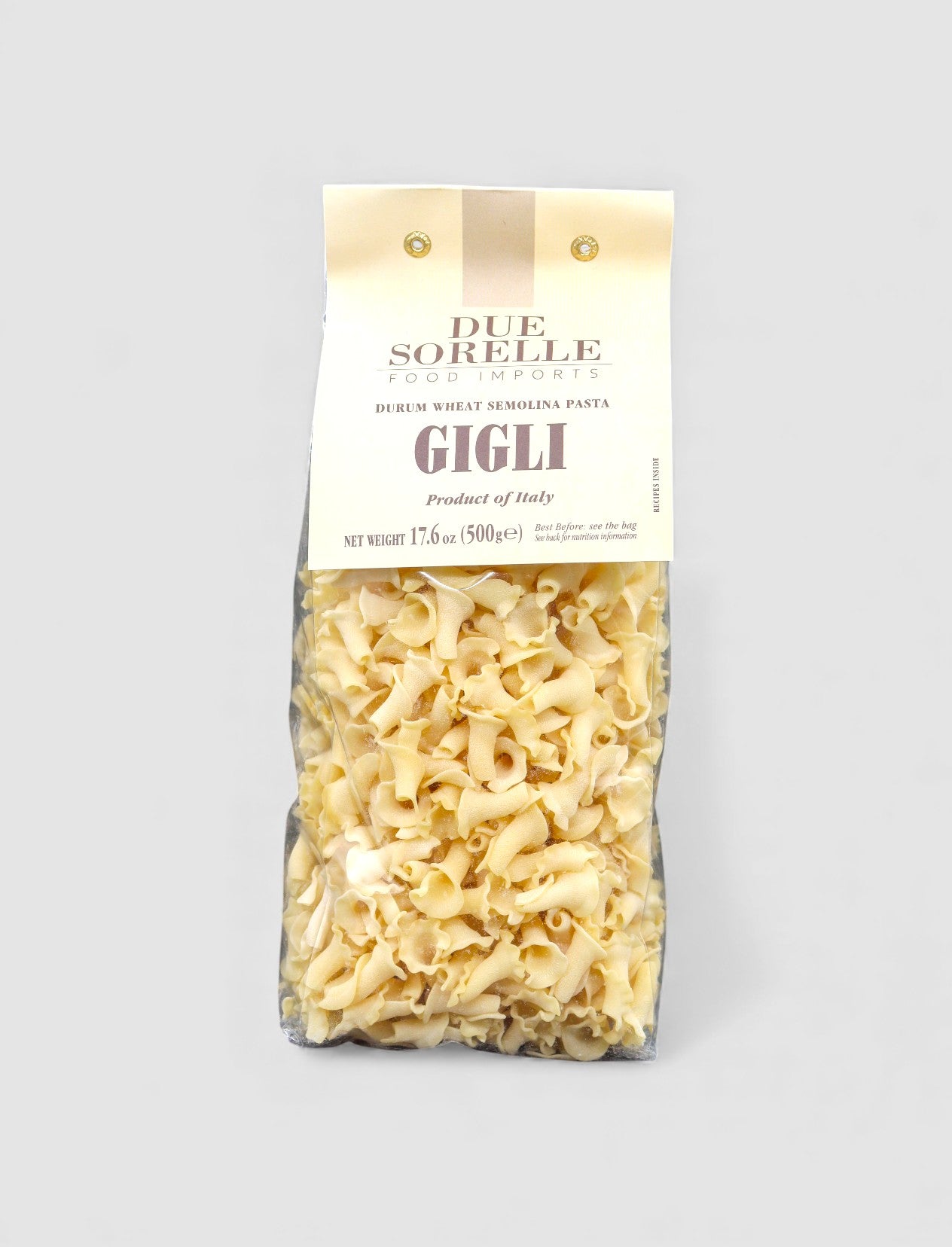
Gigli pasta stands out with its unique ruffled edges and bell-like shape. Its name means “lily” in Italian, and it’s sometimes called campanelle, meaning “little bell.” This pasta holds sauce well and is often used in baked dishes, pasta salads, or with creamy and chunky sauces.
While gigli is not as common as spaghetti or penne, you’ll find it in specialty stores and many supermarkets. Its calorie content is similar to other wheat-based pastas, but the shape can change how you measure portions.
Calories In Dry Gigli Pasta
The calorie count for gigli pasta starts with its dry, uncooked form. Most gigli pasta is made from semolina flour and water, just like other traditional Italian pastas.
On average:
- 1 cup dry gigli pasta (about 85g): 300 calories
- 2 oz (56g) dry gigli pasta: 200 calories
Here’s a simple comparison with other common pastas:
| Pasta Type | Calories (per 2 oz/56g dry) | Serving Size (dry) |
|---|---|---|
| Gigli | 200 | 2 oz (about 1 cup) |
| Penne | 200 | 2 oz (about 3/4 cup) |
| Spaghetti | 200 | 2 oz (about 1 cup) |
| Fusilli | 200 | 2 oz (about 1 cup) |
Insight: Gigli’s larger, hollow shape means a cup of dry gigli can weigh a little less than a cup of smaller shapes, so always check your package or use a kitchen scale for accuracy.
Calories In Cooked Gigli Pasta
Pasta absorbs water and expands during cooking. This means the calorie count per cup drops once it’s cooked, but the total calories in the pasta itself stay the same.
- 1 cup cooked gigli pasta (about 140g): 180–200 calories
- 100g cooked gigli pasta: 140–150 calories
The calories per cup can vary depending on how much water the pasta absorbs. For most home cooks, a typical 2 oz (56g) dry serving becomes about 1 to 1. 25 cups cooked.
Here’s a quick look at how cooking changes the calorie count:
| Form | Serving Size | Calories |
|---|---|---|
| Dry | 2 oz (56g) | 200 |
| Cooked | 1 cup (140g) | 180–200 |
| Cooked | 100g | 140–150 |
Non-obvious tip: Measuring cooked pasta by volume (cups) can be misleading. Always measure dry pasta by weight for the most accurate calorie count.
What Affects The Calorie Count In Gigli Pasta?
While the numbers above give a good average, several factors can change the calorie content:
- Ingredients: Most gigli pasta is made from durum wheat semolina and water. Some brands add eggs, spinach, or other ingredients. Egg pasta is slightly higher in calories and protein.
- Serving Size: The most common mistake is underestimating portion size. A “serving” is usually 2 oz (56g) dry, but many people eat much more, especially in restaurants.
- Type of Flour: Whole wheat gigli has about the same calories as regular, but with more fiber and nutrients.
- Added Oils or Sauces: Calories listed here are for plain, boiled gigli pasta only. Adding olive oil, cheese, or creamy sauces can quickly double or triple the calorie count.
Comparing Gigli Pasta To Other Pastas
Is gigli pasta more or less caloric than other shapes? The answer: it’s almost the same. What really matters is the ingredients and serving size.
Let’s compare a few varieties:
| Pasta Type | Calories (per 100g cooked) | Notes |
|---|---|---|
| Gigli | 140–150 | Traditional shape, plain semolina |
| Whole Wheat Gigli | 140–150 | More fiber, same calories |
| Chickpea Pasta | 160–170 | Higher protein, gluten-free |
| Egg Pasta | 150–160 | More protein, slightly more calories |
Practical insight: If you swap regular gigli for a gluten-free or higher-protein pasta, check the package label. Calories can vary by 10–20% depending on the brand and ingredients.
How To Measure Gigli Pasta For Accurate Calories
Getting the calorie count right starts with the right measurement. Gigli’s curly, hollow shape makes it tricky.
Best practices:
- Weigh dry pasta: Use a kitchen scale to portion exactly 2 oz (56g) per person.
- Don’t rely on cups alone: 1 cup dry gigli might not weigh the same as 1 cup penne.
- Read labels: Brands sometimes list different serving sizes. Check your package.
Example: If you cook 168g (6 oz) of dry gigli pasta for two people, you’ll get about 600 calories total—split into two 300-calorie servings.
Common mistake: Pouring pasta into the pot without measuring. This often leads to eating double the calories you expect.

How Sauces And Additions Change Calorie Count
Plain gigli pasta is low in fat and sugar. But most people don’t eat it plain! Sauces, oils, cheeses, and proteins can add hundreds of calories.
Here’s how some popular toppings stack up per serving:
- Marinara sauce (1/2 cup): 60 calories
- Alfredo sauce (1/2 cup): 200 calories
- Olive oil (1 tbsp): 120 calories
- Parmesan cheese (2 tbsp): 40 calories
- Cooked chicken breast (3 oz): 140 calories
Example meal:
- 1 cup cooked gigli pasta (180 calories)
- 1/2 cup Alfredo sauce (200 calories)
- 1 tbsp olive oil (120 calories)
- 2 tbsp Parmesan (40 calories)
Total: 540 calories
Non-obvious insight: Creamy sauces and added oils can quickly triple your calorie intake—often more than the pasta itself.
Health Benefits And Drawbacks Of Gigli Pasta
Eating gigli pasta in moderation can be part of a healthy diet. Here’s why:
Benefits
- Carbohydrate energy: Great for active people or as a pre-workout meal.
- Low in fat: Plain gigli pasta contains almost no fat.
- Versatile: Pairs with vegetables, lean proteins, or tomato-based sauces for balanced meals.
Drawbacks
- Low in fiber: Unless you pick whole wheat gigli, regular pasta is not very filling.
- High in carbs: Not ideal for low-carb or ketogenic diets.
- Calorie-dense: Easy to overeat, especially with rich sauces.
Tip: Add vegetables or lean protein to your gigli pasta for more nutrition without too many extra calories.

How To Reduce Calories In Gigli Pasta Dishes
If you love gigli but want to keep calories under control, try these strategies:
- Choose tomato-based sauces over creamy ones.
- Bulk up your bowl with steamed vegetables like broccoli, spinach, or zucchini.
- Use less cheese and oil.
- Watch your portion size. Stick to 2 oz (56g) dry per person.
- Try whole wheat or legume-based gigli for more fiber and protein.
Practical example:
Mix 1 cup cooked gigli with 1 cup steamed vegetables and 1/2 cup marinara. This adds only 60 extra calories but doubles the serving size—making your meal more filling without many more calories.
Frequently Asked Questions
How Many Calories Are In 1 Cup Cooked Gigli Pasta?
One cup of cooked gigli pasta (about 140g) contains 180–200 calories. The exact amount depends on how much water the pasta absorbs. For best results, measure your pasta before cooking.
Is Gigli Pasta High In Calories Compared To Other Pasta Shapes?
No, gigli pasta has similar calories to other regular wheat pastas like penne, fusilli, or spaghetti. Calories depend more on the ingredients and serving size than the shape itself.
How Can I Accurately Measure A Serving Of Gigli Pasta?
For accuracy, weigh dry pasta using a kitchen scale. A standard serving is 2 oz (56g) dry, which becomes about 1–1.25 cups cooked. Measuring by cups alone can be misleading because different shapes fit cups differently.
Does Whole Wheat Gigli Pasta Have Fewer Calories?
Whole wheat gigli pasta has about the same calories as regular gigli—140–150 calories per 100g cooked. The main difference is higher fiber and micronutrients, which help you feel fuller.
How Many Calories Will I Eat If I Add Sauce And Cheese?
It depends on the type and amount of sauce or cheese. For example, 1 cup cooked gigli with 1/2 cup Alfredo and 2 tbsp Parmesan is around 420 calories, not counting any added oil or protein. Always check labels and measure your additions to keep calorie counts accurate.
If you want more details on pasta nutrition, the USDA FoodData Central is a trusted source for up-to-date information.
Gigli pasta can be part of a balanced meal if you pay attention to portion sizes and toppings. With the right knowledge, you can enjoy your favorite pasta without worry or surprises.

