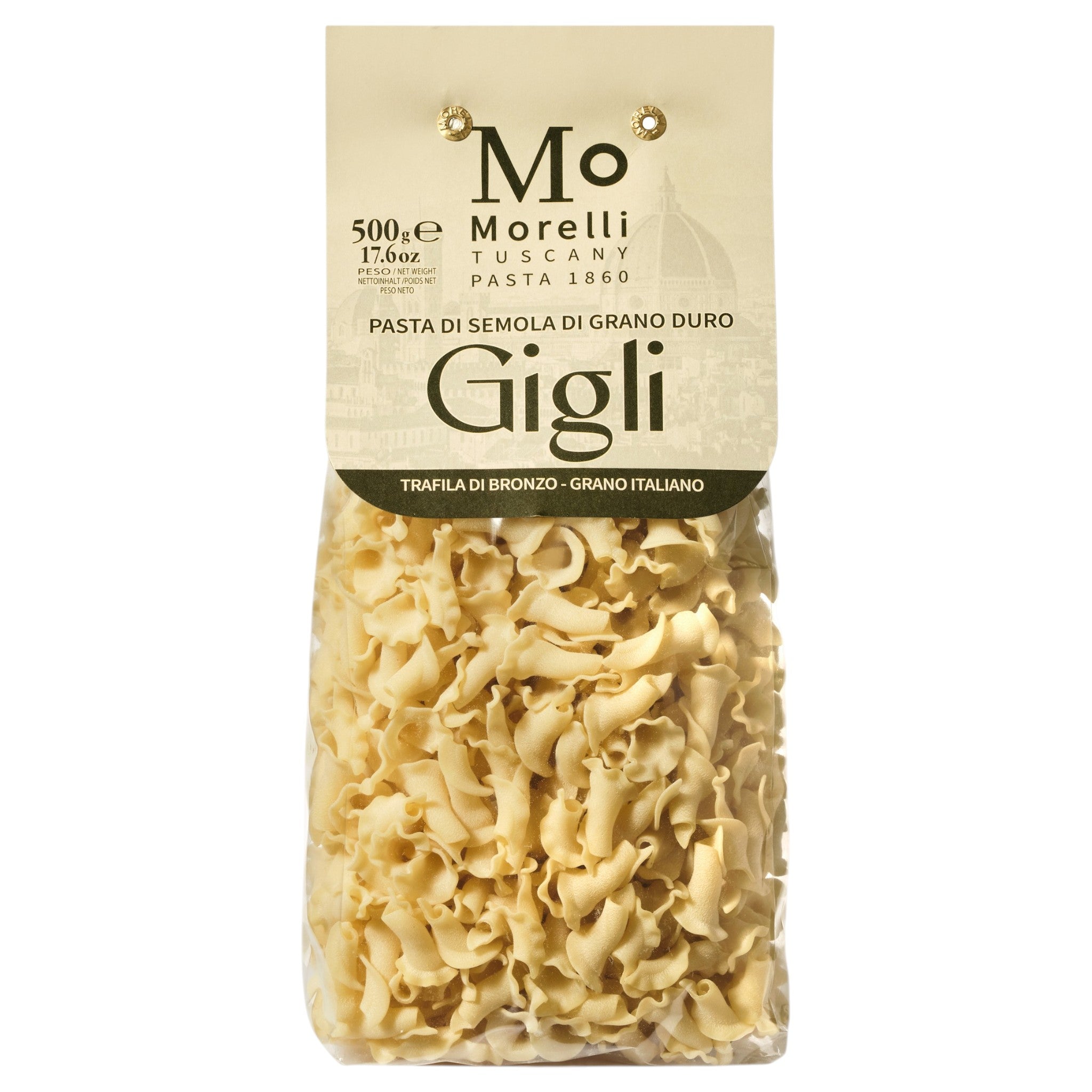
Italy’s pasta culture is famous worldwide, but with hundreds of shapes to choose from, some can easily go unnoticed. One such shape is Gigli pasta—a beautiful, flower-like noodle that stands out in both appearance and culinary performance. While penne, spaghetti, and fusilli fill supermarket shelves, Gigli quietly impresses chefs and home cooks who crave something different. But what exactly sets Gigli apart from other pasta shapes? Let’s explore its unique story, structure, uses, and why it’s gaining popularity beyond Italy.
The Origin Of Gigli Pasta
Gigli means “lilies” in Italian, and the pasta’s shape takes inspiration from the elegant fleur-de-lis—the symbol of Florence, Tuscany’s capital. Gigli is sometimes called campanelle (little bells) in other regions, reflecting its fluted, ruffled edges that curl outward, almost like a flower blooming.
Gigli’s roots are deeply Tuscan, where it’s often made fresh and paired with robust sauces. Unlike more commercialized shapes, Gigli was traditionally crafted by hand, making it a specialty for festive occasions and Sunday dinners. Its design is not just for looks; it’s an example of how Italian pasta shapes often reflect local history, available grains, and culinary traditions.
What Does Gigli Pasta Look Like?
No other pasta shape looks quite like Gigli. Imagine a small, cone-shaped tube with a flared, ruffled rim—almost like a trumpeted flower or a tiny bell. This distinctive shape is both decorative and practical.
- Visual appeal: Gigli’s ruffles hold sauces beautifully and add a touch of elegance to any dish.
- Size: Each piece is about 1–2 inches in length, making it larger than elbow macaroni but smaller than rigatoni.
- Texture: The fluted edges provide a satisfying bite and a contrast to the smooth center.
Here’s a quick comparison with some other common pasta shapes:
| Pasta Shape | Visual Shape | Common Use |
|---|---|---|
| Gigli | Flower/bell-shaped, ruffled edge | Hearty sauces, baked dishes, salads |
| Penne | Short tubes, angled ends | Tomato or cream sauces |
| Fusilli | Spiraled corkscrew | Pesto, chunky vegetables |
| Farfalle | Bow-tie/Butterfly | Light sauces, pasta salads |
Non-obvious insight: Many pasta fans overlook Gigli because it is not as widely distributed as penne or spaghetti. But its unique design is more than just attractive—it’s engineered for culinary performance.
How Gigli’s Shape Changes The Eating Experience
The shape of pasta is not just about looks. Texture, mouthfeel, and sauce pairing all depend on the noodle’s structure. Gigli pasta brings several advantages over more common shapes.
Sauce Clinging Power
Gigli’s flared edge and hollow center trap thick sauces, vegetables, or bits of meat inside. This means every bite is packed with flavor. Unlike spaghetti, where sauce can slide off, Gigli works almost like a mini-cup for your meal.
Texture And Bite
The ruffled edges cook slightly faster than the tube’s center, offering a contrast in texture—soft edges with a firmer bite at the core. This dual texture is especially pleasing in baked pasta dishes.
Portion Size
Gigli’s larger shape means fewer pieces are needed to fill a bowl, but each one delivers a big hit of sauce and flavor. This can help with portion control and presentation, making meals feel more satisfying without over-eating.
Culinary Uses: Where Gigli Shines
Gigli is not just for show—it’s a versatile choice in the kitchen. Here’s where it truly stands out:
- Hearty Sauces: Thick ragùs, creamy cheese sauces, or chunky vegetable blends cling perfectly to Gigli’s curves and folds.
- Baked Dishes: Because it holds its shape well, Gigli is excellent for oven-baked pasta recipes, such as casseroles or pasta al forno.
- Pasta Salads: The decorative form makes cold salads look beautiful and prevents ingredients from sliding off.
- Special Occasions: Gigli’s elegance makes it a favorite for festive dinners, romantic meals, or whenever you want to impress.
Here’s a brief look at how Gigli compares in sauce-holding power versus other shapes:
| Pasta Shape | Sauce Holding | Best Sauce Type |
|---|---|---|
| Gigli | Excellent | Thick, chunky, or creamy sauces |
| Spaghetti | Poor | Thin, smooth sauces |
| Rigatoni | Very Good | Meaty or vegetable sauces |
| Farfalle | Good | Light, oil-based sauces |
Practical tip: When using Gigli, slightly undercook the pasta before baking to prevent it from becoming too soft. The ruffled edges can get crisp and flavorful in the oven, adding another layer of texture.

Nutritional Profile And Cooking Tips
Gigli is made from the same basic ingredients as most dry Italian pasta: semolina flour and water. This means its nutrition profile is nearly identical to other durum wheat pastas.
A typical serving (2 ounces dry, about 56 grams) provides:
- About 200 calories
- 7 grams protein
- Less than 1 gram fat
- 42 grams carbohydrates
- 2 grams fiber
If you’re looking for whole-wheat or gluten-free Gigli, some artisanal producers offer these options, but availability can be limited compared to mainstream shapes.
Cooking Tips
- Use plenty of water: Gigli’s ruffles can stick if crowded, so use a large pot.
- Stir early: This prevents the flower shapes from sticking together.
- Taste test: Because of the thick center, taste a piece from both the edge and core to check doneness.
- Toss with sauce quickly: Gigli can dry out if left plain too long. Always combine with sauce immediately for the best flavor and texture.
Non-obvious insight: Unlike spaghetti, Gigli is almost impossible to overcook evenly. The varying thickness means the edges soften first, but the center stays al dente. This makes it forgiving for beginners who worry about timing.
Gigli In Italian Food Culture
Gigli isn’t just another pretty noodle; it carries cultural meaning, especially in Tuscany. The lily shape reflects Florence’s history, and many local recipes feature wild boar ragù or creamy truffle sauces—robust, luxurious toppings that benefit from a pasta that can hold them.
In family-run trattorias, Gigli is often made fresh by hand. The process involves rolling and pinching dough into the signature lily or bell shapes, a method passed down through generations. While factory-made Gigli is now common, handmade versions are still prized for their irregularity and rustic charm.
Expert tip: If you ever visit Florence, look for fresh Gigli at local markets or osterias. Fresh pasta is softer and absorbs sauces differently than dried, offering a unique tasting experience.

How Gigli Is Made: Artisanal Vs. Industrial
The making of Gigli reveals why its texture and taste stand out. There are two main production methods:
Artisanal (handmade) Gigli
- Made with traditional bronze dies, which give the pasta a rough surface—this helps sauce stick better.
- Dough is rolled and shaped by hand or with simple tools, creating variations in size and ruffle.
- Usually dried slowly at low temperatures, preserving flavor and nutrients.
Industrial (machine-made) Gigli
- Made in factories using Teflon-coated dies, resulting in a smoother surface.
- Uniform size and appearance, but less sauce cling compared to bronze-cut.
- Dried quickly at higher temperatures, which can make the texture firmer but less flavorful.
Here’s a quick comparison:
| Type | Texture | Sauce Cling | Flavor |
|---|---|---|---|
| Artisanal | Rough, porous | Excellent | Full, wheaty |
| Industrial | Smooth | Good | Milder |
Pro tip: When shopping, look for “bronze-cut” or “trafilata al bronzo” on the package for the best sauce-holding texture.
Comparing Gigli To Other Unusual Pasta Shapes
Gigli may not be as famous as spaghetti, but it’s part of a family of lesser-known shapes that bring fun and creativity to the kitchen. Let’s see how Gigli compares to a few others:
- Orecchiette (“little ears”): Small, dome-shaped discs, great for catching thick sauces, but don’t offer the same ruffled aesthetic.
- Cavatappi: Corkscrew tubes, also good for thick sauces, but with a chewier bite.
- Radiatori: Shaped like tiny radiators, designed for maximum surface area, but smaller and less elegant than Gigli.
Each shape has its strengths, but Gigli’s combination of visual appeal, sauce-holding ability, and texture is rare.
Non-obvious insight: Some chefs even use Gigli as a substitute for shells in baked seafood dishes, as its cup-like shape holds fillings just as well, but with a more dramatic look.
Why Gigli Pasta Is Gaining Popularity
Gigli’s appeal is growing in the US and abroad, driven by several trends:
- Instagram-worthy appearance: The ruffled, floral shape stands out in food photography, making it popular with influencers and food bloggers.
- Demand for artisanal foods: More people want specialty, authentic Italian ingredients, and Gigli fits the bill.
- Versatility: Works for both simple weeknight meals and special occasions.
- Dietary trends: Gigli is available in organic, whole wheat, and even gluten-free options from select producers.
While still not as common as penne or farfalle, Gigli is showing up in specialty stores, online shops, and high-end restaurants. For those who want to cook like an Italian, or simply enjoy a more memorable meal, Gigli is a smart choice.
For further reading on traditional Italian pasta shapes and their cultural meaning, visit the Wikipedia page on pasta types.
Frequently Asked Questions
What Sauces Go Best With Gigli Pasta?
Gigli is best with thick, hearty sauces—like meat ragù, creamy cheese blends, or chunky vegetable sauces. The shape traps sauce inside, giving you flavor in every bite.
Is Gigli The Same As Campanelle?
Gigli and campanelle are often used interchangeably. Both mean “little bells” or “lilies,” and look almost identical. In Tuscany, “Gigli” is the preferred name, especially for handmade versions.
Can I Use Gigli Pasta In Cold Dishes?
Yes, Gigli works well in pasta salads. Its shape holds dressing and other ingredients, making every forkful flavorful. Just be sure not to overcook it, as the ruffles can soften quickly.
Is Gigli Pasta Gluten-free?
Traditional Gigli is made with wheat, but some brands make gluten-free Gigli using corn, rice, or other flours. Check labels or specialty stores for options if you have dietary restrictions.
How Do You Pronounce “gigli”?
It’s pronounced “ZEE-lyee” (the “gli” is like the “lli” in “million”). In some regions, you may hear “campanelle” pronounced as “cam-pa-NELL-ay.”
Gigli pasta stands out for its beauty, versatility, and the way it elevates both simple and gourmet dishes. Whether you’re a pasta lover or a curious cook, trying Gigli is a small but meaningful way to taste the artistry of Italian cuisine.