

Can Gigli Pasta Be Used In Soup?
If you love pasta soup, you may have seen Gigli pasta in stores or recipes and wondered if it belongs in a soup bowl. Gigli, also called campanelle, looks like a small bell or flower with ruffled edges. Its playful shape is catching eyes beyond classic pasta dishes. But does it work well in soup, or is it better for other meals?
Let’s explore when and how to use Gigli pasta in soups, what makes it unique, and what you need to know to get the best results. Whether you’re a home cook or just want a new twist for your next meal, you’ll find practical advice here.
What Is Gigli Pasta?
Gigli pasta is sometimes called campanelle, which means “little bells” in Italian. Its shape is like a small cone or flower with curly edges. This design is not just for looks—the ruffles help hold sauce or soup broth.
- Origin: Tuscany, Italy
- Common Uses: Baked dishes, creamy sauces, salads, and, sometimes, soup
Gigli is made from semolina flour and water, like most traditional Italian pastas. Some brands add egg, giving a richer flavor and texture.
Why Is Shape Important In Pasta?
Pasta shape affects how it cooks and holds sauce or broth. Some shapes, like spaghetti, are best for smooth sauces. Others, like penne or Gigli, have ridges or curves that trap liquid and small ingredients.
Gigli’s ruffled edge and hollow center make it excellent at catching bits of meat, vegetables, or beans in soup. That’s why it’s gaining popularity for more than just baked dishes.
Can Gigli Pasta Be Used In Soup?
The simple answer is yes—Gigli pasta works in many soups. But there are a few things to consider for the best results.
When Is Gigli A Good Choice?
Gigli is great when you want:
- Hearty, chunky soups: The shape holds larger pieces of vegetables, beans, or meat.
- Visual appeal: The flower shape makes your soup look special.
- A pasta that won’t get lost: Gigli stays noticeable, even in strong broths.
Some classic Italian soups, like Minestrone or vegetable soups, work well with Gigli. But it’s not the best for every soup style.
When To Avoid Gigli In Soup
Gigli might not be the top pick if:
- You’re making a thin, clear broth: The large size can overpower delicate soups.
- You need fast cooking: Gigli takes longer to cook than small pasta like orzo or ditalini.
- You want a very light soup: The texture is hearty, not delicate.
If you want a refined, subtle soup, a smaller pasta will blend in better.
How To Use Gigli Pasta In Soup
If you decide to use Gigli, a few simple steps can help you get the best texture and flavor.
Cooking Tips
- Cook Separately: Boil Gigli in salted water until al dente (usually 9-12 minutes). Add to soup just before serving. This prevents the pasta from soaking up too much broth and getting mushy.
- Add Late: If you must cook pasta in the soup, add Gigli in the last 10 minutes of simmering.
- Use Enough Liquid: Gigli absorbs more broth than small pasta. Add extra stock if needed.
- Stir Gently: Ruffled pasta can stick together. Stir gently after adding to soup.
Example: Using Gigli In Minestrone
Minestrone is a classic Italian soup with vegetables, beans, and sometimes pasta. Gigli works well because it holds beans and veggie bits in its folds.
- Cook Gigli in a separate pot
- Add to bowls just before serving
- Garnish with grated Parmesan
This keeps the pasta from swelling and the soup from turning starchy.
Practical Table: Cooking Time Comparison
Here’s how Gigli compares to other popular soup pastas:
| Pasta Type | Average Cooking Time | Best Soup Use |
|---|---|---|
| Gigli (Campanelle) | 9–12 min | Hearty, chunky soups |
| Ditalini | 7–9 min | Minestrone, light broths |
| Orzo | 8–10 min | Chicken soup, brothy soups |
| Farfalle | 10–12 min | Creamy or tomato soups |
Texture And Flavor: What To Expect
Gigli pasta has a slightly chewy bite and thick texture, especially when cooked al dente. In soup, it stays firmer than many small pastas.
- Texture: Holds shape well, doesn’t fall apart easily
- Flavor: Mild, but picks up broth flavors well
Because of its size, Gigli becomes the star of the soup instead of blending into the background.
Table: How Gigli Compares To Other Pasta For Soup
| Feature | Gigli | Small Pasta (e.g., Orzo) | Large Pasta (e.g., Penne) |
|---|---|---|---|
| Shape | Bell/flower | Rice-like | Tubular |
| Broth Absorption | High | Medium | Medium |
| Visual Appeal | High | Low | Medium |
| Best For | Chunky soups | Light soups | Thick soups |

Best Soup Recipes To Try With Gigli Pasta
If you want to try Gigli pasta in soup, start with recipes that have chunky ingredients and rich broth.
1. Gigli Vegetable Soup
- Vegetables: Carrots, celery, zucchini, tomatoes
- Broth: Vegetable or chicken
- Extras: Beans, herbs, Parmesan cheese
Gigli’s folds trap beans and small vegetable pieces, making every bite hearty and flavorful.
2. Italian Sausage And Gigli Soup
- Sausage: Italian-style, sliced or crumbled
- Broth: Chicken or beef
- Vegetables: Kale, onions, diced tomatoes
- Pasta: Add cooked Gigli just before serving
This soup is filling, perfect for cold weather, and the pasta holds onto little pieces of sausage and vegetables.
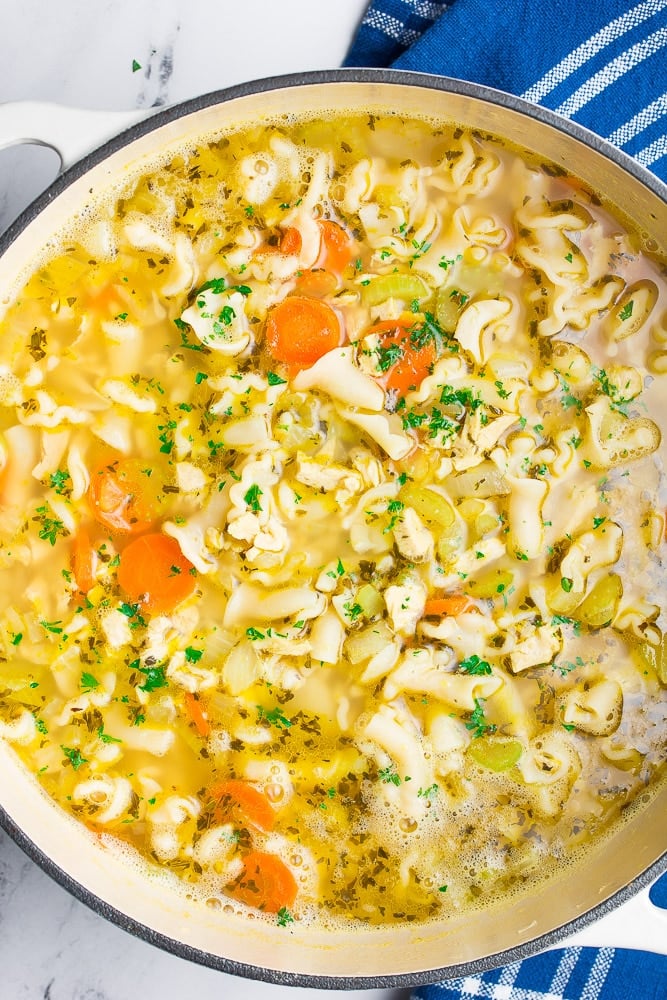
3. Gigli Chicken Soup
- Chicken: Shredded or diced
- Broth: Clear chicken stock
- Vegetables: Carrots, peas, spinach
- Pasta: Cooked Gigli, added at the end
This twist on classic chicken soup offers a more luxurious feel and satisfying texture.
Practical Tips
- Don’t overcook: Gigli can become too soft if boiled too long.
- Use leftovers wisely: Store soup and pasta separately. Combine when reheating.
- Try whole wheat Gigli: For extra fiber and a nutty taste.
Common Mistakes When Using Gigli In Soup
Even experienced cooks can make mistakes when trying a new pasta shape in soup. Here’s what to watch for:
- Cooking Gigli in the soup from the start
- The pasta absorbs too much broth, gets mushy, and can make the soup cloudy.
- Not adding enough liquid
- Because Gigli absorbs more than small pasta, your soup may become too thick.
- Choosing the wrong soup
- Delicate, clear broths are overwhelmed by Gigli’s size and texture.
- Not stirring gently
- Gigli’s ruffles can stick together; gentle stirring helps prevent clumps.
Non-obvious Insights For Perfect Soup
Many cooks miss these two tricks:
- Season pasta water: Salt your pasta water well before boiling Gigli. This is the only chance for the pasta itself to get seasoned.
- Cool and store pasta separately: If you plan leftovers, rinse the cooked Gigli with cool water, toss with a little olive oil, and store separately. Combine with soup just before eating to avoid soggy pasta.
Nutritional Benefits Of Using Gigli Pasta
Gigli pasta has similar nutrition to other durum wheat pastas:
- Carbohydrates: Main source of energy
- Protein: 7–8 grams per serving (2 oz dry)
- Fiber: More in whole wheat versions
- Low fat: Less than 1 gram per serving
If you use whole wheat Gigli, you get more fiber and minerals. For gluten-free diets, look for Gigli made from lentils or chickpeas.

Where To Buy Gigli Pasta
Gigli is available in most large supermarkets, often labeled as campanelle. Specialty Italian stores or online retailers have the widest selection, including whole wheat and gluten-free versions.
- Average price: $2–$5 per 1-pound box
- Brands: Barilla, De Cecco, Rustichella d’Abruzzo, Trader Joe’s
If you can’t find Gigli, substitute with farfalle (bow-tie), rotini, or penne for a similar effect.
Comparing Gigli To Other Pasta For Soup
If you’re unsure whether to try Gigli, here’s a quick comparison:
| Pasta Type | Soup Compatibility | Texture After Cooking | Visual Appeal |
|---|---|---|---|
| Gigli | Best for hearty, chunky soups | Firm, chewy | Very high |
| Orzo | Best for light, clear broths | Tender | Low |
| Ditalini | Great for minestrone | Slightly firm | Medium |
| Elbow Macaroni | Good for creamy soups | Slightly soft | Medium |
Frequently Asked Questions
Is Gigli Pasta The Same As Campanelle?
Yes. Gigli and campanelle are two names for the same pasta shape. Both mean “little bell” in Italian and refer to the ruffled, flower-like design. Some brands use one term, some use the other.
Can I Use Gigli Pasta In Chicken Soup?
Absolutely. Gigli works well in chicken soup, especially if you want a heartier dish. Just remember to cook the pasta separately and add it to the bowl before serving to keep the texture perfect.
Does Gigli Pasta Get Soggy In Soup?
It can, if left in hot broth for too long. Gigli absorbs more liquid than smaller pasta shapes. To avoid sogginess, cook it until al dente, rinse with cool water, and add to the soup just before eating.
What Soups Are Best For Gigli Pasta?
The best soups for Gigli are:
- Minestrone
- Chunky vegetable soups
- Sausage and bean soups
- Rich chicken or beef broths with vegetables
Avoid using Gigli in clear, delicate broths where it can overpower other flavors.
Where Can I Learn More About Pasta Types?
A good resource for pasta types and their uses is the Wikipedia list of pasta shapes, which includes photos and descriptions of hundreds of varieties.
Gigli pasta brings a delightful shape and hearty texture to the soup world. While not for every recipe, it shines in chunky, flavorful soups where its ruffles catch every bit of goodness. Try it for your next meal, and you may find a new favorite way to enjoy pasta soup.

