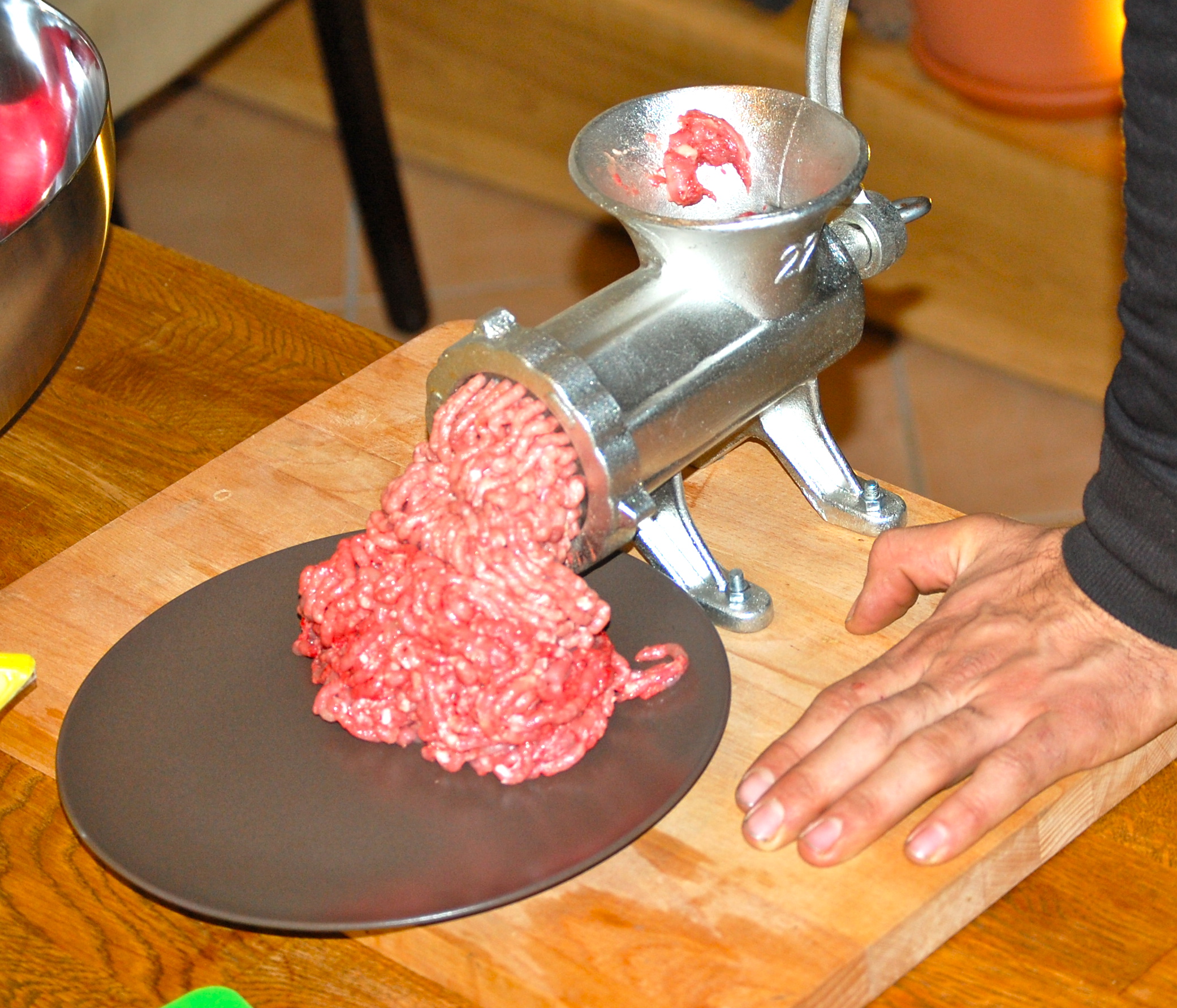
Grinding bones is a topic that sparks curiosity for many home cooks, pet owners, and even small-scale butchers. People often ask: Can you grind bones in a meat grinder? The answer depends on several factors, such as the type of grinder, the size and density of the bones, and the purpose of grinding. Whether you want to make homemade pet food, bone meal for gardening, or traditional recipes, understanding the process is essential. In this article, you’ll find practical advice, clear comparisons, and expert tips to help you decide if grinding bones at home is possible—and safe.
What Happens When You Grind Bones?
Grinding bones is not as simple as grinding meat. Bones are hard, dense, and can damage equipment if not handled correctly. Meat grinders use sharp blades and powerful motors to process food. When you put bones inside, the grinder must break them down into smaller pieces or powder.
This requires more force and a stronger build.
Soft bones, such as those from chicken or rabbit, are easier to grind. Hard bones, like beef or pork, are much tougher. Attempting to grind hard bones in a regular home grinder can lead to broken blades, jammed motors, or even injuries.
Knowing how grinders work helps you choose the right equipment and avoid mistakes.
Which Meat Grinders Can Grind Bones?
Not all meat grinders are equal. Some are designed for home use, while others are built for commercial kitchens or butcher shops. Here’s a comparison of common grinder types and their ability to handle bones:
| Grinder Type | Can Grind Bones? | Bone Size & Type | Typical Use |
|---|---|---|---|
| Manual Meat Grinders | No (usually) | None or very soft, tiny bones | Small batches, home kitchens |
| Electric Home Grinders | Yes (soft bones only) | Chicken, fish, rabbit bones | Pet food, small recipes |
| Commercial Electric Grinders | Yes (some hard bones) | Large chicken bones, some pork | Butcher shops, restaurants |
| Heavy-Duty Bone Grinders | Yes (most bones) | Beef, pork, lamb, poultry | Rendering plants, bulk processing |
Important Features For Bone Grinding
- Motor Power: Look for grinders with at least 1,000 watts or more. Weak motors struggle with bones.
- Blade Quality: Stainless steel blades stay sharp and resist damage.
- Sturdy Build: Cast iron or heavy-duty plastic can handle stress better.
- Feed Tube Size: Larger feed tubes allow bigger bone pieces.
Grinders made for bone processing may cost more, but they last longer and are safer.
Which Bones Are Safe To Grind?
Not all bones are suitable for grinding. The type of bone affects both your grinder and the end result.
Soft Bones
- Chicken (neck, wings, backs)
- Rabbit
- Fish
Soft bones are thin and easy to break. Electric home grinders can usually handle these.
Hard Bones
- Beef
- Pork
- Lamb
Hard bones are thick and dense. Only commercial or heavy-duty grinders can process them without risk.
Bone Size
- Pieces should be 2 inches or less for home grinders.
- Large bones must be chopped or cracked before grinding.
If you try to grind hard or large bones in a weak grinder, you might break the machine, dull the blades, or create unsafe fragments.
Why Grind Bones?
Grinding bones is not only about food—it has practical uses in several areas.
Homemade Pet Food
Many dog and cat owners want to feed their pets a raw diet. Ground bones provide calcium and nutrients. Chicken bones are popular because they are soft and safe for most pets.
Bone Meal For Gardening
Bone meal is a natural fertilizer. It adds phosphorus and calcium to soil, helping plants grow. Ground bones are used by gardeners who want an organic option.
Culinary Uses
Some traditional recipes call for ground bones—such as Asian soups or sausages. Ground fish bones can be found in Japanese cuisine, and chicken bones are used in some African dishes.
Non-obvious Insight: Bone Texture Matters
Many beginners ignore the texture of ground bones. Fine powder is safe for pets and gardening. Chunky bone pieces can cause choking or damage plant roots. Adjusting grinder settings changes the texture.
How To Grind Bones In A Meat Grinder
Grinding bones requires careful preparation. Follow these steps for safe, effective results.
- Choose the Right Grinder: Use an electric grinder rated for bone processing. Avoid manual grinders for anything but tiny, soft bones.
- Prepare Bones: Remove meat, fat, and tendons. Cut bones into small pieces (2 inches or less).
- Chill Bones: Cold bones are easier to grind and less sticky.
- Feed Slowly: Insert bones one at a time. Don’t force them.
- Clean Grinder: After grinding, disassemble and wash all parts. Bone fragments can clog or damage the grinder.
Example: Grinding Chicken Bones For Pet Food
Suppose you want to make homemade dog food. Choose an electric grinder with 1,200 watts. Cut chicken backs into 2-inch pieces, chill them in the freezer for 30 minutes, then grind slowly. Collect the ground bones, mix with meat and vegetables, and store safely.
Common Mistakes
- Grinding bones that are too big or hard
- Overloading the grinder
- Ignoring cleaning after use
These mistakes can cause equipment failure or contamination.
Safety Tips For Grinding Bones
Safety is essential when grinding bones. Follow these guidelines to protect yourself and your equipment.
- Wear gloves: Bones can be sharp and slippery.
- Use eye protection: Bone fragments may fly out.
- Check grinder rating: Only use grinders designed for bones.
- Never force bones: If the grinder jams, turn it off and clear the blockage.
- Keep children away: Grinding bones is not a safe activity for kids.
Non-obvious Insight: Grinder Overheating
Many new users overlook motor overheating. Grinding bones creates resistance, which can heat up the motor. Allow the grinder to cool every 5–10 minutes during heavy use.
Comparing Meat Grinders For Bone Processing
Let’s compare three popular electric grinders for bone grinding:
| Model | Motor Power | Blade Material | Bone Grinding Ability | Price (USD) |
|---|---|---|---|---|
| STX Turboforce II | 2,000 watts | Stainless steel | Soft bones (chicken, rabbit) | $170 |
| LEM Big Bite #12 | 1,100 watts | Stainless steel | Soft & some hard bones | $500 |
| Weston Pro Series | 1,500 watts | Stainless steel | Soft & hard bones | $600 |
The Weston Pro Series can handle larger bones but costs more. The STX Turboforce II is affordable for home use but limited to soft bones. The LEM Big Bite #12 offers a balance.
Can You Grind Bones In Manual Meat Grinders?
Manual meat grinders use hand power. They are simple, cheap, and easy to clean. However, their ability to grind bones is limited.
- Soft, tiny bones (like fish bones) may be possible, but it’s hard work.
- Chicken bones are usually too tough for manual grinders.
- Hard bones (beef, pork) are impossible to grind manually.
If you try, you risk damaging the grinder or hurting yourself. Manual grinders are best for meat, not bones.

Caring For Your Meat Grinder After Bone Grinding
Bone residue is harder to clean than meat. Proper care extends the life of your grinder.
- Disassemble immediately: Remove blades, plates, and feed tube.
- Soak parts: Use warm, soapy water to loosen residue.
- Scrub thoroughly: Use brushes to clean tiny holes.
- Dry completely: Prevents rust and corrosion.
- Lubricate moving parts: Light food-safe oil keeps the grinder running smoothly.
Common Cleaning Mistake
Many users forget to clean the feed tube. Bone fragments stuck inside can attract bacteria and cause jams next time.
Grinding Bones For Pet Food: Practical Advice
Home pet food makers want to provide safe, nutritious meals. Grinding bones adds calcium and minerals. Here are practical tips:
- Choose soft bones: Chicken necks, backs, and wings are best.
- Mix with meat: Ground bones are safer when blended with meat.
- Avoid cooked bones: Cooking makes bones brittle and dangerous.
- Don’t overfeed: Too much bone can cause constipation in pets.
Data: Calcium Content In Ground Bones
| Bone Type | Calcium (mg per 100g) | Other Minerals |
|---|---|---|
| Chicken | 1,100 | Phosphorus, magnesium |
| Rabbit | 850 | Phosphorus |
| Beef | 1,300 | Iron, zinc |
Pets need balanced diets. Consult a vet before making major changes.
Grinding Bones For Gardening
Gardeners use ground bones as organic fertilizer. Bone meal improves soil health and plant growth.
- Use fine ground bones: Powder mixes better with soil.
- Avoid fatty bones: Fat slows decomposition and attracts pests.
- Sterilize bones: Heat before grinding to kill bacteria.
Example: Making Bone Meal
Collect chicken bones, remove meat, and bake at 350°F for 1 hour. Let cool, then grind in a heavy-duty grinder. Spread powder in garden beds for tomatoes, peppers, and roses.
Environmental And Health Considerations
Grinding bones has both environmental and health impacts.
- Waste reduction: Using bones prevents landfill waste.
- Food safety: Clean grinders and sterilized bones reduce risk of bacteria.
- Noise and odor: Bone grinding can be loud and produce strong smells. Ventilate your workspace.
Non-obvious Insight: Lead And Heavy Metals
Some bones, especially from older animals, may contain lead or heavy metals. Always source bones from reputable suppliers and avoid grinding bones from unknown sources.

Alternatives To Grinding Bones
If grinding bones is not possible, consider other options:
- Buy bone meal: Available at gardening stores.
- Purchase ground bones: Some pet food shops sell pre-ground bone.
- Use bone broth: Simmer bones to extract nutrients without grinding.
These alternatives are easier but may cost more.
Frequently Asked Questions
Can All Meat Grinders Grind Bones?
No, only grinders with strong motors and sharp blades can grind soft bones. Most home grinders cannot process hard bones like beef or pork. Always check the manufacturer’s guidelines.
Is It Safe To Feed Pets Ground Bones?
Yes, if you use soft, raw bones and grind them finely. Avoid cooked bones, as they can splinter and cause injury. Consult your veterinarian before changing your pet’s diet.
What Should I Do If My Grinder Jams While Grinding Bones?
Turn off the grinder immediately. Unplug it, disassemble, and clear any blockages. Do not force bones through a jammed grinder; this can damage the machine and cause injury.
How Often Should I Clean My Grinder After Grinding Bones?
Clean your grinder thoroughly after every use. Bone fragments can attract bacteria and cause corrosion. Disassemble all parts, soak, scrub, and dry them well.
Where Can I Find More Information About Bone Grinding Safety?
For detailed safety guidelines and recommendations, visit the WikiHow Bone Grinding Guide. This resource covers equipment, safety, and practical tips.
Grinding bones in a meat grinder is possible, but not always easy. With the right equipment and careful preparation, you can safely process soft bones for pet food, gardening, or cooking. Remember to choose the right grinder, follow safety steps, and clean your machine well.
If you’re unsure, seek expert advice or use alternatives. Grinding bones opens new possibilities—but always respect the limits of your equipment and your own safety.