

Italian pasta has captured hearts across the world, and among its many shapes, Gigli pasta stands out. With its pretty, flower-like design and delicate curves, Gigli is often served at special events or as part of gourmet dishes. But have you ever wondered what goes into making this unique pasta? Is it made from the same wheat as other Italian pasta, or is there something special about Gigli’s ingredients? Let’s explore the world of Gigli pasta and find out if it is made with durum wheat, why that matters, and how it compares to other pasta varieties.
What Is Gigli Pasta?
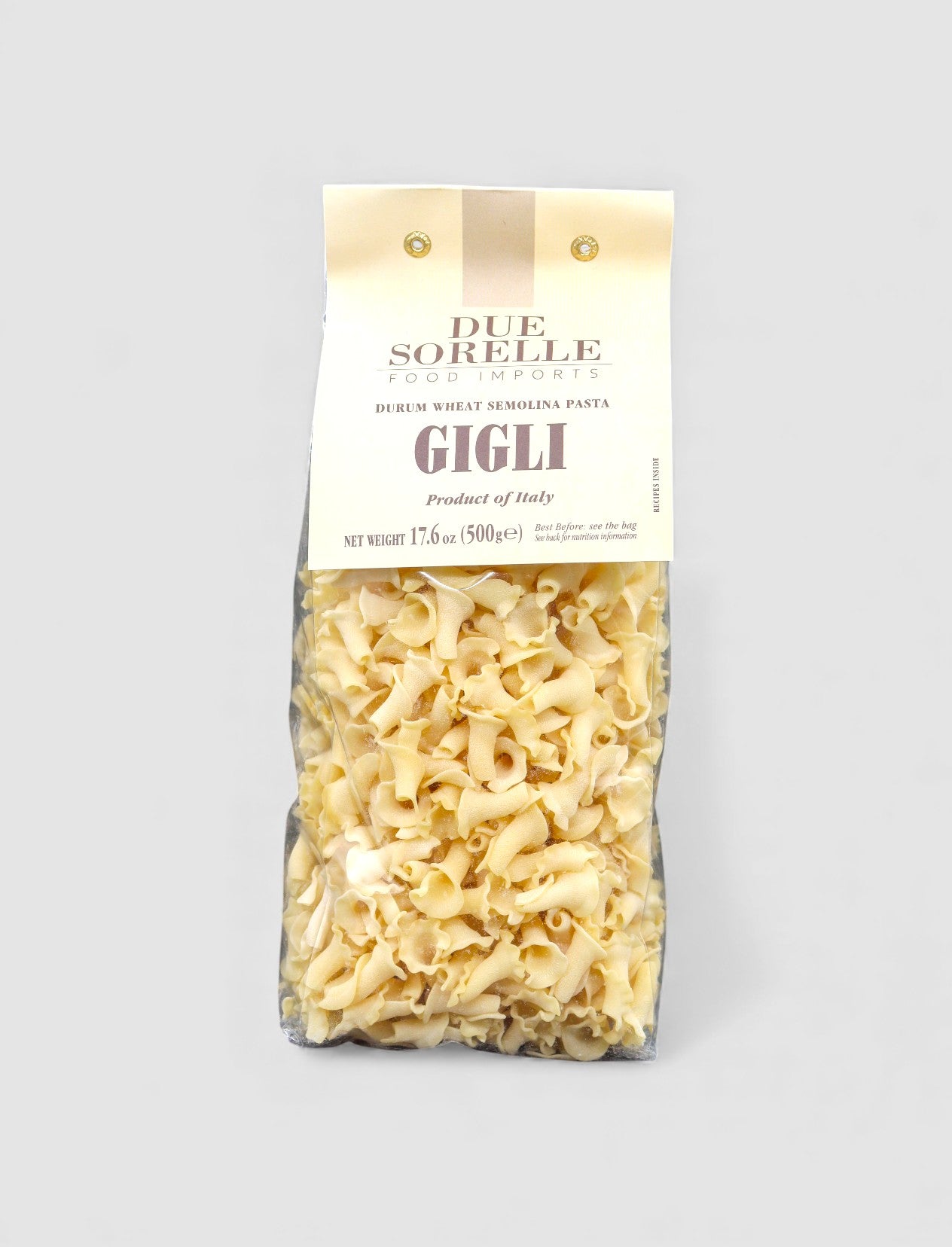
Gigli, sometimes called campanelle pasta, looks like a small bell or flower with ruffled edges. The name “Gigli” means “lily” in Italian, which matches its elegant shape. This pasta is especially popular in Tuscany but can be found in specialty stores and Italian restaurants worldwide. Gigli’s shape is perfect for holding sauces, making it a favorite for creamy or chunky recipes.
While many people admire Gigli for its appearance, the real magic comes from its texture and taste. That’s where the choice of wheat becomes very important.
Durum Wheat: The Backbone Of Italian Pasta
Italian pasta is famous for its firm texture and golden color. The secret ingredient behind most traditional pasta is durum wheat. Durum wheat, or Triticum durum, is a hard wheat variety that is high in protein and gluten. This gives pasta its classic bite and helps it keep its shape when cooked.
Here are a few facts about durum wheat:
- Durum wheat is mainly grown in Italy, North America, and North Africa.
- It is used for making semolina flour, which is coarser and more yellow than regular wheat flour.
- Durum wheat pasta has a protein content between 12–15%, higher than bread wheat.
- It creates pasta with a firm, chewy texture and a rich, nutty flavor.
Most Italian pasta recipes, especially those labeled “artisan” or “traditional,” use durum wheat for the dough. This includes shapes like spaghetti, penne, fusilli, and Gigli.
Is Gigli Pasta Made With Durum Wheat?
The short answer: Yes, Italian Gigli pasta is most often made with durum wheat. In fact, Italian food laws require pasta labeled as “pasta di semola di grano duro” (semolina pasta) to be made from durum wheat semolina. This law applies to dried pasta, which includes most Gigli sold in stores.
Why Is Durum Wheat Chosen?
- Better texture: Durum wheat makes pasta firm and less sticky.
- Holds shape: Gigli’s ruffled edges stay intact during boiling.
- Flavor: The wheat adds a mild, earthy taste that pairs well with sauces.
Some fresh pasta, especially homemade, may use softer wheat flours, but the standard for commercial Italian Gigli is durum wheat.
Comparison Of Wheat Types Used In Pasta
Here’s a clear comparison of wheat types used for pasta:
| Wheat Type | Protein Content | Texture in Pasta | Common Uses |
|---|---|---|---|
| Durum Wheat | 12–15% | Firm, chewy | Dried pasta (Gigli, penne, spaghetti) |
| Soft Wheat | 8–11% | Softer, tender | Fresh pasta (ravioli, tagliatelle) |
| Whole Wheat | 11–14% | Dense, nutty | Health-focused pasta |
As you can see, durum wheat is the top choice for dried pasta shapes like Gigli.
The Pasta-making Process: Why Durum Wheat Matters
The pasta-making process starts with semolina flour from durum wheat. Water is mixed in to create a stiff dough. This dough is then shaped into Gigli using molds or machines. The pasta is dried slowly to keep its texture and flavor.
Here’s why durum wheat is ideal:
- High gluten content: Gluten helps the dough stretch and hold together, creating strong pasta.
- Yellow color: Durum wheat gives pasta its classic golden shade.
- Firmness after cooking: Pasta made with durum wheat stays al dente (firm to the bite), which Italians love.
If softer wheat is used instead, the pasta may turn mushy or break apart during cooking. Gigli’s shape especially benefits from durum wheat’s strength.
Step-by-step: How Gigli Pasta Is Made
- Mixing semolina and water: Only two ingredients are needed—semolina flour and water.
- Kneading the dough: The mixture is kneaded until smooth and elastic.
- Shaping: Gigli is formed using special molds or by hand.
- Drying: The pasta is dried at low temperatures for several hours.
- Packaging: Once dry, Gigli is packed and ready for sale.
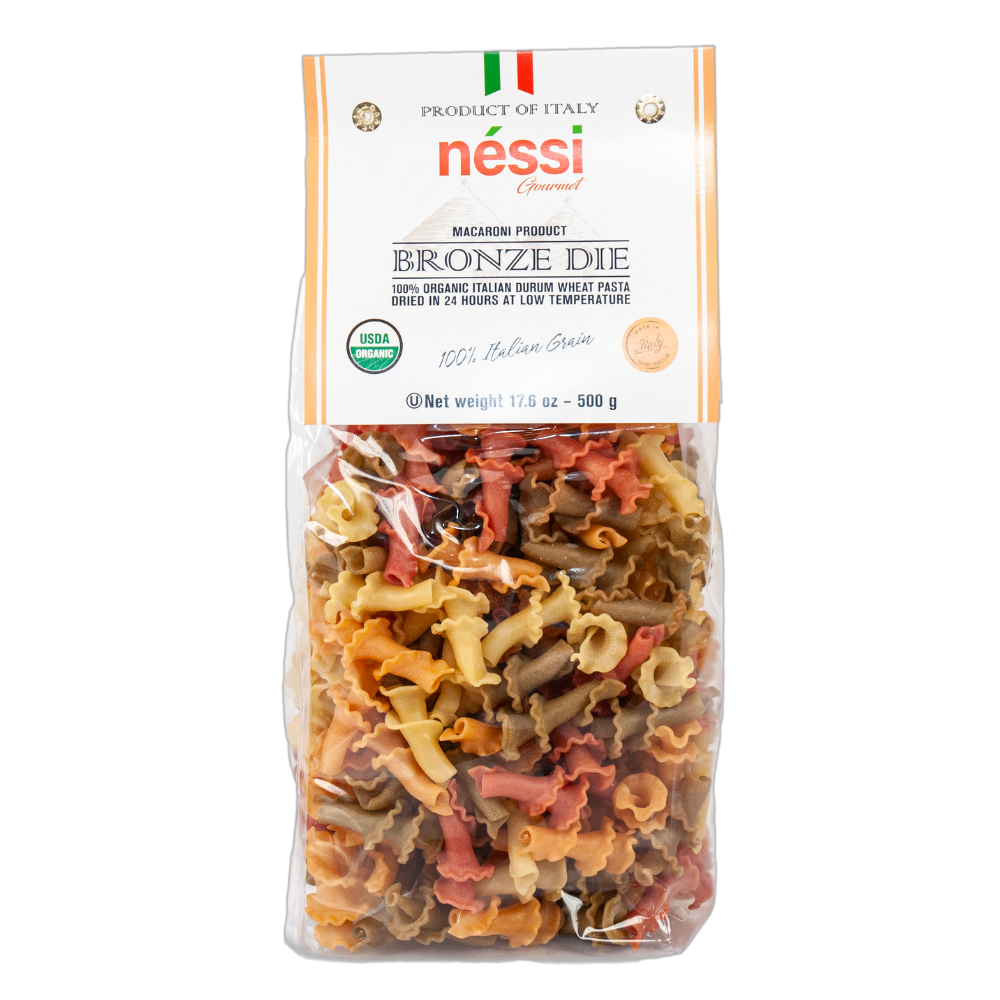
This process keeps the pasta’s shape and texture intact. Some artisan pasta makers use bronze dies to shape Gigli, which creates a rough surface that holds sauce better.
How Gigli Pasta Compares To Other Pasta Shapes
Gigli pasta has some unique qualities compared to other pasta shapes. Here’s a quick look at how it stacks up:
| Pasta Shape | Main Ingredient | Texture | Best Sauces |
|---|---|---|---|
| Gigli | Durum wheat semolina | Firm, ruffled | Creamy, chunky |
| Spaghetti | Durum wheat semolina | Firm, smooth | Tomato, olive oil |
| Farfalle | Durum wheat semolina | Firm, bow-tie | Pesto, light cream |
| Ravioli | Soft wheat flour | Tender, filled | Butter, sage |
Gigli’s ruffled edges and hollow center make it perfect for capturing sauce. Durum wheat ensures it won’t lose its shape or texture during boiling.
Non-obvious Insights: What Beginners Miss About Gigli Pasta
Many new cooks think all pasta is made the same way, but here are some facts you might not know:
- Regional differences: In Tuscany, Gigli is sometimes made with eggs and soft wheat for fresh pasta, but the dried Gigli sold worldwide uses durum wheat.
- Bronze vs. Teflon dies: Gigli made with bronze dies has a rougher surface, which holds sauce much better than pasta made with Teflon dies. This detail affects taste and mouthfeel.
These points can change how you choose and cook Gigli pasta. If you want the best texture and flavor, look for Gigli labeled “bronze-cut” and made from durum wheat semolina.
Nutritional Benefits Of Durum Wheat Gigli Pasta
Durum wheat gives pasta more than just texture—it also adds nutritional value. Here’s what you get in a typical serving of Gigli pasta (about 2 ounces, uncooked):
- Calories: 200–220
- Protein: 7–8 grams
- Fiber: 2–3 grams
- Fat: Less than 1 gram
Durum wheat is richer in protein and fiber than soft wheat. This makes Gigli pasta a satisfying and filling meal.
Comparing Durum Wheat And Whole Wheat Pasta
Some people wonder if whole wheat pasta is healthier. Here’s a quick comparison:
| Pasta Type | Protein (g) | Fiber (g) | Calories |
|---|---|---|---|
| Durum Wheat Gigli | 7–8 | 2–3 | 210 |
| Whole Wheat Pasta | 8–9 | 4–5 | 190 |
Whole wheat pasta has more fiber, but Gigli made from durum wheat offers a better texture and taste. For most Italian recipes, durum wheat pasta is the preferred choice.
Choosing High-quality Gigli Pasta
When shopping for Gigli pasta, pay attention to these details:
- Ingredients: Look for “durum wheat semolina” or “semola di grano duro” on the label.
- Bronze-cut: This creates a rough surface, better for sauce.
- Origin: Pasta made in Italy often follows stricter quality standards.
- Drying method: Slow drying at low temperatures keeps flavor and texture.
Common mistakes when buying:
- Choosing pasta with added fillers or artificial colors.
- Not checking if it’s made with durum wheat.
- Ignoring the drying method, which affects taste.
If you’re not sure, ask the store staff or check the packaging for these clues.

Cooking Tips For Gigli Pasta
Gigli pasta is easy to cook, but a few tips can help you get the best results:
- Use plenty of water: Gigli’s shape needs space to move and cook evenly.
- Stir gently: The ruffled edges can stick together.
- Cook to al dente: This keeps the pasta firm.
- Pair with thick sauces: Gigli holds chunky or creamy sauces very well.
If you want to try something new, Gigli works in baked dishes too. The flower shape adds a beautiful touch to casseroles.
The Legal Side: Italian Pasta Regulations
Italy has strict rules for pasta production. Dried pasta like Gigli must be made from durum wheat semolina. These laws protect the quality and tradition of Italian pasta. If you see pasta labeled “Italian dried pasta,” you can trust it’s made from durum wheat.
You can read more about Italy’s pasta laws on the official Wikipedia page on pasta.
Frequently Asked Questions
Is All Gigli Pasta Made With Durum Wheat?
Most commercial Gigli pasta is made from durum wheat semolina, especially if it is produced in Italy. Some fresh or homemade versions may use soft wheat flour, but dried Gigli in stores usually follows the traditional recipe.
Can I Use Gigli Pasta For Gluten-free Recipes?
Traditional Gigli pasta contains gluten because it is made from durum wheat. However, some brands offer gluten-free Gigli made from rice, corn, or legumes. Always check the packaging if you need gluten-free pasta.
How Is Gigli Pasta Different From Campanelle?
Gigli and campanelle pasta refer to the same shape. “Gigli” is the Italian name, while “campanelle” means “little bell.” Both are made from durum wheat semolina and have ruffled edges and a hollow center.
What Sauces Go Best With Gigli Pasta?
Gigli pasta works well with thick, creamy sauces like Alfredo, chunky tomato sauces, or rich meat ragu. The shape helps hold the sauce, making each bite flavorful.
Is Bronze-cut Gigli Pasta Better?
Bronze-cut Gigli has a rough surface that grabs sauce better than pasta made with smooth Teflon dies. It usually has a superior taste and mouthfeel. If you want the best experience, look for bronze-cut durum wheat Gigli.
Italian Gigli pasta is a true celebration of tradition, shape, and taste. Using durum wheat is not just about following rules—it’s the reason for Gigli’s firm texture and rich flavor. Next time you cook Gigli, you’ll know that its special qualities come from the wheat itself, and you’ll appreciate this classic pasta even more.

