

Longaniza is a flavorful, spiced sausage made in many regional styles across the Spanish-speaking world.
I have spent years researching, tasting, and cooking regional sausages, and longaniza is one I return to for its variety and depth of flavor. This guide explains what longaniza is, where it comes from, how it differs by region, how to cook and store it, and when to enjoy it. Read on for clear, practical advice and real-world tips from my own kitchen experience with longaniza.
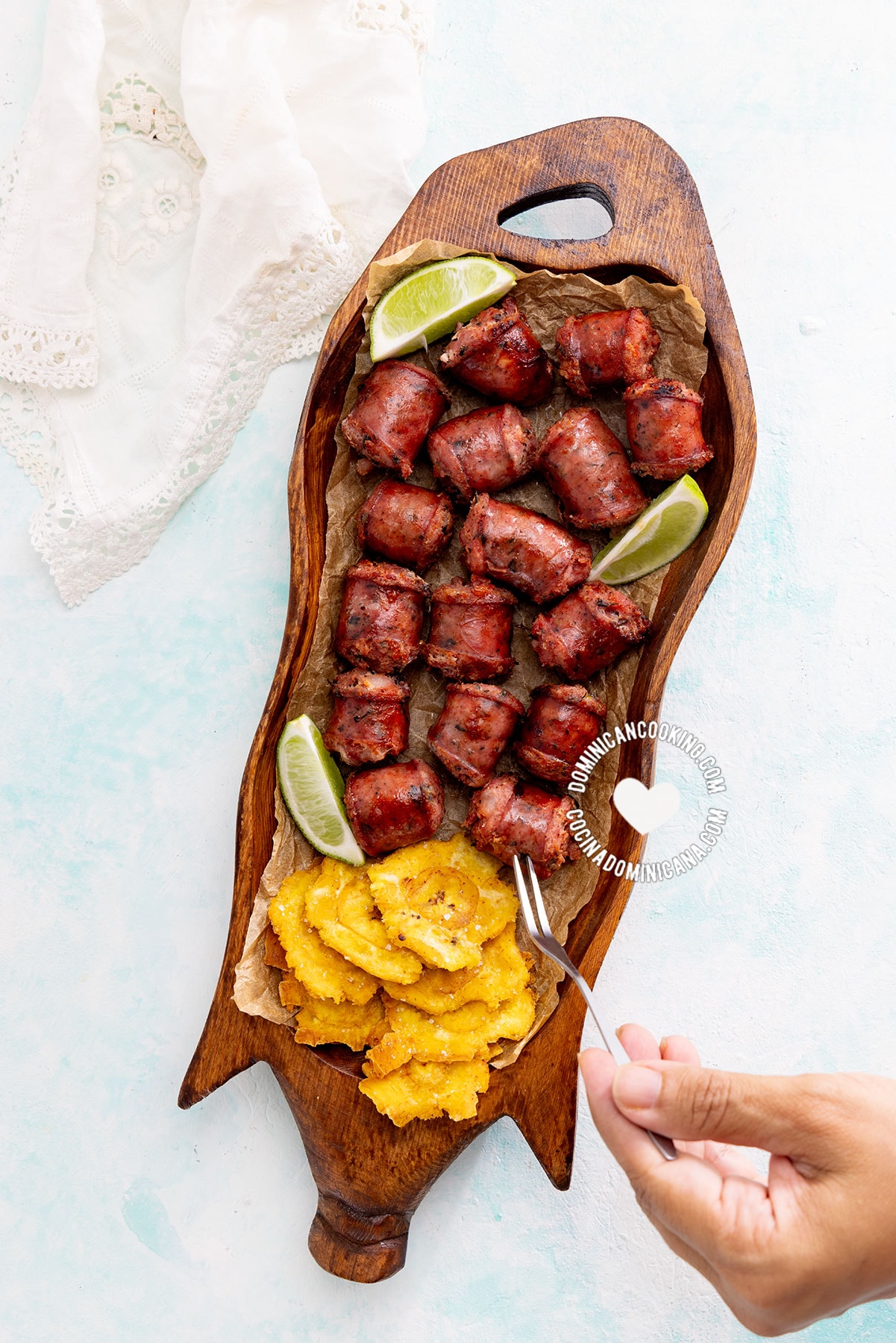
What is longaniza? Definition and origins
Longaniza is a type of cured or fresh sausage made from ground pork or other meats. It is seasoned with spices, herbs, and sometimes vinegar or wine. Longaniza traces back to Iberian sausage traditions. Spanish settlers and local ingredients created many regional longaniza styles across Latin America and the Philippines. The word itself is related to the Spanish word "longaniza" used for similar sausages in Spain.
Longaniza can be fresh, smoked, or cured. Fresh longaniza is often cooked right away. Cured or smoked longaniza can be sliced like salami or cooked like other cured meats. The difference in spice blends and preparation is what makes longaniza so diverse and interesting.

Regional varieties and how they differ
- Spain: Longaniza in Spain is often similar to chorizo but can be longer and coarser, flavored with paprika.
- Mexico: Mexican longaniza is usually fresh, spicy, and seasoned with local chiles and vinegar.
- Philippines: Filipino longaniza (longganisa) comes in sweet and garlicky versions, often sold as breakfast sausage.
- Dominican Republic and Puerto Rico: Caribbean longaniza tends to be garlicky, tangy, and often smoked.
- Argentina and Chile: These versions can be mild and smoky, sometimes served grilled at asado.
- Central America: Variations include regional pepper blends and local curing methods.
Each region uses local spices and techniques. That creates distinct textures and flavors. Tasting different longaniza types side by side is a great way to learn the range.
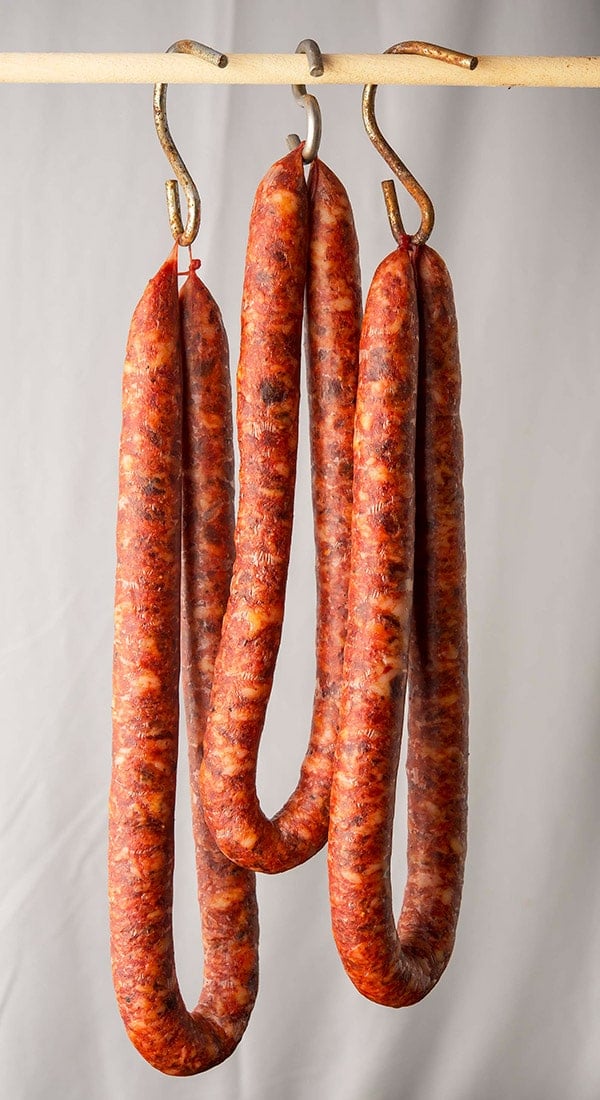
Typical ingredients and how longaniza is made
Longaniza ingredients vary, but common items include:
- Ground pork or a pork-beef blend
- Salt and black pepper
- Paprika or smoked paprika for color and depth
- Garlic and onion for aromatics
- Vinegar, wine, or citrus for tang in some recipes
- Casing made from natural intestine or synthetic casings
Basic steps in making longaniza:
- Mix ground meat with spices and seasonings until well combined.
- Rest the mixture to let flavors meld, often refrigerated for several hours.
- Stuff the seasoned meat into casings and tie into links.
- For fresh longaniza, cook soon after. For cured/smoked versions, hang and cure or smoke according to the recipe.
Small changes in spice ratios, resting time, or smoking add unique regional character. Home cooks can adjust heat and garlic levels to taste.
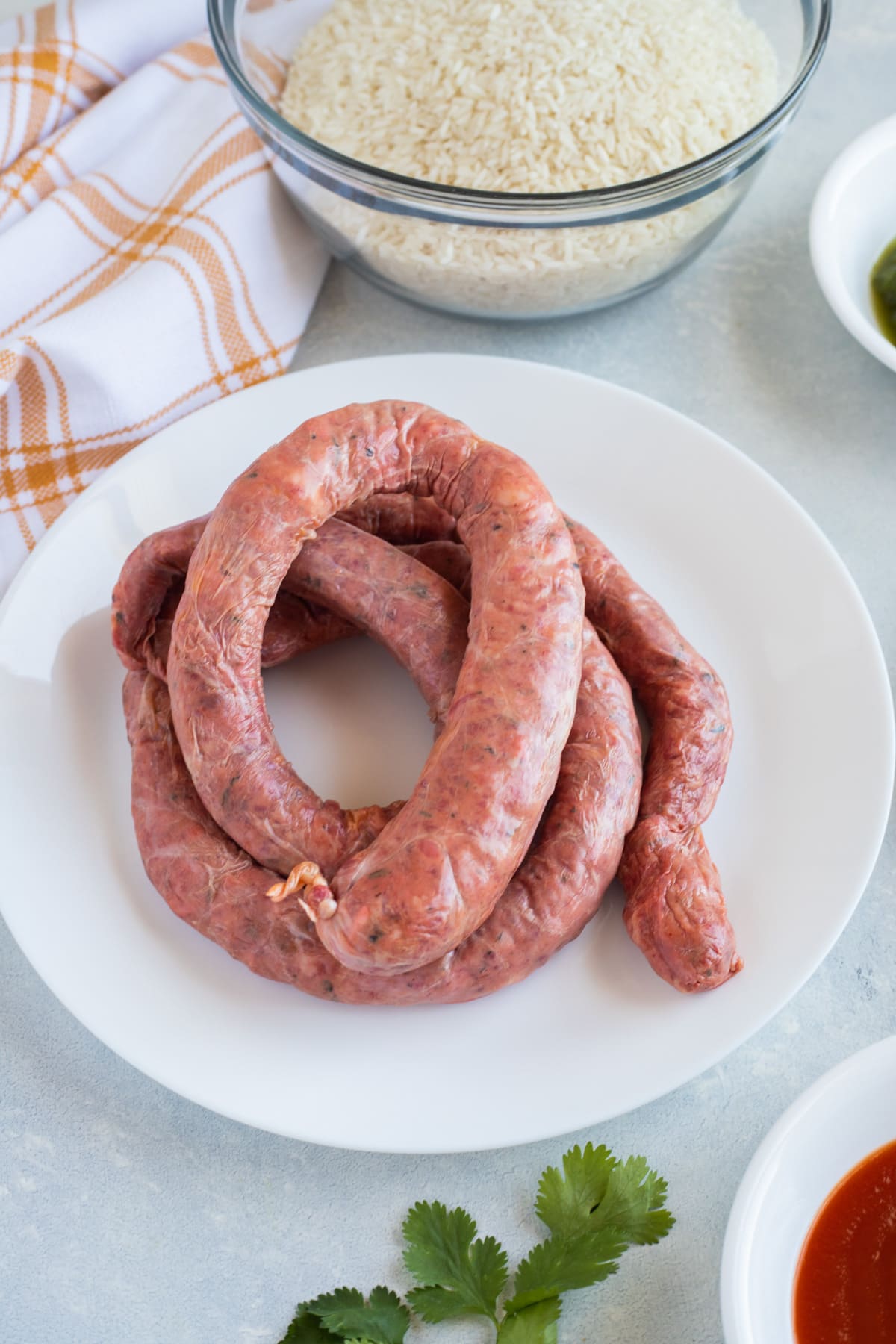
How to cook and serve longaniza
Longaniza is versatile and easy to cook. Try these methods:
- Pan-fry: Cook fresh longaniza over medium heat until browned and cooked through. Slice and serve with eggs or rice.
- Grill: Skewer or place on the grill for a smoky flavor and crispy skin. Great for sandwiches or as part of a mixed grill.
- Simmer and shred: Simmer in a sauce, then shred meat to use in tacos, empanadas, or stews.
- Bake: Bake whole links in a tray with vegetables for an easy sheet-pan meal.
- Slice cured longaniza: Serve thinly sliced on a charcuterie board with cheese and pickles.
Serving ideas include tacos, breakfast plates, rice bowls, sandwiches, and tapas. Pair longaniza with acidic sides like pickles or citrus to balance the fat.
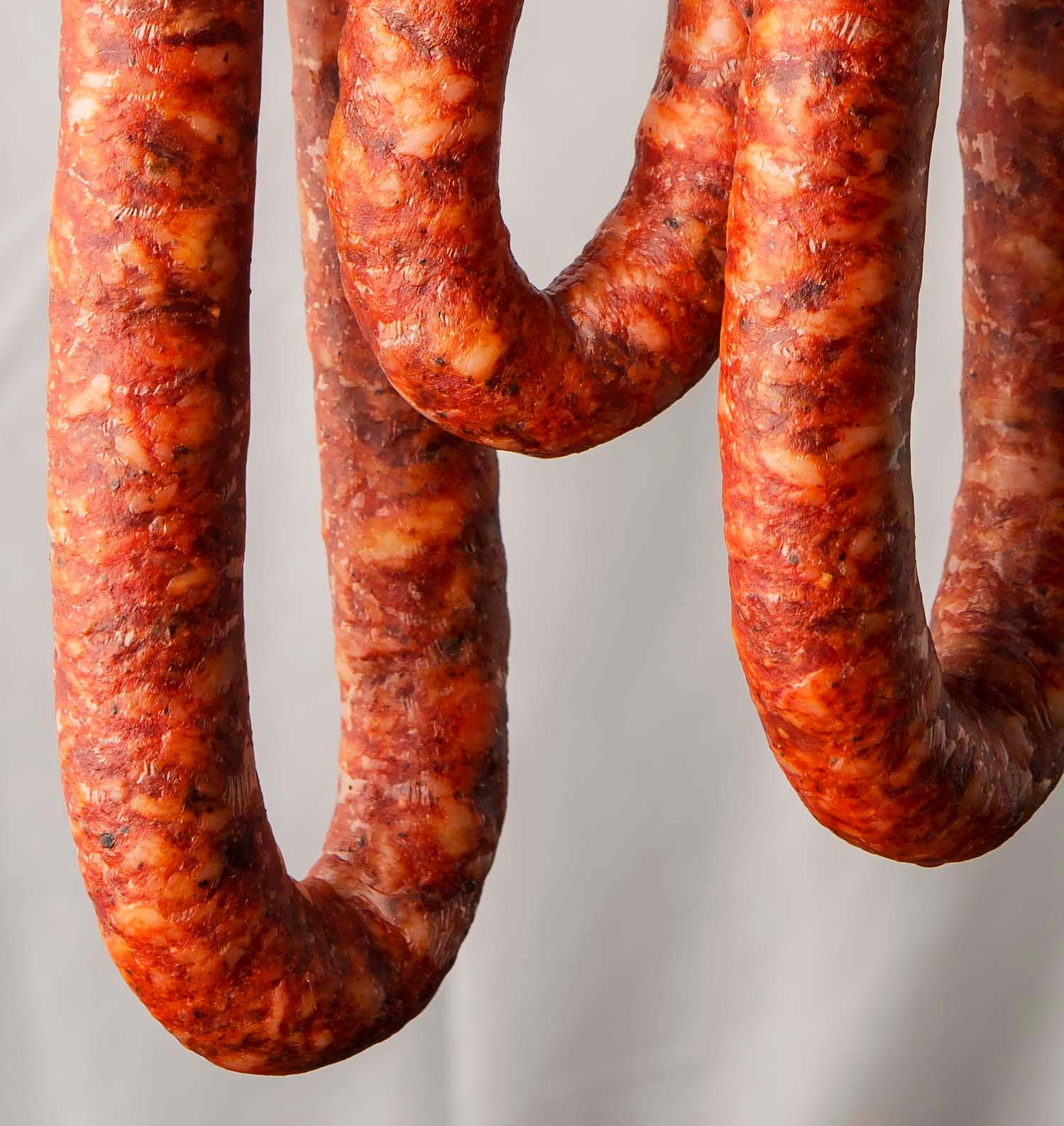
Nutrition, benefits, and potential risks
Longaniza provides protein and rich flavor but also has nutritional considerations. It typically contains high levels of fat and sodium. Some varieties include preservatives such as nitrates, especially in cured or smoked types. People who watch sodium, fat, or preservative intake should enjoy longaniza in moderation.
Benefits of longaniza include high protein content and a satisfying flavor profile that can make simple meals feel special. To reduce health risks, choose leaner blends, cook off excess fat, and pair longaniza with vegetables and whole grains. Pregnant people and those with certain health conditions should consult dietary guidance for cured meats.
Buying, storing, and food safety
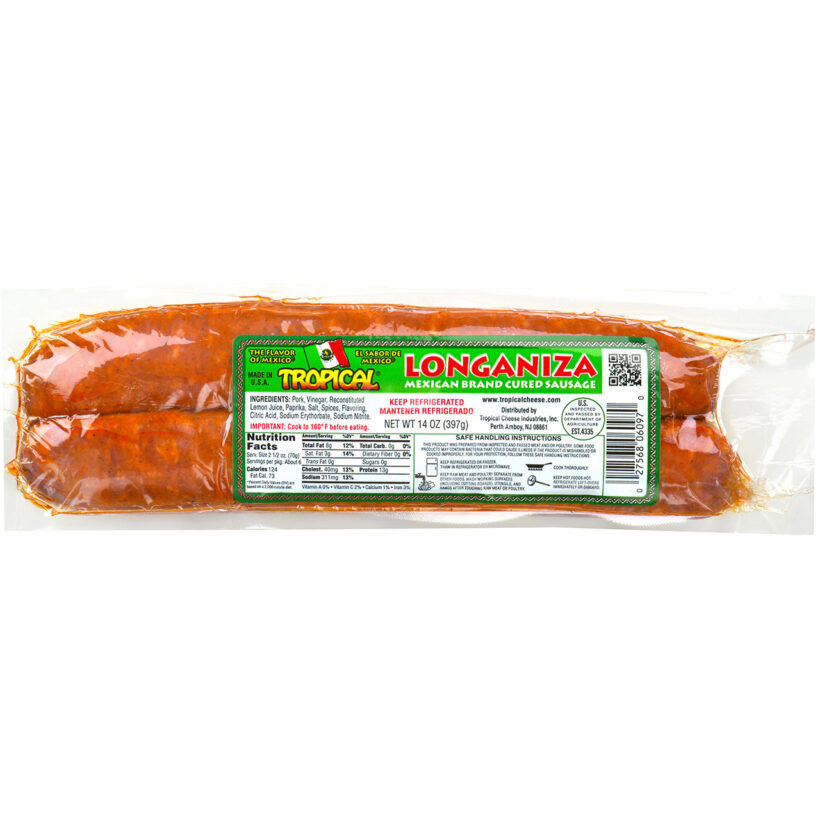
When buying longaniza, look for fresh color, firm texture, and clean packaging. For fresh longaniza, buy from reputable butchers or brands. For cured or smoked longaniza, check the ingredient list and storage instructions.
Storage tips:
- Refrigerate fresh longaniza and use within 1 to 3 days, or freeze for longer storage.
- Keep cured or smoked longaniza wrapped and stored in the fridge; follow the label for shelf life.
- Thaw frozen longaniza in the fridge overnight, not at room temperature, to reduce bacterial risk.
Cook longaniza to an internal temperature recommended for ground pork or mixed meats. When in doubt, use a thermometer to ensure safety.

My personal experience, lessons, and practical tips
I learned early that spice balance matters more than novelty. Too much paprika or vinegar can mask the meat. I recommend small test batches if you make longaniza at home. Use a simple blend of garlic, salt, paprika, and a touch of vinegar for a reliable base.
Mistakes I made include overstuffing casings and not resting the meat long enough. Resting the mix for several hours deepens flavor. If you are new to longaniza, start with fresh links and pan-fry them to learn the seasoning profile before curing or smoking.
For serving, I like pairing longaniza with fresh citrus, grilled peppers, and warm tortillas. These combinations highlight the sausage without overpowering it.
Frequently Asked Questions of What is Longaniza?
What is the difference between longaniza and chorizo?
Longaniza and chorizo both are spicy sausages, but longaniza varies more by region in seasoning and texture. Chorizo often uses smoked paprika and has a consistent Spanish style, while longaniza can be sweet, tangy, or highly spiced depending on where it is made.
Is longaniza safe to eat raw?
No, fresh longaniza should not be eaten raw; cook it fully until the internal temperature is safe. Cured or smoked longaniza that is labeled ready-to-eat can be sliced and served without cooking.
How should I store longaniza in the freezer?
Wrap longaniza tightly in plastic and place it in an airtight bag before freezing. Thaw in the refrigerator overnight before cooking for best quality and safety.
Can I substitute longaniza for chorizo in recipes?
Yes, you can substitute longaniza for chorizo, but flavor and texture will vary. Adjust spices and heat to match the intended taste of the dish.
How long does homemade longaniza last in the fridge?
Homemade fresh longaniza lasts about 1 to 3 days in the fridge when stored properly. If you cure or smoke it, follow your recipe guidelines and use proper curing techniques for longer storage.
Conclusion
Longaniza is a diverse, flavorful sausage with deep cultural roots and many regional forms. You can enjoy it grilled, fried, or sliced, and it fits breakfasts, tacos, and festive meals. Try a few regional styles to find your favorite, and experiment with homemade blends to control heat and salt. If you liked this guide, leave a comment with your favorite longaniza style, subscribe for more sausage and cooking guides, or try making a small test batch at home to learn what works for you.

