

The self-cleaning oven uses very high heat to turn grease and food into ash for easy cleanup.
I have worked with home appliances and tested ovens for years. This article answers What does the self-cleaning oven feature do? and explains how it works, when to use it, safety steps, common problems, and smart tips from real-life use. Read on to learn exactly how to get a cleaner oven with less elbow grease.
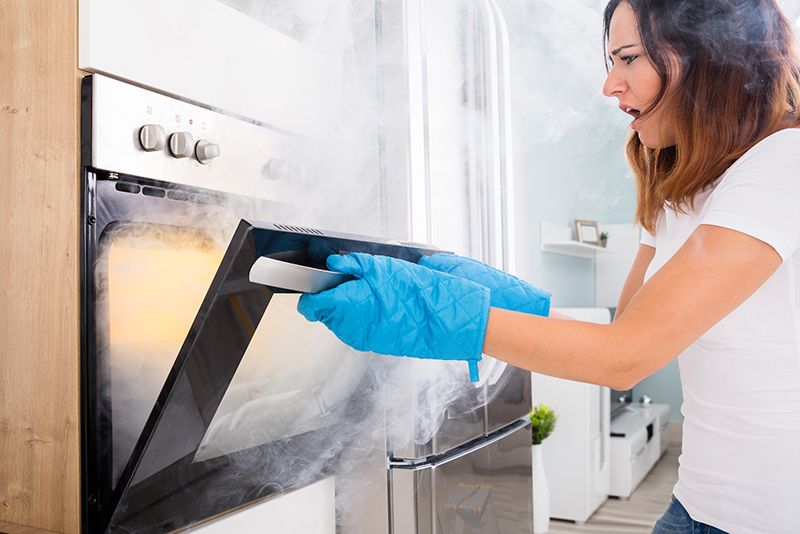
How the self-cleaning oven feature works
What does the self-cleaning oven feature do? It uses heat or chemistry to remove baked-on food and grease.
There are three main methods. Pyrolytic cleaning heats the oven to about 800 to 900°F to burn residue to ash. Catalytic liners use special coatings that absorb and break down grime at normal cooking temperatures. Steam or vapor cleaning uses water and lower heat to loosen soft spills.
Each method changes how you prepare the oven and what you remove before cleaning. Pyrolytic is the most aggressive and effective. Catalytic and steam options are gentler and use less energy.
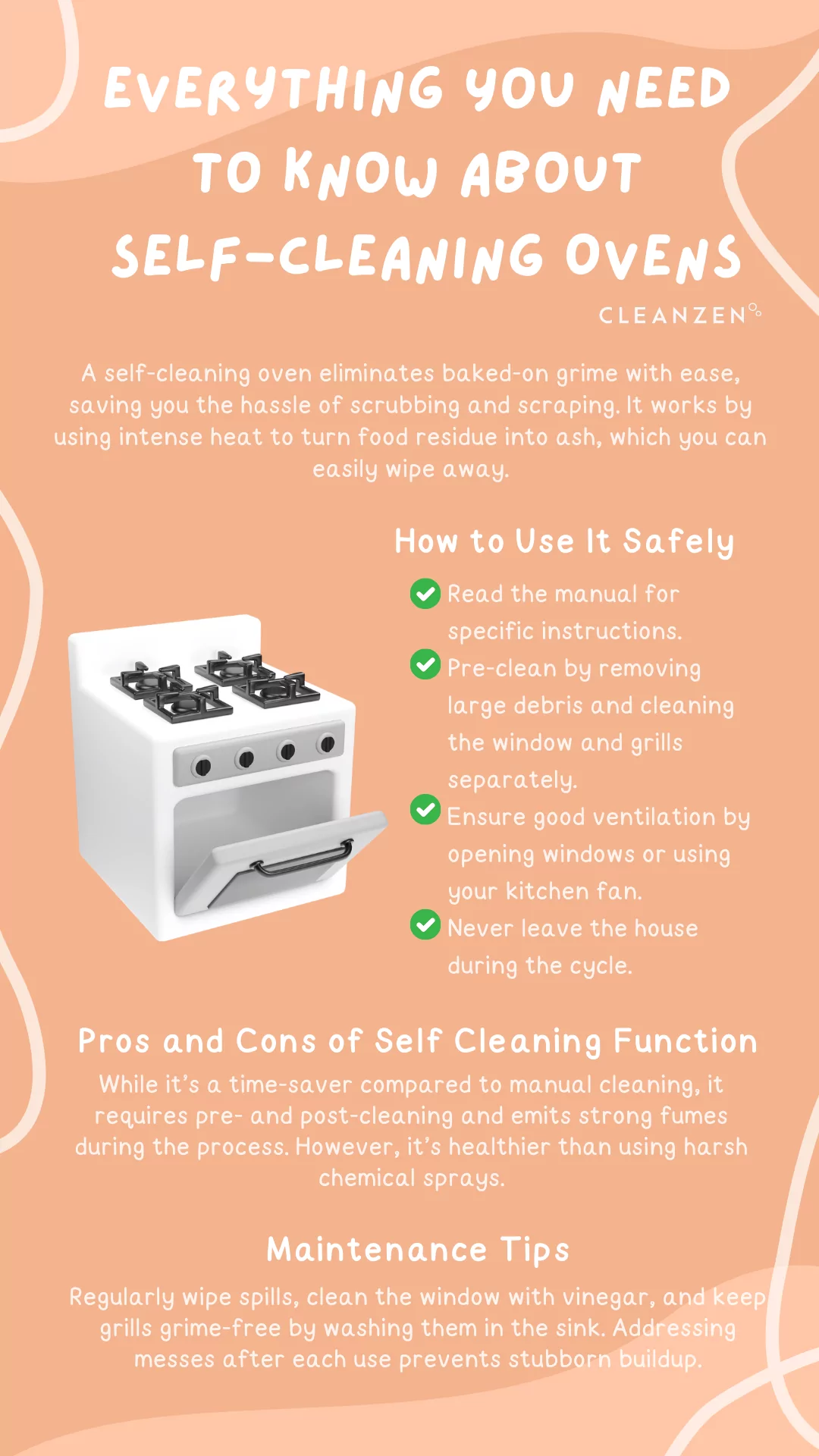
Types of self-cleaning ovens and how they differ
What does the self-cleaning oven feature do? The answer depends on the method built into your oven.
Pyrolytic
- Heats to very high temperatures to incinerate residue into ash.
- Works best for thick, stuck-on grime.
- Requires removal of racks unless manufacturer says otherwise.
Catalytic
- Uses liners coated with a porous material that absorbs grease.
- Works during normal cooking and slowly self-cleans over time.
- Often needs light scrubbing for heavy spots.
Steam or steam-assist
- Uses water and low heat to soften spills.
- Good for light soil and quick maintenance.
- Not as effective for baked-on grease.
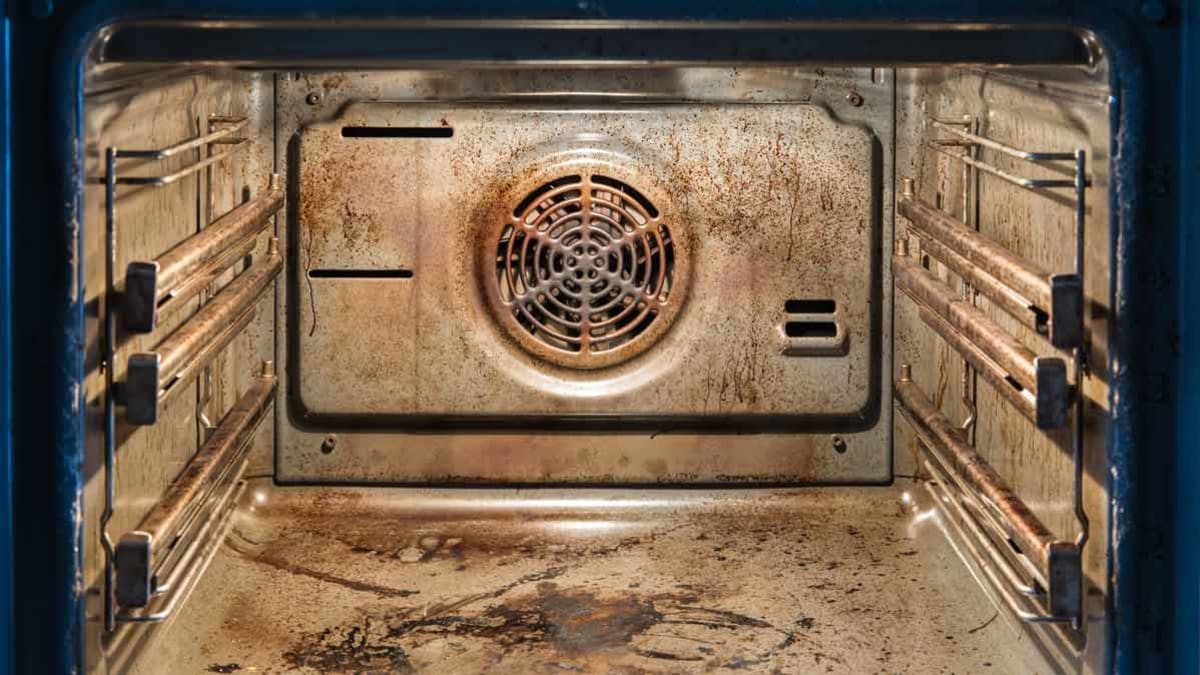
Benefits of using the self-cleaning oven feature
What does the self-cleaning oven feature do? It saves time and reduces the need for harsh cleaners.
- Saves effort: Heat or steam does the heavy work for you. Ash or loosened residue wipes away quickly.
- Reduces chemicals: You avoid strong oven cleaners or scrubbing pads.
- Preserves finish: Proper use prevents abrasive cleaning that can damage surfaces.
- Hygiene: High heat can kill bacteria and reduce odors.
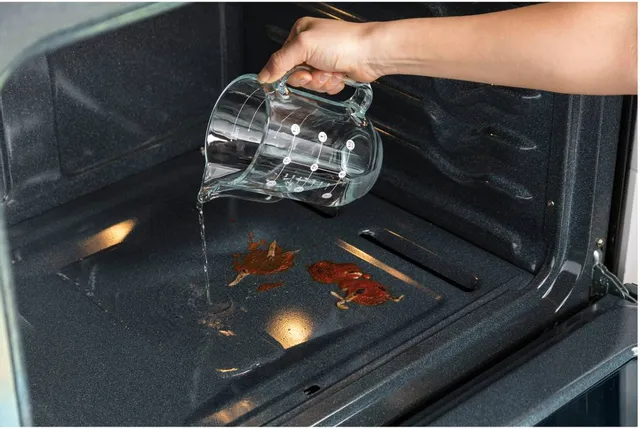
When not to use it and safety precautions
What does the self-cleaning oven feature do? It can produce smoke, fumes, and extreme heat, so use care.
- Remove loose food and large spills before running a self-clean cycle.
- Take out racks unless the manual says they are safe inside during cleaning.
- Keep children and pets away; high heat can affect nearby surfaces and release odors.
- Ventilate the kitchen well to reduce smoke or fumes.
- Avoid use if you have respiratory issues or are sensitive to smoke.
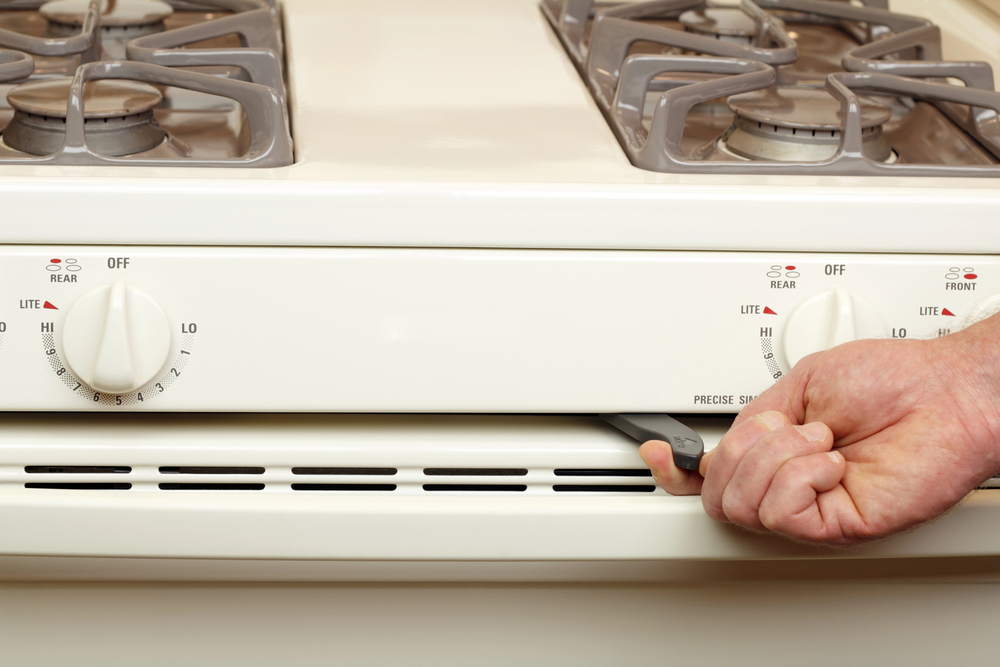
Step-by-step: Using the self-cleaning oven feature safely
What does the self-cleaning oven feature do? Follow these steps to use it safely and effectively.
- Clear the oven of pans, foil, and large debris.
- Wipe out loose crumbs with a damp cloth.
- Lock the oven door; many models lock automatically.
- Choose the cleaning cycle (short, standard, heavy) based on soil level.
- Start the cycle and leave the area for the duration.
- After cooling, open the door, and wipe ash away with a damp cloth.
Extra tips
- Check the manual for rack handling instructions.
- Use a timer and ventilate the room before starting.
Common problems and troubleshooting
What does the self-cleaning oven feature do? Sometimes it works imperfectly. Here are fixes for common issues.
- Oven smells or smokes: Ventilate and run a shorter cycle next time. Check for large spills you missed.
- Racks rusted or warped: Remove them before pyrolytic cycles unless rated for cleaning.
- Door won’t lock or unlock: Power reset often helps. If the lock is stuck, call a technician.
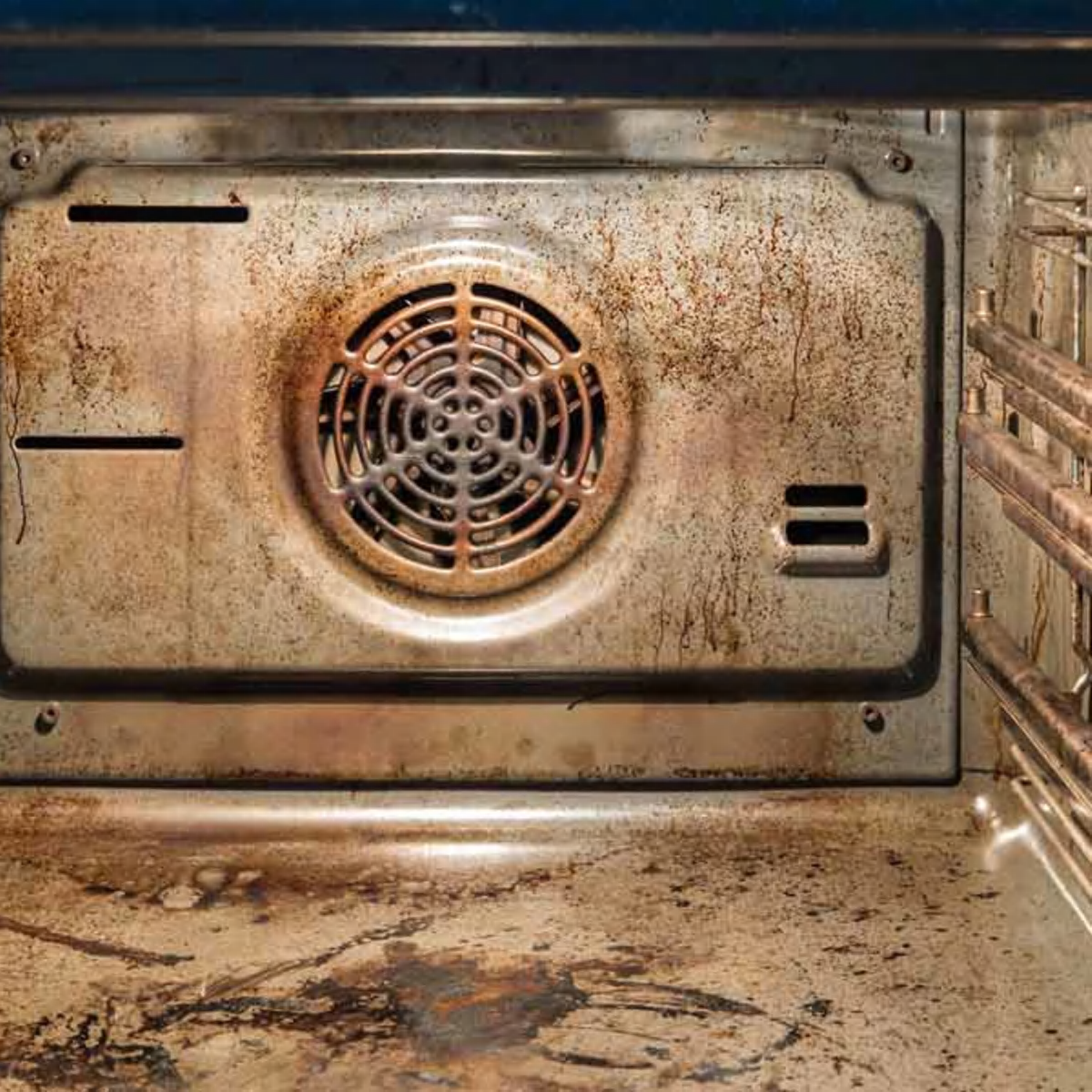
- Ash not fully removed: Use a damp cloth or nylon scrub to finish. Avoid metal scrapers.
Costs, energy use, and environmental impact
What does the self-cleaning oven feature do? It trades energy use for less manual cleaning.
- Energy: Pyrolytic cycles use a lot of electricity due to very high heat. Steam and catalytic methods use less.
- Cost: Running a heavy self-clean cycle occasionally is cheaper than professional cleaning. Frequent cycles increase electricity bills.
- Environment: Pyrolytic cleaning emits some fumes from burning food. Good ventilation reduces impact. Using catalytic liners or steam cycles cuts energy use and emissions.
Personal experience and pro tips from real use
What does the self-cleaning oven feature do? From my experience, it turns a messy chore into a low-effort task when used right.
I once let a drip tray overflow and then ran a pyrolytic cycle without removing racks. The racks warped. That taught me to always remove metal racks unless the manual permits them. I now pre-clean large debris and use a medium cycle for routine maintenance.
Pro tips I use
- Wipe spills when cool to avoid heavy smoke later.
- Run a short clean monthly if you use the oven a lot.
- Use the steam setting for quick freshening between deep cleans.
Frequently Asked Questions of What does the self-cleaning oven feature do?
What exactly happens during a self-cleaning cycle?
A self-cleaning cycle uses heat or steam to break down food residue. Pyrolytic cycles incinerate soil into ash, while steam and catalytic methods soften or chemically break down grime.
Can I leave oven racks inside during cleaning?
Check your manual. Some racks are safe in the cycle, but many manufacturers advise removing them to prevent warping or damage.
Is the self-cleaning feature safe for all ovens?
Most modern ovens are designed for self-cleaning, but older models or those with damage may not be safe. Follow the manufacturer’s recommendations before use.
How often should I use the self-cleaning feature?
Use it as needed based on oven soil. A deep clean every 3 to 6 months works for many households; light maintenance can be monthly.
Will self-cleaning damage the oven finish or electronics?
When used correctly and per the manual, it should not. Avoid repeated unnecessary cycles and ensure proper ventilation to protect finishes and electronics.
Conclusion
Self-cleaning ovens make baked-on grime much easier to handle. Use the correct cleaning method for your model, remove loose debris, and follow safety steps to avoid damage or fumes. Try a gentle steam cycle for light upkeep and a pyrolytic cycle for heavy soil, but always consult your manual first.
Take action today: check your oven’s manual, remove racks if needed, and run a short cleaning cycle to see how well the feature works for you. Share your experiences or questions below to learn what others have tried.

