

The Best Elk Jerky Recipe balances simple seasoning and low heat drying for tender, flavorful jerky.
I have spent years hunting, butchering, and making jerky from wild game. I know elk meat well. This guide gives a clear, tested Best Elk Jerky Recipe you can make at home. Read on for step-by-step methods, safety tips, flavor ideas, and my real-world lessons from the field and the kitchen.

Why elk makes great jerky
Elk is lean. It has mild, beef-like flavor that soaks up marinades well. Lean meat dries fast. That helps jerky keep a firm chew and long shelf life.
Elk jerky has fewer calories and fat than beef jerky. It works for hikers, hunters, and people who want a protein snack. The Best Elk Jerky Recipe highlights natural elk flavor. It enhances, not hides, what makes elk special.
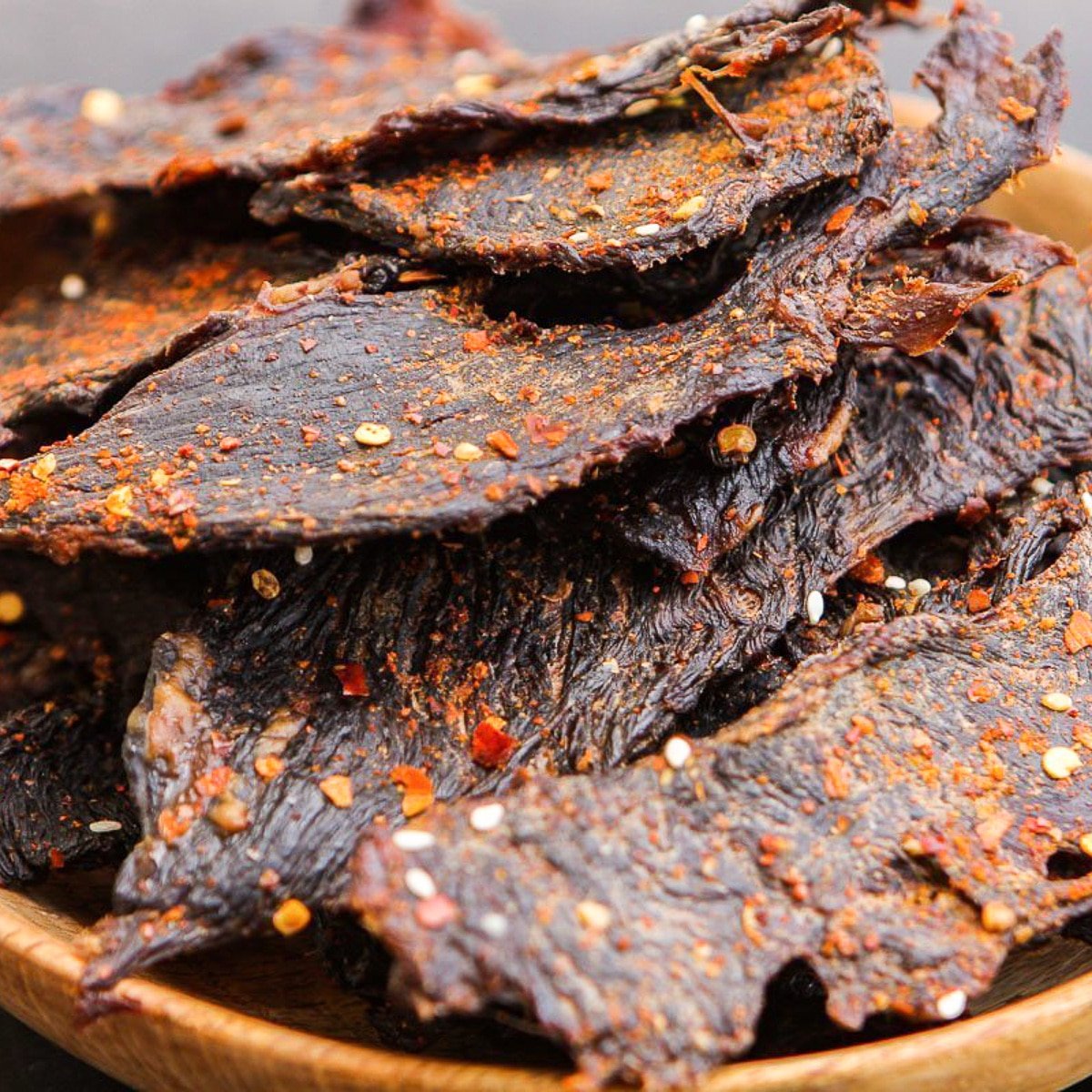
Choosing the best elk cuts for jerky
Pick lean cuts with long muscle fibers. These give the best texture for jerky.
- Top round. Easy to slice and very lean.
- Eye of round. Consistent grain and low fat.
- Flank or sirloin tip. Good flavor and thin slices.
- Avoid very tender steaks. They shred rather than slice.
Trim visible fat before you slice. Fat can go rancid faster. For consistent drying, freeze meat slightly for 30–60 minutes. That firms it and makes slicing thin strips easier.
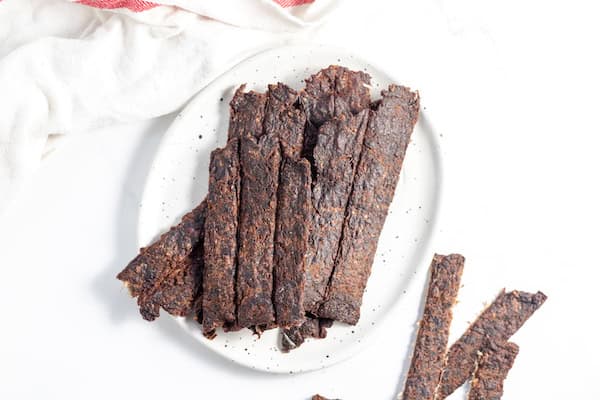
Best Elk Jerky Recipe: ingredients and step-by-step method
This is my go-to Best Elk Jerky Recipe. It is simple and reliable. It makes jerky that is tender, flavorful, and safe.
Ingredients for about 2 pounds of elk, yields 10–12 ounces jerky:
- 2 pounds elk, sliced 1/8 to 1/4 inch thick
- 1/2 cup soy sauce (low sodium preferred)
- 1/4 cup Worcestershire sauce
- 2 tablespoons brown sugar or maple syrup
- 1 teaspoon smoked paprika
- 1 teaspoon black pepper, fresh ground
- 1 teaspoon garlic powder
- 1/2 teaspoon onion powder
- 1/2 teaspoon curing salt (Prague powder #1) optional for longer shelf life
- 1 tablespoon apple cider vinegar or lemon juice
Preparation steps:
- Slice the elk across the grain for tender jerky. Cut into uniform strips.
- Mix all marinade ingredients in a bowl until sugar dissolves.
- Add the elk strips. Press to submerge. Marinate in the fridge 6 to 12 hours. Do not exceed 24 hours.
- Remove meat and pat dry with paper towels. Arrange on dehydrator trays or oven racks. Leave space between strips.
- Dry at low heat: 160°F (71°C) until jerky is dry but still slightly pliable. This usually takes 4–8 hours, depending on thickness and method.
- Test a strip. It should bend and crack on the surface but not snap in half. Cool completely and store in airtight containers.
Notes on curing salt: If you plan to store jerky for longer than a few weeks at room temp, use curing salt. It helps prevent botulism and extends shelf life. For short-term snacks kept chilled, curing salt is optional.
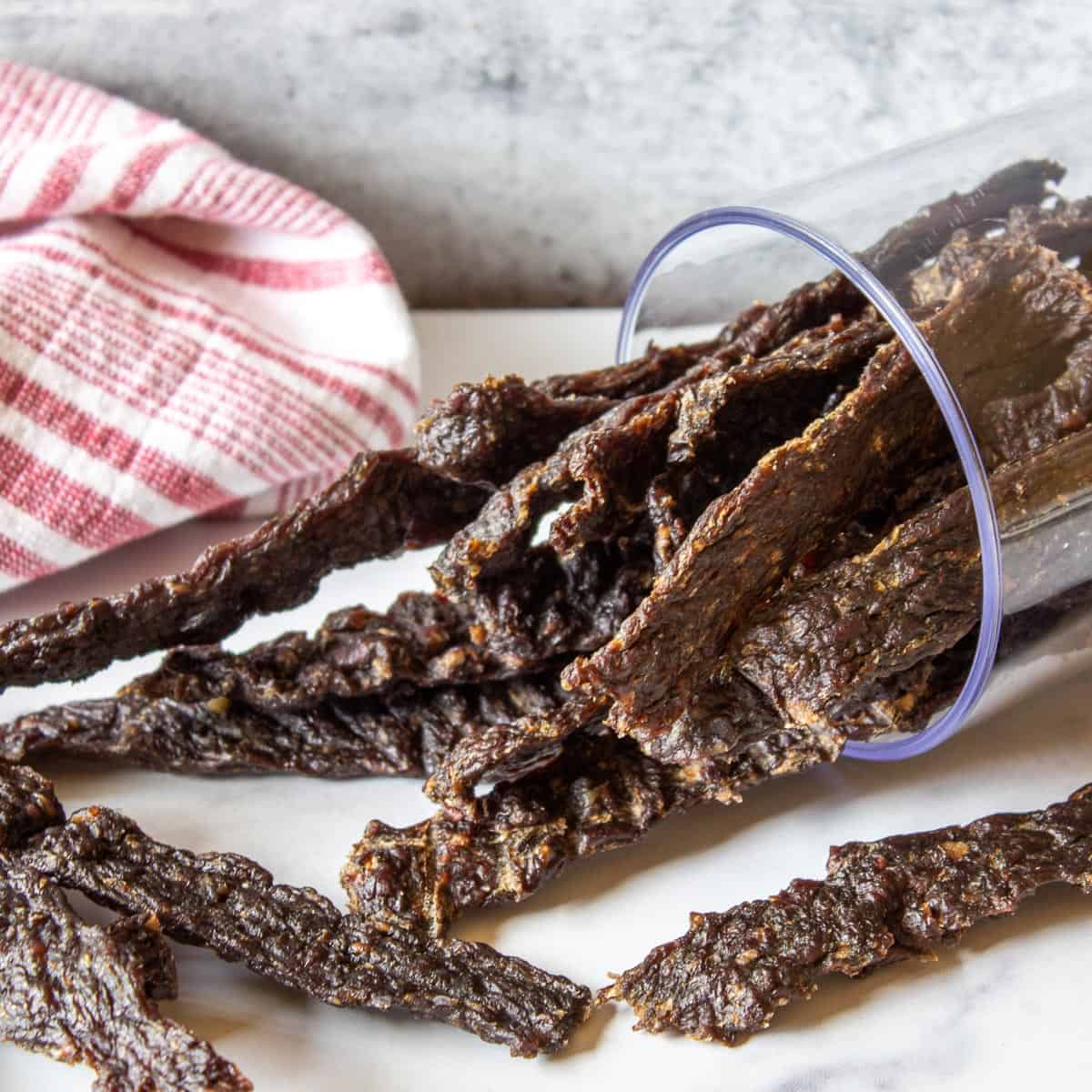
Flavor variations for the Best Elk Jerky Recipe
Try these variations to match your taste.
- Spicy chipotle. Add 1 tablespoon chipotle powder or 1 tablespoon adobo sauce.
- Teriyaki. Replace brown sugar with 3 tablespoons honey and add 2 tablespoons mirin.
- Peppercorn. Double the cracked black pepper and add 1 teaspoon coarse pepper.
- Sweet and smoky. Add 1 tablespoon liquid smoke and 2 tablespoons brown sugar.
Each variation follows the same basic steps. Keep marinating time and drying temp the same to stay safe.
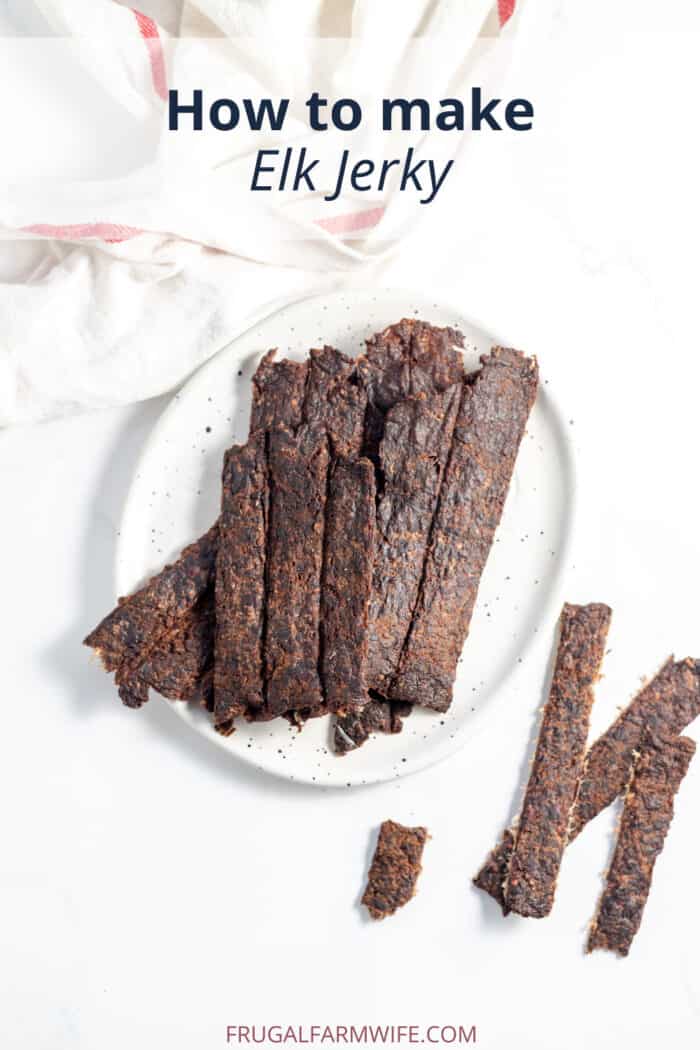
Dehydrator, oven, and smoker methods
Choose a method you have. Each works with the Best Elk Jerky Recipe.
Dehydrator method:
- Set to 160°F if your model allows. Many recommend 145°F but start at 160°F for safety.
- Arrange strips without overlap.
- Dry 4–8 hours. Check after 3 hours and then every hour.
Oven method:
- Preheat to 170°F or use the lowest setting. Prop the door slightly open with a wooden spoon to allow moisture to escape.
- Place strips on wire racks above a baking sheet.
- Rotate pans for even drying. Expect 5–8 hours.
Smoker method:
- Low smoke at 165–175°F gives great flavor.
- Use mild wood like apple or cherry.
- Keep an eye on temp and humidity. Smoking can add a dry, rich edge.
Always use a food thermometer. The USDA recommends heating meat to 160°F to kill pathogens before drying. Let jerky cool fully before storage.

Storage, shelf life, and packaging
Proper storage keeps jerky safe and tasty.
- Short term: Store in airtight bags in the fridge for up to 2 weeks.
- Long term: Vacuum-seal and freeze for 6 months or more.
- Room temp: If using curing salt and airtight packaging, jerky can last 1 to 2 months; refrigeration is safer.
Avoid moisture and heat. Use oxygen absorbers in sealed jars for long shelf life. Label packages with date and cut type.
Nutrition, benefits, and limitations
Elk jerky is high in protein and low in fat. It makes a dense snack that fills you up fast. Compared to beef, elk tends to have fewer calories per ounce.
Limitations:
- Jerky can be high in sodium. Use low-sodium soy sauce or reduce added salt.
- Commercial jerky often has preservatives. Home jerky gives you control.
- Lean meat can dry too hard if sliced too thin or dried too long.
Balance your portions. Elk jerky is a good protein boost for hikes, long drives, and post-workouts.
Safety tips, common mistakes, and my personal experience
Safety first. Always follow these tips.
- Use a meat thermometer to ensure internal temp reaches 160°F before long drying.
- Slice uniform pieces for even drying.
- Pat meat dry before drying to reduce surface moisture.
- Clean surfaces and tools to avoid contamination.
My experience:
I once dried elk strips too thin. The result was dry, brittle jerky. I learned to slice 1/8 to 1/4 inch for the right chew. I also learned that a short brine with vinegar brightens flavor. On a long hunt, I made jerky in the field with a camp stove and smoker box. It kept well and tasted like the wild.
Common mistakes to avoid:
- Over-marinating past 24 hours, which can turn meat mushy.
- Leaving pieces overlapped on racks, causing uneven drying.
- Skipping the cool-down. Hot jerky traps steam and can grow mold if stored warm.
Frequently Asked Questions of Best Elk Jerky Recipe
What thickness should elk jerky be for best results?
For the best chew, slice elk 1/8 to 1/4 inch thick. Thinner slices dry fast and become brittle, while thicker ones take longer to dehydrate.
Do I need curing salt for elk jerky?
Curing salt is optional for short-term consumption. Use it if you want longer room-temperature storage and added safety.
How long does elk jerky last at room temperature?
With proper drying and curing, elk jerky can last 1 to 2 months at room temperature. Refrigeration or freezing is safer for long-term storage.
Can I use the same recipe for beef and other game?
Yes. The Best Elk Jerky Recipe works well with beef, venison, and other lean game. Adjust marinating time for stronger or milder flavors.
Is it safe to dehydrate at low oven temperatures?
Yes, if you ensure meat reaches 160°F internal before or during the drying process. Use a thermometer to confirm safe temps.
Final thoughts and next steps
Making the Best Elk Jerky Recipe is simple when you use lean cuts, a balanced marinade, and low, steady heat. Start with the base recipe. Then try a variation that fits your taste. Keep safety and storage in mind to protect flavor and shelf life.
Try one batch this weekend. Share the results with friends or on social media. If you liked this guide, subscribe for more game-cooking tips or leave a comment with your favorite flavor.

