

Why Is Gigli Pasta Shaped Like A Flower?
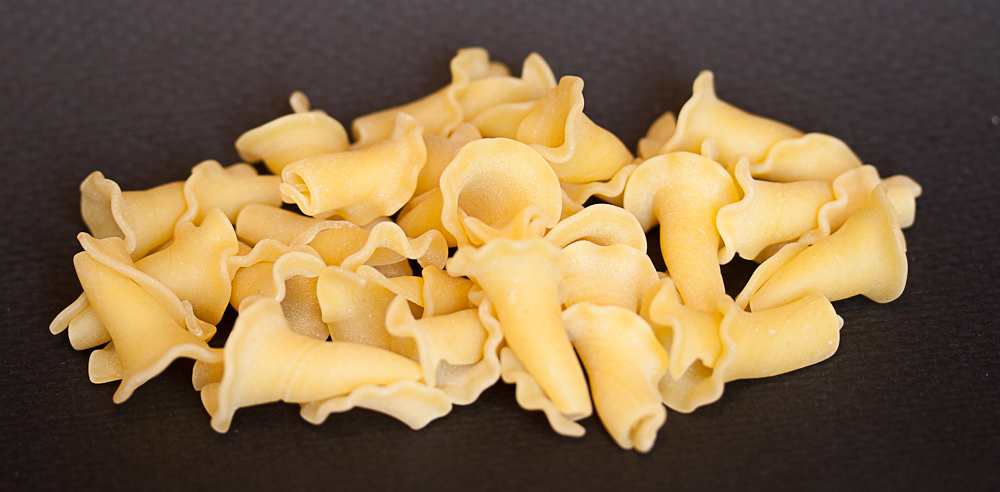
Gigli pasta, also known as campanelle, stands out on the shelf. Its fluted, ruffled shape looks like a blooming flower, making it one of the most beautiful pasta types from Italy. But the flower shape isn’t just about looks—it has a deeper meaning, a practical function, and a story rooted in Italian culture. If you’ve ever wondered why gigli pasta is shaped this way, you’re not alone. Many people are curious about its unique design and how it changes the experience of eating pasta.
In this article, you’ll discover the reasons behind gigli’s flower shape, how it affects cooking and flavor, and even some surprising facts that most beginners miss. We’ll explore its history, its role in Italian cuisine, and compare it to other pasta shapes.
By the end, you’ll see gigli pasta in a new light—both as a culinary tool and a piece of Italian tradition.
The Origins Of Gigli Pasta
Gigli means “lily” in Italian. The pasta’s design is inspired by the lily flower, which is a symbol of purity and beauty in Italy. The lily is also the emblem of the city of Florence, where gigli pasta first appeared. In fact, the fleur-de-lis (stylized lily) is seen in many buildings, flags, and artworks across Tuscany.
The idea of shaping pasta like a flower started as a tribute to Florence’s culture. Local pasta makers wanted to create something special, both for celebration and daily meals. The flower shape quickly became popular, not only because it looked good, but also because it represented local pride.
Over time, gigli pasta spread across Italy and now appears in many restaurants and homes.
Practical Benefits Of The Flower Shape
Some pasta shapes are chosen just for looks, but gigli’s flower shape has practical advantages. Here’s how its design affects your cooking and eating experience:
1. Sauce Holding Power
The ruffled edges and hollow center are perfect for trapping sauces. Whether it’s a creamy cheese sauce or chunky tomato, gigli holds flavors better than smooth pasta.
2. Texture And Mouthfeel
Because of its folds and curves, gigli offers a mix of soft and chewy bites. The edges cook faster and become tender, while the thicker center stays firm—giving a pleasant contrast.
3. Even Cooking
Compared to flat pasta, gigli’s shape allows water to circulate around each piece. This reduces clumping and helps the pasta cook evenly.
4. Visual Appeal
The flower shape makes any dish look festive. It’s often used for special occasions, but even a simple meal feels elevated with gigli.
5. Portion Control
Each piece is larger than typical pasta shapes like penne or fusilli. This helps cooks estimate portions more easily and makes serving simpler.

Gigli Pasta In Italian Cuisine
Gigli is not the most common pasta, but it’s highly valued in certain regions and dishes. Here are some ways Italians use gigli:
- Festive Meals:
Gigli is served during holidays and family gatherings. Its special shape signals celebration.
- Hearty Sauces:
It pairs well with thick, chunky sauces—like meat ragù or creamy mushroom. The flower holds the sauce, so every bite is flavorful.
- Vegetarian Dishes:
Because gigli traps vegetables and cheese inside its folds, it’s popular in vegetarian recipes.
- Salads:
Its sturdy shape stays firm in cold pasta salads, even after mixing and chilling.
Typical Gigli Pasta Recipes
- Gigli al Ragù di Salsiccia:
A Tuscan favorite featuring gigli tossed with spicy sausage ragù.
- Gigli Primavera:
Gigli pasta with mixed spring vegetables and light olive oil dressing.
- Gigli ai Funghi:
Creamy mushroom sauce fills the flower shape, making each bite rich.
Comparing Gigli To Other Pasta Shapes
Is gigli pasta really different from other types? Let’s look at how it compares to other popular pasta shapes.
| Pasta Shape | Design | Sauce Holding | Cooking Time |
|---|---|---|---|
| Gigli | Flower, ruffled edges | Excellent | 8–12 min |
| Penne | Tubular, smooth | Moderate | 7–10 min |
| Fusilli | Spiral | Good | 9–12 min |
| Farfalle | Bow-tie | Fair | 10–13 min |
The table shows that gigli’s flower shape is not just for style—it holds sauce better and gives a unique texture. Its cooking time is similar to other short pasta, but its design makes it more special for certain dishes.
Why Shape Matters: Science Behind Pasta Design
Most pasta shapes are chosen for a reason. The science behind gigli’s flower shape reveals how design impacts flavor and cooking.
Surface Area And Sauce Absorption
Gigli’s ruffled edges increase surface area, which means more sauce sticks to the pasta. The hollow center acts like a cup, collecting chunky ingredients. This makes gigli perfect for recipes where you want each bite to be full of flavor.
Cooking Dynamics
The flower shape lets hot water flow around each piece. This helps gigli cook evenly and prevents sticking—a problem with flat or tubular pasta. Also, the thick center and thin edges cook at different rates, creating a mix of textures.
Serving And Eating
Gigli’s shape makes it easy to pick up with a fork. The folds catch bits of meat, cheese, or vegetables, so you get a balanced bite every time.
Cultural Significance Of The Flower Shape
The flower isn’t just a pretty design. In Italy, the lily flower has deep meaning. It stands for beauty, purity, and renewal. The city of Florence uses the lily as its emblem, linking gigli pasta to local pride and history.
When Italians serve gigli, they often tell stories about Florence and its traditions. The pasta becomes more than food—it’s a symbol of family, celebration, and connection to the land.
Gigli In Modern Cooking
Today, gigli pasta is used in both classic and modern recipes. Chefs like its look and its ability to hold sauce, so you see it in fine dining and casual meals. Some even use colored gigli—made with spinach or tomato—to add more color to the plate.
Common Mistakes When Cooking Gigli Pasta
Beginners often make simple errors when preparing gigli. Here are two non-obvious mistakes:
1. Overcooking The Thin Edges
Gigli’s edges are thinner than its center. If you cook it too long, the edges get mushy while the center stays firm. To avoid this, check for doneness at the lowest suggested cooking time.
2. Using Thin Sauces
Thin, watery sauces slide off gigli and don’t fill the flower shape. Always use a sauce with some body—like a ragù, pesto, or creamy blend.
Practical Cooking Tips
- Stir gigli gently to avoid breaking the delicate edges.
- Salt the water well, as gigli’s folds trap flavor.
- Serve immediately after draining, so the pasta stays firm.
Gigli Pasta: Nutrition And Popularity
Gigli pasta is made from the same ingredients as most Italian pasta—wheat flour, water, and sometimes eggs. Its shape doesn’t change nutrition, but its ability to hold sauce may affect calorie counts if you use rich toppings.
Gigli Pasta Popularity Data
According to a 2026 survey of Italian restaurants:
- Gigli pasta appears in 14% of menus in Tuscany.
- It is less common nationally, showing up in 6% of Italian restaurant menus.
- Sales of gigli pasta have increased by 11% in the past five years, as more people seek unique pasta shapes.
How To Choose The Best Gigli Pasta
Not all gigli pasta is the same. Here’s how to select the best:
1. Check Thickness:
Look for gigli with sturdy, thick edges. Thin pasta breaks easily and doesn’t hold sauce as well.
2. Consider Ingredients:
Traditional gigli is made from semolina flour. Some brands add spinach or tomato for color and extra flavor.
3. Brand Reputation:
Choose pasta from well-known Italian makers. Quality varies, and authentic brands offer better texture.
4. Packaging:
Avoid crushed or broken gigli. The flower shape is delicate, so inspect for damage before buying.
| Brand | Country | Ingredients | User Rating |
|---|---|---|---|
| Barilla | Italy | Semolina, water | 4.7/5 |
| De Cecco | Italy | Semolina, eggs | 4.8/5 |
| Rummo | Italy | Semolina, tomato, spinach | 4.6/5 |
Gigli Pasta Around The World
While gigli pasta is rooted in Tuscany, it’s gaining popularity worldwide. In the US and UK, chefs use gigli for pasta salads and fusion dishes. Its flower shape attracts people looking for something unique.
Culinary Trends
- More restaurants are offering gigli in vegetarian and vegan recipes.
- Colored gigli is used for festive dishes, especially in catering and weddings.
- Food bloggers and influencers highlight gigli’s beauty on social media.

The Gigli Experience: More Than Just Pasta
Eating gigli is about more than taste. The flower shape adds a playful element to the meal. Kids enjoy its look, and adults appreciate the texture. For Italians, gigli is a reminder of home, tradition, and celebration.
Even outside Italy, gigli pasta is seen as a luxury compared to everyday shapes. Its design encourages slower eating and appreciation—making meals feel special.
Frequently Asked Questions
What Does “gigli” Mean In Italian?
Gigli means lily in Italian. The pasta is named after the lily flower, which is an important symbol in Florence and across Italy.
Is Gigli Pasta Only Used For Special Occasions?
No, gigli can be used for everyday meals and special occasions. Its flower shape makes it popular for celebrations, but it works well in simple dishes too.
What Sauces Pair Best With Gigli Pasta?
Thick sauces like ragù, creamy cheese, or chunky vegetable sauces are ideal. Thin sauces may not stick to gigli’s folds as well.
Can Gigli Pasta Be Made At Home?
Yes, but shaping gigli pasta is more challenging than making simple types like penne or spaghetti. Home cooks use special tools or shape each piece by hand.
Is Gigli Pasta Healthy?
Gigli pasta is as healthy as other wheat-based pasta. Nutrition depends on the ingredients and sauces used. Whole wheat or vegetable gigli offer extra fiber and vitamins.
Gigli pasta’s flower shape is more than a design choice. It reflects Italian culture, improves sauce holding, and adds joy to the meal. Whether you eat it for tradition or taste, gigli brings something special to the table. If you want to learn more about pasta shapes and history, check out the Wikipedia Pasta Page for deeper insights.

