

Italian cuisine is famous for its variety of pasta shapes. Each one has its own story, texture, and place in traditional recipes. Two pasta shapes that often confuse people are gigli and farfalle. At first glance, they both look decorative and unique, but their origins, uses, and textures are surprisingly different. If you have ever wondered which to use in your next Italian recipe, or simply want to deepen your pasta knowledge, this guide will clear up the differences between Italian gigli pasta and farfalle. We will look at their history, shape, cooking uses, and even how they perform in different sauces.
What Is Gigli Pasta?
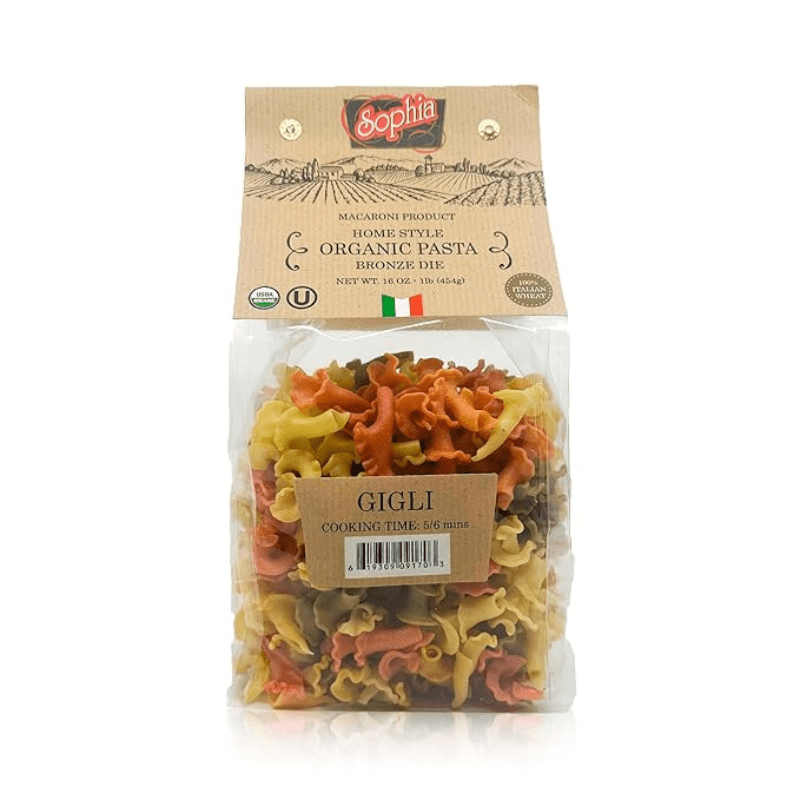
Gigli, which means “lilies” in Italian, is a pasta shape that stands out for its fluted, flower-like form. Also known as “campanelle” (little bells), gigli has a ruffled edge and a cone-like body. This gives it a soft, petal-shaped look, making it both beautiful and practical.
Gigli pasta is believed to have originated in the Tuscany region, where the lily is a symbol of Florence. The design is meant to resemble the famous lily flower, which adds a visual charm to any dish. Traditionally made with durum wheat semolina and water, gigli holds up well to cooking and does not get mushy easily.
Some key features of gigli pasta:
- Cone or bell shape with ruffled edges
- Hollow center, which catches sauce
- Sturdy and slightly chewy texture
The shape is not just for looks. The ruffled edges and central pocket allow gigli to hold onto chunky sauces, bits of meat, or vegetables, making every bite flavorful.
What Is Farfalle?
Farfalle is often called “bow-tie pasta” in English, but its name actually means “butterflies” in Italian. This pasta dates back to at least the 16th century in the Lombardy and Emilia-Romagna regions of Northern Italy. Farfalle is made by cutting small rectangles of pasta dough and pinching them in the middle to form a butterfly or bow-tie shape.
Distinct features of farfalle:
- Bow-tie or butterfly shape with ruffled edges
- Flat center where the pasta is pinched
- Made with semolina flour and water, sometimes with eggs
The middle part of farfalle is a little thicker, giving it a pleasant bite. The outer edges cook slightly faster, offering a contrast in textures. This unique structure means farfalle works well in cold pasta salads or with light tomato and cream sauces.
Comparing Gigli And Farfalle: Shape And Structure
While gigli and farfalle both have decorative shapes, their designs serve different purposes. Here is a visual comparison to help clarify:
| Pasta Type | Shape | Main Feature | Typical Size (uncooked) |
|---|---|---|---|
| Gigli | Bell or lily, ruffled edge, hollow | Holds chunky sauces in center | 1-2 inches long |
| Farfalle | Bow-tie or butterfly, ruffled edge, flat | Pinched center, cooks unevenly for texture | 1-1.5 inches wide |
Gigli’s hollow and fluted design means it acts almost like a small edible scoop. Farfalle’s flat, pinched body gives a different mouthfeel, with the edges and center cooking at slightly different rates.
Culinary Uses: When To Use Each Pasta
Choosing between gigli and farfalle depends on the type of dish you want to prepare. Each shape interacts with sauces and ingredients in its own way.
Gigli: The Sauce Collector
Gigli is best for dishes with hearty, chunky sauces. Its shape is perfect for holding on to thick ragù, creamy cheese sauces, or vegetable pieces. Here are some classic uses for gigli:
- Rich meat ragù (beef, sausage, or lamb)
- Rustic vegetable sauces with zucchini, eggplant, or peppers
- Creamy mushroom or cheese-based sauces
- Baked pasta dishes (the hollow part holds sauce and cheese well)
Because gigli is sturdy, it does not fall apart easily in baked dishes or heavy sauces. If you want every forkful packed with flavor, gigli is an excellent choice.
Farfalle: Versatile And Light
Farfalle is more often used in lighter dishes, thanks to its thin, wide shape. It’s a favorite for cold pasta salads, since the bow-tie form holds dressings and small ingredients without getting soggy. Some popular uses for farfalle:
- Pasta salads with vegetables, chicken, or tuna
- Light tomato or basil sauces
- Creamy sauces (such as Alfredo or pesto cream)
- Spring and summer pasta recipes with fresh herbs
Farfalle is also kid-friendly, thanks to its fun shape. The different textures—soft edges, firmer center—make it interesting in both hot and cold dishes.
Texture And Cooking Differences
Pasta shape affects not just appearance, but also how it cooks and feels in your mouth. Both gigli and farfalle offer unique texture experiences.
| Pasta Type | Texture When Cooked | Best Cooking Time | Common Cooking Mistake |
|---|---|---|---|
| Gigli | Chewy, sturdy, holds sauce inside | 9-12 minutes (al dente) | Overcooking makes the ruffles mushy |
| Farfalle | Soft edges, firmer center, delicate bite | 10-13 minutes (al dente) | Undercooking leaves the center tough |
Gigli needs enough time to cook through the thickest part, but overcooking can make the edges lose their shape. Farfalle cooks unevenly by design—the center remains slightly chewy while the edges soften first. If you’re not careful, farfalle can be too hard in the middle or too soft outside. Stir well and test often for perfect texture.
Nutrition And Ingredients
Both gigli and farfalle are made mainly from durum wheat semolina, which is standard for most Italian dry pasta. Some artisan versions add eggs for richer flavor or use whole wheat for extra fiber.
Here’s a quick comparison of their nutrition for a standard 2-ounce (56g) dry serving:
| Pasta Type | Calories | Protein (g) | Carbohydrates (g) | Fiber (g) |
|---|---|---|---|---|
| Gigli | 200 | 7 | 42 | 2 |
| Farfalle | 210 | 7 | 43 | 2 |
There is little nutritional difference between the two. The main factor is portion size and the sauce or ingredients you add. Whole wheat and gluten-free versions are available for both, but the texture may change slightly.

Regional And Cultural Significance
Both pastas have strong ties to their home regions. Gigli is a symbol of Florence and Tuscany, where the lily is seen on city flags and local art. You’ll often see gigli served at festivals or family gatherings in this area.
Farfalle has roots in Northern Italy, especially in Lombardy and Emilia-Romagna. It was first made by hand, with each piece pinched in the center. Farfalle is now popular across Italy and worldwide, but in its home regions, it’s often served with creamy or vegetable sauces.
It’s worth noting that some Italian families have strong opinions about which sauce goes with which pasta. Using gigli for cold pasta salad, for example, might raise eyebrows among Tuscan cooks!
Availability And Buying Tips
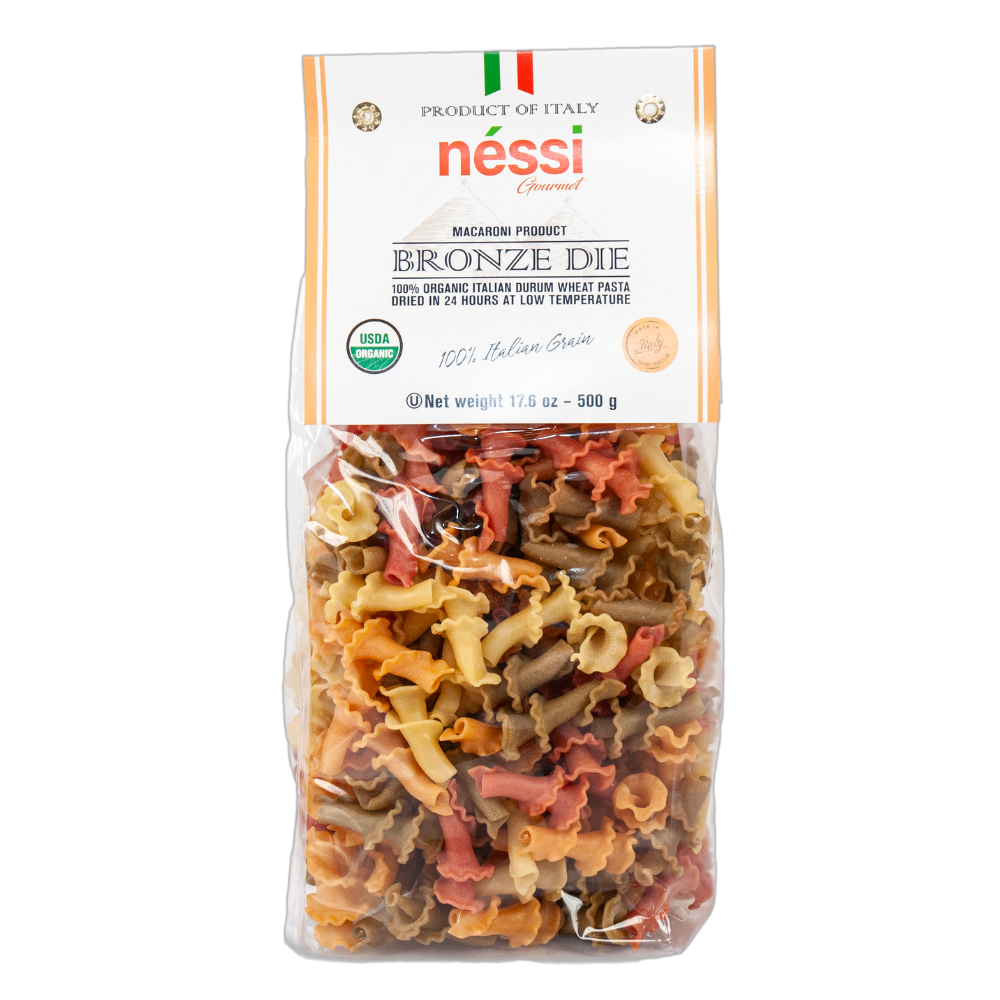
In the US and many other countries, farfalle is more common in supermarkets, often labeled as “bow-tie pasta.” Gigli is less widely available and usually found in specialty Italian stores or gourmet sections. If you want to try gigli, look for it under both “gigli” and “campanelle.”
When buying either pasta:
- Look for brands that use 100% durum wheat semolina
- Avoid products with lots of additives or coloring
- For best results, try artisan or imported brands—they hold their shape and texture better
Non-obvious tip: Some budget brands make pasta shapes that look like gigli, but they may collapse during cooking. True gigli should keep its ruffled, bell-like form.
Cooking Tips For The Best Results
Getting the most from gigli or farfalle takes a little practice. Here are some practical tips:
- Use plenty of water: Both shapes expand and need room to move. Use at least 4 quarts of water per pound.
- Salt the water well: About 1 tablespoon per 4 quarts brings out the pasta flavor.
- Stir often: Especially for gigli, which can nest together during boiling.
- Check for doneness early: Start tasting 2 minutes before the package time. Al dente is best for both.
- Reserve some pasta water: This starchy water helps blend sauces, especially with gigli’s thick shape.
- Mix gently: Farfalle can break if stirred too hard, especially in cold salads.
Advanced tip: For baked dishes, undercook gigli by 2 minutes before adding to the oven. This helps keep its structure after baking.
Flavor Pairing And Recipe Ideas
Pairing the right sauce and ingredients with your pasta shape makes a big difference. Here are some ideas for each:
Gigli:
- Sausage and fennel ragù with a touch of cream
- Roasted butternut squash with sage and browned butter
- Wild mushroom and truffle oil sauce
Farfalle:
- Chilled pasta salad with sun-dried tomatoes, olives, and feta
- Classic Alfredo with peas and diced ham
- Pesto with cherry tomatoes and grilled chicken
For something unique, try gigli with a chunky seafood sauce or use farfalle in a soup for a fun twist.
Sustainability And Production
Most mass-market pasta is made using industrial extrusion, which gives consistent shape and texture. Artisan pasta—often labeled as “bronze-cut”—uses traditional dies to create a rougher surface. This roughness helps sauce stick better, especially for gigli. Bronze-cut pasta is often more expensive but gives a better result.
When possible, choose pasta from companies that support sustainable wheat farming or organic practices. Some Italian brands are known for careful sourcing and environmental responsibility. For more, see the Barilla official website.
Frequently Asked Questions
What Is The Main Difference Between Gigli And Farfalle?
The main difference is the shape: gigli looks like a bell or lily with ruffled edges, and is hollow inside, while farfalle is shaped like a bow-tie or butterfly, pinched in the center and flat. This affects how they hold sauces and their texture when cooked.
Can Gigli Pasta Be Substituted For Farfalle In Recipes?
You can substitute gigli for farfalle in many dishes, but the result will be slightly different. Gigli holds more sauce and stays firmer in baked dishes. Farfalle works better in cold salads or light sauces because of its thinner, wider shape.
Is There A Difference In Cooking Time Between Gigli And Farfalle?
Cooking times are similar but not exact. Gigli usually takes 9-12 minutes for al dente, while farfalle takes about 10-13 minutes. Always taste for doneness, as thickness and brand can change the timing.
Are Gigli And Farfalle Available In Whole Wheat Or Gluten-free Versions?
Yes, both shapes are made in whole wheat and gluten-free versions by some brands. The texture and taste may be slightly different, but they work well for most recipes.
Which Sauces Pair Best With Gigli And Farfalle?
Gigli pairs best with thick, chunky sauces like ragù or creamy vegetable sauces. Farfalle is good with light tomato, cream, or pesto sauces, and is excellent for pasta salads because it holds dressings and small ingredients well.
Choosing between gigli and farfalle depends on your recipe and personal taste. Both add beauty and character to Italian dishes, and knowing their differences helps you cook with more confidence. Next time you shop for pasta, take a closer look—your meal will thank you.

