

When you walk into an Italian grocery store or a pasta restaurant, you may see many shapes and names. Two types that often confuse people are Gigli pasta and Fusilli. At first glance, they both look curly or twisted, but they are actually quite different. Understanding these pastas can help you choose the right one for your recipes, and even impress your friends at dinner. Let’s explore what sets Gigli and Fusilli apart, how they are used, and why Italian cooks love them for different reasons.
What Is Italian Gigli Pasta?
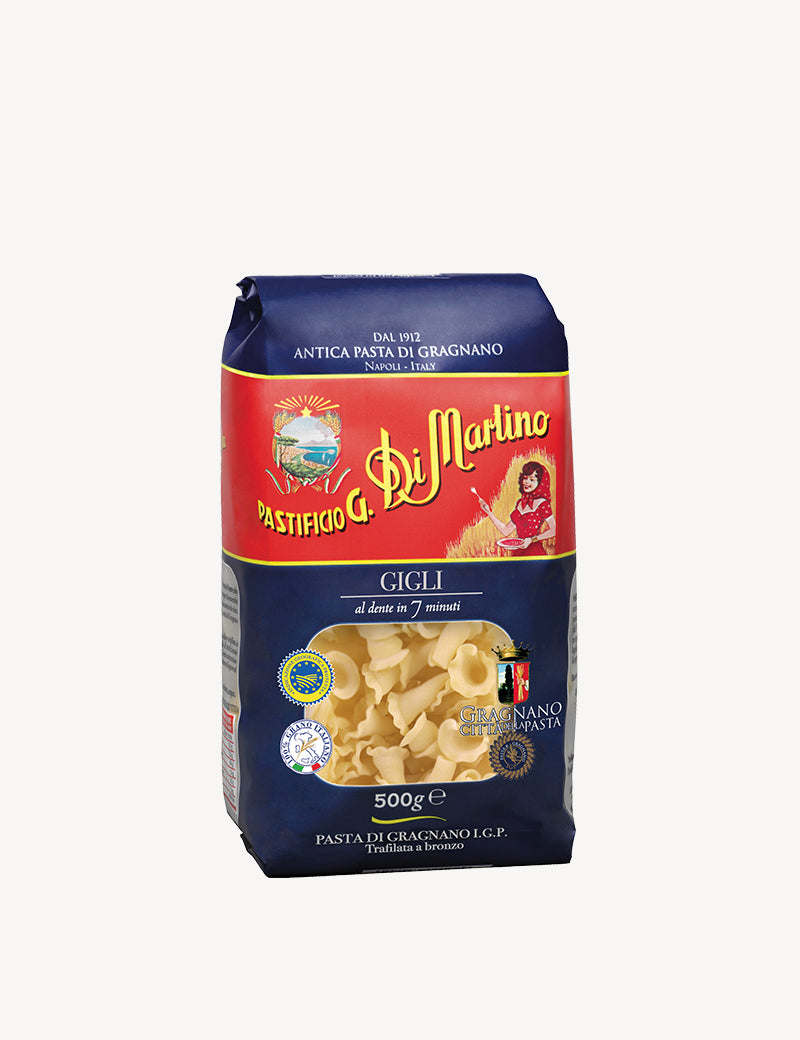
Gigli pasta is also known as campanelle, which means “little bells” in Italian. The name “gigli” comes from the Italian word for lily, because the shape looks like a flower with curled petals. It is a unique pasta that stands out among more common shapes.
Gigli is made by rolling flat pasta into a cone, then flaring the edges outward. The result is a small, open cup with ruffled edges. These cups hold sauce very well, making gigli perfect for thick, chunky sauces.
Key Features Of Gigli
- Shape: Cone or bell-like, with ruffled edges.
- Texture: The edges are soft but catch sauce easily.
- Size: Usually small, about 1–2 inches.
- Origin: Mainly from Tuscany and central Italy.
How Gigli Is Made
Gigli is traditionally made from durum wheat semolina and water, like most Italian pasta. It is shaped by hand or with special machines. The unique shape is not easy to make at home, which is why gigli is often bought from stores or pasta makers.
Popular Gigli Dishes
Gigli is used in dishes where the sauce is thick and chunky. For example:
- Gigli with sausage and cream sauce
- Campanelle with mushroom ragù
- Gigli baked in cheese and spinach
The pasta’s cup shape helps catch bits of meat, vegetables, and cheese, so every bite is flavorful.
What Is Fusilli?
Fusilli is one of the most popular pasta shapes in Italy and around the world. The word “fusilli” comes from “fuso,” meaning spindle, because the pasta was originally shaped by wrapping dough around a rod.
Fusilli looks like a corkscrew or spiral. It is made by twisting long strips of pasta into tight spirals. Fusilli is famous for its ability to trap sauce between the twists.
Key Features Of Fusilli
- Shape: Spiral or corkscrew.
- Texture: Firm, with ridges that grip sauce.
- Size: Usually 1–2 inches long.
- Origin: Southern Italy, especially in Campania.
How Fusilli Is Made
Fusilli is made from semolina flour and water. The dough is cut into strips, then twisted into spirals by machines or by hand. Today, most fusilli is produced in factories, but some artisanal pasta makers still twist it by hand.
Popular Fusilli Dishes
Fusilli is used in many classic recipes, including:
- Fusilli with pesto
- Fusilli with tomato and basil
- Fusilli in pasta salads
The spiral shape is perfect for holding lighter sauces, pesto, or even vinaigrettes in cold salads.

Gigli Vs Fusilli: Shape And Texture Comparison
Both gigli and fusilli are designed to hold sauce, but the way they do it is very different. Here’s a direct comparison:
| Feature | Gigli | Fusilli |
|---|---|---|
| Shape | Bell/cone with ruffled edges | Spiral/corkscrew |
| Texture | Soft edges, open cup | Firm, ridged spirals |
| Best For | Chunky sauces, baked dishes | Lighter sauces, salads |
| Origin | Tuscany/central Italy | Southern Italy |
| Sauce Holding | Holds bits inside cup | Traps sauce in spiral |
Cooking Methods And Tips
Cooking Gigli
Gigli pasta cooks in about 10–12 minutes in boiling salted water. Its shape can break if overcooked, so keep an eye on it. The ruffled edges soften but still hold texture, making gigli ideal for baked pasta.
Tips for Gigli:
- Use in casseroles or dishes with lots of vegetables.
- Toss gently to avoid breaking the cups.
- Try gigli with cheese sauces for best results.
Cooking Fusilli
Fusilli cooks in 8–10 minutes. The spiral shape stays firm even if cooked a little longer. Fusilli is good for mixing in salads, because it holds dressing well.
Tips for Fusilli:
- Great for cold pasta salads.
- Works well with pesto or tomato sauces.
- Mix quickly after draining to avoid sticking.
Common Mistakes
- Using gigli in soups: The pasta can break and lose its shape.
- Overcooking fusilli: It becomes mushy and loses its spiral.
- Choosing wrong sauce: Gigli does not suit light, watery sauces; fusilli does not work well with chunky meat sauces.

Nutritional Differences
Both gigli and fusilli are made from durum wheat, so their nutrition is similar. However, their shapes can affect portion size and sauce absorption.
| Nutrient | Gigli (per 100g) | Fusilli (per 100g) |
|---|---|---|
| Calories | 355 | 353 |
| Protein | 12g | 12g |
| Carbohydrates | 72g | 71g |
| Fiber | 3g | 3g |
| Fat | 1.5g | 1.4g |
Most differences are small. The real nutritional change comes from the sauce and add-ins, not the pasta itself.
Regional And Cultural Importance
Gigli is less common in restaurants outside Italy, but it has a special place in Tuscan cuisine. Traditional recipes often use local vegetables and meats, making gigli a regional favorite.
Fusilli is more widespread. It is found in almost every Italian home, and is popular in other countries too. Fusilli’s simple shape makes it easy to cook, and it is used in both traditional and modern recipes.
Non-obvious insight: While gigli is seen as “fancy” or “special occasion” pasta, fusilli is everyday pasta. Italian families may serve gigli for festive meals and fusilli for quick lunches.
Which Pasta Should You Choose?
Choosing between gigli and fusilli depends on your recipe and taste:
- For thick, chunky sauces: Gigli is best. The cup shape keeps sauce, meat, or cheese inside.
- For light or creamy sauces: Fusilli works better. The spiral holds lighter sauce and mixes well.
- For pasta salads: Fusilli is ideal. It does not break and can be tossed with many ingredients.
- For baked dishes: Gigli is perfect. The ruffled edges hold cheese and sauce.
Another non-obvious insight: Gigli’s cups can be filled with bits of vegetables or cheese before baking, making it a creative choice for stuffed pasta dishes.
Price And Availability
In US grocery stores, fusilli is easy to find and affordable. Gigli is less common, often sold as “campanelle. ” Gigli may cost more because it is made in smaller batches.
| Pasta Type | Average Price (per lb) | Availability |
|---|---|---|
| Gigli/Campanelle | $3.50–$5.00 | Specialty stores, online |
| Fusilli | $1.00–$2.50 | Supermarkets, everywhere |
If you want to try gigli, look for Italian brands or order online. Fusilli is a good choice if you need pasta quickly and cheaply.
Fun Facts And History
- Gigli’s shape was inspired by the lily, a symbol of Florence.
- Fusilli was first made by wrapping pasta around a knitting needle.
- In Italy, fusilli is sometimes called rotini in the US, but the true fusilli has tighter spirals.
- Campanelle (another name for gigli) means “little bell,” referring to its bell-like shape.
Tip: If you see “campanelle” in a recipe, it is the same as gigli. You can use fusilli if you cannot find gigli, but the texture and sauce holding will be different.
Expert Opinions
Chefs often choose gigli for dishes where the pasta needs to stand out. Its unique shape adds beauty to the plate. Fusilli is chosen for recipes where sauce flavor matters more than pasta appearance.
According to Italian food experts, gigli is best for rich, layered dishes, while fusilli is perfect for everyday meals. For more information on pasta shapes and their uses, you can visit Wikipedia’s pasta list.
Frequently Asked Questions
What Is The Main Difference Between Gigli And Fusilli?
The main difference is shape. Gigli is a bell-shaped pasta with ruffled edges, while fusilli is a spiral or corkscrew. Gigli holds chunky sauce inside its cup; fusilli traps lighter sauce in its spirals.
Can I Substitute Fusilli For Gigli In Recipes?
Yes, but the result will be different. Fusilli works best with lighter sauces, while gigli is ideal for chunky, thick sauces. If you substitute, choose a sauce that works with the new shape.
Are Gigli And Campanelle The Same Pasta?
Yes, gigli and campanelle are two names for the same pasta. Both refer to the bell-shaped, ruffled pasta used for thick sauces and baked dishes.
Is There A Gluten-free Version Of Gigli Or Fusilli?
Many brands now offer gluten-free gigli and fusilli made from rice, corn, or chickpea flour. Check labels for gluten-free options if you have dietary needs.
Which Pasta Is Healthier: Gigli Or Fusilli?
Both are similar in nutrition if made from durum wheat. The health difference depends on the sauce and toppings. Use whole grain versions for more fiber and nutrients.
Closing Thoughts
While gigli and fusilli may look alike to beginners, they are different in shape, texture, and use. Gigli is special, holding rich, chunky sauces in its ruffled cups. Fusilli is versatile, trapping lighter sauces in its spirals and perfect for salads. Next time you cook Italian pasta, think about your sauce and the experience you want. The right choice will make your meal truly memorable.

