

Italian cuisine is famous for its pasta, and there are hundreds of shapes to choose from. When it comes to making a pasta salad, many people use familiar types like penne, fusilli, or farfalle. But what about gigli pasta? With its pretty, ruffled edges and cone-like shape, gigli—sometimes called “campanelle” (meaning “little bells”)—brings a unique look to any dish. But is Italian gigli pasta actually suitable for pasta salad? Let’s explore its qualities, how it performs in cold dishes, and whether it’s a good choice for your next salad bowl.
What Is Gigli Pasta?
Gigli pasta, or campanelle, is a traditional Italian pasta. The word “gigli” means “lilies” in Italian, and its shape is inspired by the flower. Each piece looks like a little cone with ruffled, flared edges. This design is not just for looks—it’s made to hold onto sauces, making each bite flavorful.
Gigli is made from durum wheat semolina, like most Italian dried pasta. It’s commonly used in Tuscany but found in stores around the world. In Italy, gigli is often served with rich sauces, vegetables, or baked in casseroles.
What Makes A Pasta Suitable For Pasta Salad?
Before we look at gigli specifically, it’s important to know what makes a pasta good for salad. Not every pasta shape works well in cold, mixed dishes. Here are the key factors:
- Shape and Size: The pasta should be easy to eat with a fork. Shapes with pockets, twists, or ruffles are best since they hold onto dressing and mix-ins.
- Texture: Pasta should stay firm (al dente) after cooking and cooling. Mushy pasta ruins a salad.
- Surface Area: More surface means more dressing clings to the pasta.
- Visual Appeal: Color and shape add to the salad’s beauty. Interesting shapes make the dish more attractive.
Common pasta salad types are rotini, penne, and farfalle because they meet these requirements. Let’s see how gigli compares.
How Gigli Pasta Performs In Pasta Salad
Gigli pasta has unique features that affect its use in pasta salad. Here’s a breakdown:
Shape And Sauce-holding Power
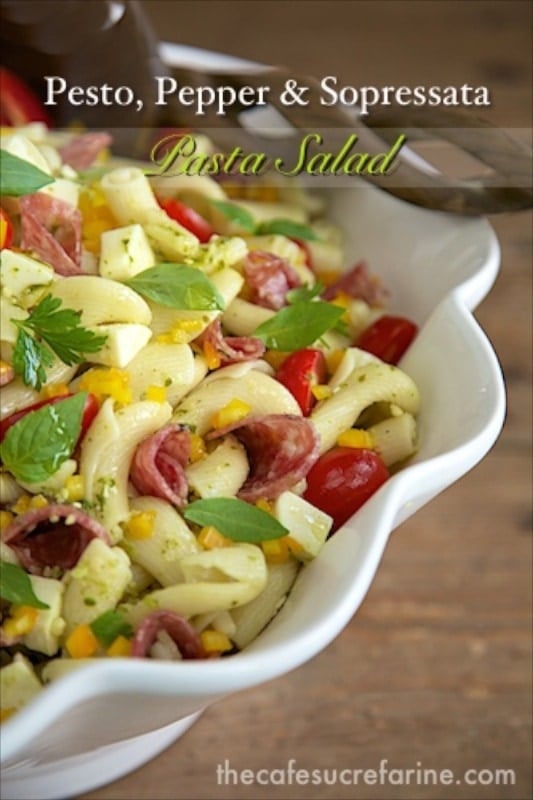
The cone shape and ruffled edges of gigli are excellent for trapping dressing, herbs, cheese, and small vegetables. Each bite gets a good mix of flavors. This is similar to how farfalle’s pinched center or rotini’s spirals hold sauce.
Texture After Cooking
Gigli is made from hard wheat, so it cooks up firm and chewy if you avoid overcooking. It’s important to cook it al dente, as gigli’s ruffled edges can get soft faster than the thick center. The firm texture holds up well after chilling, which is key for pasta salads.
Size And Ease Of Eating
Gigli is about 1–1. 5 inches long. Its size is comfortable for salads. It’s not too big, so you don’t need to cut it, and not too small to get lost among the veggies and cheese.
Visual Appeal
Few pasta shapes are as eye-catching as gigli. Its flower-like design stands out in a salad bowl, especially when mixed with colorful vegetables. For parties or potlucks, gigli makes your dish memorable.
Comparison: Gigli Vs. Other Pasta Shapes For Salad
To help you see how gigli compares to classic pasta salad choices, here’s a head-to-head look at key qualities.
| Pasta Shape | Sauce Holding | Texture After Chilling | Visual Appeal |
|---|---|---|---|
| Gigli | Excellent | Firm, holds up well | Very attractive |
| Fusilli (spirals) | Very good | Firm, holds up well | Moderately attractive |
| Farfalle (bow ties) | Good | Can get soft in center | Good |
| Penne | Moderate | Firm | Average |
| Elbow macaroni | OK | Can get mushy | Simple |
From the table, gigli scores high in nearly every area important for a great pasta salad.
Pros And Cons Of Using Gigli Pasta In Pasta Salad
Every ingredient has its strengths and weaknesses. Here’s what to expect if you use gigli in your next salad:
Pros
- Holds Dressing Well: The ruffles and cone shape trap dressing, so every bite is flavorful.
- Stays Firm: When cooked correctly, gigli doesn’t go mushy after chilling.
- Stunning Look: Adds elegance and a unique shape to your salad.
- Works with Many Ingredients: Fits well with vegetables, cheeses, herbs, and proteins.
Cons
- Can Overcook Quickly: The thin edges soften faster than the center—watch your cooking time.
- Sometimes Hard to Find: Not every supermarket stocks gigli, though it’s available online.
- Slightly Longer Cooking Time: Gigli can take a minute or two longer to cook than small shapes like elbows.
Best Practices For Making Pasta Salad With Gigli
If you decide to use gigli for your pasta salad, a few practical tips will help you get the best results.
Cooking Gigli For Salad
- Salt your water: Use 1–2 tablespoons of salt per gallon of water.
- Stir often: This keeps gigli from sticking together.
- Cook al dente: Test the pasta 1–2 minutes before the package says. The center should still have a little bite, and the ruffled edges should not be limp.
- Rinse after draining: For cold pasta salad, rinse gigli under cold water to stop cooking and remove starch that can make it sticky.
- Drain well: Shake off excess water before adding to your salad bowl.
Mixing And Dressing Tips
- Dress while warm: Add half your dressing to the warm pasta. This helps it absorb flavor.
- Add fresh ingredients later: Vegetables, cheese, and herbs stay crisp if you add them after the pasta cools.
- Chill before serving: Pasta salad tastes best after at least 1 hour in the fridge.
Example: Mediterranean Gigli Pasta Salad
Here’s a simple example you can try.
Ingredients:
- 12 oz gigli pasta
- 1 cup cherry tomatoes, halved
- 1 cup cucumber, diced
- 1/2 cup Kalamata olives, sliced
- 1/2 cup feta cheese, crumbled
- 1/4 cup red onion, finely chopped
- 1/4 cup extra virgin olive oil
- 2 tablespoons lemon juice
- 1 teaspoon dried oregano
- Salt and black pepper to taste
Instructions:
- Cook gigli pasta in salted water until al dente. Rinse under cold water and drain well.
- In a large bowl, whisk olive oil, lemon juice, oregano, salt, and pepper.
- Toss warm pasta with half the dressing.
- Add tomatoes, cucumber, olives, onion, and feta. Pour in the rest of the dressing.
- Mix gently and chill at least 1 hour.
Serves: 6
Time: About 30 minutes
Nutritional And Practical Considerations
Gigli pasta is made from semolina wheat, so it’s not gluten-free. However, some brands offer gluten-free gigli made from rice or corn flour. The calorie count is similar to other dried pasta: about 200 calories per 2-ounce serving. Pasta salad nutrition depends more on the dressing and mix-ins you choose.
For people watching carbs or calories, try using more vegetables and less pasta. For higher protein, add beans, chicken, or tuna.
Non-obvious Insights For Perfect Gigli Pasta Salad
Most beginners focus only on the pasta, but these tips can make your salad truly special:
- Let the pasta cool completely before adding delicate ingredients. Adding cheese or herbs to hot pasta can wilt or melt them, changing their texture.
- Toss the salad again before serving. Pasta absorbs dressing as it sits in the fridge, so a quick toss and a splash of extra dressing right before serving brings back flavor and moisture.
Another useful tip: If you’re serving pasta salad outdoors (like at a picnic), keep it cool to avoid food safety issues. Gigli’s ruffled shape makes it a bit more likely to trap moisture, so don’t let it sit out for more than two hours.

How To Find And Buy Gigli Pasta
Gigli is less common than penne or fusilli, but you can usually find it at Italian specialty stores or online. Look for brands made from 100% durum wheat semolina for best texture. Some well-known pasta brands in the US and Europe make gigli/campanelle in both regular and gluten-free varieties.
When shopping online, check reviews and ingredient lists. Some cheaper brands may use blends that cook up mushy.
Expert Comparison: Gigli Vs. Farfalle For Pasta Salad
Both gigli and farfalle are decorative and suitable for cold salads. But how do they differ in practical use?
| Feature | Gigli | Farfalle |
|---|---|---|
| Shape | Cone with ruffled edges | Bow tie with pinched center |
| Cooking Time | 9–12 minutes | 8–11 minutes |
| Sauce/Dressing Cling | Excellent | Good |
| Texture After Chilling | Stays firm | Edges sometimes get soft |
| Availability | Less common | Very common |
As shown, gigli is a strong alternative to farfalle, especially if you want a unique look and superior sauce holding.

When Not To Use Gigli Pasta In Salad
While gigli is excellent for most pasta salads, it’s not always the best choice. Here are a few cases where you might want another shape:
- Tiny salads: For very small pasta salads (like in bento boxes), mini shapes like orzo or ditalini may be better.
- Very heavy salads: If your salad has large chunks of meat or vegetables, sturdier shapes like penne might be easier to eat.
- Allergy or gluten sensitivity: Standard gigli is not gluten-free, but some specialty brands offer alternatives.
Gigli Pasta Salad: Serving And Storage Tips
- Serve chilled: Gigli pasta salad is best served cold or at room temperature.
- Store in airtight container: Keeps well for up to 3 days in the fridge.
- Refresh before serving: Add a splash of olive oil or lemon juice before serving leftovers to revive the texture and flavor.
Frequently Asked Questions
What Is The Origin Of Gigli Pasta?
Gigli pasta comes from Tuscany, Italy. Its name means “lilies,” reflecting its fluted, flower-like shape. It’s sometimes called campanelle, meaning “little bells.”
Can Gigli Pasta Be Used In Hot Pasta Dishes?
Yes, gigli is excellent in hot dishes. Its shape holds thick sauces, ragù, or creamy cheese sauces very well. It’s also used in baked casseroles.
Is Gigli Pasta Gluten-free?
Most traditional gigli pasta is made from wheat and contains gluten. However, some brands make gluten-free gigli from rice, corn, or other grains. Always check the packaging to be sure.
How Long Does Gigli Pasta Salad Last In The Fridge?
When stored in an airtight container, gigli pasta salad will keep for up to 3 days in the refrigerator. For best taste, eat within 24–48 hours.
Where Can I Buy Gigli Pasta?
You can find gigli at Italian grocery stores, some supermarkets, or online. For a wide selection, check sites like Eataly, which offers authentic Italian brands.
Choosing the right pasta can turn a simple salad into something special. Gigli pasta, with its beautiful shape and sauce-holding ability, makes an excellent and often overlooked choice for pasta salads. If you want to impress your guests or just try something new, give gigli a try in your next cold pasta dish.
You might find it becomes your new favorite.

