

Is Italian Gigli Pasta Gluten-free?
When you think of Italian food, you often imagine plates of pasta with rich sauces. Pasta comes in many shapes, and one unique variety is gigli pasta. Its name means “lily” in Italian, and the shape looks like a bell or flower. If you need to avoid gluten for health reasons, you may wonder: Is Italian gigli pasta gluten-free? Let’s explore what gigli pasta is, what it’s made from, and how to enjoy it safely if you follow a gluten-free diet.
What Is Gigli Pasta?
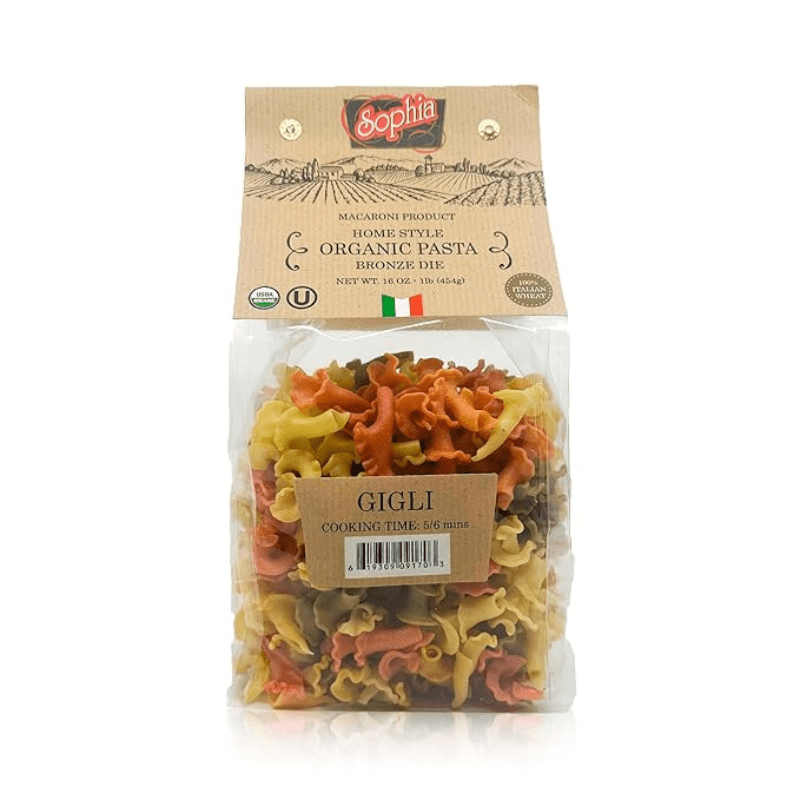
Gigli pasta, sometimes called campanelle, is a short pasta with ruffled edges and a cone or bell-like shape. This shape is perfect for holding thick sauces, cheese, or vegetables. You’ll find gigli pasta in traditional Italian dishes and in modern recipes.
The word “gigli” comes from the Italian for “lilies,” because the pasta resembles the petals of a lily flower. In the US, it’s also called “campanelle,” which means “little bell. ” Gigli is popular in Tuscany and northern Italy, but now it’s available worldwide.
Traditional Ingredients Of Gigli Pasta
Most classic Italian pasta, including gigli, is made with two main ingredients:
- Durum wheat semolina
- Water
Durum wheat semolina is a coarse, golden flour from hard wheat. It gives pasta its firm texture and yellow color. Some fresh pasta recipes might add eggs, but dried gigli pasta from stores usually contains only wheat and water.
Here is a typical ingredient list for traditional gigli pasta:
- Durum wheat semolina (main ingredient)
- Water
This means that traditional gigli pasta is not gluten-free. Wheat contains gluten, a protein that helps pasta hold its shape and gives it a chewy bite.
Ingredient Comparison: Traditional Vs. Gluten-free Gigli
To see the difference, look at this ingredient comparison:
| Type | Main Ingredients | Contains Gluten? |
|---|---|---|
| Traditional Gigli | Durum wheat semolina, water | Yes |
| Gluten-Free Gigli | Rice flour, corn flour, quinoa, or other gluten-free grains | No |
Understanding Gluten And Why It Matters
Gluten is a group of proteins found in wheat, barley, and rye. It helps foods keep their shape and provides elasticity. For most people, gluten is safe. But for those with celiac disease, gluten sensitivity, or wheat allergy, eating gluten can cause serious health problems.
Common symptoms of gluten intolerance include:
- Bloating
- Stomach pain
- Diarrhea or constipation
- Fatigue
- Headaches
For people with celiac disease, even a small amount of gluten can harm the intestine and cause long-term health problems.
Is Any Italian Gigli Pasta Gluten-free?
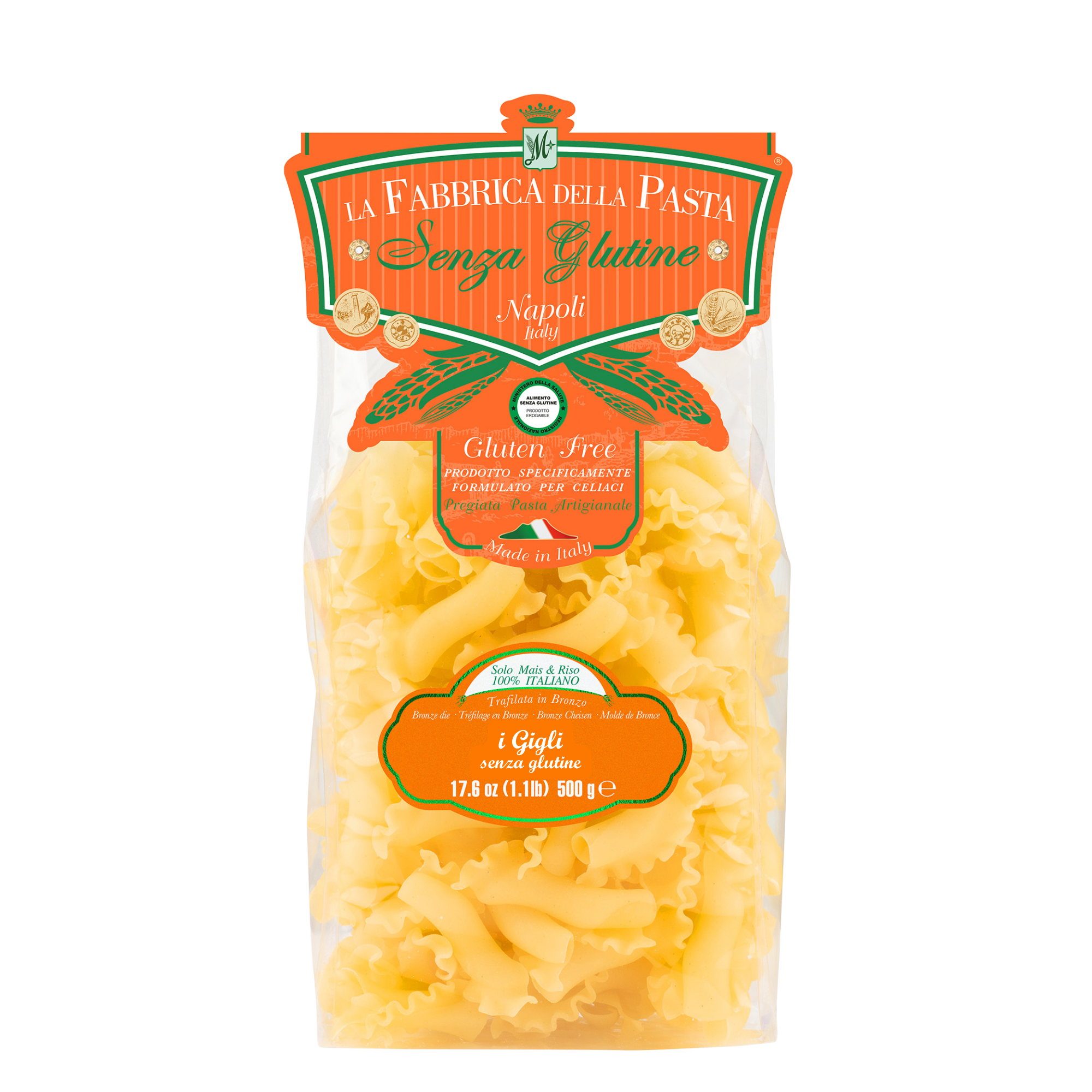
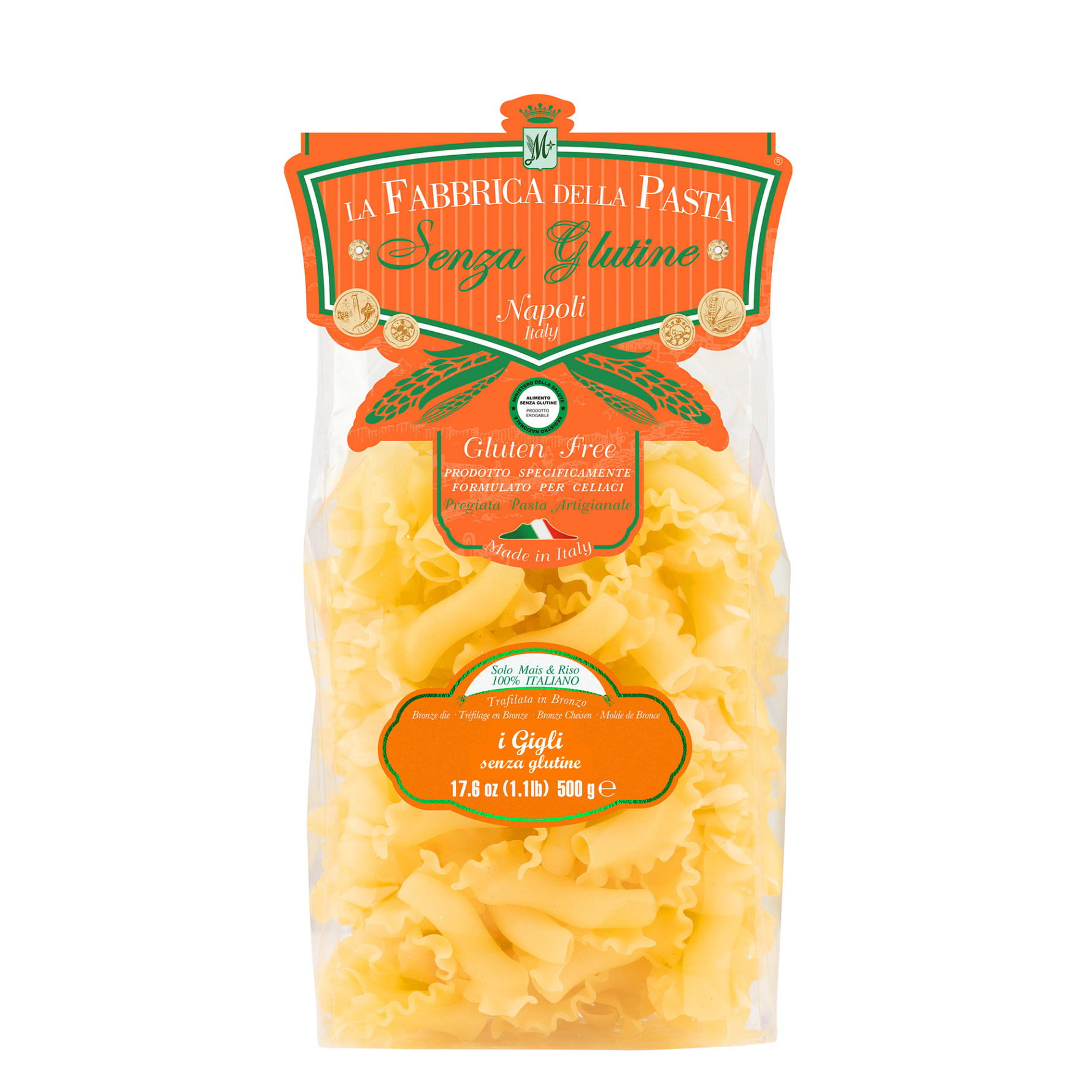
Most Italian gigli pasta is not gluten-free, because it’s made from wheat. However, some brands now make gluten-free gigli pasta using different flours. These are safe for people avoiding gluten.
Gluten-free Gigli Pasta Brands
Some popular brands that offer gluten-free gigli pasta include:
- Jovial (uses brown rice flour)
- Barilla Gluten Free (uses corn and rice flour)
- Le Veneziane (corn-based)
- Bionaturae (rice, potato, soy)
- Garofalo Gluten Free (corn, rice, quinoa)
These brands often label their products clearly as “gluten-free.” Always check the packaging to be sure, since some pasta factories also make wheat pasta and there may be a risk of cross-contamination.
How Gluten-free Gigli Is Made
Instead of wheat, gluten-free gigli pasta is made from grains like:
- Rice flour
- Corn flour
- Quinoa flour
- Chickpea flour
- Lentil flour
These grains do not contain gluten but can still make a pasta that holds its shape and absorbs sauce. Manufacturers sometimes blend several flours to get the best texture.
Here’s a quick look at some common gluten-free flours:
| Gluten-Free Flour | Texture | Flavor Notes |
|---|---|---|
| Rice Flour | Soft, slightly chewy | Mild, neutral |
| Corn Flour | Firm, holds shape | Slightly sweet, corn-like |
| Quinoa Flour | Light, slightly nutty | Earthy, nutty |
| Chickpea Flour | Dense, hearty | Earthy, bean-like |
How To Identify Gluten-free Gigli Pasta
If you want to buy gigli pasta but need to avoid gluten, follow these steps:
- Read the package label. Look for “gluten-free” or “senza glutine.”
- Check the ingredient list. Avoid wheat, durum, semolina, barley, or rye.
- Look for certification. Some products have a gluten-free certification logo.
- Contact the manufacturer. If you are unsure about cross-contamination, ask directly.
Common Packaging Symbols
- Crossed grain symbol: Trusted gluten-free certification
- Wheat stalk crossed out: Indicates no wheat
Sometimes, you’ll see “may contain traces of wheat. ” This is a warning for sensitive people. For strict gluten-free needs, always choose certified products.
Cooking Tips For Gluten-free Gigli Pasta
Cooking gluten-free pasta is a little different from wheat pasta. Here are some tips to get the best results:
- Use plenty of water. Gluten-free pasta can be sticky. Boil in a large pot.
- Stir often. This helps prevent clumping.
- Do not overcook. Gluten-free pasta becomes mushy quickly. Taste a piece for doneness.
- Rinse after cooking. This removes extra starch and stops the cooking process.
- Serve with thick sauces. Gluten-free gigli holds sauces well, especially creamy or chunky ones.
Example Cooking Time
Gluten-free gigli pasta usually cooks in 7–10 minutes. Always check your package for exact times, as it varies by brand and flour type.
Nutritional Comparison: Wheat Vs. Gluten-free Gigli
Many people wonder if gluten-free pasta is as healthy as regular pasta. Here’s a comparison of average nutrition per 2 oz (56g) serving:
| Nutrient | Wheat Gigli | Gluten-Free Gigli |
|---|---|---|
| Calories | 200 | 190–210 |
| Protein | 7g | 3–5g |
| Fiber | 2g | 1–3g |
| Carbohydrates | 42g | 40–45g |
| Fat | 1g | 0.5–2g |
Key Insight: Gluten-free pasta often has less protein, especially if made from rice or corn. Some brands add extra fiber or protein (like lentil flour) to boost nutrition. Always compare labels if you have specific dietary needs.
Common Mistakes When Buying Or Cooking Gluten-free Gigli
Switching to gluten-free pasta is easier today, but beginners often make mistakes. Here are some to watch out for:
- Assuming all pasta shapes are available gluten-free. Not every shape is made in gluten-free versions. Shop online if you can’t find gigli locally.
- Ignoring the ingredient list. Some “wheat-free” pastas still contain other gluten grains.
- Overcooking the pasta. Gluten-free gigli softens fast. Stay near the stove.
- Not rinsing after boiling. This leaves a sticky texture.
- Forgetting about sauces. Gluten-free pasta can be bland. Use flavorful, chunky sauces for best results.
Non-obvious tip: Some gluten-free pastas cook unevenly. Stir gently but often, especially in the first few minutes.
Where To Buy Gluten-free Gigli Pasta
You can find gluten-free gigli in:
- Health food stores
- Large supermarkets (check the gluten-free section)
- Online retailers (Amazon, specialty food sites)
- Italian food shops (ask about gluten-free options)
Online shopping gives you the best selection. Look for brands with strong reviews and certifications. Specialty Italian brands may also sell directly through their websites.
For more about gluten-free certifications and safe products, visit the Celiac Disease Foundation.
Enjoying Italian Food Gluten-free
You don’t have to give up Italian pasta dishes if you avoid gluten. With gluten-free gigli, you can make favorites like:
- Gigli pasta with tomato and basil sauce
- Gigli with pesto and grilled vegetables
- Baked gigli in a cheese and spinach casserole
Try using gluten-free gigli in place of any short pasta in your recipes. The shape holds sauce well and looks beautiful on the plate.
Frequently Asked Questions
Is All Gigli Pasta Made From Wheat?
No, but most traditional gigli pasta is made with wheat. Some brands make gluten-free gigli using rice, corn, or other grains. Always check the label before buying.
Can I Make Gluten-free Gigli Pasta At Home?
Yes, you can make gluten-free gigli at home using gluten-free flour blends and water. You’ll need a pasta mold or to shape it by hand. The texture is best when using a mix of rice and corn flour.
How Do I Know If My Pasta Is Gluten-free?
Look for a clear “gluten-free” label and check the ingredient list for wheat, barley, or rye. Certified gluten-free products are safest for people with celiac disease.
Does Gluten-free Gigli Taste The Same As Wheat Gigli?
Gluten-free gigli has a similar look and holds sauces well, but the taste and texture can be different. Rice and corn pasta are mild, while chickpea or quinoa pasta has a stronger flavor.
Is Gluten-free Gigli Healthier Than Regular Gigli Pasta?
Not always. Gluten-free gigli is better for people with gluten intolerance, but it can have less protein and fiber. Check nutrition labels to compare and look for brands that add extra nutrients.
If you love Italian food but need to avoid gluten, gigli pasta is still on the menu. With so many gluten-free versions available, you can enjoy the unique shape and taste of gigli without worry. Always read labels, choose certified gluten-free products, and experiment with your favorite sauces.
With a little care, Italian pasta night can be safe, delicious, and satisfying for everyone.

